



Delta 8

Delta 8 vs Delta 9: Complete Comparison
Let’s dive into the worlds of delta 8 and delta 9 THC. Delta 9…
Learn more
You must be 21+ to enter this site
 FREE SHIPPING $89+
 FREE GIFT ON $120+
 100% FEDERALLY LEGAL
 LAB TESTED FOR PURITY
FREE SHIPPING $89+
FREE GIFT ON $120+
100% FEDERALLY LEGAL
LAB TESTED FOR PURITY
FREE SHIPPING $89+
FREE GIFT ON $120+
100% FEDERALLY LEGAL
LAB TESTED FOR PURITY
FREE SHIPPING $89+
FREE GIFT ON $120+
100% FEDERALLY LEGAL
LAB TESTED FOR PURITY
FREE SHIPPING $89+
FREE GIFT ON $120+
100% FEDERALLY LEGAL
LAB TESTED FOR PURITY
FREE SHIPPING $89+
FREE GIFT ON $120+
100% FEDERALLY LEGAL
LAB TESTED FOR PURITY
FREE SHIPPING $89+
FREE GIFT ON $120+
100% FEDERALLY LEGAL
LAB TESTED FOR PURITY
FREE SHIPPING $89+
FREE GIFT ON $120+
100% FEDERALLY LEGAL
LAB TESTED FOR PURITY
LAB TESTED FOR PURITY
FREE SHIPPING $89+
FREE GIFT ON $120+
100% FEDERALLY LEGAL
LAB TESTED FOR PURITY
FREE SHIPPING $89+
FREE GIFT ON $120+
100% FEDERALLY LEGAL
LAB TESTED FOR PURITY
FREE SHIPPING $89+
FREE GIFT ON $120+
100% FEDERALLY LEGAL
LAB TESTED FOR PURITY
FREE SHIPPING $89+
FREE GIFT ON $120+
100% FEDERALLY LEGAL
LAB TESTED FOR PURITY
FREE SHIPPING $89+
FREE GIFT ON $120+
100% FEDERALLY LEGAL
LAB TESTED FOR PURITY
FREE SHIPPING $89+
FREE GIFT ON $120+
100% FEDERALLY LEGAL
LAB TESTED FOR PURITY
FREE SHIPPING $89+
FREE GIFT ON $120+
100% FEDERALLY LEGAL
LAB TESTED FOR PURITY

Delta 9 Dosage: Unlocking THC’s Potential For Health
Delta 9, also known as THC, is a popular cannabinoid used for various purposes such as pain relief, anxiety, and depression.
Determining the proper delta 9 dosage can feel overwhelming, especially for new users. Individual tolerance, desired outcomes, and personal comfort levels all influence how much is ideal. Starting with a low amount and slowly increasing it allows you to observe how your body reacts, helping you find the right balance while minimizing the risk of unwanted side effects.
Here, we will explore how delta 9 is used, recommended dosages for different purposes, and potential side effects to help you make informed decisions.
Here are general recommendations based on body weight ranges for low, moderate, and high dosages:
Low Dosage (1-5 milligrams of Delta-9-THC):
Moderate Dosage (5-20 milligrams of Delta-9-THC):
High Dosage (20+ milligrams of Delta-9-THC):
These recommendations are approximate and should be used as starting points. It’s crucial to start with a low dosage and gradually titrate upward while closely monitoring effects, regardless of body weight.
Additionally, factors such as tolerance, metabolism, and individual sensitivity should be considered when determining the appropriate dosage. Consulting with a healthcare professional or knowledgeable cannabis dispensary staff can provide personalized guidance based on individual circumstances and needs.
Delta 9 THC dosage can be measured in milligrams, with concentrations varying based on the form of the product, such as gummies or tinctures.
In terms of edibles like gummies, the concentration of Delta 9 THC is typically lower per piece compared to tinctures due to the volume of the product.
Tinctures, on the other hand, are known for their higher THC concentrations per milliliter, making precise dosing crucial.
It’s essential for consumers to understand the differences in dosage measurements across various products to ensure they are consuming their desired amount of THC. In the world of cannabis products, knowing how to interpret milligrams can help individuals achieve the desired effects without overdoing it.
The ideal Delta 9 THC dosage for pain relief varies depending on individual pain levels, with lower doses recommended initially to assess tolerance and effectiveness.
Starting with conservative amounts, around 2.5-5 mg, allows the body to acclimate without overwhelming effects.
Once the initial response is understood, gradual increments of 2.5 mg can be made until optimal pain relief is achieved.
It’s crucial to monitor how the body responds to each adjustment, keeping in mind that everyone’s tolerance and reaction to cannabinoids are unique. Consulting with a healthcare provider or dispensary specialist can also provide valuable insights into adjusting the dosage for maximum benefit.
While Delta-9-THC may offer potential benefits for some individuals with anxiety and depression, there is limited clinical evidence to support specific dosage recommendations. However, based on anecdotal reports and preliminary research, the following general guidelines may be considered:
The recommended Delta 9 THC dosage for anxiety and depression management is influenced by individual responses, with therapy-based approaches often involving gradual dose adjustments.
Each person’s reaction to Delta 9 THC can vary significantly, making it crucial to tailor the dosage to suit the patient’s specific needs. Factors such as tolerance levels, overall health, and the severity of anxiety or depression symptoms play a vital role in determining the most effective dosage.
Delta 9, also known as delta-9-tetrahydrocannabinol (Delta-9-THC), can be consumed using various methods, each offering unique advantages and effects tailored to individual preferences. Below are the different methods of using Delta 9:
These various methods of using Delta 9 cater to different preferences and needs, allowing individuals to choose the most suitable option based on factors such as desired effects, onset time, and convenience.
Several factors influence the optimal dosage of Delta 9 THC:
Individual tolerance levels play a crucial role in determining the suitable Delta 9 THC dosage for each person, with variations based on body chemistry and previous exposure.
Factors such as genetic predisposition, metabolism rate, and overall health can greatly influence how an individual responds to different dosage levels. Similarly, past experiences with THC, whether positive or negative, can also shape one’s tolerance and influence the effectiveness of the dosage administered.
By acknowledging and respecting these unique individual differences, individuals can personalize their THC intake to maximize benefits and minimize potential risks. This personalized approach helps in achieving the desired effects without risking adverse reactions, making dosage determination a crucial aspect of cannabis consumption.
The desired effects of Delta 9 THC, such as euphoria or relaxation, impact the recommended dosage, with higher doses typically associated with more pronounced outcomes.
Individuals seeking a milder experience often opt for lower doses to achieve a subtle euphoric effect or a gentle sense of relaxation. On the other hand, those looking for a more intense euphoric or sedative experience may choose to take higher doses.
It’s important to note that individual tolerance levels also play a crucial role in determining the ideal dosage, as what works well for one person may be too strong or too weak for another.
Personal preferences play a role in determining the Delta 9 THC dosage, with factors like consumption method, frequency, and experience influencing individual dosage choices.
Unique habits and experiences can greatly impact consumption. For instance, someone who regularly uses THC products may have a higher tolerance and require a higher dosage to achieve the desired effects compared to a novice user.
The method of intake, whether it’s smoking, vaping, edibles, or tinctures, can also influence dosage preferences. Some users may prefer the immediate effects of smoke, while others opt for the longer-lasting effects of edibles.
Physiological responses to Delta 9 THC can vary from person to person, with some experiencing an increase in heart rate and blood pressure after consumption. These changes are attributable to the compound’s interaction with the endocannabinoid system, which regulates numerous bodily functions.
The psychological effects of Delta 9 THC, like paranoia, can be unsettling for individuals sensitive to such reactions. It’s essential for users to be aware of these potential side effects and consume the compound responsibly.
Delta 9 THC can induce drowsiness as a side effect, affecting users’ perception of alertness and cognitive function.
When individuals experience drowsiness from Delta 9 THC, they may find themselves feeling lethargic and less motivated to engage in activities that require mental acuity, overwhelmed with a desire to sleep.
This decrease in alertness can lead to difficulties in focusing on tasks, memory recall, and decision-making processes. The impaired cognitive abilities resulting from drowsiness can also impact one’s overall performance, mood, and productivity.
It is essential for users to be aware of these potential side effects and make informed decisions regarding their consumption of THC products.
While Delta 9 THC does not lead to physical addiction, there is a risk of psychological dependence and substance abuse with prolonged or excessive use.
Psychological dependence on Delta 9 THC can lead to a strong craving for the substance, making it challenging for individuals to stop using it despite negative consequences. This dependency can impact mental well-being and daily life, perpetuating the cycle of consumption.
Substance abuse can escalate when individuals develop a tolerance to THC, requiring higher doses to achieve the desired effects. This can result in potential harmful behaviors and negative outcomes, impacting relationships, work, and overall quality of life.
Delta 9 THC may interact with certain medications, potentially altering their effects or metabolism, necessitating caution and consultation with healthcare providers.
It is crucial to understand that when Delta 9 THC interacts with other medications, it can lead to unexpected consequences, such as reduced effectiveness or increased side effects. These interactions can disrupt the body’s ability to metabolize drugs, affecting their overall impact.
Therefore, individuals using medications alongside Delta 9 THC should disclose this information to their healthcare providers to ensure proper guidance on potential risks and adjustments in treatment plans. Healthcare professionals can offer valuable insights on managing these interactions to minimize any adverse outcomes.
Delta 9 dosage refers to the measurement of delta 9-tetrahydrocannabinol (THC) in cannabis products. It is the main psychoactive compound in marijuana and is responsible for the “high” that people experience when consuming it.
While it is possible to consume too much delta 9, it is not considered fatal. However, consuming too much can lead to uncomfortable side effects such as anxiety, panic, and increased heart rate.
It is not recommended to mix delta 9 with other substances, especially alcohol or other drugs. This can increase the risk of negative side effects and potentially dangerous interactions.
The effects of delta 9 can vary depending on the individual and the method of consumption. It can take anywhere from 5 minutes to 2 hours for the effects to be felt, with the peak usually occurring within the first hour. It is important to wait at least 2 hours before consuming more, as the effects may take longer to fully kick in.
Let’s dive into the worlds of delta 8 and delta 9 THC. Delta 9…
Learn more

Hemp-derived delta-9 drinks are federally legal, but whether they’re legal where you live depends…
Learn more
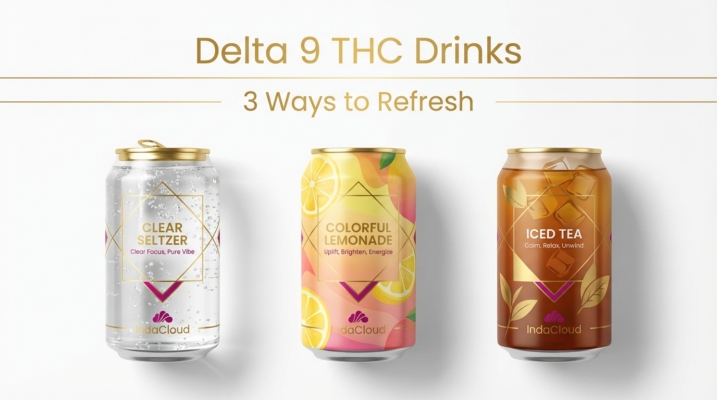
Delta 9 drinks are beverages infused with hemp-derived delta-9 tetrahydrocannabinol, offering a federally legal,…
Learn more

In the world of cannabis and hemp-based products, the term D9 frequently appears—but what…
Learn more
