



THCA

How Long Does THCA Stay in Your System?
Raw, unheated THCA clears your system in roughly 24 to 48 hours. Once you…
Learn more
You must be 21+ to enter this site
 FREE SHIPPING $89+
 FREE GIFT ON $120+
 100% FEDERALLY LEGAL
 LAB TESTED FOR PURITY
FREE SHIPPING $89+
FREE GIFT ON $120+
100% FEDERALLY LEGAL
LAB TESTED FOR PURITY
FREE SHIPPING $89+
FREE GIFT ON $120+
100% FEDERALLY LEGAL
LAB TESTED FOR PURITY
FREE SHIPPING $89+
FREE GIFT ON $120+
100% FEDERALLY LEGAL
LAB TESTED FOR PURITY
FREE SHIPPING $89+
FREE GIFT ON $120+
100% FEDERALLY LEGAL
LAB TESTED FOR PURITY
FREE SHIPPING $89+
FREE GIFT ON $120+
100% FEDERALLY LEGAL
LAB TESTED FOR PURITY
FREE SHIPPING $89+
FREE GIFT ON $120+
100% FEDERALLY LEGAL
LAB TESTED FOR PURITY
FREE SHIPPING $89+
FREE GIFT ON $120+
100% FEDERALLY LEGAL
LAB TESTED FOR PURITY
LAB TESTED FOR PURITY
FREE SHIPPING $89+
FREE GIFT ON $120+
100% FEDERALLY LEGAL
LAB TESTED FOR PURITY
FREE SHIPPING $89+
FREE GIFT ON $120+
100% FEDERALLY LEGAL
LAB TESTED FOR PURITY
FREE SHIPPING $89+
FREE GIFT ON $120+
100% FEDERALLY LEGAL
LAB TESTED FOR PURITY
FREE SHIPPING $89+
FREE GIFT ON $120+
100% FEDERALLY LEGAL
LAB TESTED FOR PURITY
FREE SHIPPING $89+
FREE GIFT ON $120+
100% FEDERALLY LEGAL
LAB TESTED FOR PURITY
FREE SHIPPING $89+
FREE GIFT ON $120+
100% FEDERALLY LEGAL
LAB TESTED FOR PURITY
FREE SHIPPING $89+
FREE GIFT ON $120+
100% FEDERALLY LEGAL
LAB TESTED FOR PURITY


Can You Snort THCA? Effects, Advantages, and Consumption Tips
Typically associated with smoking, vaping, or oral ingestion, the notion of snorting tetrahydrocannabinolic acid introduces a novel approach to cannabinoid delivery. However, before considering such a method, it’s crucial to understand the implications, safety concerns, and possible outcomes associated with snorting THC-A.
Can you snort THCa? This article explores the possibility and potential dangers of snorting THCa, offering insight into the wider conversation about alternative ways to consume cannabis within the community.
THCA, or tetrahydrocannabinolic acid, is a naturally occurring compound found in raw cannabis plants. It is the precursor to THC (tetrahydrocannabinol), the psychoactive compound responsible for the “high” associated with cannabis use.
THCA itself does not produce psychoactive effects unless it is heated or decarboxylated, but when THCA is snorted, it bypasses the digestive system and quickly enters the bloodstream, leading to rapid onset of effects.
Physiologically, snorting THCA may cause irritation and damage to the nasal passages, increasing the risk of nosebleeds and respiratory issues over time.
Psychologically, the high concentration of THC in THCA can result in intense euphoria, altered perception of time and space, and potential anxiety or paranoia, especially in individuals with sensitivity to THC.
Snorting THCA has the potential to induce a psychoactive high similar to other cannabinoid compounds when it reaches the brain through the bloodstream.
When THCA is snorted, the effects may kick in relatively quickly compared to other methods of consumption. The intensity of the high can vary depending on factors such as dosage and individual tolerance levels.
Users often report a sense of euphoria accompanied by altered perception. This altered state of mind can lead to feelings of relaxation and heightened sensory experiences. The duration of the high experienced from snorting THCA can also differ from person to person, with some individuals reporting a more prolonged effect compared to inhalation or ingestion methods.
While traditional routes like smoking, vaping, and oral ingestion are more common, snorting THCA introduces unique dangers and concerns. Here are some of the risks associated with snorting THCA:
Considering these risks, individuals should exercise caution and seek professional advice before exploring unconventional methods of THCA consumption like snorting.
Some individuals believe that by inhaling THCA, they can experience a more intense psychoactive sensation due to the direct absorption through the nasal mucosa, bypassing the digestive system. Social influences play a significant role, as some may perceive snorting THCA as a trend or a ‘cool’ way to use cannabinoids among their peers.
Others opt for this method due to personal preferences, whether it’s the novelty of the experience, the desire for experimentation, or simply a preference for the fast-acting nature of nasal administration. The attraction of immediate effects and the potential for enhanced bioavailability can be appealing factors for those seeking a different consumption experience.
When considering absorption rates, snorting THCA offers quicker assimilation into the bloodstream compared to oral ingestion but may lag behind smoking or vaping in terms of rapid onset.
The user experience of snorting THCA can be intense due to the direct route to the bloodstream, resulting in a powerful high. This method may prove harsh on nasal passages and could potentially lead to irritation or damage to mucous membranes.
In contrast, smoking and vaping generally provide a smoother experience but may not offer the same level of potency as snorting.
By snorting THCA, individuals can potentially experience a more intense and immediate psychoactive effect due to the direct absorption through the nasal mucosa. This method may also result in a more efficient delivery of THCA into the bloodstream, leading to higher overall potency and quicker relief for symptoms.
The ability to finely adjust the dosage by titration with smaller, more precise amounts of THCA through snorting can allow for better management of the therapeutic effects while minimizing the risk of adverse reactions.
Unlike its decarboxylated counterpart, Delta-9 tetrahydrocannabinol, which is typically consumed through smoking, vaping, or ingesting edibles, THCA requires different approaches due to its non-psychoactive nature. Here are the usual methods of consuming THCA:
These consumption methods offer diverse options for individuals seeking to incorporate THCA into their wellness routines, whether for its potential therapeutic benefits or as part of a holistic approach to cannabis consumption.
However, it’s essential to consult with healthcare professionals and adhere to local regulations when using THCA products.
To minimize the risks associated with snorting THCA, individuals should consider alternative consumption methods, practice harm reduction strategies, and seek professional advice if experiencing adverse effects.
One crucial aspect of harm reduction when snorting THCA is dosage control. Start with a small amount and gradually increase to assess tolerance. It’s essential to avoid excessive doses that can lead to severe reactions.
Also, hygiene practices play a significant role in reducing risks. Ensure your nasal passages are clean before administration to prevent infections. Always use clean straws or tools to avoid contamination.
Do not hesitate to seek medical assistance if you encounter any troubling symptoms. Consulting a healthcare professional can provide valuable guidance and support in such situations.
Related Post:
The practice of snorting THCA introduces a novel but potentially risky method of cannabinoid delivery. While it may offer a more immediate and intense psychoactive effect compared to other consumption methods, it also comes with significant risks, including nasal irritation, respiratory issues, and potential overdose.
In addition, snorting THCA raises concerns about legality, social stigma, and lack of research on its long-term effects. Individuals considering this method should exercise caution, seek professional advice, and consider safer alternatives for consuming THCA.
Ultimately, understanding the implications and risks associated with snorting THCA is essential for making informed decisions about cannabinoid consumption.
Snorting THCA may cause a faster onset of effects compared to other methods of ingestion, but it can also lead to intense and potentially overwhelming effects. It can also cause irritation and damage to the nasal passages.
There is not enough research available to determine the safety of snorting THCA. It is not a recommended method of ingestion and can lead to irritation and damage to the nasal passages.
Yes, there are safer and more effective ways to consume THCA, such as using a vaporizer or mixing it with a carrier oil for sublingual use. These methods allow for better control of dosage and reduce the risk of potential harm.
Raw, unheated THCA clears your system in roughly 24 to 48 hours. Once you…
Learn more
THCP binds cannabinoid receptors roughly 33 times harder than THC in lab testing. THCA,…
Learn more

Popcorn buds are small, whole flower pulled out of a harvest and sorted by…
Learn more
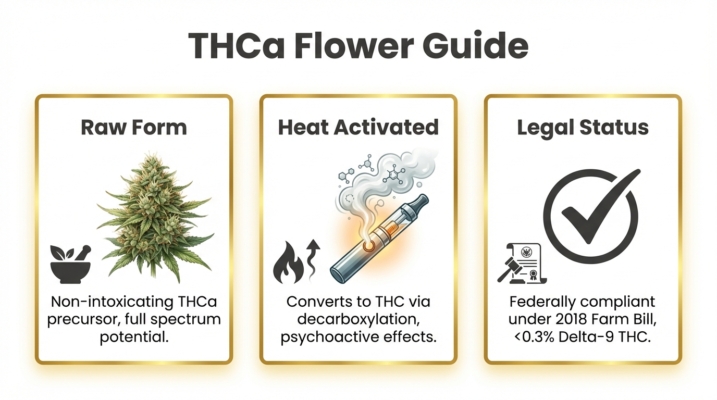
THCA flower keeps best in an airtight glass jar held at 58 to 62%…
Learn more
