


THCV

How Does THCV Compare to Delta 9: A Comprehensive Comparison
How Does THCV Compare to Delta 9: A Comprehensive Comparison Are you curious about…
Learn more
You must be 21+ to enter this site
 FREE SHIPPING $89+
 FREE GIFT ON $120+
 100% FEDERALLY LEGAL
 LAB TESTED FOR PURITY
FREE SHIPPING $89+
FREE GIFT ON $120+
100% FEDERALLY LEGAL
LAB TESTED FOR PURITY
FREE SHIPPING $89+
FREE GIFT ON $120+
100% FEDERALLY LEGAL
LAB TESTED FOR PURITY
FREE SHIPPING $89+
FREE GIFT ON $120+
100% FEDERALLY LEGAL
LAB TESTED FOR PURITY
FREE SHIPPING $89+
FREE GIFT ON $120+
100% FEDERALLY LEGAL
LAB TESTED FOR PURITY
FREE SHIPPING $89+
FREE GIFT ON $120+
100% FEDERALLY LEGAL
LAB TESTED FOR PURITY
FREE SHIPPING $89+
FREE GIFT ON $120+
100% FEDERALLY LEGAL
LAB TESTED FOR PURITY
FREE SHIPPING $89+
FREE GIFT ON $120+
100% FEDERALLY LEGAL
LAB TESTED FOR PURITY
LAB TESTED FOR PURITY
FREE SHIPPING $89+
FREE GIFT ON $120+
100% FEDERALLY LEGAL
LAB TESTED FOR PURITY
FREE SHIPPING $89+
FREE GIFT ON $120+
100% FEDERALLY LEGAL
LAB TESTED FOR PURITY
FREE SHIPPING $89+
FREE GIFT ON $120+
100% FEDERALLY LEGAL
LAB TESTED FOR PURITY
FREE SHIPPING $89+
FREE GIFT ON $120+
100% FEDERALLY LEGAL
LAB TESTED FOR PURITY
FREE SHIPPING $89+
FREE GIFT ON $120+
100% FEDERALLY LEGAL
LAB TESTED FOR PURITY
FREE SHIPPING $89+
FREE GIFT ON $120+
100% FEDERALLY LEGAL
LAB TESTED FOR PURITY
FREE SHIPPING $89+
FREE GIFT ON $120+
100% FEDERALLY LEGAL
LAB TESTED FOR PURITY

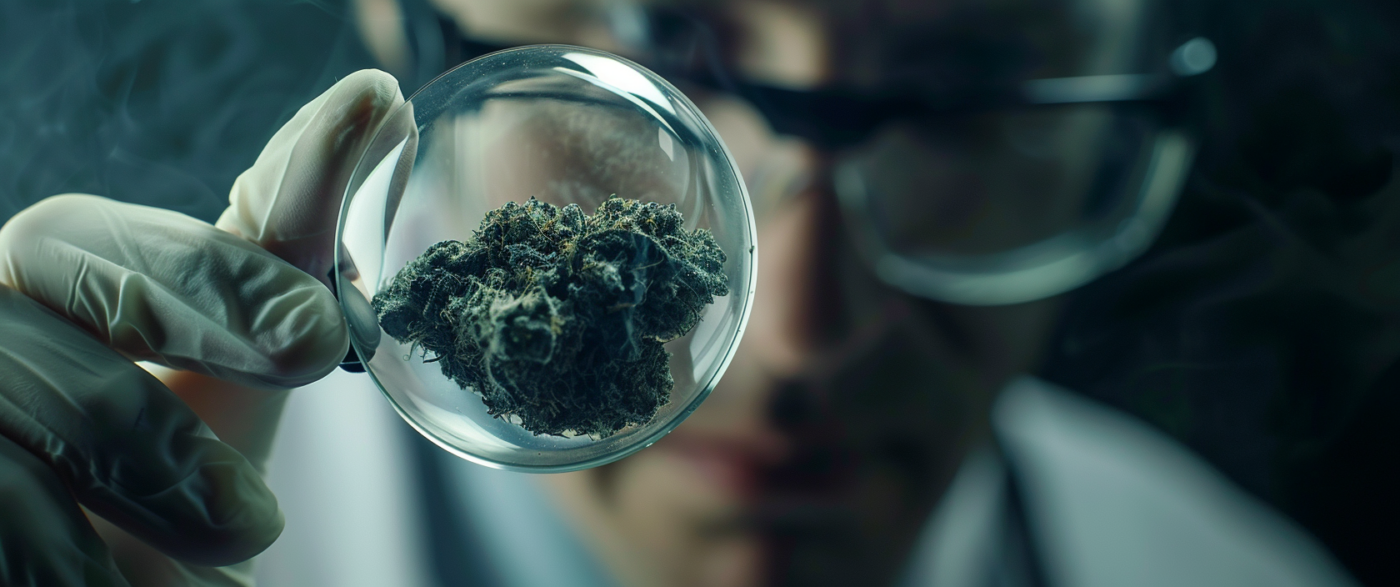
Does THCv Get You Stoned?
In recent years, the cannabis plant has garnered significant attention not only for its recreational use but also for its potential therapeutic properties. Central to the diverse array of compounds found in cannabis are cannabinoids, which have been the focus of extensive scientific research aimed at understanding their effects on the human body and mind. Among these cannabinoids, Tetrahydrocannabivarin (THCv) has emerged as a compound of particular interest due to its unique chemical structure and potential medicinal benefits.
In this article, we discuss does THCv get you stoned and into the scientific research surrounding THCv to elucidate its psychoactive effects and determine whether it truly can “get you high.” By examining the latest findings from laboratory studies, clinical trials, and anecdotal reports, we aim to provide a comprehensive understanding of THCv and its implications for cannabis consumers and the broader community.
THCv, short for Tetrahydrocannabivarin, is a cannabinoid found in cannabis plants. It shares a similar molecular structure with THC (Tetrahydrocannabinol), the primary psychoactive compound in cannabis, but with slight differences that result in distinct effects. THCv is present in varying concentrations depending on the cannabis strain and is being increasingly studied for its potential medical benefits, including its impact on appetite, metabolism, and possibly even neurological conditions. Understanding THCv’s properties and effects is essential for both medical research and the cannabis industry as a whole.
The question of whether THCv gets you “stoned” is a complex one that depends on various factors. THCv does have psychoactive effects, but they are different from those of THC and are often described as more stimulating and less sedating. While THCv may induce a euphoric or uplifting sensation in some individuals, it typically does not produce the intense intoxication commonly associated with THC. The extent of psychoactivity experienced can vary based on factors such as the dose consumed, individual tolerance, and the presence of other cannabinoids and terpenes in the cannabis strain. Research on THCv’s psychoactive effects is still relatively limited compared to THC, so further studies are needed to understand its impact on cognitive function and subjective experiences fully.
Scientific research on THCv’s psychoactive effects is still relatively limited compared to other cannabinoids like THC. Several studies have provided insights into its potential psychoactive properties:
Early research suggests that THCv may exhibit biphasic effects, meaning it can have different effects depending on the dose. At lower doses, THCv may act as a stimulant, potentially increasing alertness and energy levels. Conversely, at higher doses, it may have sedative effects similar to THC.
Some studies have investigated THCv’s impact on neurological function and behavior. For example, animal studies have shown that THCv may modulate dopamine levels in the brain, which could influence mood and motivation.
THCv has been studied for its potential role in appetite regulation. Unlike THC, which is known to stimulate appetite (the “munchies” effect), THCv may have appetite-suppressing effects, making it a potential target for weight management and obesity therapy.
While more research is needed, preliminary studies suggest that THCv may have therapeutic potential for various conditions, including obesity, diabetes, and neurodegenerative disorders like Parkinson’s disease. Its unique psychoactive properties make it an intriguing candidate for further investigation in both preclinical and clinical settings.
It’s important to note that individual responses to THCv can vary widely. Factors such as genetics, metabolism, and prior cannabis use can influence how individuals respond to THCv, making it challenging to predict its psychoactive effects with certainty.
Intoxication and psychoactivity are related concepts but have distinct meanings:
Intoxication refers to a state of being under the influence of a substance, typically resulting in altered physical and mental functioning. It often involves impairment of cognitive abilities, motor coordination, judgment, and perception. Intoxication can manifest as feelings of euphoria, relaxation, sedation, or impairment, depending on the substance consumed. In the context of cannabis, intoxication may involve effects such as altered perception of time, impaired memory, and changes in sensory perception.
Psychoactivity refers to the ability of a substance to alter mental processes, mood, perception, or behavior by affecting neurotransmitter activity in the brain. Psychoactive substances can produce a wide range of effects, including euphoria, hallucinations, stimulation, sedation, or changes in cognition. Psychoactivity does not necessarily imply intoxication; some psychoactive substances may produce mild or subtle effects without causing significant impairment or intoxication. In the context of cannabis, psychoactivity is typically associated with cannabinoids like THC, which bind to cannabinoid receptors in the brain and central nervous system, leading to alterations in mood, perception, and cognition.
Intoxication refers to the state of being under the influence of a substance and experiencing altered physical and mental functioning, while psychoactivity refers to the ability of a substance to produce changes in mental processes or behavior. While intoxication often involves psychoactive effects, not all psychoactive effects lead to intoxication, and vice versa. Understanding the distinction between intoxication and psychoactivity is essential for assessing the effects of substances like cannabis and their potential impact on behavior and cognitive function.
Several factors influence the effects of THCv, including:
Like other cannabinoids, the effects of THCv can vary depending on the dosage consumed. Lower doses may produce subtle effects such as increased energy and focus, while higher doses could lead to more pronounced psychoactive effects.
Each person’s physiology and metabolism can influence how they respond to THCv. Factors such as age, weight, genetics, and overall health can all play a role in determining the effects experienced.
THCv may interact with other cannabinoids and terpenes present in cannabis, potentially modulating its effects. The entourage effect suggests that the combination of various compounds in cannabis may produce unique effects that differ from those of individual compounds alone.
The concentration of THCv can vary significantly between different cannabis strains. Some strains may contain higher levels of THCv, leading to more pronounced effects, while others may contain negligible amounts.
The method of consuming THCv, whether through smoking, vaping, edibles, or other means, can affect its onset, duration, and intensity of effects. Each consumption method has its own bioavailability and absorption rate, which can impact the overall experience.
Regular cannabis users may develop tolerance to THCv over time, requiring higher doses to achieve the desired effects. Conversely, individuals with little to no tolerance may be more sensitive to even small amounts of THCv.
External factors such as setting, mood, and mindset can also influence the subjective effects of THCv. A comfortable and familiar environment may enhance the experience, while stress could exacerbate any adverse effects.
Understanding these factors is essential for individuals who consume THCv-containing products, as they can help inform dosage, consumption method, and overall experience. Research is needed to elucidate the precise mechanisms underlying THCv’s effects and interactions with other compounds in cannabis.
Legal and regulatory considerations surrounding THCv are multifaceted and can vary significantly depending on jurisdiction. Some key points to consider include:
Exploring the effects of THCv has clarify on the nuanced nature of its psychoactive properties and its potential to induce intoxication. While THCv does possess psychoactive effects, they are distinct from those of THC and are often described as more subtle and stimulating. THCv’s ability to alter mood, cognition, and behavior varies depending on factors such as dosage, individual differences, and interaction with other cannabinoids and terpenes.
The distinction between psychoactivity and intoxication is crucial for understanding the effects of THCv and other cannabis-derived compounds on human physiology and behavior. While THCv may produce psychoactive effects, it generally does not lead to the same level of impairment or intoxication commonly associated with THC. Individual responses to THCv can vary, and caution should be exercised when consuming products containing this cannabinoid, especially for individuals who are new to cannabis or have a low tolerance.
How Does THCV Compare to Delta 9: A Comprehensive Comparison Are you curious about…
Learn more

If you’ve been curious about the results of THCv, how it works in the…
Learn more

Has Anyone Lost Weight with THCv Have you been struggling to lose weight and…
Learn more

What Are the Benefits of Taking THCv In recent years, the exploration of cannabinoids…
Learn more
