Are you over 21?

You must be 21+ to enter this site

FREE SHIPPING $89+ GREEN DAY EXCLUSIVE SALE 42% SITEWIDE* AUTO-APPLIED AT CHECKOUT FREE SHIPPING $89+ GREEN DAY EXCLUSIVE SALE 42% SITEWIDE* AUTO-APPLIED AT CHECKOUT FREE SHIPPING $89+ GREEN DAY EXCLUSIVE SALE 42% SITEWIDE* AUTO-APPLIED AT CHECKOUT

Why Don’t Edibles Work For Me? 10 Possible Reasons and Solutions

Cannabis edibles are cannabinoid-infused food and beverage products that deliver THC or CBD through the digestive system, where the liver converts THC into the potent metabolite 11-hydroxy-THC before it reaches the bloodstream. Oral THC bioavailability sits at just 4% to 12%, which means biological, dietary, and product-related factors all determine whether an edible produces noticeable effects.

This guide covers how edible metabolism works, the specific reasons edibles may fail, the role of diet and dosage calibration, why lab testing matters, and what alternative solutions exist when standard edibles fall short.

Edible metabolism operates differently from inhalation because THC must survive stomach acid, intestinal absorption, and first-pass liver processing before entering circulation. Genetic polymorphisms in liver enzymes and cannabinoid receptor genes create wide individual variability, meaning the exact same dose can produce strong effects in one person and nothing in another.

Ten specific factors can reduce or eliminate edible effectiveness, ranging from fast metabolism and empty-stomach dosing to mislabeled products and medication interactions. Research shows 74% of CBD products deviate from their labeled potency by at least 10%, making product quality a frequent culprit that consumers often overlook.

Diet plays a measurable role in absorption; consuming edibles with high-fat foods increases THC uptake by two to three-fold compared to fasting conditions, while meal timing can shift peak effects from under two hours to over six. Proper dosage calibration starts at 2.5 to 5 mg THC, with gradual increases only after consistent testing under similar conditions.

When standard edibles consistently underperform, switching cannabinoid types, trying nanoemulsion formats with higher bioavailability, or moving to sublingual delivery can bypass the digestive bottlenecks responsible for non-response.

What Are Cannabis Edibles and How Are They Supposed to Work?

Cannabis edibles are food and beverage products infused with cannabinoids, such as THC or CBD, that deliver effects through the digestive system rather than the lungs. They are supposed to work by passing through the stomach and liver before entering the bloodstream, a process that converts THC into 11-hydroxy-THC, a potent metabolite.

This slower absorption pathway is what makes edibles distinct from inhaled cannabis. Effects typically take 30 minutes to two hours to onset, but they tend to last significantly longer. The format has exploded in popularity; according to a 2024 market analysis reported by Yahoo Finance, the global cannabis edibles market was valued at US$14.8 billion and is projected to reach US$48.7 billion by 2030, growing at a 22.0% CAGR.

Common edible formats include:

  • Gummies hold the largest market share due to convenience and discreet consumption.
  • Chocolates combine cannabinoids with cocoa fat, which may support absorption.
  • Baked goods like cookies and brownies were among the earliest edible formats.
  • Beverages offer a faster-acting liquid alternative to solid edibles.

Standard serving sizes vary by state. Alaska, Massachusetts, and Oregon define a single serving as 5 mg THC, while California, Colorado, Nevada, Washington, and Canada use 10 mg THC as the standard unit. These differences matter because a “single serving” in one state delivers twice the dose of another, which can confuse consumers who travel or shop across markets.

For anyone wondering why edibles seem inconsistent, understanding this foundational mechanism is the first step. The sections ahead explore specific biological, dietary, and product-quality reasons edibles may not produce the expected results.

Cannabis Edibles Market Types


Why Do Edibles Affect People Differently Than Other Methods?

Edibles affect people differently than other methods because of how the body processes THC through the digestive system and liver, rather than absorbing it directly through the lungs. Three key factors drive this variability: bioavailability differences, liver metabolism of THC into 11-OH-THC, and individual biological variables like genetics and sex.

When you smoke or vape cannabis, THC enters the bloodstream through lung tissue within seconds. Edibles take a fundamentally different route. THC must survive stomach acid, pass through the intestinal wall, and travel to the liver before reaching circulation. This longer journey introduces multiple points where absorption can vary from person to person.

Oral bioavailability of THC is significantly lower than inhaled THC. According to a study published in the National Institutes of Health’s PubMed Central, oral bioavailability of THC is just 6% (±3%) when consumed in a food product, compared to 10% to 37% through inhalation. That gap alone explains why some people feel very little from edibles that would seem potent on paper.

The liver also transforms THC into a different compound: 11-hydroxy-THC (11-OH-THC). This metabolite is more potent and crosses the blood-brain barrier more efficiently than THC itself. After inhalation, the plasma ratio of 11-OH-THC to THC is as low as 1:20, while oral consumption shifts that ratio dramatically to between 0.5:1 and 1:1. This means edibles can actually produce stronger, longer-lasting effects for people whose livers efficiently convert THC, yet minimal effects for those whose livers metabolize it too quickly or incompletely.

Individual biology adds another layer of unpredictability. Cannabis response depends on exposure factors like delivery route and food interactions, individual factors such as age and sex, and susceptibility factors including genetic polymorphisms of cannabinoid receptor genes and THC-metabolizing enzymes. Females, for instance, show significantly greater peak plasma concentrations than males after the same 5 mg THC dose in a fasted state. These biological differences mean the exact same edible can produce vastly different experiences between two people sitting side by side.

For anyone wondering why edibles seem inconsistent, this combination of low oral bioavailability, variable liver conversion, and unique genetic makeup is the core explanation. Understanding these mechanisms is the first step toward identifying which specific factor might be limiting your experience.

What Are the Possible Reasons Edibles Don’t Work for You?

The possible reasons edibles don’t work for you range from biological factors like metabolism and genetics to practical issues like dosage, product quality, and timing. The following ten reasons cover the most common explanations.

Edibles Effectiveness Factors


1. Is Your Metabolism Too Fast for Edibles?

Your metabolism may be too fast for edibles if your body processes THC through the digestive system and liver more quickly than average. A fast metabolic rate breaks down cannabinoids before they reach sufficient plasma concentrations to produce noticeable effects. People with naturally high metabolic rates, those who exercise frequently, or individuals with lower body fat percentages often report weaker edible experiences. Slowing the absorption process by pairing edibles with a meal containing dietary fat can help counteract rapid metabolism and extend the window during which cannabinoids remain active in the bloodstream.

2. Are You Taking Edibles on an Empty Stomach?

Yes, you may be taking edibles on an empty stomach, and this significantly reduces their effectiveness. Cannabinoids like THC and CBD are highly lipophilic, meaning they require dietary fat for proper absorption during digestion. Without food present in the gut, cannabinoids pass through the digestive tract with minimal uptake into the bloodstream. According to a study published in PubMed Central, high-fat food enhanced THC absorption by 2- to 3-fold compared to fasting conditions. Eating a fat-rich snack 30 minutes before consuming an edible creates a more favorable environment for cannabinoid absorption and can dramatically improve your experience.

3. Is Your Dosage Too Low?

Your dosage may be too low if you are not feeling any effects from edibles. Oral THC bioavailability is inherently limited compared to inhalation, so the amount that actually enters your bloodstream is a fraction of what you consume. Standard serving sizes vary by state, with some using 5 mg and others using 10 mg THC per serving. Beginners often start at these low thresholds, which may be insufficient for individuals with higher body weight or prior cannabis experience. Increasing your dose gradually in 2.5 to 5 mg increments allows you to find the minimum effective dose without overconsumption.

4. Could Your Liver Enzyme Production Be the Issue?

Your liver enzyme production could be the issue. The liver converts THC into 11-hydroxy-THC through first-pass metabolism, and the efficiency of this conversion varies widely between individuals. According to a 2023 review in PubMed Central, the response to cannabis products depends on genetic polymorphisms of THC-metabolizing enzymes, cannabinoid receptor genes, and N-acylethanolamine-hydrolyzing enzymes, alongside individual factors like age and sex. Some people produce unusually high levels of CYP enzymes that rapidly break down THC before enough 11-hydroxy-THC accumulates. This genetic variability explains why two people can consume identical doses and have completely different experiences.

5. Are You Building Up a Tolerance to Edibles?

Yes, you may be building up a tolerance to edibles through regular, frequent use. Chronic cannabinoid exposure causes CB1 receptors in the brain to downregulate, meaning fewer receptors are available to bind with THC and its metabolites. This diminished receptor availability requires progressively higher doses to achieve the same effects. Taking a tolerance break of 48 to 72 hours allows CB1 receptors to begin resensitizing. For frequent consumers, even a one- to two-week break can meaningfully restore edible effectiveness. Rotating between different cannabinoid types or reducing consumption frequency also helps prevent rapid tolerance buildup.

6. Is Your Edible Product Low Quality or Mislabeled?

Your edible product may be low quality or mislabeled, which is more common than most consumers realize. Research published in Frontiers in Pharmacology found that 74% of 202 CBD products tested deviated from their label claim by at least 10%, with some products failing to meet basic product-type definitions. In the broader edibles market, gummies hold the largest category share, followed by chocolates, baked goods, and beverages. However, popularity does not guarantee accuracy. Always verify that your edibles come from brands that provide accessible third-party lab reports confirming cannabinoid potency and the absence of contaminants like heavy metals and pesticides.

7. Could Medications Be Interfering with Absorption?

Medications could be interfering with your edible absorption. Cannabinoids are metabolized by the same liver enzyme families, particularly CYP2D6, CYP2C19, and CYP3A4, that process many common pharmaceuticals. When these enzymes are occupied metabolizing prescription drugs, less enzymatic capacity remains for converting THC into its active metabolite. SSRIs, antipsychotics, beta-blockers, and anti-epileptic medications all compete for these same metabolic pathways. If you take any of these drug classes regularly, the competition for enzyme activity may reduce or alter how your body processes edibles. Consulting a healthcare provider about potential interactions is the safest approach.

8. Are You Not Waiting Long Enough for Effects to Kick In?

You may not be waiting long enough for effects to kick in. Edibles require digestion and hepatic processing before cannabinoids enter systemic circulation, which takes considerably longer than inhalation. Onset typically ranges from 30 minutes to 2 hours on an empty stomach, but consuming edibles with a high-fat meal can delay peak plasma concentration to over 6 hours. Many people make the mistake of redosing after 45 minutes, which compounds once both doses become active simultaneously. Patience is essential. Wait a full 2 hours before concluding that your edible is not working, especially if you consumed it alongside a meal.

9. Does Your Body Have Trouble Absorbing Cannabinoids?

Your body may have trouble absorbing cannabinoids due to gastrointestinal factors that limit uptake. Conditions affecting gut permeability, bile production, or digestive enzyme activity can all reduce how efficiently cannabinoids are solubilized and absorbed through the intestinal lining. Since THC and CBD are highly lipophilic compounds, they depend on bile salts and lipid micelles to become bioavailable during digestion. Individuals with digestive conditions, prior gastrointestinal surgeries, or naturally lower bile production may consistently experience weaker edible effects. Switching to nanoemulsion-based edibles or sublingual products can bypass some of these digestive limitations by improving absorption efficiency.

10. Could Your Endocannabinoid System Be Less Responsive?

Your endocannabinoid system could be less responsive due to natural variation in cannabinoid receptor density and distribution. The two primary receptors, CB1R (encoded by gene CNR1, 472 amino acids in humans) and CB2R (encoded by CNR2, 360 amino acids), vary in expression levels between individuals. Some people naturally produce fewer CB1 receptors in the central nervous system, where THC primarily acts. Others may have variations in endocannabinoid production, particularly of anandamide and 2-arachidonoylglycerol, that alter baseline receptor signaling. These biological differences are largely genetic, which makes individual experimentation with dosage, cannabinoid ratios, and delivery methods essential for finding what works.

Understanding these ten factors helps narrow down why edibles may fall short, making it easier to explore targeted solutions.

How Does First-Pass Metabolism Affect Edible Potency?

First-pass metabolism affects edible potency by filtering THC through the liver before it reaches the bloodstream, converting it into the more potent metabolite 11-OH-THC. This hepatic processing significantly reduces the amount of active THC that enters circulation, which is why oral bioavailability remains far lower than inhaled cannabinoids.

When you swallow an edible, THC travels through the digestive tract and into the portal vein, which routes it directly to the liver. Liver enzymes, particularly the CYP3A4 and CYP2C9 families, metabolize a substantial portion of THC during this initial pass. According to a study published in PubMed Central, CBD inhibits CYP2C19 and CYP3A4, enzymes that also catalyze the metabolism of drugs like clobazam and omeprazole, illustrating how sensitive this enzymatic pathway is to interference. Because these same enzyme families process THC, any variation in their activity directly alters how much cannabinoid survives to produce effects.

The conversion of THC into 11-OH-THC during first-pass metabolism creates an interesting paradox. While the liver destroys a large percentage of the original compound, the metabolite it produces crosses the blood-brain barrier more efficiently and binds to CB1 receptors with greater intensity. This explains why people who do feel edibles often report stronger, longer-lasting effects compared to smoking, even though overall bioavailability is lower. Individual differences in liver enzyme expression, influenced by genetics, age, and concurrent medications, mean that first-pass metabolism can eliminate most of the THC in one person while allowing a much larger fraction through in another.

For anyone struggling with inconsistent edible experiences, understanding first-pass metabolism is essential because it represents the single largest bottleneck between consumption and effect. Dietary choices and timing can influence how this process unfolds, which the following section explores.

What Role Does Your Diet Play in How Edibles Work?

Your diet directly influences how your body absorbs and processes THC from edibles. The type of food you eat, how much you consume, and when you eat relative to dosing all shape the intensity and timing of your experience. The sections below cover how dietary fat boosts absorption and how meal size affects outcomes.

How Do High-Fat Foods Improve Edible Absorption?

High-fat foods improve edible absorption by increasing the solubility and uptake of THC during digestion. THC is highly lipophilic, meaning it dissolves readily in fat rather than water. When consumed alongside dietary lipids, cannabinoids are incorporated into bile salt micelles during digestion, which dramatically increases the amount that reaches the bloodstream.

According to a study published in PubMed Central, oral co-administration of lipids enhanced systemic exposure to THC and CBD by 2.5-fold and 3-fold, respectively, compared to lipid-free formulations, with more than 30% of both cannabinoids distributing into the micellar fraction following lipolysis.

Practical high-fat pairing options include:

  • Nut butters or avocado eaten 15 to 30 minutes before dosing.
  • Full-fat yogurt or cheese consumed alongside the edible.
  • Meals containing olive oil, coconut oil, or fatty fish.

For anyone consistently underwhelmed by edibles, adding a fat source is one of the easiest adjustments available.

Can Eating Too Much or Too Little Affect Your Experience?

Yes, eating too much or too little can significantly affect your edible experience. On an empty stomach, THC passes through the digestive tract faster, which can reduce overall absorption and produce a shorter, less predictable effect. Conversely, an overly large meal slows gastric emptying considerably, delaying onset and potentially diluting the cannabinoid’s contact with intestinal absorption sites.

According to research published in PubMed Central, THC capsules taken in a fasted state reached peak plasma concentration in approximately 1.9 hours, but when consumed with a high-fat meal, that time increased roughly 3.5-fold to 6.6 hours.

A moderate, balanced meal provides the ideal middle ground. Enough food ensures proper bile production for micelle formation without excessive delays. Timing your dose about 30 minutes after a medium-sized meal that includes some dietary fat tends to produce the most consistent results.

Finding the right dietary balance sets a strong foundation for the next step: dialing in your ideal edible dosage.

How Can You Find the Right Edible Dosage for Your Body?

You can find the right edible dosage for your body by starting low, increasing gradually, and respecting wait times between doses. The following subsections cover beginner dosing, when to increase, and safe timing between doses.

Cannabis Edibles Dosage Guide


What Dosage Should Beginners Start With?

Beginners should start with 2.5 to 5 mg of THC per dose. This range aligns with standard serving sizes used across regulated markets; Alaska, Massachusetts, and Oregon set 5 mg as the official single serving. A low starting dose allows you to gauge your individual response before committing to higher amounts. Factors like body weight, metabolism, and prior cannabis experience all influence how intensely a given dose registers. For anyone who has never tried edibles, 2.5 mg offers a conservative entry point that minimizes the risk of an overwhelming experience. Once you understand how your body reacts at this level, adjustments become far more predictable and controlled.

When Should You Increase Your Edible Dosage?

You should increase your edible dosage only after you have tested your current dose at least two to three times under consistent conditions and felt minimal or no effects. Consistency matters here because food intake dramatically alters absorption timing. According to a study published by the National Institutes of Health, THC capsules taken while fasting reached peak plasma concentration in roughly 1.8 to 1.9 hours, but when consumed with a high-fat meal, that peak shifted approximately 3.5-fold to 6.6 hours. This means a dose that seemed weak on a full stomach may hit noticeably harder on an empty one. When increasing, raise your dose by no more than 2.5 to 5 mg at a time. Patience during this process prevents accidentally overshooting your comfort zone.

How Long Should You Wait Before Taking Another Dose?

You should wait at least two to three hours before taking another dose of edibles. Onset times vary widely based on your metabolism, stomach contents, and the product format, so what feels like “nothing happening” at the one-hour mark may simply be a delayed response still building. Stacking doses too quickly is one of the most common reasons people overconsume. Prolonged, excessive cannabis use carries real risks; cannabinoid hyperemesis syndrome, a condition involving cyclical nausea, vomiting, and abdominal pain, has been linked to chronic overconsumption, according to the National Institutes of Health. A disciplined waiting period protects you from unpleasant short-term experiences and supports healthier long-term use habits.

Understanding dosing fundamentals alongside lab testing helps ensure the products you choose deliver accurate potency.

Why Does Lab Testing Matter When Choosing Edibles?

Lab testing matters when choosing edibles because it verifies that the product contains the cannabinoid levels stated on the label and confirms the absence of harmful contaminants. Without third-party testing, consumers risk taking an inaccurate dose, which directly affects whether an edible works as expected.

IndaCloud addresses this quality concern by subjecting every edible to third-party testing for potency and purity, providing customers with certificates of analysis that verify the cannabinoid content matches label claims. This transparency removes product inconsistency as a variable when troubleshooting edible effectiveness.

Labeling inaccuracy is a widespread problem in the cannabinoid market. According to a 2024 study published in Frontiers in Pharmacology, 74% of 202 CBD products tested deviated from their label claim of CBD potency by at least 10%, and 26% did not meet the definition for the product type claimed on their packaging. That same analysis detected heavy metals 52 times across 44 products, with lead being the most prevalent contaminant.

These inconsistencies explain why some edibles seem to “not work.” If a gummy labeled at 10 mg THC actually contains 5 mg, the consumer experiences a weaker effect and may wrongly blame their own biology. Verified lab results eliminate this guesswork by confirming:

  • Accurate cannabinoid potency matching the label claim
  • Absence of heavy metals, pesticides, and residual solvents
  • Correct product classification (full-spectrum, broad-spectrum, or isolate)
  • Consistent dosing across individual servings within the same package

When evaluating any edible, look for a certificate of analysis (COA) from an accredited, independent laboratory. A COA should list cannabinoid concentrations per serving and batch-level contaminant screening results. Products that lack accessible COAs are a significant red flag, regardless of branding or price point.

For anyone troubleshooting why edibles fall flat, confirming product quality through lab data should be the first step before adjusting dosage or trying alternative formats.

What Are the Best Solutions if Edibles Still Don’t Work?

The best solutions if edibles still don’t work include switching cannabinoid types, trying advanced edible formats with higher bioavailability, and considering sublingual or alternative delivery methods.

Can Switching Cannabinoid Types Make a Difference?

Yes, switching cannabinoid types can make a meaningful difference. Cannabis contains over 140 phytocannabinoids beyond THC and CBD, each interacting with the endocannabinoid system differently. If Delta 9 THC edibles produce no effect, trying Delta 8 THC or THCa products may activate different receptor pathways. Full-spectrum formulations that include minor cannabinoids like CBN or CBG can also produce an entourage effect, where compounds work synergistically. Because cannabis response is biphasically dose-dependent, with wide individuality in how people react, a cannabinoid that fails for one person may work well for another. With over 35 cannabis experts on staff, IndaCloud can help customers navigate the selection between THCa, Delta 9, and Delta 8 product lines to identify which cannabinoid profile might work best based on individual response patterns. Experimenting with different cannabinoid profiles is often the simplest first adjustment before changing delivery methods entirely.

Should You Try a Different Edible Format or Method?

Yes, you should try a different edible format or method if standard options produce weak results. Not all edibles deliver cannabinoids with equal efficiency. Nanoemulsion technology has dramatically improved oral bioavailability; according to a 2023 study published in PubMed Central, orally delivered CBD nanoemulsion achieved 25.4% bioavailability at 24 hours, roughly three to four times higher than conventional oil-based edible formats. Beverages, dissolvable powders, and nano-infused gummies absorb faster than traditional baked goods because they use smaller cannabinoid particles that pass through intestinal walls more readily.

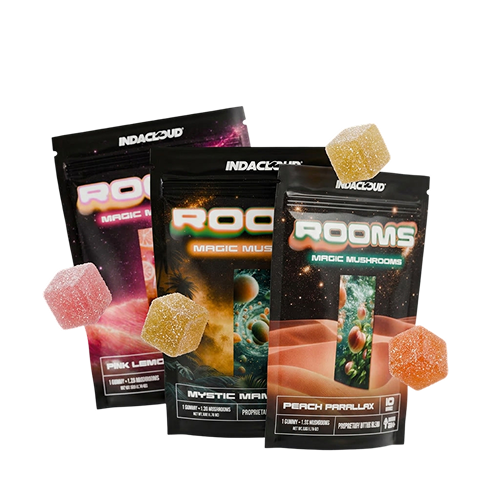
IndaCloud offers multiple edible formats including gummies, cookie bites, cereal bites, and popping crystals across Delta 9, Delta 8, and THCa options, making it easier to experiment with different formulations and absorption profiles until you find what works for your body.

Choosing products with clear per-serving THC labeling also helps prevent over-consumption or under-dosing, particularly for newer consumers still calibrating their ideal amount.

When Should You Consider Sublingual or Alternative Delivery?

You should consider sublingual or alternative delivery when edibles consistently fail despite adjusting dose, format, and cannabinoid type. Sublingual tinctures bypass first-pass liver metabolism by absorbing directly through mucous membranes under the tongue, which significantly changes the pharmacokinetic profile. According to a 2022 review in PubMed Central, inhaled THC bioavailability ranges from 10% to 35%, while ingested THC bioavailability sits at only 4% to 12%. Sublingual delivery falls between these ranges, offering faster onset than edibles without requiring inhalation. For individuals whose liver enzymes metabolize THC too rapidly or whose GI absorption is compromised, sublingual products, vaporizers, or topicals provide viable pathways to consistent cannabinoid effects.

With these alternative approaches identified, choosing lab-tested products from trusted sources ensures each method delivers reliably.

How Can You Choose Edibles That Actually Deliver Results?

You can choose edibles that actually deliver results by prioritizing lab-tested products, matching the format to your body’s needs, and starting with a low dose. The following sections cover how IndaCloud supports that process and the key takeaways from this guide.

Can IndaCloud’s Lab-Tested Hemp Edibles Help You Find What Works?

Yes, IndaCloud’s lab-tested hemp edibles can help you find what works by removing one of the biggest barriers to a reliable experience: product inconsistency. Every IndaCloud edible undergoes third-party testing for potency and purity, so the dose listed on the label reflects what is actually inside. This matters because, as a 2024 study published in Frontiers in Pharmacology found, 74% of 202 CBD products tested deviated from their label claim by at least 10%.

IndaCloud offers a wide range of edible formats, including gummies, cookie bites, cereal bites, and popping crystals, across multiple cannabinoid types such as Delta 9, Delta 8, and THCa. That variety makes it easier to experiment with different formulations until you identify one that aligns with your metabolism and goals. With over 250,000 verified customers and support from a team of 35 cannabis experts, IndaCloud provides the transparency and guidance that trial-and-error demands.

What Are the Key Takeaways About Why Edibles Don’t Work?

The key takeaways about why edibles don’t work center on biology, product quality, and timing. Edible response varies widely between individuals because of differences in metabolism, liver enzyme activity, genetic polymorphisms, and endocannabinoid system sensitivity. Oral THC bioavailability ranges from just 4% to 12%, making dose precision and absorption conditions critical.

The most actionable lessons from this guide are:

  • Eating edibles with high-fat foods can increase cannabinoid absorption by two to three-fold.
  • Starting with 5 mg THC and waiting at least two hours before redosing prevents overconsumption.
  • Choosing lab-tested products from transparent brands eliminates mislabeling as a variable.
  • Genetic differences in CYP enzymes and cannabinoid receptors mean no single dose works for everyone.
  • Switching edible formats, cannabinoid types, or delivery methods may resolve persistent non-response.

If standard edibles consistently fall short, the issue is rarely a single cause. For most people, combining dietary timing adjustments with verified, properly dosed products produces the most reliable improvement.

Picture of Josh Bertini

Josh Bertini

Related Articles

×
 
Why Choose to Autoship?
  • Automatically re-order your favorite products on your schedule.
  • Easily change the products or shipping date for your upcoming Scheduled Orders.
  • Pause or cancel any time.