THCA is a non-psychoactive cannabinoid acid found in raw cannabis that converts to psychoactive THC only when exposed to heat through decarboxylation. Its effects on your body and mind depend entirely on whether the compound remains in its raw acidic form or undergoes this chemical conversion.
We cover THCA’s molecular identity and how it differs from THC, its emerging therapeutic benefits, known side effects and safety risks, how it interacts with the endocannabinoid system, the way different consumption methods shape your experience, and the legal and quality factors that affect product selection.
THCA’s core distinction from THC lies in a carboxylic acid group that prevents direct CB1 receptor activation. Instead of binding strongly to cannabinoid receptors, THCA operates primarily through PPARγ pathway activation, which explains its potential anti-inflammatory and neuroprotective properties without intoxication.
Preclinical research points to benefits spanning neuroprotection, inflammation reduction, nausea relief, pain modulation, and seizure management. However, anticonvulsant results have been inconsistent across models, and nearly all evidence comes from animal studies rather than controlled human trials.
Side effects include digestive discomfort, mild drowsiness, and dose-dependent reactions at higher servings. The most significant risk is unintentional conversion to THC through heat, which triggers psychoactive effects and can cause positive drug test results.
Consumption method determines everything from bioavailability to psychoactivity. Raw intake preserves THCA’s non-psychoactive form at 6% to 20% bioavailability, while smoking instantly decarboxylates the compound at temperatures exceeding 1,400°F.
Federal legality currently hinges on delta-9 THC thresholds under the 2018 Farm Bill, but an amended definition taking effect in late 2026 will include THCA in total THC calculations. Choosing retailers that provide third-party lab verification ensures both compliance and product quality.
What Is THCA and How Does It Differ from THC?
THCA is a non-psychoactive cannabinoid acid found in raw cannabis that becomes THC only when exposed to heat. The key structural difference is a carboxylic acid group attached to THCA, which prevents it from producing intoxicating effects. The sections below explain how decarboxylation triggers this conversion and why THCA dominates the living plant.
What Happens to THCA During Decarboxylation?
THCA converts into the psychoactive compound THC during decarboxylation. According to a study published in the National Center for Biotechnology Information, decarboxylation is a chemical reaction that removes a carboxyl group from THCA and releases carbon dioxide, leaving behind the active THC molecule.
Researchers study the kinetics of this reaction to optimize THCA-to-THC conversion for both commercial and medical applications. Even laboratory testing methods trigger the process; Gas Chromatography-Mass Spectrometry heats samples enough to cause decarboxylation, requiring a post-testing calculation to determine original THCA content. This instability is precisely what makes storage conditions and consumption method so critical for anyone using THCA products.
How Is THCA Naturally Present in Raw Cannabis?
THCA is naturally present in raw cannabis as the plant’s primary cannabinoid acid. The living cannabis plant synthesizes tetrahydrocannabinolic acid directly; THC itself does not exist in meaningful quantities until heat is applied. Every freshly harvested bud is dominated by THCA rather than THC.
This distinction carries significant regulatory weight. An amended provision in federal legislation now defines hemp based on total THC concentration, including THCA, at not more than 0.3 percent on a dry weight basis. Conservative industry estimates suggest the THCA market could reach $2 to $3 billion by 2028, driven largely by consumer interest in raw cannabinoid wellness products. For anyone exploring THCA’s effects, understanding that the compound starts in this non-psychoactive acidic form is the essential first step.
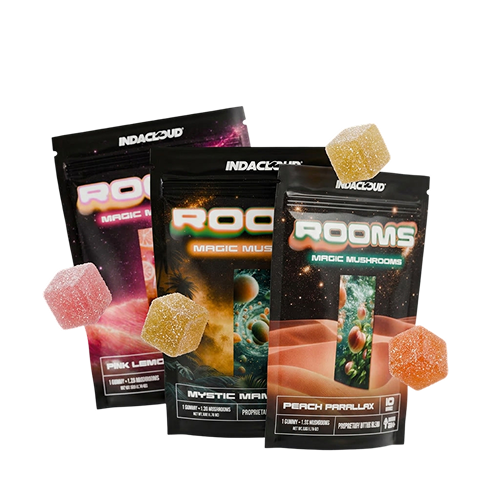
As this market expands, brands like IndaCloud have emerged to meet consumer demand with lab-tested THCA flower and products that maintain federal compliance while delivering consistent quality.
What Are the Potential Benefits of THCA?
The potential benefits of THCA span anti-inflammatory, neuroprotective, antiemetic, analgesic, and anticonvulsant properties. Each benefit operates through distinct molecular pathways, primarily involving PPARγ receptor activation and partial cannabinoid receptor interaction.

How Does THCA Affect Inflammation in the Body?
THCA affects inflammation in the body by targeting PPARγ and CB1 receptor signalling pathways. This dual mechanism allows THCA to modulate inflammatory responses at the cellular level without producing psychoactive effects. Because THCA retains its carboxylic acid group in raw form, it interacts with peroxisome proliferator-activated receptor gamma (PPARγ) as a partial agonist, helping regulate immune cell activity and inflammatory cytokine production.
Early preclinical findings point toward applications in joint inflammation and autoimmune conditions, though human clinical trials remain limited. For anyone exploring cannabinoid wellness, THCA’s anti-inflammatory pathway represents one of the most promising areas of ongoing research.
Can THCA Help with Nausea and Appetite?
THCA can potentially help with nausea and appetite regulation through its activity as a PPARγ ligand agonist. Δ9-THCA-A acts as a partial PPARγ ligand agonist with low adipogenic activity, according to research published in Molecular and Cellular Endocrinology. This receptor pathway influences metabolic function and gastrointestinal signalling, which may explain anecdotal reports of reduced nausea among raw cannabis users.
Notably, cannabinoid-based pharmaceuticals have documented gastrointestinal effects. However, THCA’s non-psychoactive profile and distinct receptor activity suggest it may offer antiemetic support without the side effects associated with THC-containing formulations. More targeted human studies on isolated THCA are needed before definitive claims can be made.
What Are the Potential Neuroprotective Properties of THCA?
The potential neuroprotective properties of THCA center on its potent PPARγ agonist activity. Research published in the British Journal of Pharmacology demonstrated that Δ9-THCA, through a PPARγ-dependent pathway, was neuroprotectant in mice intoxicated with 3-nitropropionic acid, improving motor deficits and preventing striatal degeneration.
PPARγ activation reduces neuroinflammation and oxidative stress, two key drivers of neurodegenerative conditions such as Huntington’s disease and Parkinson’s disease. Because THCA does not produce intoxication in its raw acidic form, it offers a compelling candidate for neuroprotective therapies where cognitive clarity must be preserved. This area of research is still preclinical, yet the mechanistic data is encouraging.
How Might THCA Support Pain Management?
THCA might support pain management through its anti-inflammatory activity and indirect modulation of the endocannabinoid system. By targeting PPARγ receptors and exhibiting measurable, though modest, cannabinoid receptor binding, THCA can influence pain signalling pathways without producing the psychoactive effects of THC.
The “entourage effect” theory suggests cannabinoids and terpenes work together to produce more significant therapeutic outcomes than any single compound alone. This means THCA consumed alongside other naturally occurring cannabis compounds may enhance analgesic potential. For individuals seeking non-intoxicating options, raw THCA products represent a practical starting point, though consulting a healthcare provider before use is always advisable.
Can THCA Play a Role in Seizure Reduction?
THCA can potentially play a role in seizure reduction, though research results have been mixed. According to a study published in Cannabis and Cannabinoid Research, THCA showed anticonvulsant efficacy in certain animal models; however, highly pure Δ9-THCA did not affect hyperthermia-induced seizures in Scn1a+/− mice, while a Δ9-THCA/Δ9-THC mixture was anticonvulsant in the 6-Hz threshold test.
THCA-A displayed small but measurable binding at both hCB1 and hCB2 receptors, with approximate Ki values of 3.1μM and 12.5μM respectively. THC showed 62-fold greater affinity at hCB1. This limited receptor engagement may explain why THCA’s anticonvulsant profile varies across seizure models, making stabilization of the compound essential for further drug development.
Understanding THCA’s therapeutic potential sets the stage for examining how it interacts with the endocannabinoid system.
How Does THCA Interact with the Endocannabinoid System?
THCA interacts with the endocannabinoid system primarily through indirect pathways rather than direct cannabinoid receptor binding. Unlike THC, which strongly activates CB1 and CB2 receptors, THCA shows minimal affinity for these receptors and instead influences the body through alternative molecular targets like PPARγ.
According to a study published in Cannabis and Cannabinoid Research, THCA-A displayed approximate Ki values of 3.1μM at hCB1 and 12.5μM at hCB2, while THC showed 62-fold greater affinity at hCB1 and 125-fold greater affinity at hCB2. This weak binding profile explains why THCA lacks the psychoactive cannabimimetic effects associated with THC.
Rather than relying on traditional cannabinoid receptors, THCA operates through PPARγ activation, a nuclear receptor pathway involved in inflammation regulation, neuroprotection, and cellular metabolism. This distinction matters because it means THCA can influence the body’s broader signaling networks without triggering the intoxicating response that CB1 activation produces. For anyone exploring raw cannabinoid options, understanding this receptor-level difference helps clarify why THCA behaves so differently from its heated counterpart.
Consumers seeking non-psychoactive THCA products can find options through retailers like IndaCloud, which specializes in hemp-derived cannabinoids organized by desired effect and backed by comprehensive third-party testing.

What Are the Known Side Effects of THCA?
The known side effects of THCA include digestive discomfort, mild drowsiness, and dose-dependent reactions when consumed in excess. The subsections below cover gastrointestinal issues, fatigue, and what overconsumption looks like.
What Digestive Side Effects Can THCA Cause?
THCA can cause digestive side effects such as nausea, bloating, and mild stomach discomfort, particularly when consumed orally in raw form. The digestive tract breaks down raw cannabinoids inefficiently; oral THCA bioavailability sits around 6% to 20% due to first-pass metabolism, according to Primary Jane. This low absorption rate means much of the compound passes through the gut, which can irritate sensitive stomachs. Consuming THCA with food or in smaller portions often reduces these effects. For anyone with a history of gastrointestinal sensitivity, starting with minimal doses is the most practical approach to gauge personal tolerance before increasing intake.
Can THCA Cause Drowsiness or Fatigue?
Yes, THCA can cause drowsiness or fatigue in some users, especially at higher servings. While THCA lacks the psychoactive intensity of THC, it still interacts with physiological pathways that influence relaxation and energy levels. Individuals who are new to cannabinoids or naturally sensitive to plant compounds may notice mild sedation after consumption. This effect tends to be more pronounced in the evening or when combined with other calming supplements. If alertness is a priority, using THCA earlier in the day and monitoring how your body responds helps identify the threshold where fatigue begins.
What Happens If You Take Too Much THCA?
Taking too much THCA can intensify side effects like nausea, stomach cramping, and pronounced drowsiness. Because THCA is non-psychoactive in its raw form, overconsumption rarely produces the intense impairment associated with THC. However, any unintentional heat exposure during storage or preparation can convert THCA into THC, creating unexpected psychoactive effects. This risk becomes more significant as regulations evolve; according to Arnold & Porter, a Continuing Resolution set to take effect in late 2026 will redefine hemp based on total THC content, including THCA. Responsible dosing, starting low and adjusting gradually, remains the safest strategy for avoiding uncomfortable reactions.
With side effects understood, the next section examines the broader risks associated with THCA use.
What Are the Potential Risks of Using THCA?
The potential risks of using THCA center on its conversion to psychoactive THC, drug test complications, possible medication interactions, and insufficient safety data for vulnerable populations. The following subsections cover each risk category.
Does THCA Convert to THC When Heated or Smoked?
THCA converts to THC when heated or smoked. Applying heat triggers decarboxylation, a chemical reaction that strips the carboxyl group from THCA and produces psychoactive delta-9 THC. When you smoke or vape THCA flower, cannabinoids travel straight to the lungs and pass into the bloodstream almost instantly, according to The Clear Brands. This rapid absorption means any product labeled as “non-psychoactive THCA” becomes fully psychoactive the moment it is lit or vaped. According to USDA lab testing guidelines, total THC concentration must account for the potential conversion of THCA into THC. Consumers who assume THCA products will remain non-intoxicating after heating face a significant and often underestimated risk.
Can THCA Cause a Positive Drug Test Result?
THCA can cause a positive drug test result. Standard workplace drug tests screen for an inactive THC metabolite in urine, not for THC itself, so a positive result does not confirm impairment or recent use. Because THCA converts to THC through heat exposure, smoking or vaping THCA products generates the same metabolites that trigger a positive screen. Even without combustion, residual THCA may appear in biological samples. A study published in the Journal of Analytical Toxicology found that THCA was detectable in 21 of 26 oral fluid samples previously reported positive for THC, with concentrations ranging from 10 pg/mL to 142 pg/mL. Anyone subject to workplace or legal drug screening should treat THCA products as a genuine testing risk.
Are There Risks of THCA Interacting with Medications?
There are risks of THCA interacting with medications, though research remains limited. Cannabinoids are metabolized by cytochrome P450 liver enzymes, the same enzyme family responsible for processing many common pharmaceuticals. This overlap creates the potential for altered drug metabolism, which could either increase side effects or reduce a medication’s effectiveness. According to a review published in Drug and Alcohol Dependence, short-term use of existing medical cannabinoids appeared to increase the risk of nonserious adverse events, while the risks associated with long-term use were poorly understood. Until more targeted studies on THCA isolate exist, consulting a healthcare provider before combining THCA with prescription medications is the most prudent approach.
Is THCA Safe to Use During Pregnancy or Nursing?
THCA safety during pregnancy or nursing has not been established. No clinical trials have evaluated THCA’s effects on fetal development, placental transfer, or breast milk composition. Major health organizations, including the American College of Obstetricians and Gynecologists, advise against all cannabis use during pregnancy and lactation due to potential neurodevelopmental risks to the child. Because THCA readily converts to THC with minimal heat exposure, the boundary between a “non-psychoactive” cannabinoid and a psychoactive one is unreliable in real-world use. Until peer-reviewed safety data specific to THCA becomes available, pregnant and nursing individuals should avoid these products entirely. Understanding these risk categories helps inform broader decisions about who should and should not use THCA.
Who Should Avoid Using THCA Products?
People who should avoid using THCA products include pregnant or nursing individuals, those taking medications metabolized by the liver, anyone subject to workplace drug testing, and people with a history of substance use disorders. Each group faces specific risks that outweigh potential benefits.
- Pregnant or nursing individuals: No clinical safety data exists for THCA use during pregnancy or lactation. Because THCA can convert to psychoactive THC through heat or partial decarboxylation, even incidental exposure introduces risk to fetal or infant development.
- People on prescription medications: According to a 2008 systematic review published in Drug and Alcohol Dependence, short-term use of existing medical cannabinoids appeared to increase the risk of nonserious adverse events, while long-term risks remained poorly understood. Cannabinoids may alter how the liver processes certain drugs, particularly blood thinners, anti-seizure medications, and immunosuppressants.
- Individuals facing drug testing: THCA metabolizes into THC-COOH, the same metabolite that standard urine panels detect. Even raw THCA consumption without heating can trigger a positive result.
- Minors under 21: Developing brains are more vulnerable to cannabinoid exposure. No regulatory body has approved THCA supplementation for minors.
- People with cardiovascular conditions or severe anxiety disorders: THC conversion from heated THCA products may elevate heart rate or intensify anxiety symptoms in susceptible individuals.
For anyone in these categories, the most responsible step is consulting a healthcare provider before using any THCA product. Understanding how different consumption methods affect your body helps clarify these risks further.
What Does Current Research Say About THCA’s Effectiveness?
Current research on THCA’s effectiveness reveals promising but preliminary findings. Studies highlight neuroprotective and anti-inflammatory properties, though most evidence comes from preclinical models rather than large-scale human trials. Key areas of investigation include receptor interactions, seizure management, and the entourage effect.
How Does THCA Interact with Cannabinoid Receptors?
THCA interacts with cannabinoid receptors at significantly lower affinity than THC. A study published in Cannabis and Cannabinoid Research found that THCA-A displayed approximate Ki values of 3.1μM at hCB1 and 12.5μM at hCB2, while THC showed 62-fold greater affinity at hCB1 and 125-fold greater affinity at hCB2. The researchers concluded that THCA-A has little affinity or efficacy at CB1 or CB2.
Instead of acting through cannabinoid receptors directly, THCA appears to work through alternative pathways. Research published in the British Journal of Pharmacology identified THCA as a potent PPARγ agonist with neuroprotective activity. This PPARγ-dependent mechanism distinguishes THCA from THC and may explain its therapeutic potential without psychoactive effects.
What Has Preclinical Research Revealed About THCA’s Neuroprotective Potential?
Preclinical research has revealed that THCA’s neuroprotective potential operates primarily through PPARγ activation. In a study published in the British Journal of Pharmacology, Δ9-THCA improved motor deficits and prevented striatal degeneration in mice intoxicated with 3-nitropropionic acid, working through a PPARγ-dependent pathway.
Beyond neuroprotection, THCA has shown additional biological activity in laboratory settings. Separate research in Molecular and Cellular Endocrinology found that Δ9-THCA-A enhances osteoblastogenesis in bone marrow-derived mesenchymal stem cells, suggesting possible applications beyond the nervous system. These findings remain early-stage, and no human clinical trials have confirmed equivalent effects.
What Do Studies Say About THCA and Seizure Management?
Studies on THCA and seizure management show mixed results that depend heavily on experimental conditions. Research published in Cannabis and Cannabinoid Research observed both anticonvulsant and proconvulsant effects of Δ9-THCA across different seizure models. Highly pure Δ9-THCA did not affect hyperthermia-induced seizures in Scn1a+/− mice, yet a Δ9-THCA/Δ9-THC mixture was anticonvulsant in the 6-Hz threshold test.
The same study noted that THCA’s anticonvulsant profile was variable depending on the seizure model and the presence of Δ9-THC. Researchers concluded that formal anticonvulsant drug development with THCA is problematic without stabilization, given the compound’s unstable nature. This instability remains one of the biggest hurdles for advancing THCA into clinical seizure research.
Why Is More Clinical Research on THCA Needed?
More clinical research on THCA is needed because nearly all existing evidence comes from animal models and in vitro studies, not controlled human trials. The compound’s chemical instability complicates standardized dosing, and its tendency to convert into THC during storage or testing makes isolating THCA-specific effects difficult in real-world conditions.
The entourage effect adds another layer of complexity. According to a review published by the National Center for Biotechnology Information, cannabinoids and terpenes may work together to produce more significant therapeutic effects than any single compound alone. This makes it challenging to attribute observed benefits solely to THCA. Until large-scale, randomized human trials address these variables, THCA’s therapeutic claims remain scientifically promising but clinically unconfirmed.
Understanding where the research stands helps frame how different consumption methods may influence the effects you actually experience.
How Do Different THCA Consumption Methods Affect You?
Different THCA consumption methods affect you based on whether heat is applied and how your body absorbs the compound. Raw methods preserve THCA’s non-psychoactive form, while heated methods convert it to THC. The sections below cover raw consumption, tinctures and oils, edibles, and smoking or vaping.

What Are the Effects of Consuming Raw THCA?
The effects of consuming raw THCA are non-psychoactive, since no heat is applied to trigger decarboxylation. Eating raw cannabis in smoothies, juices, or salads delivers THCA directly to the digestive system without converting it to THC. According to Primary Jane, the bioavailability of raw hemp THCA is much lower, around 6% to 20%, due to the digestive process and first-pass metabolism. This means most of the compound breaks down before reaching systemic circulation. For anyone seeking THCA’s potential wellness properties without any psychoactive effect, raw consumption is the most straightforward option, though the low absorption rate requires higher quantities to achieve meaningful intake.
What Are the Effects of THCA Through Tinctures and Oils?
The effects of THCA through tinctures and oils depend on administration method. Sublingual application, where drops are held under the tongue, allows THCA to absorb through mucous membranes and bypass first-pass liver metabolism. This route provides quicker onset and higher bioavailability compared to oral administration, as noted by Recovered. Swallowing tinctures directly behaves more like an edible, routing through the digestive tract and reducing absorption efficiency. Tinctures also offer precise dosing control through graduated droppers. Because sublingual delivery avoids the heat that triggers decarboxylation, THCA remains in its acidic, non-psychoactive form throughout absorption. This makes tinctures a practical middle ground between raw consumption and heated methods.
What Are the Effects of THCA in Edible Form?
The effects of THCA in edible form vary based on preparation temperature. Edibles made without significant heat, such as cold-pressed capsules, preserve THCA in its non-psychoactive state. However, baked or cooked edibles expose THCA to temperatures that trigger decarboxylation, converting it to psychoactive THC. According to Healthline, edibles take longer than smoking or vaping to kick in, typically around 30 to 60 minutes, with onset time depending on multiple factors including metabolism, body composition, and stomach contents. The oral bioavailability of THC from edibles falls between just 4% and 12%, meaning the body absorbs only a fraction of what is ingested. Patience with dosing is essential to avoid overconsumption.
What Are the Effects of Smoking or Vaping THCA Flower?
The effects of smoking or vaping THCA flower are psychoactive because heat instantly converts THCA to THC. Smoking reaches temperatures of 1,400 to 1,600°F, instantly decarboxylating THCA into its active form. Once inhaled, cannabinoids travel through the lungs into the bloodstream almost immediately, producing rapid onset effects. Vaping operates at lower temperatures but still exceeds the decarboxylation threshold.
Key considerations for this method include:
- Inhaled THC bioavailability ranges between 10% and 35%, significantly higher than oral routes.
- Peak blood concentration occurs within 6 to 10 minutes after inhalation.
- A PLOS ONE study found that actual THC potency of cannabis flower was, on average, 23.1% to 35.6% lower than product label claims.
This potency discrepancy makes third-party lab testing essential when selecting THCA flower products. Understanding how consumption method shapes both onset and intensity helps you choose the right approach for your goals.
Is THCA Legal Across the United States?
THCA is legal at the federal level when derived from hemp containing no more than 0.3% delta-9 THC on a dry weight basis, but this legal framework is changing. The current rules, upcoming federal amendments, and state-level variations all shape THCA’s legal status.
The 2018 Farm Bill created the foundation for legal hemp-derived THCA. According to the Congressional Research Service, this legislation federally legalized hemp by defining it as cannabis containing not more than 0.3% delta-9 THC on a dry weight basis. Because that threshold measured only delta-9 THC, not total THC, products high in THCA but low in delta-9 THC technically qualified as legal hemp. This distinction allowed THCA flower and concentrates to enter the market through what many consider a regulatory gap.
That gap is closing. A Continuing Resolution set to take effect in late 2026 will redefine hemp based on total THC content, including THCA, not just delta-9 THC. Under this amended definition, hemp must contain a total THC concentration, including tetrahydrocannabinolic acid, of not more than 0.3 percent on a dry weight basis. Products currently sold as high-THCA hemp could be reclassified as marijuana under federal law once this provision takes effect.
State laws add another layer of complexity. Some states have already adopted total-THC testing frameworks that effectively restrict high-THCA products, while others still follow the original delta-9-only threshold. Consumers should verify their state’s specific regulations before purchasing.
For anyone considering THCA products, this regulatory shift matters practically. The USDA requires that analytical testing of hemp samples must use post-decarboxylation or similarly reliable methods that consider the potential conversion of THCA into THC. This means testing already accounts for THCA’s psychoactive potential, even if the current legal definition does not.
Staying informed about both federal timelines and state-specific rules is essential for anyone using or selling THCA products. With quality THCA products, understanding how to verify compliance becomes just as important as understanding the compound itself.
How Can You Choose Quality THCA Products from Trusted Retailers?
You can choose quality THCA products from trusted retailers by verifying third-party lab testing, confirming federal compliance, and selecting brands with transparent sourcing. The following sections cover how Inda Cloud fits into a wellness routine and the key takeaways from THCA research.
Can IndaCloud’s Hemp-Derived THCA Products Fit Your Wellness Routine?
Yes, IndaCloud’s hemp-derived THCA products can fit your wellness routine. Inda Cloud offers lab-tested THCa flower, edibles, and vapes that are 100% federally legal, containing less than 0.3% delta-9 THC. Every batch undergoes comprehensive third-party testing for cannabinoid potency and contaminant screening, so you can verify exactly what you’re consuming.
IndaCloud organizes products by desired effect, such as relaxation, energy, or focus, making it straightforward to match a product to your daily needs. With over 250,000 verified customers and a team of over 35 cannabis experts backing product development, the brand prioritizes both quality and accessibility. As regulatory frameworks evolve, according to a 2025 Arnold & Porter advisory, the FDA has stated that a new regulatory framework is needed for hemp-derived products, citing safety concerns with existing pathways. Choosing a retailer that already emphasizes transparency positions you well for these shifts.
What Are the Key Takeaways About THCA Effects, Benefits, Side Effects, and Risks?
The key takeaways about THCA effects, benefits, side effects, and risks center on its non-psychoactive nature, emerging therapeutic potential, and the importance of cautious use.
- THCA lacks cannabimimetic effects and has little binding affinity at CB1 receptors, meaning it does not produce a high when consumed raw.
- Preclinical research shows neuroprotective and anti-inflammatory potential through PPARγ pathway activation.
- Anticonvulsant effects remain inconsistent; as published in Cannabis and Cannabinoid Research, Δ9-THCA showed mixed anticonvulsant and proconvulsant effects depending on the seizure model, with purified Δ9-THCA alone having no effect in several tests.
- Cannabinoid use is broadly associated with gastrointestinal adverse effects, including nausea, diarrhea, and abdominal pain.
- Heating THCA converts it to psychoactive THC, which carries additional risks including positive drug test results.
For anyone exploring THCA, prioritizing products with verified Certificates of Analysis and starting with conservative doses remains the most practical approach to balancing potential benefits against known risks.