


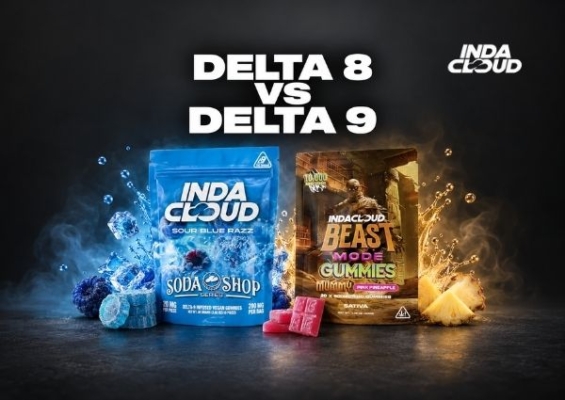
Delta 8

Delta 8 vs Delta 9: Complete Comparison
Let’s dive into the worlds of delta 8 and delta 9 THC. Delta 9…
Learn more
You must be 21+ to enter this site
 FREE SHIPPING $89+
 FREE GIFT ON $120+
 100% FEDERALLY LEGAL
 LAB TESTED FOR PURITY
FREE SHIPPING $89+
FREE GIFT ON $120+
100% FEDERALLY LEGAL
LAB TESTED FOR PURITY
FREE SHIPPING $89+
FREE GIFT ON $120+
100% FEDERALLY LEGAL
LAB TESTED FOR PURITY
FREE SHIPPING $89+
FREE GIFT ON $120+
100% FEDERALLY LEGAL
LAB TESTED FOR PURITY
FREE SHIPPING $89+
FREE GIFT ON $120+
100% FEDERALLY LEGAL
LAB TESTED FOR PURITY
FREE SHIPPING $89+
FREE GIFT ON $120+
100% FEDERALLY LEGAL
LAB TESTED FOR PURITY
FREE SHIPPING $89+
FREE GIFT ON $120+
100% FEDERALLY LEGAL
LAB TESTED FOR PURITY
FREE SHIPPING $89+
FREE GIFT ON $120+
100% FEDERALLY LEGAL
LAB TESTED FOR PURITY
LAB TESTED FOR PURITY
FREE SHIPPING $89+
FREE GIFT ON $120+
100% FEDERALLY LEGAL
LAB TESTED FOR PURITY
FREE SHIPPING $89+
FREE GIFT ON $120+
100% FEDERALLY LEGAL
LAB TESTED FOR PURITY
FREE SHIPPING $89+
FREE GIFT ON $120+
100% FEDERALLY LEGAL
LAB TESTED FOR PURITY
FREE SHIPPING $89+
FREE GIFT ON $120+
100% FEDERALLY LEGAL
LAB TESTED FOR PURITY
FREE SHIPPING $89+
FREE GIFT ON $120+
100% FEDERALLY LEGAL
LAB TESTED FOR PURITY
FREE SHIPPING $89+
FREE GIFT ON $120+
100% FEDERALLY LEGAL
LAB TESTED FOR PURITY
FREE SHIPPING $89+
FREE GIFT ON $120+
100% FEDERALLY LEGAL
LAB TESTED FOR PURITY

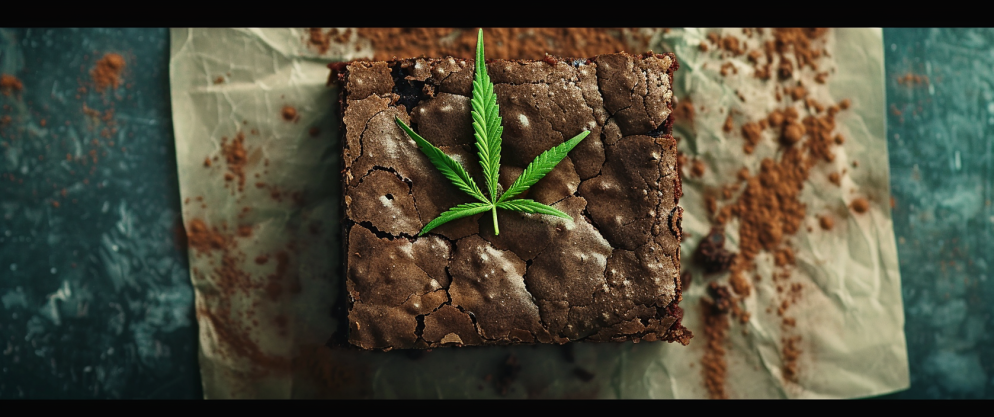
Can Delta 8 Be Used in Baking
Have you ever wondered if Delta 8, a famous cannabinoid, can be used in baking?
In this article, we will discuss can Delta 8 be used in baking, dosages to consider, and the benefits of incorporating this compound into your baked goods.
Stay tuned to learn about baking with Delta 8 and whether it’s the right choice for your culinary creations.
Delta 8 is a cannabinoid derived from the cannabis plant, similar in structure to tetrahydrocannabinol (THC) but with distinct chemical properties that offer unique effects.
Though Delta 8 shares similarities with THC, it has a milder psychoactive profile, making it more appealing to some users. This cannabinoid is typically found in smaller concentrations within the cannabis plant, requiring specialized extraction methods to isolate it.
Delta 8 THC (tetrahydrocannabinol) is a cannabinoid similar to Delta 9 THC but with a slightly altered chemical structure, which leads to different effects on the body. Understanding its chemical properties and interactions is crucial in terms of baking with Delta 8 THC.
When baking with Delta 8 THC, there are several practical considerations to ensure you achieve the desired potency and consistency across different recipes:
Delta 8, a cannabinoid similar to tetrahydrocannabinol (THC), has gained popularity for its potential incorporation into various culinary applications, including baking, despite regulatory scrutiny from the Food and Drug Administration.
Baking with Delta 8 involves a meticulous process. The cannabinoid is often infused into oil or butter, which is then incorporated into various recipes.
This infusion process starts by decarboxylating Delta 8 distillate to activate its effects. Then, it is gently mixed into the oil or butter over low heat, ensuring that the cannabinoids are evenly distributed. Careful temperature monitoring is crucial to preserve the potency of Delta 8. Once infused, this Delta 8 oil or butter can be used in various recipes, such as cookies, brownies, or cakes; maintaining dosing consistency is key to achieving desired effects with each bite.
Determining the correct dosage of Delta 8 in baking is crucial to ensure both the potency and safety of the final product for consumers.
When calculating the appropriate dose of Delta 8 for baking, factors such as the desired potency of the edibles and the serving size should be considered.
For example, if you’re making a batch of 24 cookies and want each cookie to contain around 10mg of Delta 8, you would need 240mg of Delta 8 for the entire batch. This ensures that each serving provides a consistent and enjoyable experience for the consumer.
Imagine the delightful aroma of freshly baked brownies infused with Delta 8 wafting through your kitchen and lifting your spirits with each inhale. Delta 8’s calming effects can promote a sense of relaxation, easing the burdens of a hectic day and allowing you to unwind in the most delicious way possible.
Incorporating Delta 8 into cookies or cakes can help boost your appetite, making meal times more enjoyable and satisfying. This cannabinoid has the potential to stimulate appetite while also providing a subtle mood lift, creating a harmonious balance in your daily routine.
Delta 8 is available in various forms, including distillates, tinctures, and edibles, providing consumers with multiple options for incorporating this cannabinoid into their routines.
Delta 8 distillate is a highly concentrated form of the cannabinoid, created through a chemical synthesis process to ensure maximum potency.
During the distillation process, impurities are removed, leaving behind a pure and potent end product. The purity of Delta 8 distillate is crucial, as it affects the overall quality and effectiveness of the product. Typically, this distillate contains over 90% Delta 8 THC, making it one of the strongest forms available.
Due to its high concentration, Delta 8 distillate is versatile and can be used in various applications, such as vaping, edibles, tinctures, and topicals. Its potency allows for a more personalized dosing experience, catering to individual preferences.
Proper handling and storage of Delta 8 distillate are essential to maintain its quality. It should be kept in a cool, dark place away from direct sunlight and heat. Storing it in an airtight container can help prevent oxidation and degradation over time, ensuring its longevity and efficacy.
Delta 8 tinctures are liquid extracts that offer a convenient and precise way to dose and consume the cannabinoid, often in packaging with labeled droppers for easy measurement.
One key benefit of Delta 8 tinctures is their versatility in usage. Whether you want to incorporate them into your daily routine or enhance your culinary creations, these tinctures provide a seamless way to experience the potential therapeutic effects of Delta 8.
Regarding consumption, measuring the correct dosage to ensure optimal results and avoid any unwanted effects is crucial. Proper packaging and labeling play a significant role in this process, guiding consumers on the appropriate amount needed for their desired experience. By following dosage instructions and utilizing well-labeled droppers, users can easily tailor their intake for consistent and safe consumption.
Delta 8 edibles, which include products like candy and chocolate, offer a tasty and convenient way for consumers to enjoy the effects of this cannabinoid.
These edibles have gained popularity due to their discreet nature and ease of consumption, making them ideal for individuals looking for a more socially acceptable method of consumption. Some of the most preferred forms of Delta 8 edibles are gummies, chocolates, and baked goods, with each offering a different experience and flavor profile.
Delta 8 edibles can be easily integrated into various recipes, allowing consumers to incorporate them into their favorite dishes or desserts. Many enjoy experimenting with homemade edibles by infusing them with Delta 8 extracts to create unique and personalized treats.
For those seeking alternatives to baking with Delta 8, there are various methods to incorporate this cannabinoid into culinary creations, using different ingredients and infusion techniques.
One popular way to consume Delta 8 is through tinctures, liquid extracts that can be taken sublingually for faster absorption. Topical creams infused with Delta 8 have gained popularity for their potential soothing properties when applied directly to the skin.
Along with Delta 8, other unique ingredients, such as mushrooms, fruits, and various types of sugar and flour, can enhance baking recipes.
Experimenting with different ingredients can increase your baked goods. Consider incorporating umami-rich mushrooms like shiitake or porcini into bread or pastry fillings for a savory twist. Berries, citrus, or even tropical fruits like mango can add freshness and natural sweetness to cakes or muffins.
When choosing sugar and flour, opt for alternatives like coconut sugar or almond flour for a healthier take on traditional recipes. These substitutes bring unique flavors and offer potential benefits such as lower glycemic index and higher nutritional value.
Incorporating Delta 8 THC into baking recipes involves a straightforward infusion process. Here’s a step-by-step guide to infuse Delta 8 THC into baking ingredients, along with recipe examples and tips for achieving the desired effects:
Baking with Delta 8 involves several safety concerns, including potential adverse events, contamination risks, and the importance of following guidelines to ensure safe consumption.
Baking with Delta 8 can result in side effects such as vomiting, changes in appetite, and increased stress if not adequately dosed and consumed.
Understanding that each individual may react differently to Delta 8 edibles is crucial. To minimize the risk of adverse effects, starting with a low dose and gradually increasing as needed is recommended. Keeping track of how your body responds to Delta 8 can help you find the right balance for your unique biochemistry.
Consuming Delta 8 edibles on an empty stomach can increase the likelihood of experiencing negative side effects. Eat a balanced meal before ingesting Delta 8 to help regulate absorption and minimize digestive discomfort.
The legal considerations of baking with Delta 8 are complex, involving regulations from the Food and Drug Administration and stipulations under the Agriculture Improvement Act of 2018.
Delta 8, a derivative of hemp, falls into a gray area legally due to the differing state regulations governing its production and sale. Under federal law, Delta 8 extracted from hemp is considered legal as long as it contains less than 0.3% Delta 9 THC. Some states have specific laws that either restrict or outright ban the use of Delta 8. The FDA plays a crucial role in regulating the marketing and labeling of Delta 8 products, ensuring consumer safety and accurate information. The Agriculture Improvement Act of 2018, also known as the Farm Bill, legalized the cultivation of hemp and its derivatives, opening up opportunities for the production and use of Delta 8 in various industries, including baking.
While Delta 8 presents an exciting opportunity for baking enthusiasts, consumers must approach its use with an understanding of the process, dosage, legal considerations, and safety concerns to ensure a positive and enjoyable experience.
Delta 8, a cannabinoid gaining popularity in culinary circles, offers a unique way to enhance baked goods with its potential for relaxation and mood enhancement. By being mindful of the dosage and infusion process, individuals can harness the benefits of Delta 8 without exceeding safe limits. It’s essential to stay informed about the legal aspects surrounding Delta 8 to avoid any regulatory issues. Consumers should prioritize their safety by purchasing Delta 8 products from reputable sources and verifying the lab testing for quality assurance.
If you like the idea of a baked good but you don’t have the time and energy to bake, check out IndaCloud’s baked good edibles or try our Birthday Cake Haze Vape.
Yes, Delta 8 is psychoactive, but its effects are less intense compared to Delta 9 THC, making it a more mild and manageable option.
Delta 8 can be used in baking by infusing it into oils or butter, which can be used as an ingredient in various recipes.
Delta 8’s legal status varies by state, so it’s important to check your state’s laws before using it in baking or any other form.
Let’s dive into the worlds of delta 8 and delta 9 THC. Delta 9…
Learn more
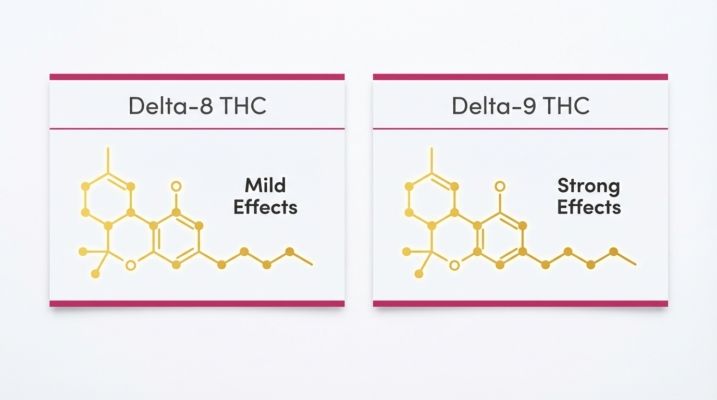
Delta-8 THC is a naturally occurring cannabinoid found in cannabis plants that produces milder…
Learn more
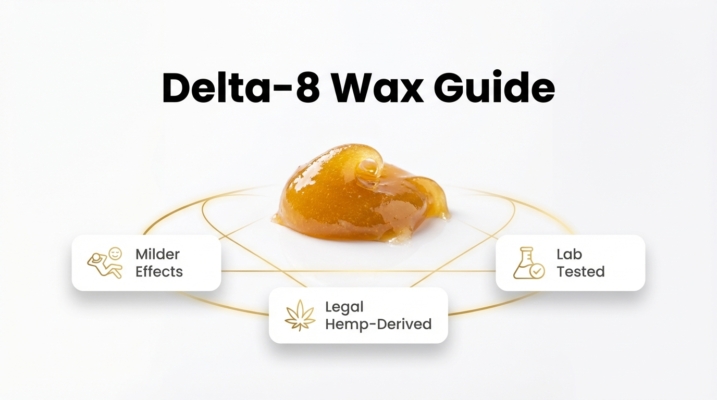
Delta-8 THC wax is a concentrated cannabis extract containing high levels of delta-8-tetrahydrocannabinol in…
Learn more
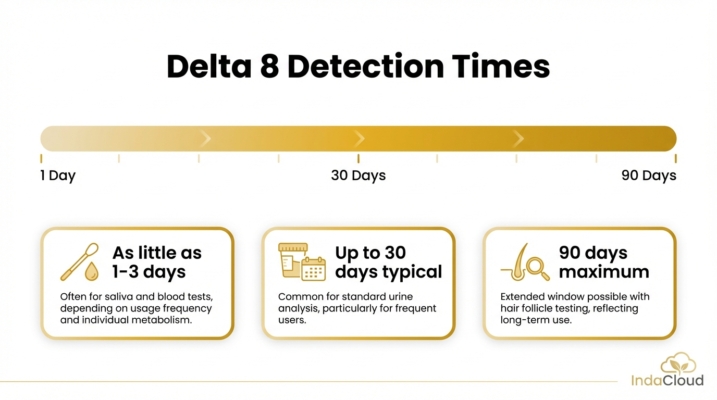
Delta-8 THC is a hemp-derived cannabinoid that stays in your system for as little…
Learn more
