



Delta 8

Delta 8 vs Delta 9: Complete Comparison
Let’s dive into the worlds of delta 8 and delta 9 THC. Delta 9…
Learn more
You must be 21+ to enter this site
 FREE SHIPPING $89+
 FREE GIFT ON $120+
 100% FEDERALLY LEGAL
 LAB TESTED FOR PURITY
FREE SHIPPING $89+
FREE GIFT ON $120+
100% FEDERALLY LEGAL
LAB TESTED FOR PURITY
FREE SHIPPING $89+
FREE GIFT ON $120+
100% FEDERALLY LEGAL
LAB TESTED FOR PURITY
FREE SHIPPING $89+
FREE GIFT ON $120+
100% FEDERALLY LEGAL
LAB TESTED FOR PURITY
FREE SHIPPING $89+
FREE GIFT ON $120+
100% FEDERALLY LEGAL
LAB TESTED FOR PURITY
FREE SHIPPING $89+
FREE GIFT ON $120+
100% FEDERALLY LEGAL
LAB TESTED FOR PURITY
FREE SHIPPING $89+
FREE GIFT ON $120+
100% FEDERALLY LEGAL
LAB TESTED FOR PURITY
FREE SHIPPING $89+
FREE GIFT ON $120+
100% FEDERALLY LEGAL
LAB TESTED FOR PURITY
LAB TESTED FOR PURITY
FREE SHIPPING $89+
FREE GIFT ON $120+
100% FEDERALLY LEGAL
LAB TESTED FOR PURITY
FREE SHIPPING $89+
FREE GIFT ON $120+
100% FEDERALLY LEGAL
LAB TESTED FOR PURITY
FREE SHIPPING $89+
FREE GIFT ON $120+
100% FEDERALLY LEGAL
LAB TESTED FOR PURITY
FREE SHIPPING $89+
FREE GIFT ON $120+
100% FEDERALLY LEGAL
LAB TESTED FOR PURITY
FREE SHIPPING $89+
FREE GIFT ON $120+
100% FEDERALLY LEGAL
LAB TESTED FOR PURITY
FREE SHIPPING $89+
FREE GIFT ON $120+
100% FEDERALLY LEGAL
LAB TESTED FOR PURITY
FREE SHIPPING $89+
FREE GIFT ON $120+
100% FEDERALLY LEGAL
LAB TESTED FOR PURITY


Does Delta 8 Cause Red Eyes
Are you curious about does Delta 8 cause red eyes?
We discuss the mechanism behind red eyes, the contributing factors, and Delta 8 and how it works. We also discuss Delta 8’s psychoactive and physical effects and potential side effects like dry mouth, drowsiness, and increased heart rate.
Stay tuned to learn about the safety of using Delta 8 and whether it can cause red eyes.
Delta 8 is a naturally occurring cannabinoid found in the cannabis plant, known for its milder psychoactive effects compared to Delta 9 THC.
One distinguishing feature of Delta 8 is its chemical structure, similar to Delta 9 THC but with a double bond on the 8th carbon chain rather than the 9th. This slight variation leads to differences in how the two cannabinoids interact with the endocannabinoid system in the human body.
Delta 8 is typically derived from the hemp plant and can also be produced by converting CBD into Delta 8 through isolation and purification techniques. This process allows for the extraction of pure Delta 8 for consumption.
Delta 8, a cannabinoid known for its psychoactive properties, has been associated with the phenomenon of red eyes, a condition often attributed to the dilation of blood vessels in the eyes, similar to the effects caused by its more famous counterpart, tetrahydrocannabinol (THC).
The mechanism behind red eyes due to Delta 8 involves the vasodilation of blood vessels, which increases blood flow and reduces intraocular pressure.
When Delta 8 is consumed, it interacts with the body’s endocannabinoid system, specifically targeting the CB1 receptors in the eyes’ blood vessels. This interaction triggers a cascade of events that ultimately result in the relaxation and widening of the blood vessels, known as vasodilation. This process increases the diameter of the blood vessels, allowing more blood to flow through them with less resistance.
Due to vasodilation, there is a surge in blood flow to the eyes, causing them to appear red due to the increased circulation. This increased blood flow also plays a role in reducing intraocular pressure, which can be beneficial for individuals with conditions such as glaucoma.
Several factors can exacerbate red eyes when using Delta 8, including exposure to smoke, wearing contact lenses, and underlying conditions such as allergies, eye diseases, or infections like conjunctivitis.
Smoke exposure, whether from cigarettes, wildfire smoke, or even vaping, can irritate the eyes, causing redness and discomfort. The chemicals in smoke can lead to irritation of the blood vessels in the eyes, making them appear red and watery. Wearing contact lenses for extended periods without proper cleaning or maintenance can also contribute to red eyes. The lenses may trap dirt, debris, or bacteria, leading to irritation and redness.
Allergies also play a significant role in causing red eyes. When allergens like pollen, dust, or pet dander come into contact with the eyes, the body’s immune response can trigger redness, itchiness, and swelling. Common eye diseases such as dry eye syndrome or glaucoma can result in red eyes due to inadequate tear production or increased pressure within the eye.
Red eyes are a common side effect associated with cannabis consumption, including Delta-8 THC. Here are some potential factors influencing this reaction:
Managing red eyes while using Delta-8 THC involves a combination of practical strategies and responsible usage habits. Here are some detailed tips:
Delta 8’s safety depends on various factors, including its legal status, potential risks, and recommended dosage, all of which consumers should carefully consider.
Delta 8’s legal status varies by region. The Food and Drug Administration and Drug Enforcement Administration provide guidelines, while individual state laws may differ.
At the federal level, the Food and Drug Administration (FDA) closely monitors the use and distribution of Delta 8 products to ensure compliance with safety and quality standards. Meanwhile, the Drug Enforcement Administration (DEA) regulates the production and sale of Delta 8 products to prevent abuse and misuse.
Each state has the authority to establish its regulations regarding Delta 8, leading to a patchwork of laws across the country. Consumers must be aware of the legal landscape in their specific state to avoid any potential legal issues.
The recommended dosage of Delta 8 should be determined in consultation with a physician to maximize efficacy while minimizing potential side effects.
Physicians play a crucial role in assessing individual health factors and determining the appropriate dosage of Delta 8 for each patient. Factors such as age, weight, tolerance levels, and underlying medical conditions need to be carefully considered to ensure that the dosage is tailored to meet the individual’s specific needs.
It is essential to start with a low dose of Delta 8 and gradually increase it based on the individual’s response. Monitoring for potential side effects and adjusting the dosage accordingly is vital in achieving the optimal balance between efficacy and safety.
While Delta 8 can cause red eyes due to its impact on blood vessels, consumers should be aware of the broader health implications and consider all factors before use.
Individuals using Delta 8 must understand that red eyes are just one potential side effect among many. While they may be bothersome, they are generally temporary and mild. It is advisable to monitor how Delta 8 affects your body personally and make informed decisions based on your reactions. Staying hydrated and using appropriate dosages can help mitigate the occurrence of red eyes. Always consult a healthcare professional before incorporating any new substance into your wellness routine.
While red eyes are a reported side effect of Delta 8, it may not occur for everyone who consumes it.
You can prevent red eyes by using eye drops beforehand or choosing a different consumption method, such as edibles.
Red eyes caused by Delta 8 usually last for a few hours, but the duration can vary from individual to individual.
Yes, red eyes could also be caused by other factors such as dehydration, allergies, or pre-existing eye conditions. Consult with a medical professional if you experience prolonged or severe red eyes.
Let’s dive into the worlds of delta 8 and delta 9 THC. Delta 9…
Learn more
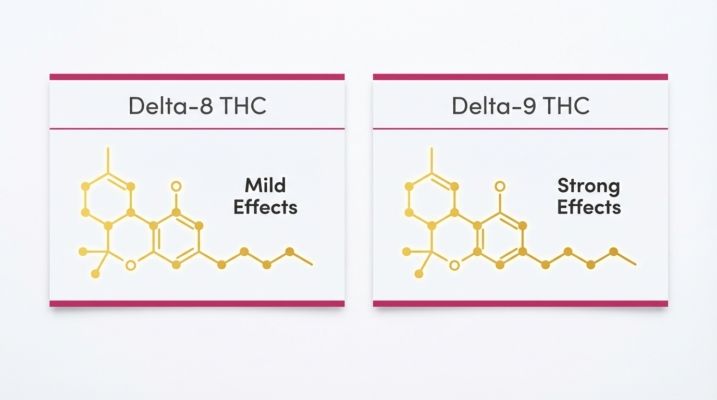
Delta-8 THC is a naturally occurring cannabinoid found in cannabis plants that produces milder…
Learn more
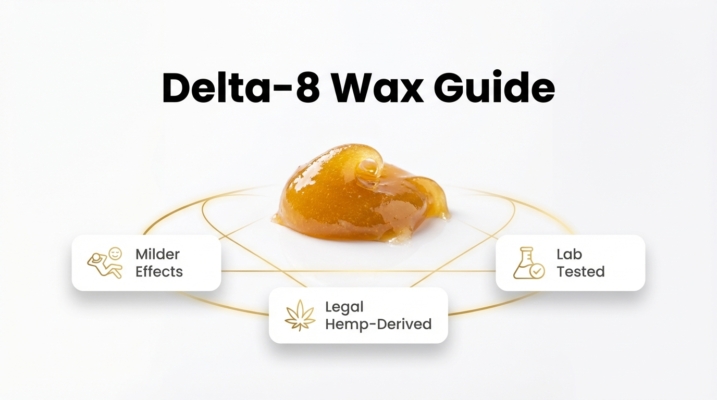
Delta-8 THC wax is a concentrated cannabis extract containing high levels of delta-8-tetrahydrocannabinol in…
Learn more
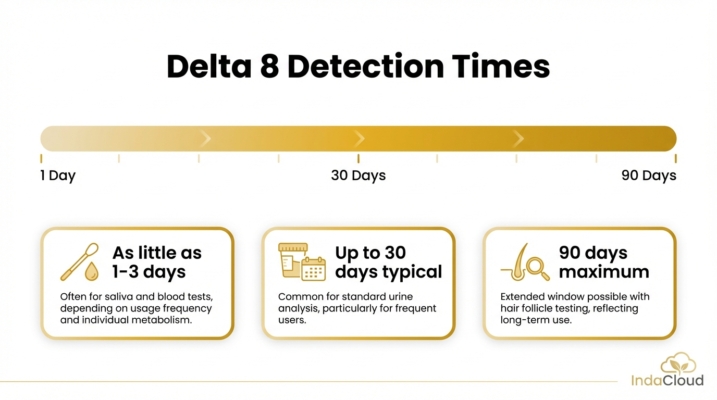
Delta-8 THC is a hemp-derived cannabinoid that stays in your system for as little…
Learn more
