


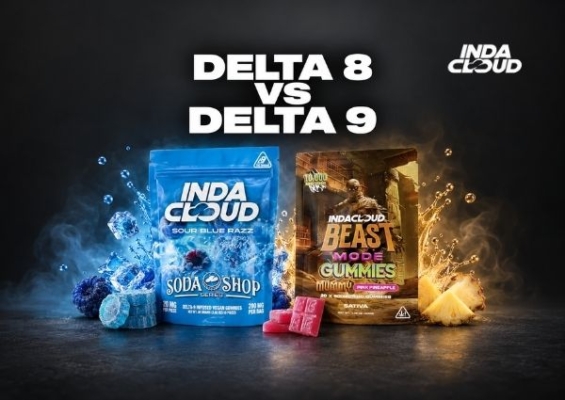
Delta 8

Delta 8 vs Delta 9: Complete Comparison
Let’s dive into the worlds of delta 8 and delta 9 THC. Delta 9…
Learn more
You must be 21+ to enter this site
 FREE SHIPPING $89+
 FREE GIFT ON $120+
 100% FEDERALLY LEGAL
 LAB TESTED FOR PURITY
FREE SHIPPING $89+
FREE GIFT ON $120+
100% FEDERALLY LEGAL
LAB TESTED FOR PURITY
FREE SHIPPING $89+
FREE GIFT ON $120+
100% FEDERALLY LEGAL
LAB TESTED FOR PURITY
FREE SHIPPING $89+
FREE GIFT ON $120+
100% FEDERALLY LEGAL
LAB TESTED FOR PURITY
FREE SHIPPING $89+
FREE GIFT ON $120+
100% FEDERALLY LEGAL
LAB TESTED FOR PURITY
FREE SHIPPING $89+
FREE GIFT ON $120+
100% FEDERALLY LEGAL
LAB TESTED FOR PURITY
FREE SHIPPING $89+
FREE GIFT ON $120+
100% FEDERALLY LEGAL
LAB TESTED FOR PURITY
FREE SHIPPING $89+
FREE GIFT ON $120+
100% FEDERALLY LEGAL
LAB TESTED FOR PURITY
LAB TESTED FOR PURITY
FREE SHIPPING $89+
FREE GIFT ON $120+
100% FEDERALLY LEGAL
LAB TESTED FOR PURITY
FREE SHIPPING $89+
FREE GIFT ON $120+
100% FEDERALLY LEGAL
LAB TESTED FOR PURITY
FREE SHIPPING $89+
FREE GIFT ON $120+
100% FEDERALLY LEGAL
LAB TESTED FOR PURITY
FREE SHIPPING $89+
FREE GIFT ON $120+
100% FEDERALLY LEGAL
LAB TESTED FOR PURITY
FREE SHIPPING $89+
FREE GIFT ON $120+
100% FEDERALLY LEGAL
LAB TESTED FOR PURITY
FREE SHIPPING $89+
FREE GIFT ON $120+
100% FEDERALLY LEGAL
LAB TESTED FOR PURITY
FREE SHIPPING $89+
FREE GIFT ON $120+
100% FEDERALLY LEGAL
LAB TESTED FOR PURITY

Hemp derived Delta 9 THC is gaining significant attention in the cannabis industry, providing a federally legal option to enjoy the benefits of THC. Sourced directly from hemp plants and fully compliant with the 2018 Farm Bill, hemp derived Delta 9 delivers the therapeutic effects of cannabis while remaining accessible to consumers across multiple regions. In this article, we’ll examine what makes hemp derived Delta 9 unique, its legal status, and the ways it’s transforming the cannabis market.
Hemp derived Delta 9, commonly known as Delta-9 THC or simply THC, is the main psychoactive compound present in both cannabis and hemp plants. In addition to its well-known mind-altering effects, studies have revealed various potential benefits associated with hemp derived Delta 9, such as:
There are two primary methods used to produce hemp-derived Delta-9 THC:
Both methods for producing hemp-derived Delta-9 THC are currently legal, pending further clarification from the DEA. Safety depends on the brand’s commitment to testing for potency and residual solvents, ensuring the final products are pure and compliant.
Although Delta-9 THC is chemically identical regardless of its source, federal law differentiates between hemp-derived and cannabis-derived Delta-9. Here’s how:
This regulatory distinction has inspired innovation. Brands now produce legal hemp-derived products like edibles and beverages, each infused with up to 0.3% Delta-9 THC by dry weight. For example, a 12 oz beverage could legally include up to 1,100 mg of Delta-9 THC while staying within the allowable limit.
For hemp-derived Delta-9 THC products to be legal, they must comply with the 0.3% dry weight standard.
Dry weight refers to the mass of an object after all moisture has been removed. Laboratories calculate the Delta-9 THC percentage based on the plant’s remaining dry material. If the THC content is 0.3% or less of the dry weight, the hemp plant is considered compliant with federal regulations.
While the dry weight rule is straightforward for testing raw hemp biomass, it becomes more complex for processed products like oils, beverages, and edibles.
In the absence of federal standards, hemp manufacturers use their methods to measure compliance:
With only 0.3% THC allowed in hemp-derived products, many wonder if these items, like Delta-9 gummies or edibles, can produce psychoactive effects. The answer is yes, but the intensity may vary:
Several factors influence the experience, including:
How Much Delta-9 Should You Take?
Consumers should check the milligrams per serving and avoid exceeding 30 mg to minimize adverse effects.
Hemp-derived Delta-9 products are not subject to the same regulatory standards as cannabis sold for adult use, raising safety concerns:
Consumers should prioritize products with a Certificate of Analysis (COA). A COA confirms:
Yes, it will. Drug tests cannot differentiate between hemp-derived Delta-9 THC and cannabis-derived THC. Even small amounts of Delta-9 THC, including those found in full-spectrum CBD products, can result in a positive test.
Anyone subject to drug testing should exercise caution when using Delta-9 THC products, regardless of their legal status.
The distinction between hemp-derived Delta-9 THC and cannabis-derived THC isn’t rooted in science but in legal definitions. Both hemp and cannabis are varieties of the Cannabis sativa plant and share many of the same compounds, such as CBD, Delta-8, and Delta-10 THC. The primary difference lies in the amount of Delta-9 THC each plant contains. Despite these variations, the molecular structure of Delta-9 remains the same regardless of its source.
Hemp-derived Delta-9 THC has emerged as a revolutionary development in the cannabis industry, offering a legal way to experience the benefits of THC without breaking federal law. While it shares the same molecular structure as cannabis-derived THC, its legal distinction under the 2018 Farm Bill has made it accessible to consumers across the United States.
As with any product, safety and quality are paramount. Always choose brands that provide Certificates of Analysis (COAs) and adhere to stringent testing practices to ensure purity and compliance. Whether you’re exploring Delta-9 THC for its therapeutic potential or its psychoactive effects, understanding dosage, legal considerations, and safety precautions is essential.
As the industry evolves, hemp-derived Delta-9 THC is likely to play a pivotal role in shaping the future of cannabis consumption, bridging the gap between legality and accessibility while offering new opportunities for innovation.
Let’s dive into the worlds of delta 8 and delta 9 THC. Delta 9…
Learn more

Hemp-derived delta-9 drinks are federally legal, but whether they’re legal where you live depends…
Learn more
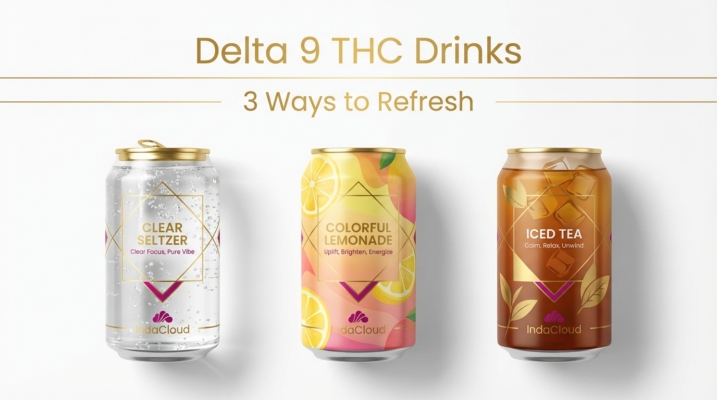
Delta 9 drinks are beverages infused with hemp-derived delta-9 tetrahydrocannabinol, offering a federally legal,…
Learn more

In the world of cannabis and hemp-based products, the term D9 frequently appears—but what…
Learn more
