



Delta 8

Delta 8 vs Delta 9: Complete Comparison
Let’s dive into the worlds of delta 8 and delta 9 THC. Delta 9…
Learn more
You must be 21+ to enter this site
 FREE SHIPPING $89+
 FREE GIFT ON $120+
 100% FEDERALLY LEGAL
 LAB TESTED FOR PURITY
FREE SHIPPING $89+
FREE GIFT ON $120+
100% FEDERALLY LEGAL
LAB TESTED FOR PURITY
FREE SHIPPING $89+
FREE GIFT ON $120+
100% FEDERALLY LEGAL
LAB TESTED FOR PURITY
FREE SHIPPING $89+
FREE GIFT ON $120+
100% FEDERALLY LEGAL
LAB TESTED FOR PURITY
FREE SHIPPING $89+
FREE GIFT ON $120+
100% FEDERALLY LEGAL
LAB TESTED FOR PURITY
FREE SHIPPING $89+
FREE GIFT ON $120+
100% FEDERALLY LEGAL
LAB TESTED FOR PURITY
FREE SHIPPING $89+
FREE GIFT ON $120+
100% FEDERALLY LEGAL
LAB TESTED FOR PURITY
FREE SHIPPING $89+
FREE GIFT ON $120+
100% FEDERALLY LEGAL
LAB TESTED FOR PURITY
LAB TESTED FOR PURITY
FREE SHIPPING $89+
FREE GIFT ON $120+
100% FEDERALLY LEGAL
LAB TESTED FOR PURITY
FREE SHIPPING $89+
FREE GIFT ON $120+
100% FEDERALLY LEGAL
LAB TESTED FOR PURITY
FREE SHIPPING $89+
FREE GIFT ON $120+
100% FEDERALLY LEGAL
LAB TESTED FOR PURITY
FREE SHIPPING $89+
FREE GIFT ON $120+
100% FEDERALLY LEGAL
LAB TESTED FOR PURITY
FREE SHIPPING $89+
FREE GIFT ON $120+
100% FEDERALLY LEGAL
LAB TESTED FOR PURITY
FREE SHIPPING $89+
FREE GIFT ON $120+
100% FEDERALLY LEGAL
LAB TESTED FOR PURITY
FREE SHIPPING $89+
FREE GIFT ON $120+
100% FEDERALLY LEGAL
LAB TESTED FOR PURITY


How Do You Neutralize Delta 8
Delta 8 tetrahydrocannabinol (THC) has emerged as a significant cannabinoid in the cannabis plant, distinct from its more prevalent counterpart, Delta 9 THC. Understanding how to neutralize delta 8 is essential for those handling its effects, whether for recreational or therapeutic purposes.
This article finds various methods and strategies on how do you neutralize Delta 8, ensuring informed and safe consumption practices.
To neutralize delta 8 THC effectively, consider the following methods:
Below is a detailed discussion of these methods.
Hydration plays a crucial role in neutralizing delta 8 THC by facilitating toxin elimination through increased urine output.
Consuming a balanced diet rich in fatty acids, proteins, and carbohydrates supports metabolism, aiding in the breakdown and elimination of cannabinoids. Citrus fruits, particularly those high in limonene, contribute to detoxification processes.
Engaging in regular physical activity not only promotes overall health but also accelerates metabolism. Activities like yoga and meditation are beneficial for managing delta 8 THC’s effects, as they help reduce stress and promote relaxation, aiding in recovery from overconsumption.
Black pepper contains caryophyllene, which acts as a cannabinoid receptor antagonist, potentially mitigating delta 8 THC’s psychoactive effects. Aromatherapy using pine essential oil, rich in pinene, can also be effective in alleviating symptoms such as fear and paranoia associated with cannabinoid overconsumption.
In cases of severe delta 8 THC intoxication, seeking medical intervention is advisable. Physicians may recommend medications to manage symptoms or suggest the use of activated charcoal, known for its ability to absorb toxins in the gastrointestinal tract.
Hydrotherapy, including taking a shower or bath, can provide immediate relief from delta 8 THC’s effects by promoting relaxation and reducing fear. Drinking a glass of citrus-infused water during hydrotherapy enhances detoxification processes, aiding in the removal of residual cannabinoids from the body. Regular drinking water will work as well.
Neutralizing Delta 8 is essential for several reasons, ranging from ensuring safety to avoiding legal issues. Proper neutralization helps manage the psychoactive effects, prevent potential health risks, and comply with regulatory standards.
Below are the primary reasons for neutralizing Delta 8:
Delta 8 THC, like other cannabinoids, can have psychoactive effects that may not be suitable for all users.
Neutralizing Delta 8 helps reduce these effects, making it safer for individuals who might be sensitive to THC or those who need to avoid impairments for work or daily activities. This is particularly important for beginners or individuals with low tolerance levels, as it prevents adverse reactions such as fear, dizziness, or paranoia.
Overconsumption of Delta 8 can lead to undesirable health effects, including increased heart rate, dry mouth, and potential cognitive impairments. By neutralizing Delta 8, users can better control their intake, ensuring they consume a safe and appropriate dose.
This helps prevent the risk of overuse and supports long-term health by maintaining a balanced approach to cannabinoid consumption.
Different states and countries have varying regulations regarding the use and possession of Delta 8 THC. Neutralizing Delta 8 can help individuals and businesses comply with these regulations, avoiding potential legal issues.
For instance, products containing neutralized or minimal amounts of Delta 8 may be more widely accepted in regions with strict THC laws, ensuring that users and sellers remain within legal boundaries.
Regular use of Delta 8 THC can lead to tolerance and, in some cases, dependence. Neutralizing Delta 8 can help users manage their consumption, reducing the risk of developing a dependency on the compound.
By controlling intake and ensuring that usage remains within safe limits, individuals can enjoy the benefits of Delta 8 without the negative consequences associated with dependence.
Some users may experience side effects from Delta 8 THC, such as fatigue, headache, or digestive issues. Neutralizing Delta 8 can mitigate these side effects, providing a more comfortable and manageable experience.
This approach ensures that users can benefit from Delta 8 without suffering from its potential downsides, leading to a more positive and sustainable use of the cannabinoid.
Neutralizing Delta 8 THC involves various methods to reduce its psychoactive effects and ensure safety, compliance, and user comfort. The primary methods can be broadly categorized into chemical and physical approaches.
Each method has its own set of procedures and effectiveness, catering to different needs and circumstances:
Chemical methods involve using substances or reactions to alter the chemical composition of Delta 8 THC, reducing its psychoactive properties.
Physical methods use mechanical or thermal processes to reduce the potency of Delta 8 THC without altering its chemical structure.
Using these methods, Delta 8 THC can be effectively neutralized to meet various safety, health, and regulatory requirements, ensuring a safer and more controlled usage experience.
Neutralized Delta 8 products offer a range of benefits by reducing or eliminating the psychoactive effects associated with traditional Delta 8 THC. This makes them suitable for various applications, ensuring users can enjoy the therapeutic benefits of cannabinoids without the associated high. Below are the primary potential uses of neutralized Delta 8 products.
Neutralized Delta 8 products can be effectively used for therapeutic purposes, providing relief from various conditions without the psychoactive effects.
While primarily therapeutic, neutralized Delta 8 products can also be used recreationally by those who wish to experience the benefits of cannabinoids without significant psychoactive effects.
Neutralized Delta 8 products have significant potential in medical research, providing a safer alternative for studying cannabinoids.
Neutralized Delta 8 can be incorporated into a variety of consumer products, offering a wide range of applications.
The neutralization of Delta 8 THC has gained significant attention in recent years due to its potential to offer therapeutic benefits without the psychoactive effects typically associated with cannabinoids. This research area is critical for expanding the safe use of Delta 8 THC in both medical and recreational contexts.
Here, we find the current state of research, highlighting key findings, methodologies, and future directions:
Current research also focuses on the therapeutic potential of neutralized Delta 8 THC. Preclinical studies and clinical trials are underway to evaluate its efficacy in treating various medical conditions.
For example, a 2023 clinical trial conducted by the National Institute of Health (NIH) is exploring the use of neutralized Delta 8 THC for managing discomfort. Preliminary results suggest that participants experienced a 40% reduction in discomfort without significant psychoactive side effects.
In addition, researchers are investigating the potential of neutralized Delta 8 THC in treating fear and sleep difficulties. A study published in Frontiers in Neuroscience found that neutralized Delta 8 THC significantly reduced fear behaviors in animal models, with effects comparable to conventional anxiolytics but without sedation.
The market for Delta 8 THC products is expanding rapidly, with consumer interest driving the need for safer alternatives.
A market analysis by Grand View Research projected that the global Delta 8 THC market would reach $2 billion by 2025, with a substantial portion attributed to neutralized products. Consumer surveys indicate that 70% of Delta 8 users prefer products with reduced psychoactivity for daily use, highlighting a significant demand for neutralized options.
The regulatory landscape for Delta 8 THC is evolving, with neutralized products presenting unique challenges and opportunities. Regulatory agencies like the U.S. Food and Drug Administration (FDA) are examining the safety profiles of these products.
A recent FDA report emphasized the need for stringent quality control measures and standardized testing protocols to ensure the safety and efficacy of neutralized Delta 8 THC products.
Future research aims to refine neutralization techniques further and find novel applications. Scientists are investigating the potential for using neutralized Delta 8 THC in combination therapies, particularly in oncology and neurology.
Collaborative efforts between academia and industry are expected to drive innovation, with significant funding allocated to cannabinoid research. For instance, the National Institute on Drug Abuse (NIDA) has announced a $10 million grant for studying the long-term effects and therapeutic potential of neutralized cannabinoids.
The legality of Delta 8 tetrahydrocannabinol (THC) in the United States is influenced by federal regulations under the 2018 Farm Bill, which legalized hemp containing no more than 0.3% Delta 9 THC on a dry weight basis. The U.S. Department of Agriculture (USDA) oversees hemp cultivation and production guidelines, while the Food and Drug Administration (FDA) and National Institutes of Health regulates the use of hemp-derived products, including cannabinoids like Delta 8 THC, in food, supplements, and cosmetics.
However, the interpretation of Delta 8 THC’s legality varies among states. Some states have explicitly banned or restricted Delta 8 THC due to concerns over its psychoactive effects and potential health risks. State departments of agriculture and public health agencies play a crucial role in enforcing these regulations and setting testing and labeling requirements for hemp-derived products.
The Drug Enforcement Administration (DEA) also plays a role in the regulatory landscape, particularly concerning synthetic cannabinoids. The DEA has indicated that certain forms of Delta 8 THC, if synthetically produced or altered beyond the definition of hemp, could fall under the Controlled Substances Act as illegal substances.
As a result, consumers and businesses handling the Delta 8 THC market must be vigilant about federal guidelines from agencies like the USDA, FDA, and DEA, also state-specific regulations enforced by departments of agriculture and public health. Staying informed about these regulations and seeking legal advice when necessary can help ensure compliance and mitigate legal risks associated with Delta 8 THC products.
Understanding how to neutralize Delta 8 THC through hydration, diet, physical activity, therapeutic approaches, and medical interventions is essential for managing its psychoactive effects effectively. By starting with low doses, knowing personal tolerance levels, and choosing reliable products from reputable sources, individuals can minimize the risk of adverse effects while optimizing their experience.
Legal considerations surrounding Delta 8 THC vary, with federal regulations from agencies like the USDA, FDA, and DEA influencing its availability and usage across different states. Awareness of these regulations and seeking professional advice as needed are crucial steps in safely exploring the benefits of Delta 8 THC while handling potential challenges such as drug testing implications.
While Delta 8 THC can produce psychoactive effects, it is generally considered less addictive than Delta 9 THC. However, like any substance that affects the brain, it can lead to psychological dependence in some individuals, especially with frequent and high-dose use.
Delta 8 THC can be consumed in various forms, including smoke, edibles, vape cartridges, tinctures, and topical products. Each method offers unique advantages in terms of onset time, duration of effects, and ease of use.
Choosing the right method depends on personal preferences and desired outcomes (e.g. smoke for terpene enjoyment or edibles for the lemon profile).
Delta 8 THC may interact with certain medications, especially those that affect the central nervous system or liver enzymes responsible for drug metabolism. It’s essential to consult with a healthcare provider before using Delta 8 THC as a patient, particularly if you are taking prescription medications or have underlying health conditions.
Some individuals use Delta 8 THC to help improve sleep quality, as it is believed to have sedative effects similar to Delta 9 THC. However, individual responses may vary, and more research is needed to determine its efficacy and safety for managing sleep disorders.
Due to limited research on Delta 8 THC’s effects during pregnancy and breastfeeding, it is not recommended for use in these populations. THC compounds, including Delta 8 THC, can cross the placenta and transfer into breast milk, potentially affecting fetal development or infant health.
It may also induce discomfort in the stomach due to gastric acid irregularities, further confusion, vomiting, or breathing difficulties if misused.
If you experience adverse effects such as severe fear, rapid heart rate, or intense paranoia after consuming Delta 8 THC, it is advisable to seek medical attention immediately. Medical professionals can provide appropriate guidance and support to manage symptoms and ensure your safety.
Like other cannabinoids, Delta 8 THC may possess antioxidant properties due to its interaction with the endocannabinoid system and influence on cellular processes. Antioxidants help neutralize free radicals in the body, potentially reducing oxidative stress and supporting overall health.
Delta 8 THC is known to stimulate appetite similarly to Delta 9 THC, often referred to as “the munchies.” This effect may be beneficial for individuals experiencing appetite loss due to medical conditions or therapies, but it should be used responsibly to avoid overconsumption.
The legal age to purchase Delta 8 THC products varies by state and jurisdiction. In many places, individuals must be at least 21 years old to purchase cannabis products, including those containing Delta 8 THC. It’s important to verify local laws and regulations before making a purchase.
Let’s dive into the worlds of delta 8 and delta 9 THC. Delta 9…
Learn more
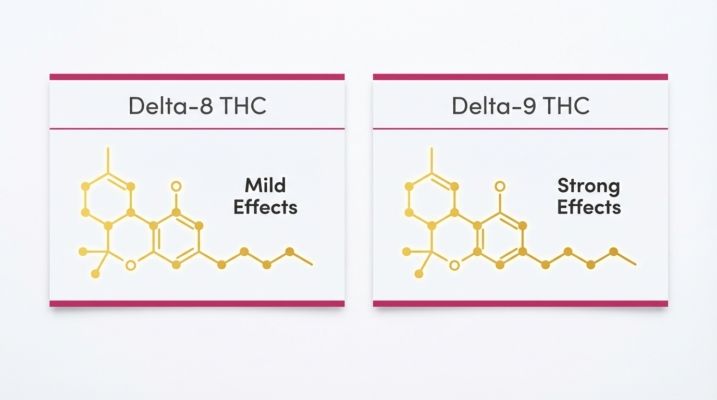
Delta-8 THC is a naturally occurring cannabinoid found in cannabis plants that produces milder…
Learn more
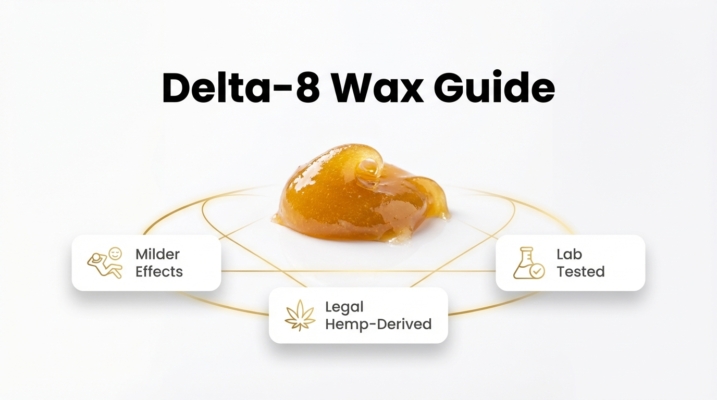
Delta-8 THC wax is a concentrated cannabis extract containing high levels of delta-8-tetrahydrocannabinol in…
Learn more
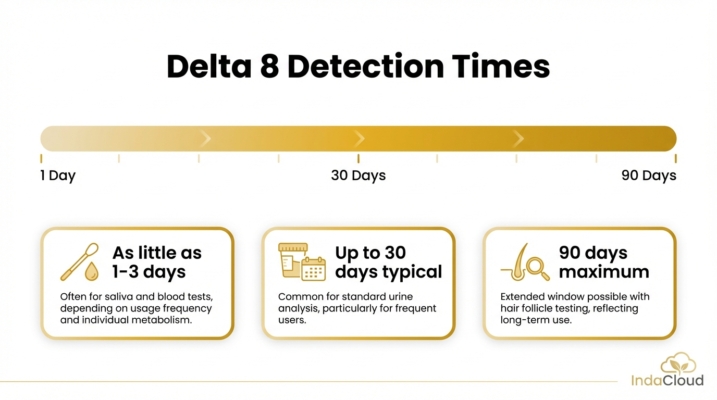
Delta-8 THC is a hemp-derived cannabinoid that stays in your system for as little…
Learn more
