



Delta 8

Delta 8 vs Delta 9: Complete Comparison
Let’s dive into the worlds of delta 8 and delta 9 THC. Delta 9…
Learn more
You must be 21+ to enter this site
 FREE SHIPPING $89+
 FREE GIFT ON $120+
 100% FEDERALLY LEGAL
 LAB TESTED FOR PURITY
FREE SHIPPING $89+
FREE GIFT ON $120+
100% FEDERALLY LEGAL
LAB TESTED FOR PURITY
FREE SHIPPING $89+
FREE GIFT ON $120+
100% FEDERALLY LEGAL
LAB TESTED FOR PURITY
FREE SHIPPING $89+
FREE GIFT ON $120+
100% FEDERALLY LEGAL
LAB TESTED FOR PURITY
FREE SHIPPING $89+
FREE GIFT ON $120+
100% FEDERALLY LEGAL
LAB TESTED FOR PURITY
FREE SHIPPING $89+
FREE GIFT ON $120+
100% FEDERALLY LEGAL
LAB TESTED FOR PURITY
FREE SHIPPING $89+
FREE GIFT ON $120+
100% FEDERALLY LEGAL
LAB TESTED FOR PURITY
FREE SHIPPING $89+
FREE GIFT ON $120+
100% FEDERALLY LEGAL
LAB TESTED FOR PURITY
LAB TESTED FOR PURITY
FREE SHIPPING $89+
FREE GIFT ON $120+
100% FEDERALLY LEGAL
LAB TESTED FOR PURITY
FREE SHIPPING $89+
FREE GIFT ON $120+
100% FEDERALLY LEGAL
LAB TESTED FOR PURITY
FREE SHIPPING $89+
FREE GIFT ON $120+
100% FEDERALLY LEGAL
LAB TESTED FOR PURITY
FREE SHIPPING $89+
FREE GIFT ON $120+
100% FEDERALLY LEGAL
LAB TESTED FOR PURITY
FREE SHIPPING $89+
FREE GIFT ON $120+
100% FEDERALLY LEGAL
LAB TESTED FOR PURITY
FREE SHIPPING $89+
FREE GIFT ON $120+
100% FEDERALLY LEGAL
LAB TESTED FOR PURITY
FREE SHIPPING $89+
FREE GIFT ON $120+
100% FEDERALLY LEGAL
LAB TESTED FOR PURITY


Is Delta-8 Better for Sleep
Are you struggling to get a good night’s sleep? You may have heard about the potential benefits of using Delta 8 to improve sleep quality. But how exactly does Delta 8 affect sleep, and is it better than other sleep aids on the market?
In this article, we will discuss if is delta-8 better for sleep and the advantages and risks of using Delta 8 for sleep, discuss the recommended dosage and timing, and even provide insights on where to purchase this popular supplement.
Stay tuned to find out if Delta 8 could be the key to a better night’s rest.
Delta-8-THC, a cannabinoid found in the cannabis plant, is often touted for its milder psychoactive effects compared to Delta-9-THC, the more commonly known form of THC. In terms of sleep, many users report that Delta-8-THC helps them relax and improves their sleep quality. Its effectiveness can vary from person to person.
Research on Delta-8-THC is limited, especially compared to Delta-9-THC and CBD. Most evidence regarding its effectiveness for sleep is anecdotal. While some studies suggest that cannabinoids can help with sleep by interacting with the endocannabinoid system, specific studies on Delta-8-THC are needed.
Anecdotal reports suggest that Delta-8-THC helps with:
Using Delta-8-THC for better sleep involves careful consideration of dosage, timing, and product type. Here’s a step-by-step guide:
Delta 8 affects sleep by interacting with cannabinoid receptors in the brain. These receptors are part of the endocannabinoid system, which regulates various physiological processes, including sleep and mood.
One potential benefit of Delta 8 for sleep is its ability to promote relaxation and reduce stress, which can significantly improve sleep quality.
Delta 8 interacts with the body’s endocannabinoid system, helping regulate mood and alleviate stress. By promoting a sense of calm and reducing racing thoughts, Delta 8 can create a conducive environment for falling asleep quickly.
The anti-microbial properties of Delta 8 can aid in muscle relaxation, allowing the body to unwind and prepare for rest. This combination of mental and physical relaxation contributes to a more restful and rejuvenating sleep experience.
While Delta 8 may offer potential benefits for sleep, it is crucial to be aware of the risks and side effects associated with its use.
One concern regarding the use of Delta 8 for sleep is the potential for dependence or addiction, which is a significant risk associated with substance abuse.
Substance abuse and addiction can have detrimental effects on an individual’s physical and mental well-being.
In terms of Delta 8, its psychoactive properties and calming effects may make it appealing to those seeking relaxation or relief from stress. The risk of developing a tolerance to Delta 8 can lead to increased consumption, potentially paving the way for dependence. This pattern of escalating use to achieve the same desired effects mirrors the behavior seen with other addictive substances, such as alcohol or opioids.
The long-term effects of using Delta 8 for sleep are still being researched, but preliminary findings suggest that patients may experience a range of outcomes.
Researchers are exploring how Delta 8 interacts with the body over extended periods and its potential benefits in managing sleep disorders. Studies indicate that Delta 8 may have sedative properties, making it a promising option for individuals struggling with insomnia or other sleep disturbances.
Caution is advised as there are also concerns about tolerance and dependency on Delta 8 for sleep aid.
The recommended dosage of Delta 8 for sleep can vary from patient to patient, and it is advisable to consult a physician for personalized guidance.
When determining the correct dosage, factors such as weight, tolerance levels, and individual sensitivity to cannabinoids should be considered. Starting with a low dosage and gradually increasing it is a common approach to finding the optimal amount that provides the desired sleep benefits without unwanted side effects.
Physician consultation is crucial, as they can consider your overall health condition, current medications, and any potential interactions before recommending a suitable Delta 8 dosage. Going beyond the recommended dosage without proper guidance can disrupt REM sleep patterns and overall sleep quality.
The best time to take Delta 8 for sleep typically aligns with an individual’s circadian rhythm and specific sleep needs.
It is commonly advised to take Delta 8 around 1-2 hours before bedtime to allow it to take effect when you are ready to sleep. This timing corresponds with the natural rise in melatonin levels, helping to enhance the sleep-inducing effects of both substances. Syncing your Delta 8 intake with your body’s internal clock can amplify its benefits for achieving a restful night’s sleep. Everyone’s sleep patterns are unique, so experimenting with different timings can help you find the optimal window for your sleep hygiene.
Certain precautions must be taken when using Delta 8 for sleep to minimize the risk of adverse effects and ensure patient safety. One essential precaution is avoiding overusing Delta 8, as excessive consumption can lead to unwanted side effects.
It is crucial to monitor Delta 8’s effects on sleep patterns and overall well-being. Consulting with a healthcare professional before incorporating Delta 8 into your sleep routine is highly recommended to ensure it aligns with your health needs.
Consumers have several options when buying Delta 8 for sleep, including online retailers and local dispensaries. Still, it is crucial to choose reputable brands to ensure product quality and safety.
The legal considerations of purchasing Delta 8 vary by location, but it is primarily regulated under the Agriculture Improvement Act of 2018, which has significant consumer implications.
Delta 8, a derivative of hemp, falls into a legal grey area due to the complex interplay between federal and state laws. While the 2018 Farm Bill legalized hemp-derived products with less than 0.3% Delta 9 THC, the legality of Delta 8 itself can be murky.
The Food and Drug Administration (FDA) has raised concerns about the safety and marketing of Delta 8 products, prompting closer scrutiny by authorities. Many states have implemented their regulations on Delta 8, complicating the landscape for consumers looking to purchase such products.
When choosing Delta 8 for sleep, some of the best brands are known for their quality and reliability, ensuring consumers get effective products for better sleep.
One such brand that consistently receives high praise for its Delta 8 products is Delta Extractions. Their products are crafted using premium ingredients, focusing on providing a potent yet smooth experience for relaxation and sleep. Consumer reviews often highlight the effectiveness of Delta Extractions in promoting restful sleep without unwanted side effects.
Another famous brand in the Delta 8 market is Moonwlkr. Known for their innovative formulations and commitment to quality, Moonwlkr offers a range of Delta 8 options explicitly tailored for enhancing sleep. Many users report significant improvements in their sleep quality after incorporating Moonwlkr products into their nightly routine.
Delta 8 shows promise as a sleep aid, with many consumers reporting improved sleep quality and reduced stress, although its efficacy can vary based on individual factors.
Some potential benefits of using Delta 8 for sleep include its calming effects and ability to promote relaxation, making it a popular choice among those seeking natural remedies for sleep issues. It’s essential to note that, as with any supplement, there are potential risks associated with Delta 8, including possible side effects and interactions with other medications.
From a legal standpoint, the legality of Delta 8 can be a gray area in some regions, with regulations varying widely. Consumers must research and understand the legal considerations surrounding the purchase and use of Delta 8 in their area.
Ultimately, before incorporating Delta 8 into your sleep routine, it’s advisable to consult with a healthcare professional to assess the potential benefits and risks based on your health profile. Exercise caution and knowledge-based decision-making when exploring Delta 8 as a sleep aid.”
Some users have reported that delta 8 helped them with their insomnia by promoting relaxation and reducing stress. More research is needed to fully understand its effects on sleep.
Delta 8 is generally considered safe, but it is important to use it responsibly and in moderation. It is always recommended to consult with a healthcare professional before using any new substance for sleep.
Some users have reported mild side effects such as dry mouth, dizziness, and drowsiness when using delta 8 for sleep. It is important to use it in moderation and to monitor your body’s response.
While delta 8 may be beneficial for sleep, it is not recommended to use it every night as it could lead to dependency and potential adverse effects. It is best to use it in moderation and as needed for better sleep.
Let’s dive into the worlds of delta 8 and delta 9 THC. Delta 9…
Learn more
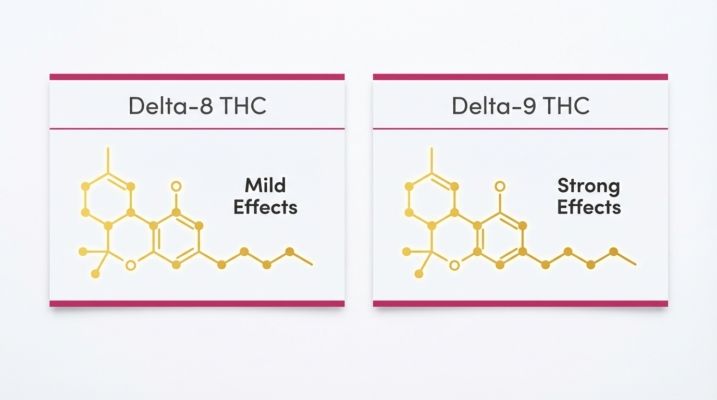
Delta-8 THC is a naturally occurring cannabinoid found in cannabis plants that produces milder…
Learn more
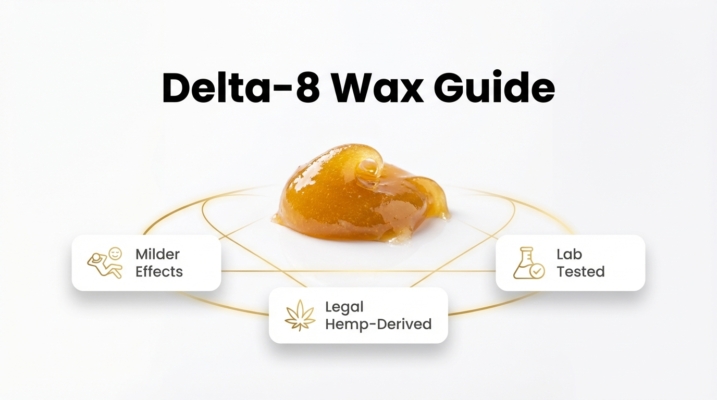
Delta-8 THC wax is a concentrated cannabis extract containing high levels of delta-8-tetrahydrocannabinol in…
Learn more
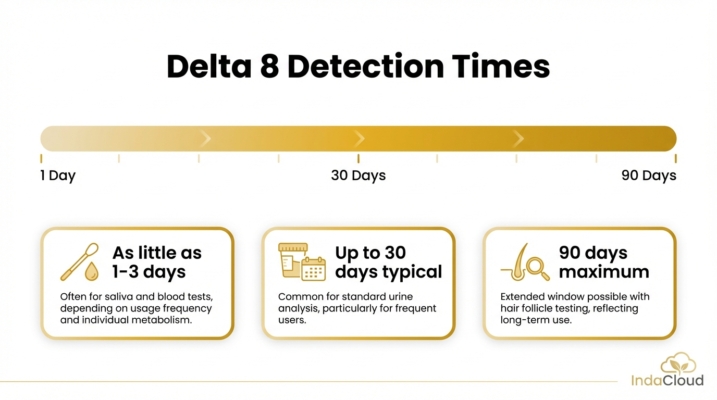
Delta-8 THC is a hemp-derived cannabinoid that stays in your system for as little…
Learn more
