



Delta 8

Delta 8 vs Delta 9: Complete Comparison
Let’s dive into the worlds of delta 8 and delta 9 THC. Delta 9…
Learn more
You must be 21+ to enter this site
 FREE SHIPPING $89+
 FREE GIFT ON $120+
 100% FEDERALLY LEGAL
 LAB TESTED FOR PURITY
FREE SHIPPING $89+
FREE GIFT ON $120+
100% FEDERALLY LEGAL
LAB TESTED FOR PURITY
FREE SHIPPING $89+
FREE GIFT ON $120+
100% FEDERALLY LEGAL
LAB TESTED FOR PURITY
FREE SHIPPING $89+
FREE GIFT ON $120+
100% FEDERALLY LEGAL
LAB TESTED FOR PURITY
FREE SHIPPING $89+
FREE GIFT ON $120+
100% FEDERALLY LEGAL
LAB TESTED FOR PURITY
FREE SHIPPING $89+
FREE GIFT ON $120+
100% FEDERALLY LEGAL
LAB TESTED FOR PURITY
FREE SHIPPING $89+
FREE GIFT ON $120+
100% FEDERALLY LEGAL
LAB TESTED FOR PURITY
FREE SHIPPING $89+
FREE GIFT ON $120+
100% FEDERALLY LEGAL
LAB TESTED FOR PURITY
LAB TESTED FOR PURITY
FREE SHIPPING $89+
FREE GIFT ON $120+
100% FEDERALLY LEGAL
LAB TESTED FOR PURITY
FREE SHIPPING $89+
FREE GIFT ON $120+
100% FEDERALLY LEGAL
LAB TESTED FOR PURITY
FREE SHIPPING $89+
FREE GIFT ON $120+
100% FEDERALLY LEGAL
LAB TESTED FOR PURITY
FREE SHIPPING $89+
FREE GIFT ON $120+
100% FEDERALLY LEGAL
LAB TESTED FOR PURITY
FREE SHIPPING $89+
FREE GIFT ON $120+
100% FEDERALLY LEGAL
LAB TESTED FOR PURITY
FREE SHIPPING $89+
FREE GIFT ON $120+
100% FEDERALLY LEGAL
LAB TESTED FOR PURITY
FREE SHIPPING $89+
FREE GIFT ON $120+
100% FEDERALLY LEGAL
LAB TESTED FOR PURITY


Is Delta 8 legal for minors
Are you curious about the legalities surrounding Delta 8 for minors? Many are questioned about is Delta 8 legal for minors or no? In this article, we’ll discuss the age requirements for consuming Delta 8, the legal restrictions for minors, and the potential side effects and long-term consequences of its use.
We’ll also discuss how parents can monitor and regulate Delta 8 use in minors, offer tips for talking to them about it, and suggest alternatives. Stay tuned for a comprehensive look at the legality of Delta 8 for minors.
Delta 8 is a cannabinoid, a chemical compound derived from the hemp plant, known as an isomer of tetrahydrocannabinol (THC) that provides similar psychoactive effects.
Like Delta 9 THC, which is the well-known psychoactive compound in marijuana, Delta 8 also interacts with the body’s endocannabinoid system, albeit with some nuanced differences. The molecular structure of Delta 8 differs slightly from Delta 9, with a double bond located on the 8th carbon atom instead of the 9th, hence its name. This minute variation gives Delta 8 its unique properties and effects, often described as more subtle and less intense than Delta 9 THC.
Delta 8 is a cannabinoid derived from the hemp plant, and its legal status, especially concerning minors, is complex and varies by state, with states like Missouri and Texas having their specific regulations under the Controlled Substances Act and monitored by entities such as the Food and Drug Administration and the Texas Department of State Health Services.
The legality of Delta-8-THC for minors varies depending on the jurisdiction. Here are some key points to consider:
Legal restrictions for Delta 8 use by minors are stringent, with most states prohibiting its sale and consumption to individuals under the age of 21, enforced through various law enforcement and educational policies.
These restrictions are crucial in safeguarding the well-being of young individuals and preventing potential health risks associated with Delta 8. Law enforcement agencies work tirelessly to ensure compliance with these regulations, conducting regular checks and investigations to crack down on illegal sales and distribution.
Education plays a crucial role in raising awareness among the public and minors about the dangers of underage Delta 8 consumption. Schools, community organizations, and health authorities collaborate to provide information and support services to discourage illicit usage.
Parents can play a crucial role in monitoring and regulating Delta 8 use in minors by staying informed, engaging in open communication, and leveraging educational and law enforcement resources to guide their children.
When discussing Delta 8 use with minors, it’s essential for parents to approach the conversation with open communication, focused on education and understanding the risks involved.
Encouraging an environment where children feel safe and comfortable discussing these sensitive topics. Parents should aim to listen actively, offering guidance and information without judgment. By creating an atmosphere of trust, minors are more likely to share their thoughts and experiences openly.
Providing accurate facts and highlighting the potential dangers associated with Delta 8 in an age-appropriate manner can help minors make informed decisions. It’s also essential to establish clear boundaries and consequences regarding drug usage, emphasizing the impact on their health and future.
The potential risks of minors consuming Delta 8 are significant, with health concerns highlighted by the Centers for Disease Control and Prevention and the American Academy of Pediatrics, including impacts on mental and physical development.
Delta 8 can cause several adverse side effects in minors, including heightened stress, potential poisoning, and other physical and mental health issues.
Consuming Delta 8 products can lead to increased levels of stress in younger individuals, exacerbating their already vulnerable mental state. The risk of poisoning is also a significant concern, especially for minors who may be unaware of dosages or proper usage guidelines.
Physically, minors may experience adverse effects such as dizziness, nausea, and even vomiting from Delta 8 consumption. Long-term use can impact brain development and cognitive functions, threatening overall well-being.
The long-term effects of Delta 8 use in minors are concerning, with research suggesting potential impacts on cognitive development, mental health, and overall physical well-being.
Studies have indicated that regular consumption of Delta 8 THC among minors may interfere with their brain development, affecting memory, attention span, and decision-making processes. There are growing concerns about the potential risk of addiction and substance abuse in this vulnerable population.
Prolonged exposure to Delta 8 during critical developmental stages could have lasting effects on mental health, potentially increasing the risk of psychiatric disorders in later life. Parents, educators, and policymakers need to address these issues and implement strategies to protect the well-being of young individuals.
Alternatives to Delta 8 for minors include various therapies, medications, and healthcare options that address issues like stress and insomnia without the associated risks.
Therapy options, such as cognitive-behavioral therapy (CBT) or mindfulness practices, can offer long-term benefits by addressing the root causes of stress or sleep disturbances and providing coping mechanisms for daily stressors.
Prescription medications like SSRIs or benzodiazepines, when prescribed by a healthcare professional, can help regulate neurotransmitters and manage symptoms effectively.
Exploring non-pharmacological approaches such as herbal supplements, melatonin, or lifestyle modifications like exercise and proper sleep hygiene can also improve mental well-being without potential psychoactive effects.
The legality of Delta 8 for minors is an intricate issue influenced by state regulations, health risks, and the need for proactive parental education and regulation.
State regulations are crucial in determining the legal landscape surrounding Delta 8 products, impacting availability and age restrictions. These regulations vary widely across different states, creating complexities for those handling the legality of Delta 8.
The health risks associated with Delta 8 consumption, particularly in younger individuals, raise concerns about its impact on physical and mental well-being.
Parents are at the forefront of addressing these challenges, requiring them to stay informed about the risks and benefits of Delta 8. Education plays a crucial role in guiding minors toward responsible decision-making regarding substance use, underscoring the importance of open communication and setting clear boundaries. Parents can help mitigate potential harm associated with Delta 8 by fostering a supportive and understanding environment.
The legal age for purchasing Delta 8 products is 21 years old. This is the exact age requirement for buying alcohol and tobacco in the United States.
No, minors should not consume Delta 8 even if an adult gives it to them. It is still illegal for individuals under 21 to possess or consume Delta 8 in the United States.
If a minor is caught with Delta 8, they may face legal consequences such as fines or criminal charges. Parents and guardians should educate their children about the dangers and legal implications of using Delta 8.
In some states, there may be exceptions for minors who use Delta 8 for medical purposes. However, this typically requires a prescription from a doctor and strict monitoring by a guardian. It is essential to check with your state’s laws and regulations.
The legality of Delta 8 for minors varies by country. Researching the laws and regulations in the specific country you are in or plan to travel to is essential to avoid any legal issues.
Let’s dive into the worlds of delta 8 and delta 9 THC. Delta 9…
Learn more
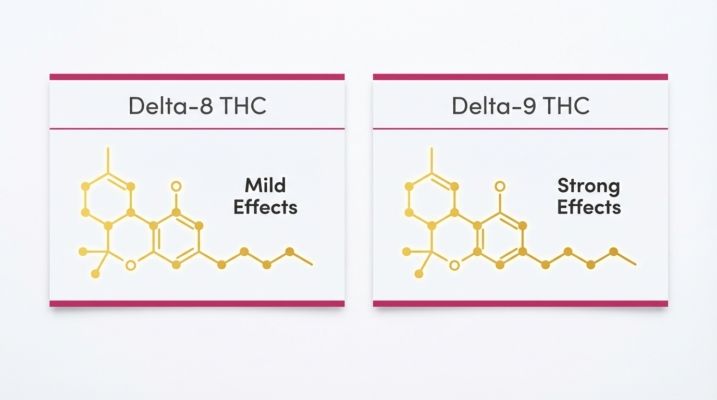
Delta-8 THC is a naturally occurring cannabinoid found in cannabis plants that produces milder…
Learn more
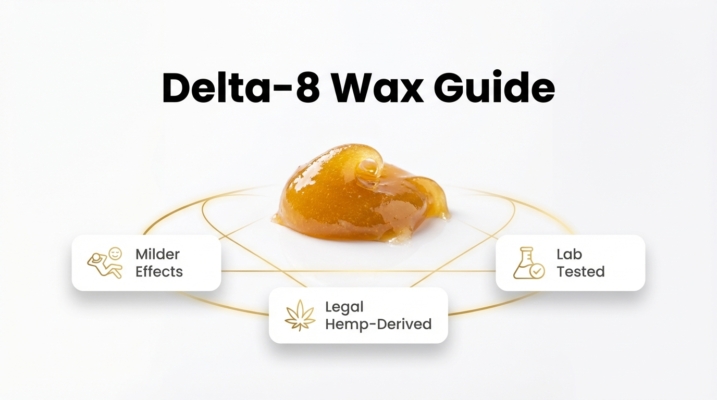
Delta-8 THC wax is a concentrated cannabis extract containing high levels of delta-8-tetrahydrocannabinol in…
Learn more
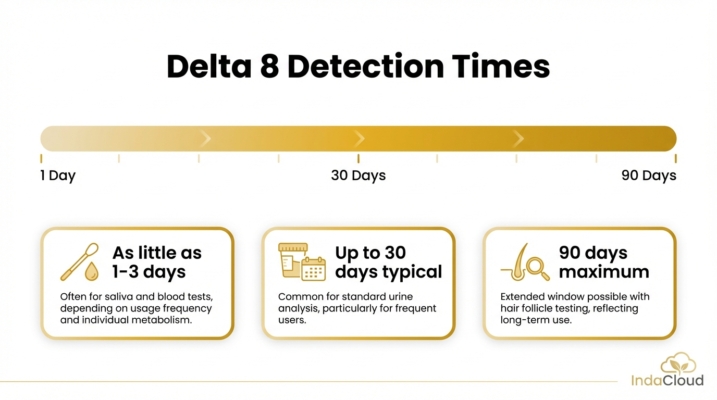
Delta-8 THC is a hemp-derived cannabinoid that stays in your system for as little…
Learn more
