



Delta 8

Delta 8 vs Delta 9: Complete Comparison
Let’s dive into the worlds of delta 8 and delta 9 THC. Delta 9…
Learn more
You must be 21+ to enter this site
 FREE SHIPPING $89+
 FREE GIFT ON $120+
 100% FEDERALLY LEGAL
 LAB TESTED FOR PURITY
FREE SHIPPING $89+
FREE GIFT ON $120+
100% FEDERALLY LEGAL
LAB TESTED FOR PURITY
FREE SHIPPING $89+
FREE GIFT ON $120+
100% FEDERALLY LEGAL
LAB TESTED FOR PURITY
FREE SHIPPING $89+
FREE GIFT ON $120+
100% FEDERALLY LEGAL
LAB TESTED FOR PURITY
FREE SHIPPING $89+
FREE GIFT ON $120+
100% FEDERALLY LEGAL
LAB TESTED FOR PURITY
FREE SHIPPING $89+
FREE GIFT ON $120+
100% FEDERALLY LEGAL
LAB TESTED FOR PURITY
FREE SHIPPING $89+
FREE GIFT ON $120+
100% FEDERALLY LEGAL
LAB TESTED FOR PURITY
FREE SHIPPING $89+
FREE GIFT ON $120+
100% FEDERALLY LEGAL
LAB TESTED FOR PURITY
LAB TESTED FOR PURITY
FREE SHIPPING $89+
FREE GIFT ON $120+
100% FEDERALLY LEGAL
LAB TESTED FOR PURITY
FREE SHIPPING $89+
FREE GIFT ON $120+
100% FEDERALLY LEGAL
LAB TESTED FOR PURITY
FREE SHIPPING $89+
FREE GIFT ON $120+
100% FEDERALLY LEGAL
LAB TESTED FOR PURITY
FREE SHIPPING $89+
FREE GIFT ON $120+
100% FEDERALLY LEGAL
LAB TESTED FOR PURITY
FREE SHIPPING $89+
FREE GIFT ON $120+
100% FEDERALLY LEGAL
LAB TESTED FOR PURITY
FREE SHIPPING $89+
FREE GIFT ON $120+
100% FEDERALLY LEGAL
LAB TESTED FOR PURITY
FREE SHIPPING $89+
FREE GIFT ON $120+
100% FEDERALLY LEGAL
LAB TESTED FOR PURITY


Is Delta 8 Suitable for Long-term Use
If you’ve been curious about Is Delta 8 suitable for long-term use, you’ve come to the right place. In this article, we will discuss what Delta 8 is, its uses, legal status, potential risks of long-term use, factors to consider before using it, alternatives, and whether it is suitable for extended use.
Delta 8 is a cannabinoid derived from the cannabis plant, known for its unique chemical compound and similar yet distinct chemical structure to Delta 9 tetrahydrocannabinol (THC).
Delta 8, also called D8, shares a similar chemical formula with Delta 9 THC; however, it has a double bond on the 8th carbon chain instead of the 9th, hence the ‘8’ in its name. This subtle variation in structure accounts for its milder psychotropic effects compared to Delta 9 THC, making it a more attractive option for individuals seeking a more balanced and less intense experience.
When considering the suitability of Delta-8-THC for long-term use, it’s important to focus on the potential risks, regulatory aspects, and quality control issues rather than health benefits or medical claims. Here’s a closer look at these factors:
Before considering Delta 8 for long-term use, patients should consult with their physician to review personal health history, current medications, appropriate dosing, and frequency, and ensure the quality of the product to avoid contamination with heavy metals or other impurities.
Patients must evaluate their health and medical history with a physician to identify any risk factors before starting long-term use of Delta 8.
Understanding one’s health and medical history is the cornerstone of preventive healthcare. By conducting a thorough assessment, individuals can unearth potential risk factors lurking beneath the surface that may not be apparent in day-to-day life. This allows for a comprehensive analysis of past illnesses, genetic predispositions, lifestyle choices, and existing conditions.
Medical professionals play a fundamental role in this evaluation process, as they possess the expertise to interpret the gathered information, connect the dots, and provide valuable insights into how certain factors may impact one’s health.
Determining the appropriate dose and frequency of Delta 8 use is crucial to balance its potency and minimize the development of tolerance by its receptors.
One strategy to find the proper dosage is to start with a low amount and gradually increase until the desired effects are achieved, being mindful of how your body responds at each level. Monitoring how often Delta 8 is consumed can also help manage tolerance buildup – giving your receptors time to reset between use. Understanding the potency of different products and how they interact with your body’s endocannabinoid system is critical in maintaining effectiveness without overexposure.
Ensuring the source and quality of Delta 8 products is vital to avoid contamination with heavy metals and other impurities, adhering to strict manufacturing, packaging, and labeling standards for safety.
High-quality products are not only more effective but also present fewer health risks. Choosing reputable brands prioritizing quality control helps consumers avoid potential dangers associated with low-grade substances.
Contamination can pose serious health threats, ranging from mild allergic reactions to severe poisoning. Thorough testing and certification processes safeguard consumers from exposure to harmful substances.
The importance of proper manufacturing, packaging, and labeling cannot be overstated.
These steps not only enhance the product’s quality but also provide peace of mind to consumers.
If you’re considering alternatives to the long-term use of Delta-8-THC, several options may offer similar benefits without the potential risks associated with prolonged Delta-8 use. Here are some alternatives:
Several alternatives to long-term Delta-8 use exist, ranging from other cannabinoids like CBD and CBG to lifestyle changes such as exercise and mindfulness practices. Each alternative has its benefits and potential drawbacks, and the best choice depends on individual needs and circumstances.
Using Delta 8 long-term may pose various risks, including potential side effects, adverse events, and safety concerns, with particular attention to mental health issues like psychosis and schizophrenia.
Over time, users may develop tolerance and dependence on Delta 8, primarily due to its interaction with cannabinoid receptors within the endocannabinoid system and the need for escalating doses to achieve the same effects.
This process occurs as the body adjusts to repeated exposure to Delta 8, leading to a diminished response from the same amount of the substance. The brain’s cannabinoid receptors become less sensitive, prompting individuals to consume higher doses for the desired effects. Dependence can develop as the body becomes reliant on Delta 8 to function normally, resulting in withdrawal symptoms upon cessation.
To mitigate tolerance and dependence, individuals can consider using Delta 8 products in moderation, taking breaks to allow the body to reset its sensitivity to the substance. Exploring alternative consumption methods, such as edibles or topical applications, may help reduce the development of tolerance by varying the delivery mechanisms of Delta 8 within the body.
Adverse side effects of Delta 8 may include dizziness, fatigue, changes in appetite, fluctuations in blood pressure and heart rate, paranoia, and nausea.
These side effects are commonly reported among users, with dizziness and fatigue being the most frequent complaints. Changes in appetite and fluctuations in blood pressure and heart rate are also observed in some individuals. Paranoia and nausea can occur, albeit less frequently.
To manage these side effects, individuals are advised to start with low doses of Delta 8 and gradually increase as tolerated. Adequate hydration and rest can help alleviate symptoms of dizziness and fatigue. Maintaining a balanced diet and monitoring blood pressure can aid in managing changes in appetite and fluctuations in blood pressure and heart rate. It is crucial to consult a healthcare professional if any adverse events persist or worsen.
The long-term effects of Delta 8 remain largely unknown due to limited research and insufficient evidence regarding its impact on the brain and central nervous system, also potential long-term mental health implications.
These research gaps raise concerns about the possible unknown long-term consequences of regular Delta 8 consumption. It is crucial to find how Delta 8 interacts with neurotransmitters and receptors in the brain over extended periods, as this could affect mental health stability.
Further studies are essential to elucidate the full extent of Delta 8’s effects on cognitive function, mood regulation, and overall brain health. Understanding these potential impacts is vital for making informed decisions about using Delta 8 products and ensuring individuals’ well-being.
The regulatory landscape surrounding Delta-8-THC (tetrahydrocannabinol) is complex and evolving, particularly regarding its long-term use. Here’s an overview of different aspects:
Delta-8-THC offers a range of potential uses, but its suitability for long-term use is still being determined due to various factors, including potential risks, regulatory complexities, and unknown long-term effects. Users should be aware of the possible development of tolerance, dependence, and other adverse side effects. It’s crucial to consult with healthcare professionals, monitor usage, and source high-quality products from reputable manufacturers.
Staying informed about Delta-8’s legal status in your area is essential. For those seeking alternatives, other cannabinoids, natural supplements, and lifestyle changes can provide similar benefits without the potential drawbacks associated with prolonged Delta-8 use. Careful consideration and informed decision-making are critical when evaluating whether Delta-8 suits your long-term needs.
Delta 8 should only be used as needed for its intended purposes and not daily for long-term use. It is essential to consult with a healthcare professional before incorporating Delta 8 into your daily routine.
While Delta 8 is not considered addictive, it can build up tolerance and create a dependency on long-term use. Using Delta 8 responsibly and taking breaks from use is crucial to avoid potential dependency.
There is limited research on the potential withdrawal symptoms of Delta 8. Still, some users have reported experiencing mild symptoms such as stress, irritability, and difficulty sleeping when stopping long-term use.
No, using Delta 8 during pregnancy or while breastfeeding is not recommended. It is essential to consult with a healthcare professional before using any new substances during pregnancy or while breastfeeding.
Let’s dive into the worlds of delta 8 and delta 9 THC. Delta 9…
Learn more
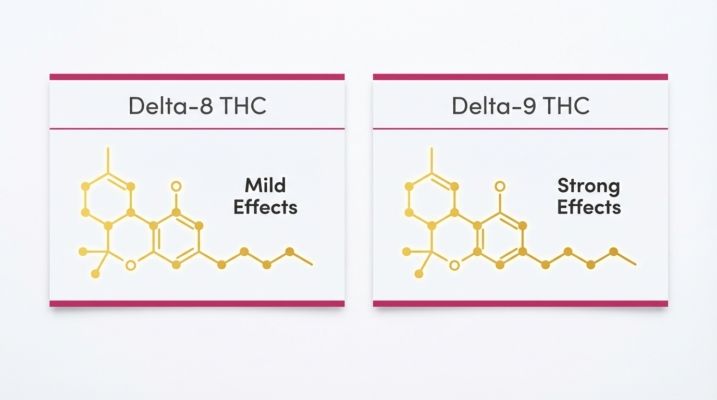
Delta-8 THC is a naturally occurring cannabinoid found in cannabis plants that produces milder…
Learn more
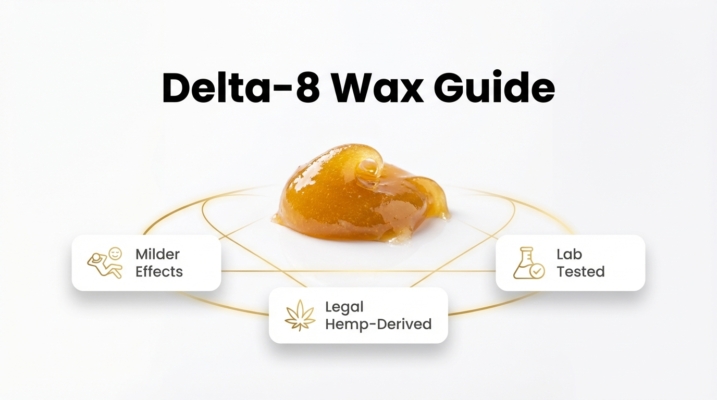
Delta-8 THC wax is a concentrated cannabis extract containing high levels of delta-8-tetrahydrocannabinol in…
Learn more
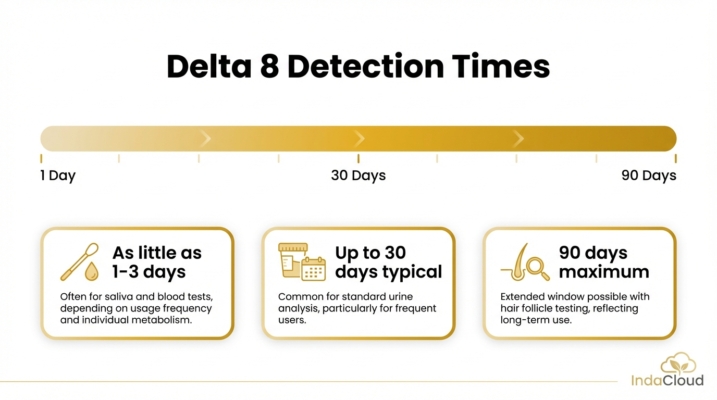
Delta-8 THC is a hemp-derived cannabinoid that stays in your system for as little…
Learn more
