



Delta 8

Delta 8 vs Delta 9: Complete Comparison
Let’s dive into the worlds of delta 8 and delta 9 THC. Delta 9…
Learn more
You must be 21+ to enter this site
 FREE SHIPPING $89+
 FREE GIFT ON $120+
 100% FEDERALLY LEGAL
 LAB TESTED FOR PURITY
FREE SHIPPING $89+
FREE GIFT ON $120+
100% FEDERALLY LEGAL
LAB TESTED FOR PURITY
FREE SHIPPING $89+
FREE GIFT ON $120+
100% FEDERALLY LEGAL
LAB TESTED FOR PURITY
FREE SHIPPING $89+
FREE GIFT ON $120+
100% FEDERALLY LEGAL
LAB TESTED FOR PURITY
FREE SHIPPING $89+
FREE GIFT ON $120+
100% FEDERALLY LEGAL
LAB TESTED FOR PURITY
FREE SHIPPING $89+
FREE GIFT ON $120+
100% FEDERALLY LEGAL
LAB TESTED FOR PURITY
FREE SHIPPING $89+
FREE GIFT ON $120+
100% FEDERALLY LEGAL
LAB TESTED FOR PURITY
FREE SHIPPING $89+
FREE GIFT ON $120+
100% FEDERALLY LEGAL
LAB TESTED FOR PURITY
LAB TESTED FOR PURITY
FREE SHIPPING $89+
FREE GIFT ON $120+
100% FEDERALLY LEGAL
LAB TESTED FOR PURITY
FREE SHIPPING $89+
FREE GIFT ON $120+
100% FEDERALLY LEGAL
LAB TESTED FOR PURITY
FREE SHIPPING $89+
FREE GIFT ON $120+
100% FEDERALLY LEGAL
LAB TESTED FOR PURITY
FREE SHIPPING $89+
FREE GIFT ON $120+
100% FEDERALLY LEGAL
LAB TESTED FOR PURITY
FREE SHIPPING $89+
FREE GIFT ON $120+
100% FEDERALLY LEGAL
LAB TESTED FOR PURITY
FREE SHIPPING $89+
FREE GIFT ON $120+
100% FEDERALLY LEGAL
LAB TESTED FOR PURITY
FREE SHIPPING $89+
FREE GIFT ON $120+
100% FEDERALLY LEGAL
LAB TESTED FOR PURITY

Is delta 8 thc psychoactive
Are you curious about the latest buzz surrounding Delta-8 THC? Big question is Delta 8 THC psychoactive?
We’ll discuss the effects, potential medical uses, side effects, and legal status of Delta-8 THC. We’ll also examine how the recommended dosage is consumed and address other shared concerns.
Stay tuned for all you need to know about this intriguing cannabinoid.
Delta-8 THC, short for Delta-8 tetrahydrocannabinol, is a cannabinoid found in cannabis and hemp plants. It is structurally similar to Delta-9 THC, the primary psychoactive compound in cannabis, but with notable differences in its effects and legality.
Delta-8 THC interacts with the body’s endocannabinoid system, primarily binding to CB1 receptors located in the central nervous system. This interaction produces psychoactive effects, though typically milder than those associated with Delta-9 THC. Users often report feeling relaxed and clear-headed after consuming Delta-8 THC, without the intense stress or paranoia sometimes experienced with Delta-9 THC.
In terms of legality, Delta-8 THC exists in a legal gray area in many places. It is often derived from hemp, which is legal under federal law in the United States if it contains less than 0.3% Delta-9 THC. State laws vary widely, and consumers should verify the legality of Delta-8 THC in their location before purchasing or using it.
Delta 8 THC is a psychoactive cannabinoid that interacts with the brain’s receptors, similar to its more well-known counterpart Delta 9 THC, producing a range of psychoactive effects.
When Delta 8 THC binds to the CB1 receptors in the brain, it generates a milder high compared to Delta 9 THC, resulting in a less intense feeling of euphoria.
Studies have shown that Delta 8 THC can stimulate appetite, making it a potential therapy for individuals suffering from appetite-related issues such as nausea or lack of hunger.
Delta-8-tetrahydrocannabinol (Delta-8-THC) is a psychoactive compound found in the Cannabis sativa plant, which includes marijuana and hemp. It is structurally similar to Delta-9-tetrahydrocannabinol (Delta-9-THC), the primary psychoactive component of marijuana, but it has some differences in its effects and potency. Here are the psychoactive effects of Delta-8-THC:
It’s important to note that the effects of Delta-8-THC can vary based on the individual, dosage, and method of consumption. While Delta-8-THC is derived from hemp and considered legal under the 2018 Farm Bill in many regions, its legal status is complex and varies by state and country.
Delta-8-THC can be consumed in various forms, similar to other cannabinoids. Here are the most common methods of consumption:
Each consumption method has advantages and considerations regarding onset time, duration of effects, and personal preferences.
Determining the recommended dosage for Delta-8-THC can be challenging due to individual differences in tolerance, body chemistry, and desired effects. However, here are some general guidelines to help users start safely:
The potential side effects of Delta-8 THC include dry mouth, red eyes, stress, and paranoia, among other adverse effects that users might experience.
Dry mouth and red eyes are common side effects of Delta-8 THC, often regarded as typical signs and symptoms of cannabinoid use.
These side effects occur due to Delta-8 THC’s interaction with the body’s endocannabinoid system. When Delta-8 THC binds with CB1 receptors in the salivary glands, it reduces saliva production, resulting in dry mouth, also known as xerostomia. The vasodilation caused by Delta-8 THC leads to blood vessels dilating in the eyes, causing them to appear red and bloodshot.
To alleviate dry mouth, staying hydrated and sucking on ice chips or hard candies can stimulate saliva production. Over-the-counter eye drops can relieve red eyes by constricting blood vessels. Taking lower doses of Delta-8 THC can also help minimize these side effects.
The legal status of Delta-8 THC varies, with different regulations and policies governing its use at the federal and state levels.
At the federal level, the legal status of Delta-8 THC is complex, with agencies like the Food and Drug Administration (FDA) and the Drug Enforcement Administration (DEA) playing critical roles in its regulation.
These agencies are tasked with overseeing various aspects related to Delta-8 THC, such as its safety, labeling, and distribution. The FDA, in particular, is responsible for ensuring that Delta-8 THC products meet specific quality standards and do not pose significant health risks to consumers.
On the other hand, the DEA focuses on the enforcement of laws regarding controlled substances, including Delta-8 THC. This dual oversight aims to strike a balance between consumer safety and regulatory compliance in the growing market for Delta-8 THC products.
The legal status of Delta-8 THC at the state level varies widely, with some states allowing its use under the United States Farm Bill, while others have stricter regulations or outright bans.
States such as Colorado and Oregon tend to have more permissive laws regarding Delta-8 THC, aligning with the provisions of the United States Farm Bill, which legalized hemp-derived cannabinoids, including Delta-8 THC, with a Delta-9 THC concentration of 0.3% or lower.
On the other hand, states like Iowa and Idaho have taken a stricter stance, considering Delta-8 THC as a controlled substance due to its psychoactive properties, leading to bans on its sale and use within their jurisdictions.
The United States Farm Bill of 2018 played a significant role in shaping state-level regulations around Delta-8 THC by differentiating it from marijuana, provided it meets the specified criteria, sparking a regulatory patchwork across the country with varying degrees of acceptance towards this cannabinoid.
Delta 8 THC is indeed psychoactive, and while it holds potential benefits for therapeutic use, it also carries risks that consumers and health care providers must carefully consider.
When exploring the psychoactive properties of Delta 8 THC, it’s crucial to understand that it can produce a milder high compared to Delta 9 THC, making it appealing to individuals seeking a more subtle experience.
It’s important to note that the legality and regulation surrounding Delta 8 THC vary from state to state, with some areas implementing strict controls due to the compound’s psychoactive nature. This underscores the need for clear guidelines and oversight to ensure safe consumption and prevent misuse.
While Delta 8 THC offers potential therapeutic benefits, its psychoactive effects and associated risks necessitate caution and well-considered choices. As research continues to expand, a balanced approach to integration into therapy and regulation will be crucial in harnessing its benefits while mitigating potential harm.
While delta-8 THC is known to have a less potent psychoactive effect, it can still potentially cause stress or paranoia in some individuals. It is important to start with a low dose and monitor your body’s reaction.
Some potential benefits of delta 8 THC include alleviation of discomfort, reducing irritation, and stimulating appetite. However, more research is needed to fully understand its potential therapeutic effects.
While delta 8 THC is generally considered to be safe, it is still a psychoactive compound and may have potential side effects. It is important to use it responsibly and consult with a healthcare professional if you have any concerns.
Let’s dive into the worlds of delta 8 and delta 9 THC. Delta 9…
Learn more
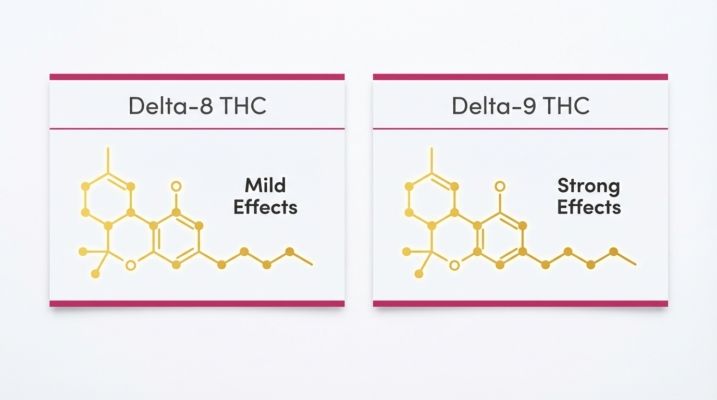
Delta-8 THC is a naturally occurring cannabinoid found in cannabis plants that produces milder…
Learn more
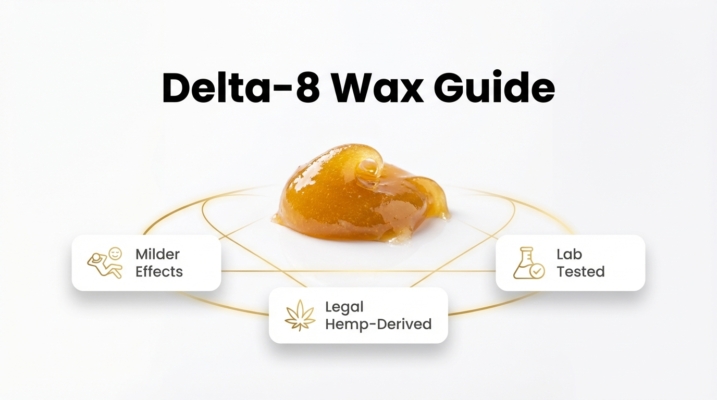
Delta-8 THC wax is a concentrated cannabis extract containing high levels of delta-8-tetrahydrocannabinol in…
Learn more
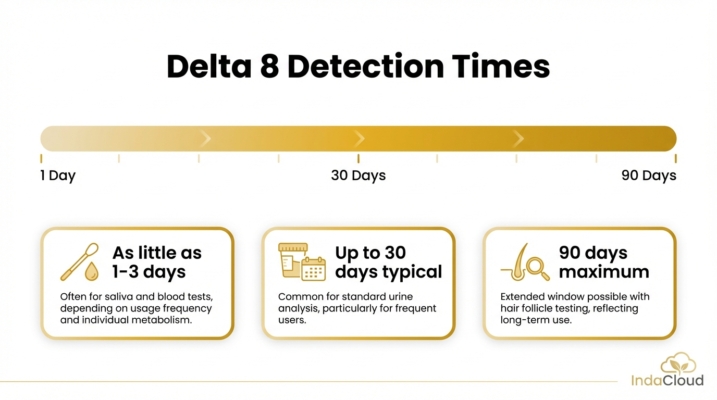
Delta-8 THC is a hemp-derived cannabinoid that stays in your system for as little…
Learn more
