



Delta 8

Delta 8 vs Delta 9: Complete Comparison
Let’s dive into the worlds of delta 8 and delta 9 THC. Delta 9…
Learn more
You must be 21+ to enter this site
 FREE SHIPPING $89+
 FREE GIFT ON $120+
 100% FEDERALLY LEGAL
 LAB TESTED FOR PURITY
FREE SHIPPING $89+
FREE GIFT ON $120+
100% FEDERALLY LEGAL
LAB TESTED FOR PURITY
FREE SHIPPING $89+
FREE GIFT ON $120+
100% FEDERALLY LEGAL
LAB TESTED FOR PURITY
FREE SHIPPING $89+
FREE GIFT ON $120+
100% FEDERALLY LEGAL
LAB TESTED FOR PURITY
FREE SHIPPING $89+
FREE GIFT ON $120+
100% FEDERALLY LEGAL
LAB TESTED FOR PURITY
FREE SHIPPING $89+
FREE GIFT ON $120+
100% FEDERALLY LEGAL
LAB TESTED FOR PURITY
FREE SHIPPING $89+
FREE GIFT ON $120+
100% FEDERALLY LEGAL
LAB TESTED FOR PURITY
FREE SHIPPING $89+
FREE GIFT ON $120+
100% FEDERALLY LEGAL
LAB TESTED FOR PURITY
LAB TESTED FOR PURITY
FREE SHIPPING $89+
FREE GIFT ON $120+
100% FEDERALLY LEGAL
LAB TESTED FOR PURITY
FREE SHIPPING $89+
FREE GIFT ON $120+
100% FEDERALLY LEGAL
LAB TESTED FOR PURITY
FREE SHIPPING $89+
FREE GIFT ON $120+
100% FEDERALLY LEGAL
LAB TESTED FOR PURITY
FREE SHIPPING $89+
FREE GIFT ON $120+
100% FEDERALLY LEGAL
LAB TESTED FOR PURITY
FREE SHIPPING $89+
FREE GIFT ON $120+
100% FEDERALLY LEGAL
LAB TESTED FOR PURITY
FREE SHIPPING $89+
FREE GIFT ON $120+
100% FEDERALLY LEGAL
LAB TESTED FOR PURITY
FREE SHIPPING $89+
FREE GIFT ON $120+
100% FEDERALLY LEGAL
LAB TESTED FOR PURITY


Should I take Delta-8 Before Bed
Curious about whether should I take Delta-8 before bed. Delta-8 is gaining popularity for its potential relaxing and mood-boosting effects.
This article will discuss Delta-8, how it works, and whether it is safe to take before bed. We will also discuss the potential risks and effects and how to consume Delta-8 for better sleep.
If Delta-8 can help you get a good night’s rest, keep reading to learn more.
Delta-8 is a cannabinoid, a chemical compound derived from the cannabis plant, known for its similarities to tetrahydrocannabinol (THC) but with less psychoactive effects.
This lesser-known compound has been gaining attention for its potential therapeutic benefits. It binds to the body’s endocannabinoid receptors and influences various physiological functions.
Unlike Delta-9 THC, which is found in higher concentrations in marijuana, Delta-8 is typically extracted in smaller quantities from hemp plants.
Due to its chemical structure, Delta-8 offers a milder high compared to THC, making it a more appealing option for those seeking a gentler cannabis experience.
Delta-8 interacts with the endocannabinoid system, specifically binding to brain and central nervous receptors. This can influence various physiological and psychological processes.
This interaction triggers a cascade of responses within the body, leading to relaxation and euphoria. When Delta-8 binds to the receptors, it can help regulate functions such as memory, mood, sleep, and appetite.
Considering whether you should take Delta 8 before bed involves understanding its impact on your sleep cycle and overall health, especially circadian rhythm and sleep hygiene. Delta 8, a cannabinoid, has been discussed as aiding insomnia and improving sleep quality through its interaction with the endocannabinoid system.
If you’re struggling with sleepless nights, delta-8 might be your solution. Many people attest to the effectiveness of delta-8 products in achieving deep, restorative sleep. Users praise its calming effects for alleviating the stress that often lead to insomnia. Delta-8 interacts with neurotransmitters in the brain to promote regular sleep patterns. For instance, delta-8 can enhance your body’s ability to produce melatonin and dopamine, which helps calm anxious thoughts and reduce the occurrence of nightmares.
Evaluating the safety of taking Delta-8 before bed involves considering potential side effects, consulting with a physician, and understanding its regulatory status with the Food and Drug Administration (FDA) and the Controlled Substances Act.
Taking Delta-8 before bed may pose several risks, such as potential side effects, including dizziness, increased heart rate, stress, confusion, and the risk of developing an addiction.
These side effects of Delta-8 can vary in severity from person to person. Dizziness can lead to falls or accidents, especially in an environment such as the bedroom, where one should feel safe. Increased heart rate may cause palpitations and contribute to sleep disturbances, affecting the quality of rest. Stress and confusion can disrupt the calm and relaxation needed for a good night’s sleep. The potential risk of developing an addiction to Delta-8 poses substantial long-term health and wellness concerns.
Taking Delta-8 before bed can have various effects, including promoting relaxation and sleepiness, reducingstress, improving mood, and potentially increasing appetite.
Delta-8 is often reported to induce relaxation and sleepiness, acting as a mild sedative that can calm the nervous system before bedtime.
Many users find that consuming Delta-8 before bed helps them unwind and drift off into a restful sleep more easily. This cannabinoid is believed to interact with the body’s endocannabinoid system, influencing neurotransmitters crucial in promoting relaxation and drowsiness. By targeting receptors in the brain, Delta-8 can help regulate sleep patterns and enhance sleep quality. Its soothing properties can alleviate stress, easing the mind and body into peaceful tranquility.
Delta-8 has been noted to improve mood by interacting with specific receptors in the brain, altering the balance of chemical compounds that regulate emotions.
One key way Delta-8 enhances mood is through its interaction with the CB1 receptors in the brain. These receptors are part of the endocannabinoid system, which is crucial in regulating various physiological processes, including mood and emotions. When Delta-8 binds to CB1 receptors, it can influence the release of neurotransmitters such as dopamine and serotonin, commonly associated with feelings of happiness and well-being.
Delta-8 is known to increase appetite, which is mediated through its interaction with the endocannabinoid system. It can also influence weight management.
The endocannabinoid system regulates various physiological processes, including appetite, metabolism, and energy balance. When Delta-8 interacts with the CB1 receptors in this system, it can stimulate the release of hormones that signal hunger and enhance the pleasure derived from eating. This may increase overall food intake, potentially aiding individuals who struggle with poor appetite or have conditions that cause weight loss.
To maximize the benefits of Delta-8 before bed, it is essential to consider the appropriate dosage and timing, also the method of administration, whether sublingual, oil, or tincture, ideally taken at bedtime.
When determining the appropriate dosage of Delta-8, it is crucial to start with a low dose, often called micro-dosing, and consult a physician to ensure compliance with the Controlled Substances Act.
This measured approach allows individuals to gauge their body’s response to Delta-8 without overwhelming it with a high initial dose. Increasing the dosage, typically in small increments, helps mitigate potential side effects and optimize the therapeutic benefits. Keeping a dosage journal to track how different levels affect one’s well-being is advisable.
Delta-8 should be consumed approximately 30-60 minutes before bedtime for optimal results to align with your sleep cycle and circadian rhythm.
By timing the consumption of Delta-8 in this window, your body can efficiently process and respond to the compound, harnessing its calming effects to ease into a restful state. This time frame corresponds to the natural dip in body temperature and the release of sleep-inducing hormones like melatonin, enhancing the overall effectiveness of Delta-8 in promoting a peaceful night’s sleep. Therefore, incorporating Delta-8 into your bedtime routine can help to optimize your sleep quality and overall well-being.
Research on Delta-8 suggests that it may help with sleep by addressing sleep disorders such as insomnia and potentially influencing melatonin levels, which are crucial for regulating dreams and overall sleep quality.
Several research studies have investigated the effects of Delta-8 on sleep, particularly its potential to alleviate insomnia and regulate the circadian rhythm.
Some studies have indicated that Delta-8 may help improve sleep quality by promoting relaxation and reducing stress, leading to longer and more restful sleep cycles.
Delta-8 could reduce the time it takes to fall asleep, making it a promising option for those struggling with sleep onset latency.
It is important to note that while Delta-8 shows potential benefits for sleep, more extensive clinical trials are needed to understand its effects and safety profile fully.
You must consult a medical professional when incorporating a new medication or supplement into your daily routine. This is especially true if you have underlying health conditions. The same holds for delta-8 and other products containing THC or CBD. Once you get approval from your doctor, you can start enjoying the benefits of this hemp-derived product.
Here are a few tips to get you started:
Start with a Low Dose:
Choose the Right Product:
Take It at the Right Time:
Create a Relaxing Environment:
Stay Hydrated:
Avoid Mixing with Other Substances:
Monitor Your Sleep Patterns:
Consult with a Healthcare Professional:
Be Consistent:
Ensure Product Quality:
Taking Delta-8 before bed may offer benefits such as improved sleep quality and relaxation. Still, it is essential to weigh these against potential risks and practice good sleep hygiene for optimal health.
While Delta-8 can help some individuals unwind and achieve better rest, it’s crucial to acknowledge that its effects can vary from person to person. Some users may experience grogginess or cognitive impairment the next day, warranting caution. Therefore, moderation and awareness of personal tolerance levels are essential when considering Delta-8 as a sleep aid.
The effects of delta-8 can vary from person to person. On average, it takes about 30 minutes to an hour for the effects to kick in when taken before bed.
Delta-8 may cause drowsiness, so taking it when you can get a whole night’s rest is essential. If you have trouble waking up in the morning, try taking a lower dose or earlier in the evening.
It’s not recommended to take delta-8 every night before bed, as it may lead to dependency or tolerance. It’s best to use it as needed for occasional sleep issues.
Possible side effects of delta-8 include drowsiness, dry mouth, and changes in appetite. It’s important to start with a low dose and monitor your body’s response before increasing the amount taken.
Let’s dive into the worlds of delta 8 and delta 9 THC. Delta 9…
Learn more
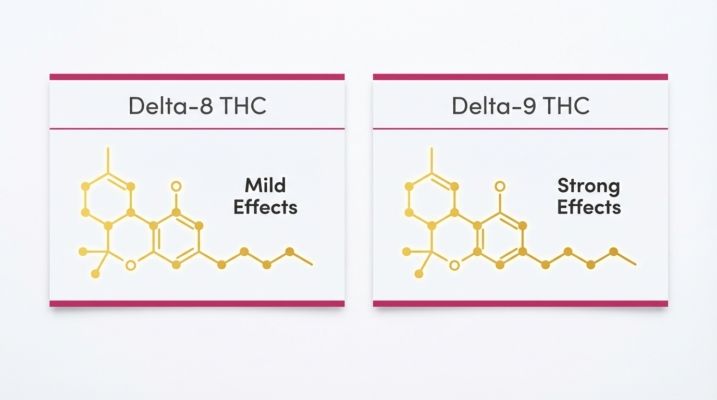
Delta-8 THC is a naturally occurring cannabinoid found in cannabis plants that produces milder…
Learn more
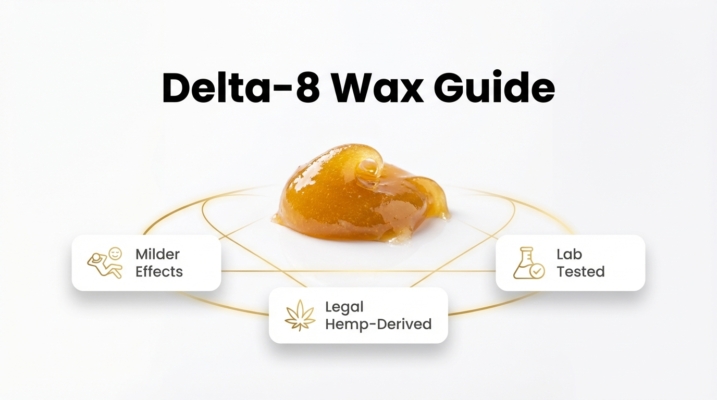
Delta-8 THC wax is a concentrated cannabis extract containing high levels of delta-8-tetrahydrocannabinol in…
Learn more
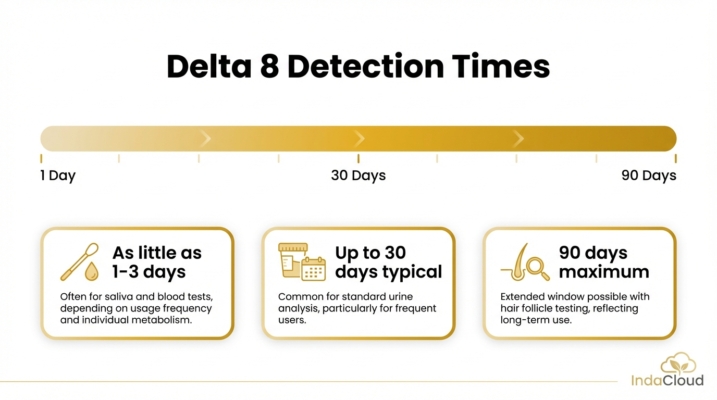
Delta-8 THC is a hemp-derived cannabinoid that stays in your system for as little…
Learn more
