


Blogs

How Long Do THC Edibles Last? Onset, Peak & Comedown Timeline
You took the gummy, waited a while, and now you want to know how…
Learn more
You must be 21+ to enter this site
 FREE SHIPPING $89+
 FREE GIFT ON $120+
 100% FEDERALLY LEGAL
 LAB TESTED FOR PURITY
FREE SHIPPING $89+
FREE GIFT ON $120+
100% FEDERALLY LEGAL
LAB TESTED FOR PURITY
FREE SHIPPING $89+
FREE GIFT ON $120+
100% FEDERALLY LEGAL
LAB TESTED FOR PURITY
FREE SHIPPING $89+
FREE GIFT ON $120+
100% FEDERALLY LEGAL
LAB TESTED FOR PURITY
FREE SHIPPING $89+
FREE GIFT ON $120+
100% FEDERALLY LEGAL
LAB TESTED FOR PURITY
FREE SHIPPING $89+
FREE GIFT ON $120+
100% FEDERALLY LEGAL
LAB TESTED FOR PURITY
FREE SHIPPING $89+
FREE GIFT ON $120+
100% FEDERALLY LEGAL
LAB TESTED FOR PURITY
FREE SHIPPING $89+
FREE GIFT ON $120+
100% FEDERALLY LEGAL
LAB TESTED FOR PURITY
LAB TESTED FOR PURITY
FREE SHIPPING $89+
FREE GIFT ON $120+
100% FEDERALLY LEGAL
LAB TESTED FOR PURITY
FREE SHIPPING $89+
FREE GIFT ON $120+
100% FEDERALLY LEGAL
LAB TESTED FOR PURITY
FREE SHIPPING $89+
FREE GIFT ON $120+
100% FEDERALLY LEGAL
LAB TESTED FOR PURITY
FREE SHIPPING $89+
FREE GIFT ON $120+
100% FEDERALLY LEGAL
LAB TESTED FOR PURITY
FREE SHIPPING $89+
FREE GIFT ON $120+
100% FEDERALLY LEGAL
LAB TESTED FOR PURITY
FREE SHIPPING $89+
FREE GIFT ON $120+
100% FEDERALLY LEGAL
LAB TESTED FOR PURITY
FREE SHIPPING $89+
FREE GIFT ON $120+
100% FEDERALLY LEGAL
LAB TESTED FOR PURITY

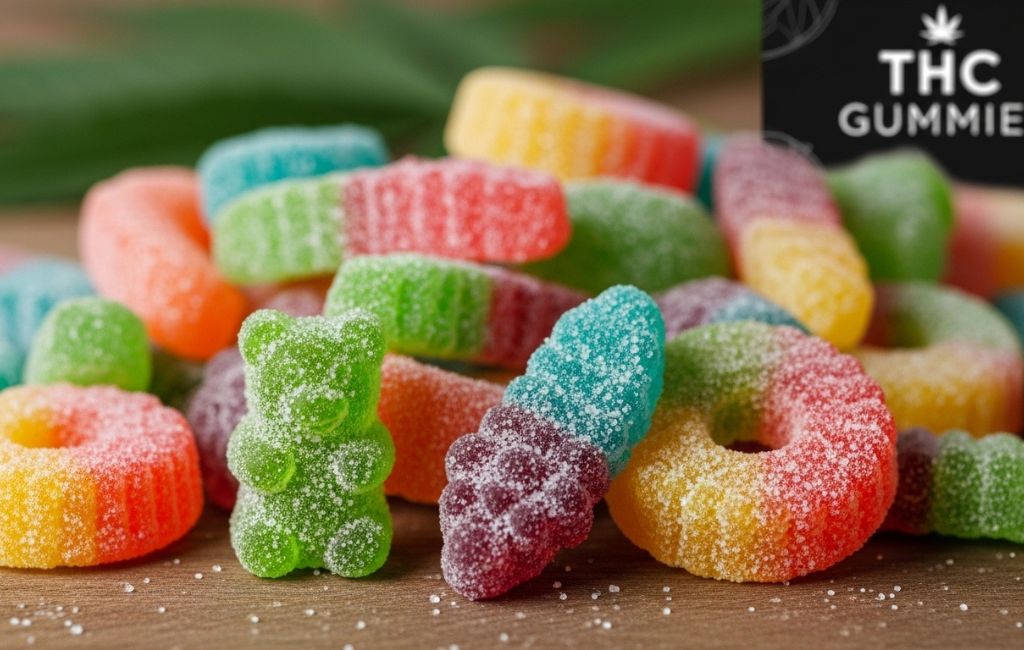
THC gummies have gained massive popularity across the U.S., especially as seller’s market products, “hemp-derived” or “federally legal.” In Hawaii, that marketing misleads buyers. Many consumers assume hemp origin alone makes a product legal. That misunderstanding frequently leads to failed drug tests, airport confiscations, and legal trouble.
Hawaii law permit certain THC gummies, but legality depends on source, concentration, cultivation, and regulatory compliance. This guide breaks down exactly what Hawaii permits, how enforcement works, and how residents and visitors can avoid costly mistakes.
Delta-9 tetrahydrocannabinol (THC) acts as cannabis’s primary psychoactive compound. After consumption, it binds directly to CB1 receptors in the brain and produces effects such as euphoria, relaxation, appetite stimulation, and altered perception (National Cancer Institute).
Both hemp and marijuana plants naturally produce Delta-9 THC. Lawmakers classify the plant based on concentration, not chemistry. Products exceeding the federal limit fall under marijuana law rather than hemp regulation (2018 Farm Bill).
At controlled doses, Delta-9 THC may support pain relief, nausea reduction, and muscle spasticity management. Higher doses, however, can increase anxiety, impair coordination, and affect cognitive performance.
Hawaii evaluates THC gummies using measurable criteria, not marketing claims. Labels such as “Farm Bill compliant” do not determine legality.
House Bill 1819 aligned Hawaii’s hemp rules with federal standards and established clear enforcement authority for regulators (Hawaii Department of Health).
Hawaii allows:
Hawaii prohibits:
Hawaii assigns enforcement responsibilities across agencies rather than leaving interpretation to retailers.
Retailers must actively verify testing, sourcing, labeling accuracy, and documentation before selling THC gummies.
Yes. Hawaii legalized medical marijuana in 2000 and expanded access through licensed dispensaries.
Registered patients with qualifying conditions—such as chronic pain, PTSD, cancer, glaucoma, or severe nausea—can legally purchase marijuana-derived THC gummies. These products often contain higher THC concentrations than hemp gummies and operate under medical regulations rather than hemp law.
Non-patients cannot legally possess marijuana-derived gummies, even if another state sold them legally.
Manufacturers produce hemp gummies using several THC isomers, each with distinct effects and legal risks.
Many Delta-8 and Delta-10 products rely on chemical conversion from CBD. The DEA clarifies that synthetically derived THC falls outside federal hemp protection, placing many of these products in a legal gray area (DEA Clarification).
Licensed hemp growers actively control THC levels through genetics, lighting, and harvest timing. Without these safeguards, crops can exceed legal thresholds and force mandatory destruction.
Compliant brands invest in:
These practices reduce legal risk for both sellers and consumers.
Terpenes shape how THC feels, not just how it tastes. Responsible brands reintroduce terpenes after extraction to create predictable effects.
Common examples include:
Lab reports should clearly list terpene content alongside cannabinoid data.
Drug tests measure THC metabolites, not legality or source. Hemp gummies can still cause a failed test (SAMHSA).
Test Type |
Detection Window |
| Urine | Up to 30 days (frequent users) |
| Blood | Up to 3 days |
| Saliva | ~30 hours |
| Hair | Up to 90 days |
All THC isomers metabolize into THC-COOH, which standard drug panels detect.
While availability changes, several brands illustrate what compliance looks like:
These brands stand out because they prioritize documentation and consistency, not because Hawaii endorses them.
Before purchasing, confirm that the product:
Skipping these steps exposes buyers to legal and health risks.
Yes. Legal hemp-derived gummies apply equally to residents and visitors. Marijuana gummies require medical authorization.
Yes. Delta-9 THC produces psychoactive effects regardless of plant source.
Yes. Drug tests detect THC metabolites, not legality.
No. Hawaii has not legalized recreational marijuana.
Legality depends on production methods and lab verification. Many products remain legally uncertain.
Hawaii Department of Health – Hemp Program
2018 Agriculture Improvement Act (Farm Bill)
National Cancer Institute – Cannabis and Cannabinoids
Drug Enforcement Administration – THC Clarification
Substance Abuse and Mental Health Services Administration – Drug Testing
You took the gummy, waited a while, and now you want to know how…
Learn more
Iowa’s THC rules confuse many buyers. Retail shops openly sell hemp-derived gummies, but the…
Learn more
Hemp-derived THC gummies and edibles are legal in Georgia when they contain no more…
Learn more
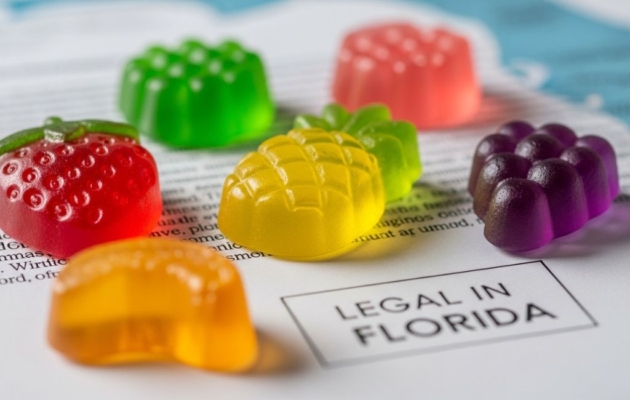
If you’re a fan of THC gummies or are just curious about the legal…
Learn more
