


Blogs

Are THC Gummies Legal? A 2026 State-by-State Guide
Yes, THC gummies are legal to buy in most of the United States right…
Learn more
You must be 21+ to enter this site
 FREE SHIPPING $89+
 FREE GIFT ON $120+
 100% FEDERALLY LEGAL
 LAB TESTED FOR PURITY
FREE SHIPPING $89+
FREE GIFT ON $120+
100% FEDERALLY LEGAL
LAB TESTED FOR PURITY
FREE SHIPPING $89+
FREE GIFT ON $120+
100% FEDERALLY LEGAL
LAB TESTED FOR PURITY
FREE SHIPPING $89+
FREE GIFT ON $120+
100% FEDERALLY LEGAL
LAB TESTED FOR PURITY
FREE SHIPPING $89+
FREE GIFT ON $120+
100% FEDERALLY LEGAL
LAB TESTED FOR PURITY
FREE SHIPPING $89+
FREE GIFT ON $120+
100% FEDERALLY LEGAL
LAB TESTED FOR PURITY
FREE SHIPPING $89+
FREE GIFT ON $120+
100% FEDERALLY LEGAL
LAB TESTED FOR PURITY
FREE SHIPPING $89+
FREE GIFT ON $120+
100% FEDERALLY LEGAL
LAB TESTED FOR PURITY
LAB TESTED FOR PURITY
FREE SHIPPING $89+
FREE GIFT ON $120+
100% FEDERALLY LEGAL
LAB TESTED FOR PURITY
FREE SHIPPING $89+
FREE GIFT ON $120+
100% FEDERALLY LEGAL
LAB TESTED FOR PURITY
FREE SHIPPING $89+
FREE GIFT ON $120+
100% FEDERALLY LEGAL
LAB TESTED FOR PURITY
FREE SHIPPING $89+
FREE GIFT ON $120+
100% FEDERALLY LEGAL
LAB TESTED FOR PURITY
FREE SHIPPING $89+
FREE GIFT ON $120+
100% FEDERALLY LEGAL
LAB TESTED FOR PURITY
FREE SHIPPING $89+
FREE GIFT ON $120+
100% FEDERALLY LEGAL
LAB TESTED FOR PURITY
FREE SHIPPING $89+
FREE GIFT ON $120+
100% FEDERALLY LEGAL
LAB TESTED FOR PURITY

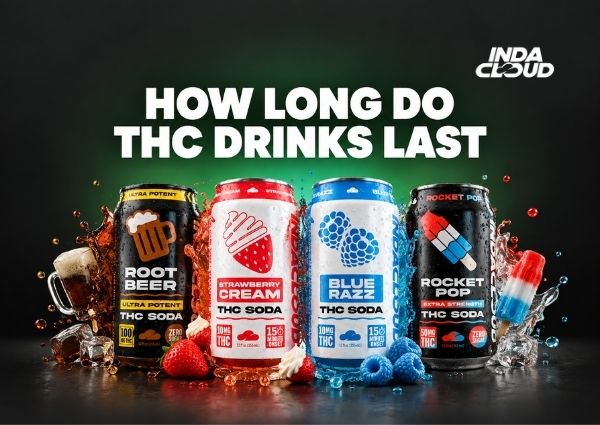
You took the gummy, waited a while, and now you want to know how long you are signed up for. It is the right question to ask before the effects arrive. Edibles run on a slower clock than anything you smoke or vape, and that clock is why they catch people off guard.
This guide walks the full timeline, onset through the last of the grogginess, and explains why edibles hit harder and linger longer than inhaled THC. If you are still choosing what to take, the THC edibles category is a good place to see how formats and doses differ.
Edibles typically last 4 to 8 hours, with residual effects lingering up to 12 hours for some people. That is a window, not a fixed number, and where you land inside it depends mostly on your dose and your own metabolism.
That total duration is different from onset and peak, which are the two markers that shape how the experience feels along the way. Onset is when effects begin. Peak is when they are strongest. The hours after peak are the long taper that gives edibles their reputation.
The single biggest variable is the combination of how much THC you took and how fast your body processes it. A 5mg gummy on a fast metabolism behaves very differently from a 50mg dose on a slow one. Read the rest of this as a map of the range, then calibrate to your own dose.
The edible timeline breaks into three stages: a slow onset of 30 minutes to 2 hours, a peak around 2 to 4 hours, and a comedown that tapers across the back half of the day. Each stage runs on digestion and liver metabolism, which is why the whole thing is so much slower than smoking.
| Stage | Timing | What is happening |
|---|---|---|
| Onset | 30 minutes to 2 hours | THC absorbed through the gut, processed by the liver |
| Peak | 2 to 4 hours | Strongest effects, highest blood levels |
| Comedown | 4 to 8 hours | Main effects taper off |
| Residual | up to 12 hours | Lingering grogginess or “edible hangover” |
Onset usually takes 30 minutes to 2 hours, far slower than the seconds-to-minutes onset of inhaled THC. The delay comes from the route. An edible has to move through your stomach and small intestine before THC enters the bloodstream and reaches the brain.
The liver step is what makes edibles distinct. According to Leafly, the liver converts delta-9 THC into 11-hydroxy-THC, a metabolite that crosses into the brain more readily and produces stronger, longer-lasting effects than inhaled THC. This is why an edible can feel more intense than a joint carrying a similar THC amount.
The slow onset sets up the most common edible mistake. Nothing happens at the 30-minute mark, so people assume the dose was a dud and take more. The first dose then arrives at the same time as the second, and the combined load hits harder than planned. Patience is the entire skill here.
Peak effects land roughly 2 to 4 hours after you eat an edible, when 11-hydroxy-THC concentrations in the blood are highest. This is the stretch where the body high, the head change, and the appetite shift are most pronounced.
Peak intensity reads differently from an inhaled high. Smoking spikes fast and fades; an edible peak is a broader plateau that holds for a while before it starts to drop. Many people describe it as more of a full-body experience.
Peak timing shifts with your dose and what is in your stomach. A larger dose pushes the peak later and higher. A full stomach slows absorption and can delay the peak further still, which is worth knowing if you ate a big meal first.
The main effects taper between the 4 and 8 hour marks, and a lingering grogginess or “edible hangover” can stretch to 12 hours or more for some people. The comedown is gradual rather than a hard stop.
Edibles have a longer tail than other consumption methods because the liver keeps releasing 11-hydroxy-THC into circulation over an extended window. You are not re-dosing, but your own body chemistry keeps the effect going.
Set expectations for the next morning, especially with higher doses. Some people wake up clear; others feel a soft fog for a few hours. Planning your edible for an evening with nothing important the next morning is the safe call.
How long an edible lasts depends on your dose, your body, what you ate, and the product format. The same gummy can run four hours for one person and ten for another, and these are the variables that explain the gap.
Higher doses of THC produce stronger and longer-lasting effects. A 2.5mg microdose may pass in a few hours, a 5 to 10mg standard serving sits in the typical 4 to 8 hour window, and 20mg or more can push toward the long end of the range with a heavier comedown.
Tolerance pulls the other direction. Frequent consumers often process THC faster and feel a shorter, milder experience at a dose that would flatten an occasional user. If you are reaching into high-potency territory, the high-dose THC gummies range shows how far the scale runs, and those products deserve respect rather than curiosity.
Metabolism, body weight, and individual enzyme differences all shape how long effects last. A faster metabolism processes THC more quickly, which can mean a faster onset and a shorter overall duration.
Tolerance built from regular use is its own factor. The more often you consume, the more your body adapts, and the shorter the same dose feels over time.
Whether you eat on a full or empty stomach changes both onset and duration. An empty stomach speeds onset and can sharpen the peak; a full stomach slows absorption and stretches the timeline.
Food type matters too. THC is fat-soluble, so eating an edible with fatty food can improve absorption. Staying hydrated will not change the pharmacology much, but it keeps the experience more comfortable.
Format changes onset speed and, to a degree, how long effects last. Traditional gummies, chocolates, and baked goods all run through full digestion, so they share the slow 30-minute-to-2-hour onset.
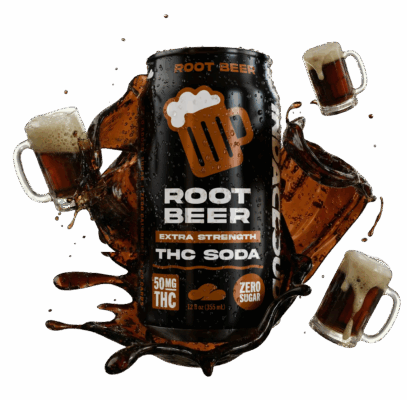
Beverages and fast-acting, nano-emulsified products are the exception. A THC soda can begin working in as little as 15 minutes because the THC is emulsified into tiny droplets the body absorbs faster.
A standard gummy from the broader THC gummies collection follows the slower digestive route. The trade is usually speed for staying power: faster onset often means a somewhat shorter ride.
Edibles last longer than smoking or vaping but take much longer to begin, while tinctures sit somewhere in between. The core contrast is route of absorption: inhalation and sublingual products bypass the digestive system, edibles do not.
| Method | Onset | Peak | Total duration |
|---|---|---|---|
| Edibles | 30 min to 2 hr | 2 to 4 hr | 4 to 8 hr (up to 12) |
| Smoking / vaping | Seconds to minutes | 10 to 30 min | 1 to 4 hr |
| Tinctures (sublingual) | 15 to 45 min | 1 to 2 hr | 4 to 6 hr |
Smoking and vaping start almost immediately and clear within a few hours, which suits people who want control and a defined end point. Edibles ask for patience but pay it back with a longer, steadier experience.
If you want effects that carry through an evening or an overnight stretch, the edible is the better tool. If you want something you can start and stop on short notice, inhalation wins.
The most reliable rule for edibles is to start low and go slow, then wait at least 2 hours before taking any more. Onset can run a full two hours, so re-dosing earlier is how people accidentally stack two doses into one.
Plan around the full duration, not the onset alone. With effects that can run 8 hours and residual feelings that stretch further, an edible is not something to take before driving, working, or any early commitment the next morning. Treat the whole window as booked.
If effects feel too strong, the fix is time plus a calm setting. Find a comfortable space, drink water, eat something light, and let the peak pass. The feeling is temporary and will fade as the hours go on.
True overconsumption is rare but real. If someone shows severe symptoms like a racing heart with chest pain, persistent vomiting, or extreme confusion, contact Poison Control at 1-800-222-1222 or call 911. These thresholds apply to genuine emergencies, not an ordinary high that feels stronger than expected. This is general information and not medical advice.
How long edibles stay in your system is a different question from how long the effects last. Effects fade in hours; THC metabolites can linger for days or weeks, which is what drug tests detect.
Detection windows vary by test type and how often you consume. As a high-level reference, urine tests can detect THC for roughly 5 to 15 days in occasional users and far longer in frequent ones, with blood and saliva clearing faster and hair testing reaching back the furthest. For the full breakdown, see how long edibles stay in your urine.
The key point is that feeling sober and testing clean are not the same milestone. You can be completely past the high and still carry detectable metabolites, especially with regular use.
Choosing the right edible starts with matching format and dose to the experience you want. A shorter, controlled session points toward a lower dose or a faster-onset format; a longer, sustained effect points toward a standard gummy at a moderate dose.
The label tells you most of what you need. Read the milligrams per piece and the total milligrams in the package, and check whether the product is standard or fast-acting.
A Grape Delta-9 gummy at 200mg total lists a clear per-piece dose, so you know exactly what a single serving delivers. A 1000mg Delta-9 gummy jar shows the same math at a larger scale, where reading per-piece versus total mg matters most, especially when exploring a product like the Star of Death Edibles.
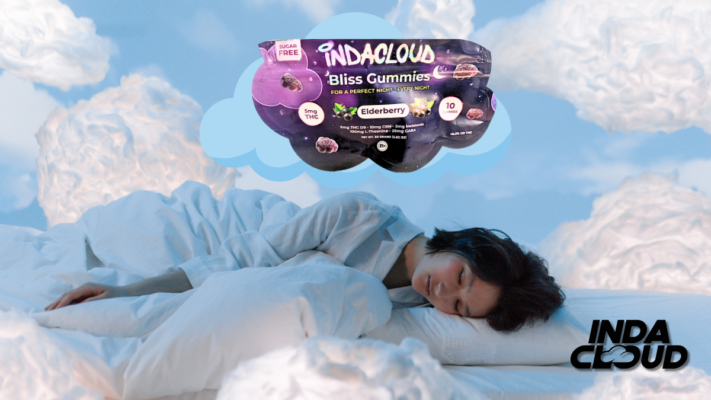
For a longer, sustained experience aimed at winding down, a product like the sugar-free sleep gummies is built for the back half of the day rather than a quick session.
Whatever you choose, the per-serving labeling and third-party lab testing are what let you plan the timeline instead of guessing at it. Indacloud posts COAs for its products, so the potency on the label is the potency in the package.
Edibles typically run 4 to 8 hours of felt effects with a residual tail that can reach 12. They feel stronger and last longer than smoking because the liver turns delta-9 THC into more potent 11-hydroxy-THC. Onset takes 30 minutes to 2 hours, the peak lands at 2 to 4 hours, and the comedown fills the rest.
Once you know the timeline, the practical rules follow on their own: start low, wait a full 2 hours before considering more, and read the label so the dose matches the window you have. Match the format and milligrams to the experience you want, and an edible becomes predictable rather than a gamble.
Yes, THC gummies are legal to buy in most of the United States right…
Learn more
Raw, unheated THCA clears your system in roughly 24 to 48 hours. Once you…
Learn more
Yes, edibles show up on drug tests. Standard panels detect THC edibles exactly the…
Learn more
Green Wednesday is the Wednesday before Thanksgiving, the cannabis industry’s second-biggest shopping day of…
Learn more
