


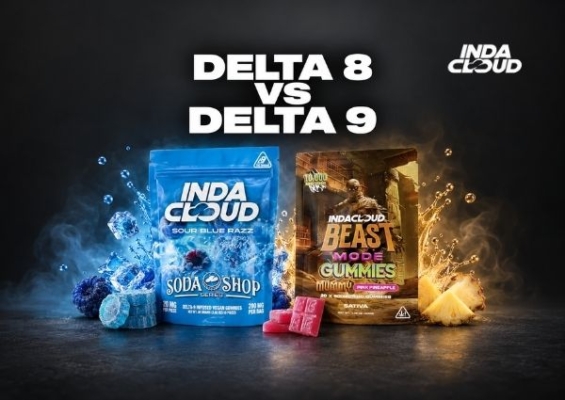
Delta 8

Delta 8 vs Delta 9: Complete Comparison
Let’s dive into the worlds of delta 8 and delta 9 THC. Delta 9…
Learn more
You must be 21+ to enter this site
 FREE SHIPPING $89+
 FREE GIFT ON $120+
 100% FEDERALLY LEGAL
 LAB TESTED FOR PURITY
FREE SHIPPING $89+
FREE GIFT ON $120+
100% FEDERALLY LEGAL
LAB TESTED FOR PURITY
FREE SHIPPING $89+
FREE GIFT ON $120+
100% FEDERALLY LEGAL
LAB TESTED FOR PURITY
FREE SHIPPING $89+
FREE GIFT ON $120+
100% FEDERALLY LEGAL
LAB TESTED FOR PURITY
FREE SHIPPING $89+
FREE GIFT ON $120+
100% FEDERALLY LEGAL
LAB TESTED FOR PURITY
FREE SHIPPING $89+
FREE GIFT ON $120+
100% FEDERALLY LEGAL
LAB TESTED FOR PURITY
FREE SHIPPING $89+
FREE GIFT ON $120+
100% FEDERALLY LEGAL
LAB TESTED FOR PURITY
FREE SHIPPING $89+
FREE GIFT ON $120+
100% FEDERALLY LEGAL
LAB TESTED FOR PURITY
LAB TESTED FOR PURITY
FREE SHIPPING $89+
FREE GIFT ON $120+
100% FEDERALLY LEGAL
LAB TESTED FOR PURITY
FREE SHIPPING $89+
FREE GIFT ON $120+
100% FEDERALLY LEGAL
LAB TESTED FOR PURITY
FREE SHIPPING $89+
FREE GIFT ON $120+
100% FEDERALLY LEGAL
LAB TESTED FOR PURITY
FREE SHIPPING $89+
FREE GIFT ON $120+
100% FEDERALLY LEGAL
LAB TESTED FOR PURITY
FREE SHIPPING $89+
FREE GIFT ON $120+
100% FEDERALLY LEGAL
LAB TESTED FOR PURITY
FREE SHIPPING $89+
FREE GIFT ON $120+
100% FEDERALLY LEGAL
LAB TESTED FOR PURITY
FREE SHIPPING $89+
FREE GIFT ON $120+
100% FEDERALLY LEGAL
LAB TESTED FOR PURITY

What are the manufacturing standards for Delta 8
Delta 8, a compound derived from hemp, has been gaining popularity for its potential therapeutic benefits. But how is Delta 8 manufactured, and what standards govern its production?
In this article, we will discuss what are the manufacturing standards for Delta 8, legal requirements, safety standards, quality control measures, different forms of Delta 8, potential uses, side effects, and tips for safe use.
Delta 8 is a cannabinoid derived from hemp, similar to tetrahydrocannabinol (THC), that has gained popularity in the consumer market due to its unique effects and benefits.
Unlike THC, Delta 8 is less psychoactive, offering a milder high that appeals to many users seeking relaxation without the intense psychoactive effects. Its chemical structure includes a double bond on the 8th carbon chain, which influences how it interacts with the body’s endocannabinoid system, resulting in a different experience than other cannabinoids.
The market for Delta 8 products has been rapidly expanding, driven by growing interest from recreational and medical users. Its legal status in many states has also contributed to the surge in availability, with a wide range of products, including Delta 8 gummies, tinctures, and vape cartridges, becoming increasingly popular among consumers.
Manufacturing standards for Delta 8 are critical to ensuring the product’s safety, efficacy, and quality. Strict regulation by the Food and Drug Administration (FDA) is pivotal in guiding manufacturers through the complex landscape of compliance, safety, and quality control measures.
Delta-8 THC is commonly derived from hemp rather than marijuana, primarily due to legal restrictions. The production process involves converting CBD or Delta-9 THC into Delta-8 THC through a chemical reaction. This conversion process typically includes dissolving CBD in a solvent, mixing it with an acid, and heating it for an extended period to achieve the transformation.
Producing Delta-8 THC requires specialized lab equipment and trained personnel to ensure safety and efficiency. High-performance liquid chromatography (HPLC) is often used to test the purity of the product. Proper laboratory conditions are essential to avoid contamination and ensure the production of a high-quality product.
Quality control is critical in the Delta-8 THC industry. Testing for purity and contaminants is necessary because the conversion process can leave behind byproducts that may be toxic. Labs should be accredited and follow rigorous testing protocols to verify the safety and accuracy of the product’s chemical composition.
Currently, the regulatory landscape for Delta-8 THC is inconsistent, leading to variability in product quality. Some states have specific regulations, while others do not. Consumers often lack reliable information about their products, posing safety risks. Advocacy for stricter regulations and standardized testing protocols is growing to ensure consumer safety.
Delta-8 THC is available in various forms, including tinctures, edibles, capsules, and topicals. Accurate labeling is crucial to inform consumers about the dosage, ingredients, and potential effects. Mislabeling is a common issue, leading to calls for more transparent and stringent labeling requirements to help consumers make informed choices.
As research on Delta-8 THC progresses, better methods for its identification and testing are being developed. There is a push for more comprehensive studies to understand the full spectrum of its effects and potential therapeutic benefits. Improved regulations and more robust research will likely shape the future of Delta-8 THC manufacturing standards .
Good Manufacturing Practices (GMP) are crucial in producing Delta-8 products to ensure consistent quality, safety, and efficacy. Here’s why GMP is important in Delta-8 production and some specific requirements:
Sanitary conditions are critical in Delta-8 production to prevent contamination and ensure product safety. GMP requires:
Laboratory testing standards play a crucial role in ensuring the safety, quality, and regulatory compliance of Delta-8 products. Here’s an overview of the requirements for accredited laboratories, the types of tests conducted, and protocols related to testing as per the Office of Cannabis Management (OCM).
ISO/IEC 17025 is an international standard that specifies the general requirements for the competence of testing and calibration laboratories. It ensures that laboratories demonstrate technical competency and produce valid results. For Delta-8 products, accredited laboratories under ISO/IEC 17025 certification are preferred for testing due to their adherence to rigorous quality management systems and technical proficiency.
Accredited laboratories conduct tests on Delta-8 products to verify their safety, potency, and quality. These tests typically include:
The frequency of testing and batch testing protocols are crucial to maintaining product consistency and safety:
Testing is critical to ensure that Delta-8 products are safe for consumers and comply with regulatory requirements. It assures potency, purity, and absence of harmful contaminants. Accredited laboratories play a key role in providing unbiased, reliable testing data that manufacturers and regulators can use to make informed decisions about product safety and quality.
Product formulation and ingredient standards are crucial aspects of Delta-8 product development, ensuring efficacy and safety. Here’s an overview based on guidance from organizations like CBD Nationwide:
Ingredients used in Delta-8 products should meet high-quality standards to ensure safety and efficacy:
When formulating Delta-8 products, it’s essential to comply with regulatory requirements set forth by authorities like CBD Nationwide. This includes ensuring that ingredients are safe for consumption, accurately labeled and that product formulations meet quality and potency standards.
Regulatory compliance and licensing are critical for manufacturers and distributors of Delta-8 products to ensure legality, consumer safety, and adherence to state and federal regulations. Here’s an overview based on guidelines from the Office of Cannabis Management (OCM):
Adhering to regulatory requirements is crucial for manufacturers and distributors of Delta-8 products to:
Consumer safety and education regarding Delta-8 THC are essential aspects, considering its increasing popularity and potential risks. Here’s an overview of the potential risks, guidelines for safe consumption, mechanisms for reporting adverse events, and the importance of public awareness campaigns and educational resources:
Consumer safety relies on informed decision-making. By providing accurate information about Delta-8 THC through public awareness campaigns, educational resources, and accessible reporting mechanisms, consumers can make safer choices. Manufacturers and retailers play a crucial role in ensuring products are labeled correctly and accompanied by educational materials.
Delta-8 THC is an area of growing interest in both research and industry. Here are some insights into emerging trends in Delta-8 THC research, potential therapeutic applications, ongoing studies, and anticipated regulatory changes:
The future of Delta-8 THC hinges on continued research to validate its therapeutic benefits and safety, while regulatory developments will shape its accessibility and market dynamics. Innovations in formulation and delivery methods could enhance its medical applications and consumer acceptance. Ultimately, ongoing research and regulatory evolution will determine Delta-8 THC’s role in the medical and recreational cannabis markets.
Delta 8 is manufactured through a chemical process that typically involves extracting Delta 8 from hemp using solvents and refining it in a laboratory to ensure purity and safety.
The legal requirements for manufacturing Delta 8 include compliance with federal and state regulations, such as the Agriculture Improvement Act of 2018 and the Controlled Substances Act, and obtaining the necessary licenses.
These laws form the foundation for the production of Delta 8, ensuring that manufacturers operate within the bounds of the law. The Agriculture Improvement Act of 2018, also known as the Farm Bill, legalized hemp-derived cannabinoids, including Delta 8 THC, as long as they contain less than 0.3% Delta 9 THC on a dry weight basis. This legislation provides the overarching guidelines for hemp cultivation and the extraction of cannabinoids.
Safety standards for manufacturing Delta 8 are designed to protect public health by minimizing risks such as adverse events, contamination with heavy metals, pesticides, and residual solvents.
These safety protocols encompass a series of stringent measures that manufacturers must follow to ensure the final product is safe for consumption. From the sourcing of raw materials to the extraction process and packaging, every step of the production chain is carefully monitored and regulated.
Laboratory testing plays a crucial role in the quality control process by detecting any potential contaminants or impurities in the Delta 8 products. By conducting thorough analyses, laboratories can verify the absence of harmful substances, ensuring compliance with safety guidelines and regulations.
Quality control measures for manufacturing Delta 8 include rigorous testing and certification processes such as obtaining a Certificate of Analysis (COA) to ensure quality assurance and transparency, ultimately protecting consumers.
Implementing comprehensive quality control measures throughout the production of Delta 8 is paramount to guaranteeing the purity and safety of the final product. By conducting stringent tests for potency, purity, and contaminants, manufacturers can uphold the highest standards in the industry, ensuring that consumers receive a reliable and consistent product.
By adhering to stringent certification requirements and transparent processes, companies can build a foundation of trust with their customer base, fostering long-term loyalty and satisfaction among users of Delta 8 products. Transparency in sourcing, production, and testing offers consumers peace of mind, knowing that they are purchasing a product that meets the highest quality and safety standards.
Delta 8 is available in various forms, including distillate, isolate, oil, tincture, and edibles, each offering unique benefits and consumption methods.
Delta 8 distillate is a highly concentrated extract that undergoes multiple refinement processes to achieve high purity levels, making it a versatile ingredient for various products.
One key step in creating Delta 8 distillate is the initial extraction process, where the compound is extracted from the cannabis plant using solvents such as ethanol or CO2. This crude extract then undergoes a series of purification techniques, including distillation and chromatography, to isolate and concentrate the Delta 8 compound.
The final product is a potent and pure form of Delta 8, which can be used in various applications, from creating edibles, vapes, and topicals to formulating medical products and supplements.
Delta 8 isolate is the purest form of Delta 8, achieved through an extensive extraction and chemical process that removes all other compounds, leaving only Delta 8.
During the extraction process, various methods such as chromatography and distillation are used to separate Delta 8 from the rest of the hemp plant components. The purification steps involve filtration and winterization to eliminate impurities, resulting in a highly concentrated form of Delta 8 isolate.
Delta 8 isolate is used in the pharmaceutical industry, where precise dosing is crucial, and in creating tailored formulations like tinctures, edibles, and vape cartridges. Its purity ensures consistent quality and potency, making it a preferred choice for those seeking a controlled Delta 8 experience.
Delta 8 oil is a liquid extract that incorporates Delta 8 as the active ingredient, commonly used for its ease of consumption and versatility in various products.
Derived from hemp, the formulation of Delta 8 oil involves extracting the Delta 8 compound and then infusing it into a carrier oil, such as MCT oil or hemp seed oil, to create a potent and easy-to-administer product. This oil is known for being shelf-stable and can be used in tinctures, edibles, topicals, and vape cartridges.
Consumers often appreciate the mild psychoactive effects of Delta 8 oil, which are considered to be gentler than Delta 9 THC. This makes it a popular choice for individuals seeking relaxation, mood enhancement, or relief from mild discomfort without the intense high associated with traditional THC products.
Delta 8 tincture is an alcohol-based extract designed for sublingual administration, offering a fast-acting and convenient method of consumption.
Making Delta 8 tincture involves extracting THC from hemp plants and infusing it into an alcohol base. This extraction method ensures a potent and concentrated product that retains Delta 8’s beneficial properties.
Sublingual administration of Delta 8 tincture allows for rapid absorption through the mucous membranes under the tongue, bypassing the digestive system and liver metabolism. This leads to quicker onset times, typically within 15-30 minutes, making it a preferred choice for those seeking fast relief. The convenience of sublingual dosing also allows users to easily control their intake and dose accurately.
Delta 8 edibles are food products infused with Delta 8, providing a convenient and enjoyable way to consume Delta 8 with precise dosage control.
These edibles come in various forms such as gummies, chocolates, and candies, offering a wide range of flavors to suit different preferences. Delta 8 gummies, in particular, have gained popularity due to their discreet nature and ease of consumption.
Regarding benefits, Delta 8 edibles are known for their longer-lasting effects compared to other methods of Delta 8 consumption. Making these edibles involves carefully infusing the food product with Delta 8 extract, ensuring consistent dosage in each serving.
Ensuring the safe use of Delta 8 products involves adhering to proper dosage guidelines, seeking products with quality assurance measures such as a Certificate of Analysis (COA), and prioritizing consumer protection.
Regarding Delta 8 products, moderation is key. Start with a low dosage and gradually increase based on your body’s response. It’s advisable to consult with a healthcare professional before incorporating Delta 8 into your wellness routine.
Sourcing from reputable brands that prioritize transparency and quality is crucial. Look for brands that provide detailed information on sourcing, extraction methods, and third-party lab testing. Always check for the COA to ensure the product’s potency and purity. By following these steps, you can enjoy the benefits of Delta 8 safely and effectively.
Delta 8’s manufacturing standards encompass stringent regulations, rigorous safety protocols, and comprehensive quality measures to ensure that consumers receive safe and effective products.
By adhering to these manufacturing standards, companies can build trust with consumers, demonstrate a commitment to safety, and safeguard their reputation in the market.
High-quality control measures help prevent contamination, ensure product consistency, and meet regulatory requirements set by authorities.
Failure to comply with these standards can lead to legal ramifications, tarnished brand image, and compromised consumer health.
Therefore, maintaining strict adherence to manufacturing guidelines is crucial for the success and sustainability of any Delta 8 product line.
The manufacturing standards for Delta 8 are set by various organizations, such as the FDA, DEA, and state departments of health.
The manufacturing standards for Delta 8 typically involve proper extraction, purification, testing, and packaging processes to ensure the safety and quality of the product.
Manufacturing standards are crucial for Delta 8 to ensure that the product is safe, high-quality, and meets regulatory requirements for consumer use.
Yes, manufacturing standards for Delta 8 may vary by state as each state may have its own regulations and guidelines for the production of this compound.
If the manufacturing standards for Delta 8 are not met, the product may be deemed unsafe or of poor quality, and may not be approved for sale by regulatory agencies.
Let’s dive into the worlds of delta 8 and delta 9 THC. Delta 9…
Learn more
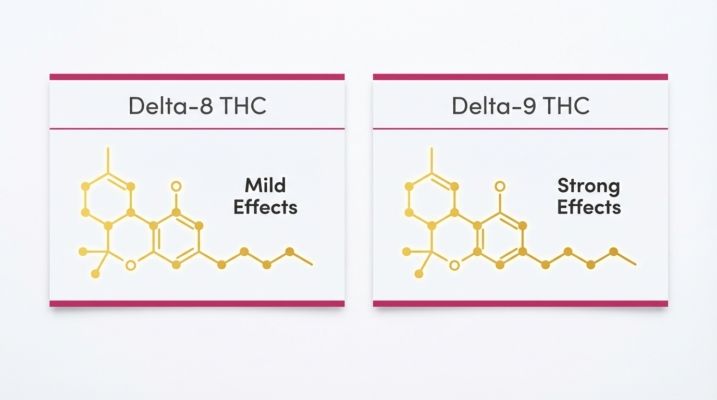
Delta-8 THC is a naturally occurring cannabinoid found in cannabis plants that produces milder…
Learn more
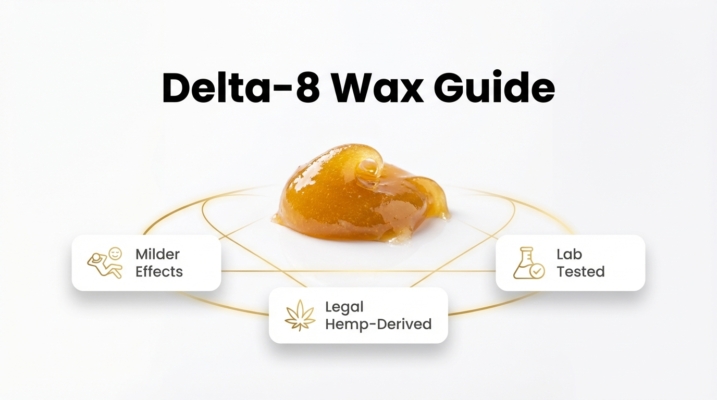
Delta-8 THC wax is a concentrated cannabis extract containing high levels of delta-8-tetrahydrocannabinol in…
Learn more
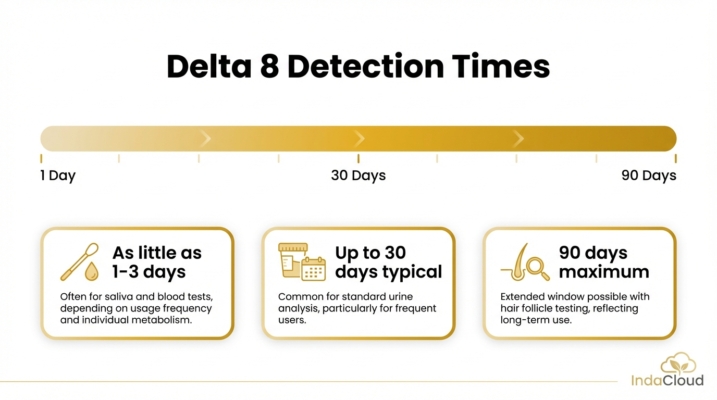
Delta-8 THC is a hemp-derived cannabinoid that stays in your system for as little…
Learn more
