



Delta 8

Delta 8 vs Delta 9: Complete Comparison
Let’s dive into the worlds of delta 8 and delta 9 THC. Delta 9…
Learn more
You must be 21+ to enter this site
 FREE SHIPPING $89+
 FREE GIFT ON $120+
 100% FEDERALLY LEGAL
 LAB TESTED FOR PURITY
FREE SHIPPING $89+
FREE GIFT ON $120+
100% FEDERALLY LEGAL
LAB TESTED FOR PURITY
FREE SHIPPING $89+
FREE GIFT ON $120+
100% FEDERALLY LEGAL
LAB TESTED FOR PURITY
FREE SHIPPING $89+
FREE GIFT ON $120+
100% FEDERALLY LEGAL
LAB TESTED FOR PURITY
FREE SHIPPING $89+
FREE GIFT ON $120+
100% FEDERALLY LEGAL
LAB TESTED FOR PURITY
FREE SHIPPING $89+
FREE GIFT ON $120+
100% FEDERALLY LEGAL
LAB TESTED FOR PURITY
FREE SHIPPING $89+
FREE GIFT ON $120+
100% FEDERALLY LEGAL
LAB TESTED FOR PURITY
FREE SHIPPING $89+
FREE GIFT ON $120+
100% FEDERALLY LEGAL
LAB TESTED FOR PURITY
LAB TESTED FOR PURITY
FREE SHIPPING $89+
FREE GIFT ON $120+
100% FEDERALLY LEGAL
LAB TESTED FOR PURITY
FREE SHIPPING $89+
FREE GIFT ON $120+
100% FEDERALLY LEGAL
LAB TESTED FOR PURITY
FREE SHIPPING $89+
FREE GIFT ON $120+
100% FEDERALLY LEGAL
LAB TESTED FOR PURITY
FREE SHIPPING $89+
FREE GIFT ON $120+
100% FEDERALLY LEGAL
LAB TESTED FOR PURITY
FREE SHIPPING $89+
FREE GIFT ON $120+
100% FEDERALLY LEGAL
LAB TESTED FOR PURITY
FREE SHIPPING $89+
FREE GIFT ON $120+
100% FEDERALLY LEGAL
LAB TESTED FOR PURITY
FREE SHIPPING $89+
FREE GIFT ON $120+
100% FEDERALLY LEGAL
LAB TESTED FOR PURITY


What are the Shipping Restrictions for Delta 8
Delta 8, a famous cannabinoid derived from hemp, has been gaining attention for its potential benefits and effects. As its popularity rises, there are specific shipping restrictions that consumers and businesses must be aware of.
This article will discuss what are the shipping restrictions for Delta 8, the federal and state laws regarding its shipment internationally.
Stay tuned to learn more about the shipping restrictions for Delta 8.
Delta 8 is a cannabinoid, a chemical compound similar to tetrahydrocannabinol (THC), that interacts with the endocannabinoid system in the human body.
What sets Delta 8 apart from THC is its molecular structure, making it less psychoactive. Delta 8 contains a double bond on the eighth carbon chain, whereas THC has this bond on the ninth. This subtle difference affects how the cannabinoid interacts with the CB1 receptors in the brain, leading to a milder high while still providing therapeutic benefits. Due to its unique properties, Delta 8 is gaining popularity for its potential to deliver a more balanced experience compared to THC. It offers users a smoother, clearer high, making it a sought-after alternative in the cannabis market.
Shipping restrictions for Delta-8-THC (Delta-8) can vary based on federal and state laws. Here are some key points to consider:
Delta-8-THC is legal in some states and illegal in others. Here are the typical categories:
The Agriculture Improvement Act of 2018, also known as the 2018 Farm Bill, states that all derivatives, isomers, and cannabinoids in hemp are legal, provided that the final product has less than 0.3% Delta 9 THC.
States that have adopted the 2018 Farm Bill:
As of the latest updates, Delta-8-THC is commonly restricted or banned in the following states (this list is subject to change):
The legal status of Delta 8 is a subject of debate, influenced by the Agriculture Improvement Act of 2018 and regulations set forth by the Food and Drug Administration (FDA) in states like California and Connecticut.
Delta 8, a cannabinoid derivative from hemp, has sparked interest due to its milder psychoactive effects compared to Delta 9 THC. The Agriculture Improvement Act of 2018 allowed for the legal production and sale of hemp-derived products, including Delta 8, with a THC concentration of 0.3% or lower. The FDA has raised concerns about the safety and regulation of Delta 8 products, casting a shadow over its legality.
Regarding state laws, California takes a more permissive stance towards cannabis products, including Delta 8, with a well-established market for both recreational and medical marijuana. On the other hand, Connecticut has stricter regulations, treating Delta 8 as a controlled substance, aligning more closely with federal guidelines.
Federal laws regarding Delta 8 are primarily governed by the Controlled Substances Act and regulations from the Food and Drug Administration (FDA), with enforcement often involving the Transportation Security Administration (TSA).
Under the Controlled Substances Act, Delta 8 falls under the category of controlled substances, precisely a Schedule I substance due to its psychoactive properties. This classification means that the production, distribution, and possession of Delta 8 are subject to strict regulations. The FDA monitors the safety and labeling of Delta 8 products to ensure consumer protection and compliance with health standards.
The TSA plays a vital role in enforcing federal laws regarding traveling with Delta 8 products. Passengers are not permitted to carry Delta 8 products across state lines or on flights, as these products are considered illegal at the federal level. Any attempt to transport Delta 8 through airport security could lead to confiscation and legal consequences, highlighting the importance of understanding and adhering to these regulations.
Shipping restrictions for Delta 8 to certain states, such as Oregon, Minnesota, Arkansas, Mississippi, and Michigan, can be stringent, and each state imposes unique limitations.
For instance, in Oregon, Delta 8 products must comply with the state’s regulations on THC content, with a maximum allowable limit. On the other hand, Arkansas strictly prohibits the sale of Delta 8 products for inhalation. These restrictions vary from one state to another and impact both consumers and businesses. Consumers may need help accessing certain Delta 8 products, while companies must navigate a complex web of regulations and compliance measures to operate in these states.
Shipping Delta 8 internationally involves handling complex customs regulations and ensuring compliance with the laws of both the shipping and receiving countries.
Customs clearance is critical to international Delta 8 shipping, as different countries have varying restrictions and protocols. This requires meticulous documentation, accurate labeling, and import/export regulations knowledge.
Meeting Delta 8’s international shipping requirements entails a thorough understanding of classifications, packaging standards, and the allowable quantities permitted by each country.
Non-compliance can lead to delays, confiscation, or even legal consequences, emphasizing the importance of working with experienced freight forwarders and staying up-to-date with evolving trade laws.
Shipping restrictions for Delta 8 are largely due to legal, regulatory, and safety concerns, also issues surrounding privacy and product efficacy.
The potential risks of shipping Delta 8 include legal ramifications, regulatory violations, and safety concerns related to its controlled substance status.
Regarding legal consequences, shipping Delta 8 across state lines without proper licenses and compliance can lead to hefty fines, confiscation of goods, and even criminal charges. Regulations regarding the transportation of controlled substances are strict, and failing to adhere to them can result in severe penalties.
In terms of safety, improper handling or packaging of Delta 8 products can pose risks to the individuals handling them and the general public. Inadequate labeling or accidental leaks during transit could lead to harmful exposure or accidents.
Shipping Delta 8 internationally requires understanding different countries’ import/export laws to avoid customs issues, product seizure, and legal entanglements that may have far-reaching consequences for both the sender and the recipient.
Law enforcement agencies are concerned with ensuring regulatory compliance and preventing the misuse or illegal distribution of Delta 8 under the Controlled Substances Act.
One primary concern is that Delta 8, due to its psychoactive properties, may be misused for recreational purposes, posing risks to public health and safety. Law enforcement authorities are vigilant in monitoring the production, sale, and distribution of Delta 8 products to curb any potential abuse or illegal activities.
The lack of clear guidelines and oversight in the Delta 8 industry raises red flags for law enforcement agencies, opening the door to non-compliance with existing regulations. Consequently, efforts are being made to establish stricter protocols and enforce stringent measures to combat the illicit use of Delta 8 and maintain law and order.
Ensuring compliance with shipping restrictions for Delta 8 involves adhering to regulations, maintaining proper documentation such as a certificate of analysis, and following specific processes for order fulfillment to protect consumers.
Best practices for shipping Delta 8 include following regulatory guidelines, maintaining compliance, and ensuring accurate order processing.
Regarding regulatory guidelines, it is vital to stay updated with the latest laws and restrictions surrounding the shipping of Delta 8 products. This can involve checking Delta 8’s legal status in specific states and countries and following proper packaging and labeling requirements. Maintaining compliance ensures the legality of your shipments and builds trust with customers and authorities.
Violating shipping restrictions for Delta 8 can lead to significant legal consequences, including fines and regulatory actions from law enforcement agencies.
When individuals or businesses engage in illegal shipping practices, they risk substantial fines and the possibility of having their products seized or confiscated by authorities.
Penalties for violating these restrictions can vary depending on the severity of the offense and may result in costly legal battles and damage to reputation. Law enforcement plays a crucial role in monitoring and enforcing shipping regulations to ensure compliance across the supply chain. Their efforts aim to maintain the integrity of the shipping industry and protect consumer safety.
The shipping restrictions for Delta 8 are complex and multifaceted, involving strict compliance with regulations to protect consumers and ensure legal adherence.
One of the primary concerns surrounding Delta 8 is the varying state laws and regulations that dictate its transportation and sale. Businesses in this sector must navigate a web of legal requirements to avoid penalties or potential shutdowns.
Ensuring compliance with age restrictions and labeling regulations is crucial to safeguarding consumer well-being and maintaining trust in the market.
Consumers must stay informed about these restrictions and only purchase Delta 8 products from reputable sources that adhere to all legal guidelines.
Unfortunately, due to the varying laws and regulations surrounding Delta 8, we cannot ship internationally.
Yes, just like with any other age-restricted product, you must be of legal age to purchase and consume Delta 8 products in your state. We do require age verification before shipping any orders.
No, a prescription is not required to purchase Delta 8 products. However, it is important to check with your state’s laws and regulations, as some states may require a medical recommendation for Delta 8 use.
If your Delta 8 product is seized during shipping, we will do our best to work with the shipping carrier to resolve the issue. However, we cannot guarantee that the product will be returned or that you will receive a refund for the seized product.
Yes, once your order has been processed and shipped, you will receive a tracking number and information on how to track your shipment. Please note that shipping times may vary depending on your location.
Let’s dive into the worlds of delta 8 and delta 9 THC. Delta 9…
Learn more
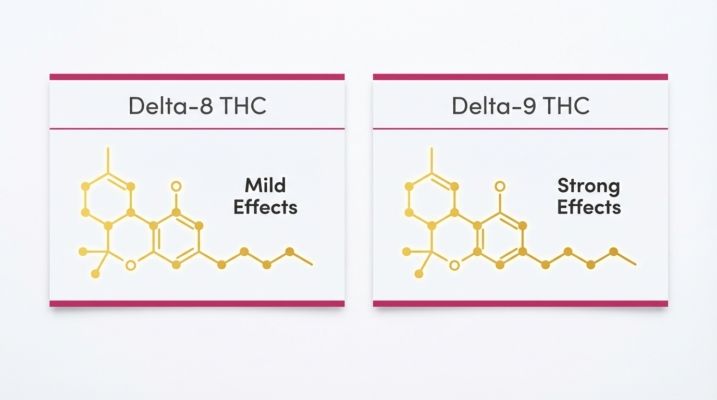
Delta-8 THC is a naturally occurring cannabinoid found in cannabis plants that produces milder…
Learn more
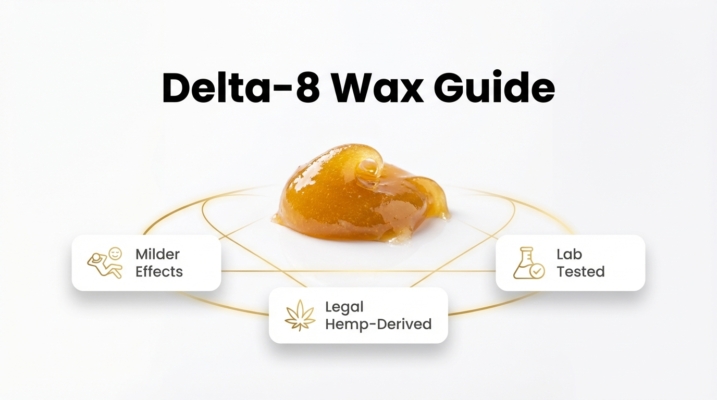
Delta-8 THC wax is a concentrated cannabis extract containing high levels of delta-8-tetrahydrocannabinol in…
Learn more
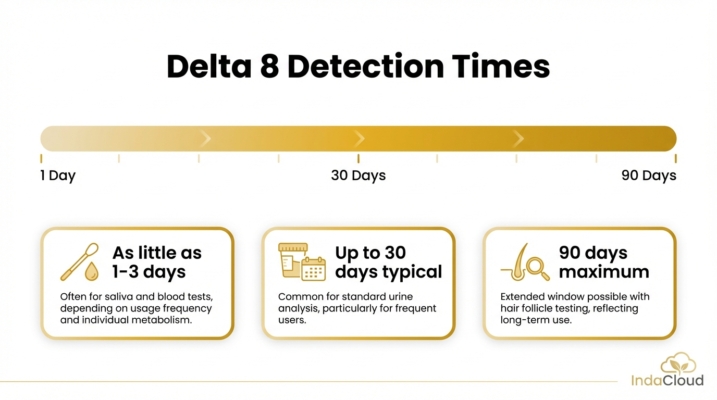
Delta-8 THC is a hemp-derived cannabinoid that stays in your system for as little…
Learn more
