



Delta 8

Delta 8 vs Delta 9: Complete Comparison
Let’s dive into the worlds of delta 8 and delta 9 THC. Delta 9…
Learn more
You must be 21+ to enter this site
 FREE SHIPPING $89+
 FREE GIFT ON $120+
 100% FEDERALLY LEGAL
 LAB TESTED FOR PURITY
FREE SHIPPING $89+
FREE GIFT ON $120+
100% FEDERALLY LEGAL
LAB TESTED FOR PURITY
FREE SHIPPING $89+
FREE GIFT ON $120+
100% FEDERALLY LEGAL
LAB TESTED FOR PURITY
FREE SHIPPING $89+
FREE GIFT ON $120+
100% FEDERALLY LEGAL
LAB TESTED FOR PURITY
FREE SHIPPING $89+
FREE GIFT ON $120+
100% FEDERALLY LEGAL
LAB TESTED FOR PURITY
FREE SHIPPING $89+
FREE GIFT ON $120+
100% FEDERALLY LEGAL
LAB TESTED FOR PURITY
FREE SHIPPING $89+
FREE GIFT ON $120+
100% FEDERALLY LEGAL
LAB TESTED FOR PURITY
FREE SHIPPING $89+
FREE GIFT ON $120+
100% FEDERALLY LEGAL
LAB TESTED FOR PURITY
LAB TESTED FOR PURITY
FREE SHIPPING $89+
FREE GIFT ON $120+
100% FEDERALLY LEGAL
LAB TESTED FOR PURITY
FREE SHIPPING $89+
FREE GIFT ON $120+
100% FEDERALLY LEGAL
LAB TESTED FOR PURITY
FREE SHIPPING $89+
FREE GIFT ON $120+
100% FEDERALLY LEGAL
LAB TESTED FOR PURITY
FREE SHIPPING $89+
FREE GIFT ON $120+
100% FEDERALLY LEGAL
LAB TESTED FOR PURITY
FREE SHIPPING $89+
FREE GIFT ON $120+
100% FEDERALLY LEGAL
LAB TESTED FOR PURITY
FREE SHIPPING $89+
FREE GIFT ON $120+
100% FEDERALLY LEGAL
LAB TESTED FOR PURITY
FREE SHIPPING $89+
FREE GIFT ON $120+
100% FEDERALLY LEGAL
LAB TESTED FOR PURITY

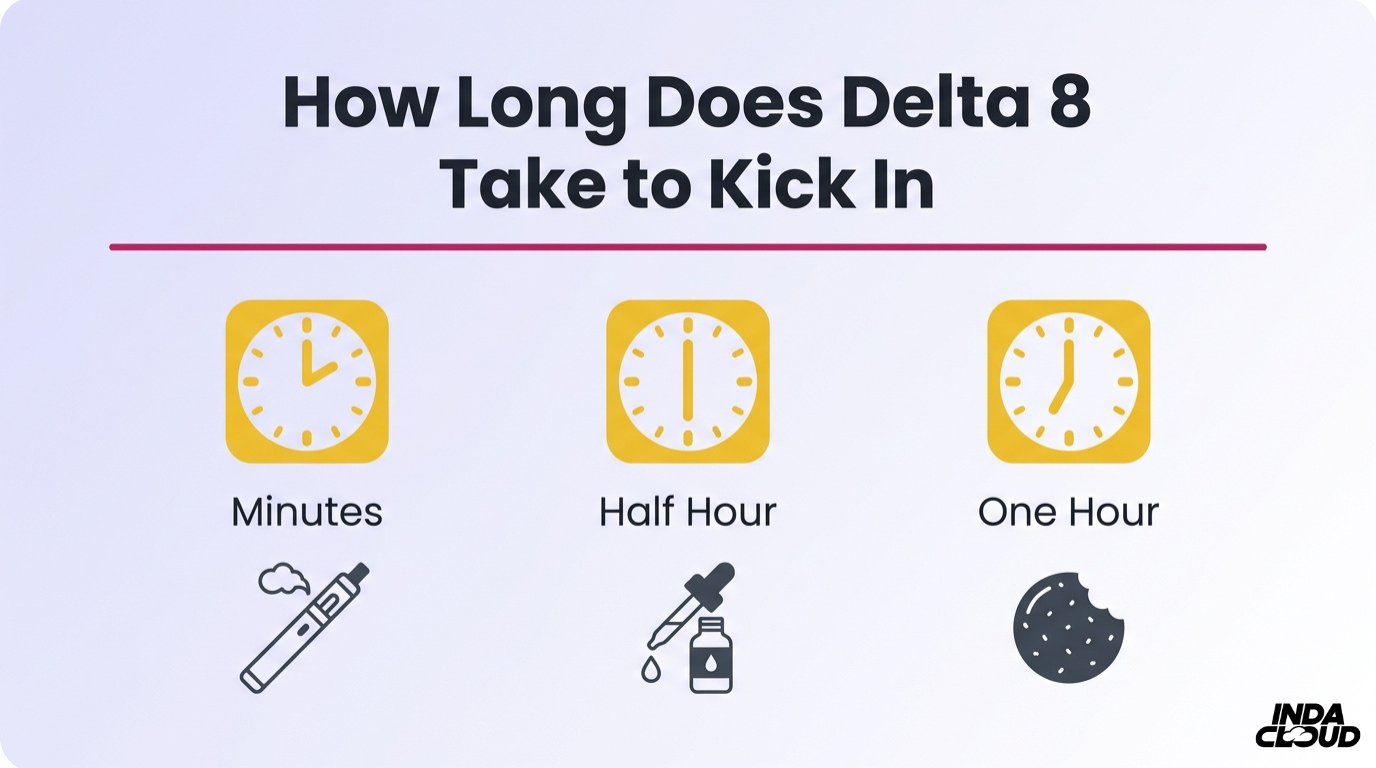
Delta 8 onset time is the period between consuming a delta 8 THC product and feeling its psychoactive effects, ranging from minutes with inhalation to over an hour with edibles.
We cover onset timelines by delivery method, the personal factors that shift your experience, how delta 8 compares to delta 9 THC, effect duration, and how to choose the right product for your preferred timing.
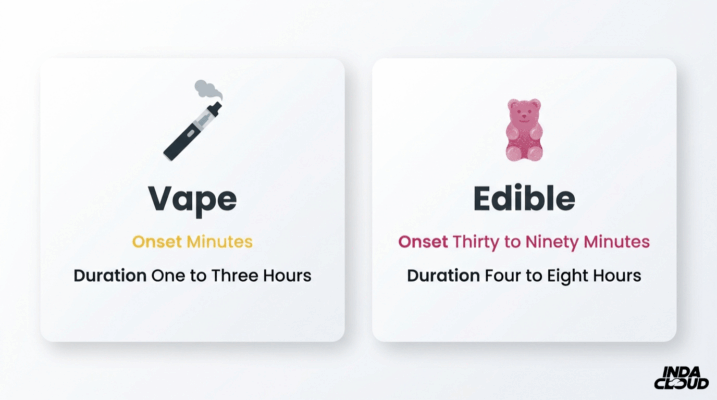
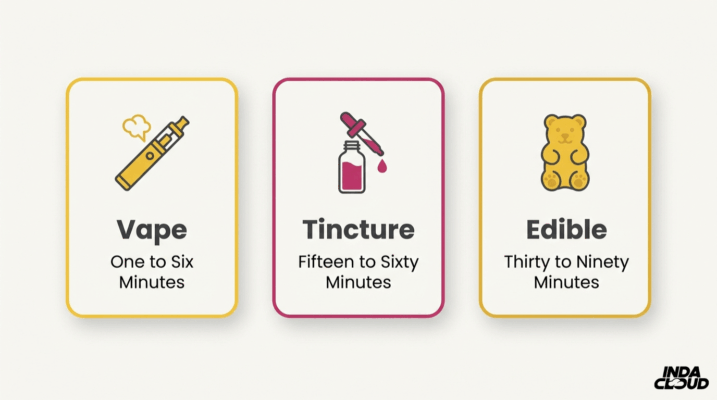
Delivery method is the single largest variable in onset speed. Vaping and smoking delta 8 flower deliver effects within roughly 1 to 6 minutes through direct lung absorption, while sublingual tinctures fall in a 15 to 60 minute window by bypassing the digestive tract. Edibles, including gummies, brownies, and swallowed tinctures, require 30 to 90 minutes because oral THC must clear first-pass liver metabolism before reaching the bloodstream.
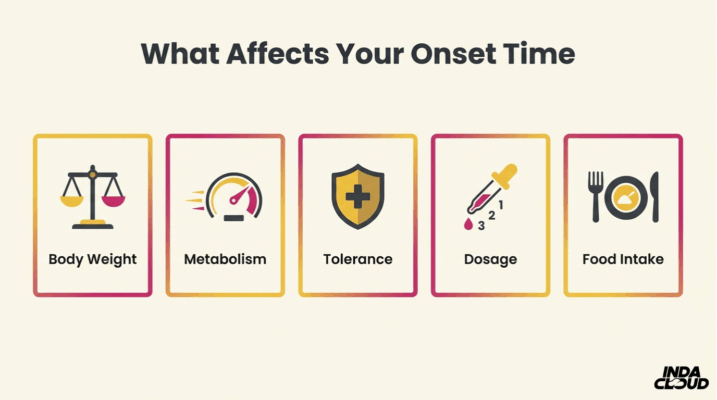
Several personal factors also shape how quickly delta 8 kicks in. Body weight and fat percentage influence how much THC gets stored in adipose tissue before reaching receptors. Tolerance level determines CB1 receptor sensitivity, metabolism governs enzyme processing speed, dosage affects how fast blood concentrations cross the perception threshold, and eating before dosing can delay or enhance absorption depending on meal composition.
Delta 8 produces similar onset timelines as delta 9 THC across matching delivery methods, though its weaker CB1 receptor affinity means effects feel roughly half as intense at equivalent doses. This subtlety makes patience especially important with edibles, where premature redosing is the most common cause of overconsumption.
Effect duration varies just as widely: inhaled delta 8 lasts 1 to 3 hours, while edibles sustain effects for 4 to 8 hours. Understanding both onset and duration helps you select the right format, whether that means a fast-acting vape for controlled sessions or a longer-lasting edible for sustained relief.
Delta 8 onset time is the period between consuming a delta 8 THC product and feeling its effects. This window varies significantly depending on the delivery method, ranging from minutes with inhalation to over an hour with edibles. Understanding onset time matters because it directly influences dosing decisions, helps prevent overconsumption, and allows users to plan their experience around the right product format.
Delta 8 THC, a naturally occurring cannabinoid in the Cannabis sativa plant, produces psychoactive effects similar to delta 9 THC. However, because delta 8 exhibits weaker affinity for the CB1 cannabinoid receptor, its effects tend to build more gradually and feel less intense. This subtler pharmacological profile makes onset awareness especially important; without it, new users may misjudge timing and take a second dose before the first has fully activated.
According to an NIH review of cannabinoid pharmacokinetics, inhaled THC reaches peak blood concentration within 6 to 10 minutes, while ingested THC undergoes extensive hepatic first-pass metabolism that delays and reduces absorption. The bioavailability gap is substantial: inhaled THC delivers 10% to 35% of the active compound to the bloodstream, compared to just 4% to 12% for oral ingestion. These pharmacokinetic differences explain why a delta 8 vape cart can produce noticeable effects almost immediately, while a delta 8 gummy may require 45 minutes or longer.
Several personal factors also shape how quickly delta 8 kicks in, such as body weight, metabolic rate, tolerance level, and whether you have eaten recently. The sections ahead break down onset times for each major product type, explore how individual variables shift the timeline, and offer practical guidance for choosing the right delta 8 format based on how quickly you want to feel results.
Delta 8 edibles typically take 30 to 90 minutes to produce noticeable effects. The specific onset depends on the edible type, with gummies, baked goods, and swallowed tinctures each absorbing at slightly different rates.
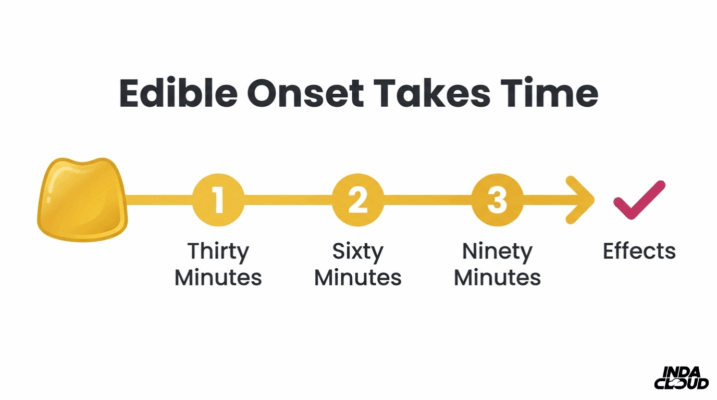
Delta 8 gummies take 30 to 60 minutes to kick in for most users. Gummies must pass through the digestive system before delta 8 THC reaches the bloodstream, and the gelatin or pectin base dissolves gradually in the stomach. According to the FDA, 66% of adverse events reported for delta-8 THC products involved food products like brownies and gummies, which underscores the importance of waiting patiently rather than redosing too soon. Body composition, recent meals, and individual metabolism all influence where you fall within this window. Starting low and waiting at least 90 minutes before considering a second dose is the safest approach for any edible format.
Delta 8 brownies and baked goods take 45 to 90 minutes to hit. These edibles contain fats from butter or oil, which affects how the body processes delta 8 THC. Because THC is highly lipid soluble, fat-rich baked goods can slow initial absorption while potentially enhancing overall uptake once digestion progresses. The denser composition of brownies, cookies, and cereal bites means they take longer to break down compared to gummies. For most people, peak effects from baked goods arrive closer to the two-hour mark. This longer window makes patience especially important; consuming a second serving too early is one of the most common mistakes new edible users make.
Delta 8 tinctures take 30 to 75 minutes to produce effects when swallowed directly. Swallowing a tincture sends it through the same digestive pathway as gummies and baked goods, subjecting it to hepatic first-pass metabolism in the liver. This process converts delta 8 THC into metabolites before they enter general circulation, which delays onset compared to sublingual absorption. The liquid format does allow slightly faster stomach absorption than solid edibles, placing swallowed tinctures at the quicker end of the edible onset spectrum. For a noticeably faster experience, holding tincture drops under the tongue before swallowing bypasses much of the digestive delay.
With edible onset times established, understanding how vaping compares reveals why delivery method is the single biggest factor in how quickly delta 8 takes effect.
Delta 8 hits quickly when you vape it, with most users feeling effects within minutes of inhalation. The subsections below cover onset times for both vape cartridges and disposable vape pens.
Delta 8 vape cartridges take effect within approximately 1 to 6 minutes after inhalation. When vapor enters the lungs, delta 8 THC absorbs rapidly into the bloodstream, bypassing the digestive system entirely. This direct route produces noticeably faster results compared to edibles or capsules.
According to a SAMHSA report, delta-8-THC produces similar pharmacodynamic effects as delta-9-THC, including euphoria and impairment. Because the onset is so rapid, starting with a single small puff and waiting several minutes before taking another is a practical approach for gauging your response. Individual factors like tolerance and body composition can shift the exact timing slightly, but cartridges consistently deliver one of the fastest onset windows among all delta 8 product types.
You feel delta 8 from disposable vape pens within the same 1 to 6 minute window as standard cartridges. Disposable pens use the same inhalation delivery method, so the pharmacokinetics remain virtually identical. The key difference is convenience, not speed; disposables arrive pre-filled and pre-charged, requiring no setup.
According to Cannabis Business Times, the U.S. market for delta-8 THC and other hemp-derived cannabinoids grew by 1,283% in three years, reaching $2.8 billion in 2023. That explosive growth has driven wider availability of disposable options, though product quality varies significantly between brands. Choosing lab-tested disposables from reputable sources is critical for consistent onset and a predictable experience.
With vaping onset times established, understanding how long those effects last helps you plan your sessions more effectively.
Delta 8 flower takes effect within minutes when smoked, making it one of the fastest delivery methods available. The following subsections cover onset timing for loose flower and pre-rolls.
Delta 8 flower kicks in within roughly 1 to 5 minutes when smoked. Combustion delivers delta 8 THC through the lungs, where it enters the bloodstream almost immediately. According to a National Institutes of Health review, inhaled THC reaches peak plasma concentration within 6 to 10 minutes after inhalation, with bioavailability ranging from 10% to 35%.
Several factors influence exactly how quickly you notice effects:
Because smoking bypasses the digestive system entirely, there is no first-pass liver metabolism to delay the experience. This makes flower one of the most predictable formats for users who want rapid onset.
Delta 8 pre-rolls take effect just as quickly as loose flower, typically within 1 to 5 minutes. Pre-rolls use the same inhalation pathway, so the onset mechanism is identical. The ground flower combusts, releases delta 8 THC vapor, and the lungs absorb it directly into the bloodstream.
One practical advantage of pre-rolls is dosing consistency. Each pre-roll contains a measured amount of flower, which helps users gauge how much they consume per session. For those new to delta 8, starting with a few puffs and waiting 5 to 10 minutes before taking more is a reliable approach to finding the right intensity.
With smoking onset well understood, the next consideration is how sublingual tinctures compare in speed.
The onset time for delta 8 tinctures taken sublingually is typically 15 to 60 minutes. Sublingual administration allows delta 8 THC to absorb through the mucous membranes beneath the tongue, bypassing the digestive tract and hepatic first-pass metabolism that slow down swallowed edibles. According to research published in The Permanente Journal, the pharmacokinetics of sublingual THC formulations differ from oral formulations, producing a faster onset of action within that 15 to 60 minute window. This makes sublingual tinctures a middle ground between the near-immediate effects of vaping and the prolonged wait associated with gummies or baked goods. For consistent results, hold the tincture under your tongue for 60 to 90 seconds before swallowing. Individual factors like tolerance and metabolism still influence exactly when effects begin, so understanding your body’s response helps set realistic expectations.
Your body weight affects delta 8 onset time by influencing how the cannabinoid distributes and stores across your tissues. Heavier individuals and those with higher body fat percentages often experience delayed or muted effects compared to lighter users.
THC is highly lipid soluble and is therefore rapidly taken up by fat tissue, according to a study published by the National Institutes of Health. This means individuals with greater fat mass absorb more delta 8 into adipose cells before it reaches cannabinoid receptors in the brain, which can slow perceived onset and reduce peak intensity from a single dose.
Lighter individuals with less body fat tend to feel effects sooner because a higher proportion of circulating delta 8 reaches CB1 receptors without extensive lipid sequestration. Several body weight factors influence how quickly delta 8 takes effect:
For heavier users, this does not necessarily mean taking a larger dose right away. Patience matters more than dose escalation, especially with edibles where onset already takes longer due to first-pass metabolism. Starting low and waiting the full onset window before redosing is the safest approach regardless of body weight. Understanding how tolerance and food intake interact with body composition helps you dial in timing more precisely.
Yes, your tolerance level changes how fast delta 8 kicks in. Regular cannabinoid use builds CB1 receptor desensitization, which can delay perceived onset and reduce effect intensity. Below, the key mechanisms and practical considerations are covered.
Tolerance to delta 8 THC develops through repeated CB1 receptor activation. When cannabinoids bind to these receptors frequently, the body downregulates receptor availability, meaning more compound is needed to produce the same response. This process directly affects how quickly users perceive effects after dosing.
According to NIH research, the plasma half-life of THC is 1 to 3 days in occasional users and 5 to 13 days in chronic users. That extended half-life in frequent consumers means residual cannabinoids occupy receptor sites longer, blunting the perceived speed and strength of new doses. For someone with low or no tolerance, delta 8 effects register faster because CB1 receptors respond more readily to smaller amounts of the cannabinoid.
Practical signs that tolerance is influencing your onset experience include:
A tolerance break of 48 to 72 hours allows CB1 receptors to begin resensitizing, which can restore faster onset times. For most users, this is the simplest way to recalibrate without switching products or increasing dosage. Adjusting consumption frequency is often more effective than chasing higher potency, particularly with delta 8’s milder receptor affinity compared to delta 9 THC.
Understanding how eating before dosing interacts with tolerance adds another layer to onset timing.
Eating before dosing affects Delta 8 onset time by altering how quickly your digestive system absorbs the cannabinoid. A full stomach slows absorption of oral Delta 8 products, while an empty stomach speeds it up. The type of food matters too, since fatty meals can influence how efficiently THC enters your bloodstream.
When you consume Delta 8 edibles on a full stomach, the cannabinoid competes with other food for digestive processing. This delays breakdown and absorption, often pushing onset times beyond the typical window. However, because THC is highly lipid soluble, eating a meal rich in healthy fats can actually improve overall absorption once digestion completes. According to Restart CBD’s THC dosing guide, the effects of THC vary depending on the dosage, individual tolerance, and the specific variant consumed, which means food interactions compound an already variable experience.
An empty stomach generally produces faster onset with edibles, though the trade-off may include a more intense initial effect that fades sooner. For inhaled Delta 8 products like vapes or flower, food in the stomach has minimal impact since cannabinoids bypass the digestive tract entirely. Timing your meals strategically around your Delta 8 dose gives you more predictable control over when effects begin and how strong they feel.
Your metabolism directly influences how fast delta 8 THC takes effect. A faster metabolic rate speeds up onset, while a slower metabolism delays it. The role of metabolic enzymes, body composition, and individual variability all shape this timeline.
A fast metabolism processes delta 8 THC more quickly through the liver, converting it into active metabolites sooner. This means effects can arrive earlier, particularly with edibles that must pass through the digestive system first. Individuals with naturally higher metabolic rates, such as younger adults or those who exercise regularly, often report feeling delta 8 sooner than those with slower metabolic activity.
According to a study published in ScienceDirect, cannabinoid metabolism via CYP450 enzymes is variable, producing both active and inactive metabolites. These liver enzymes determine how efficiently your body breaks down delta 8 THC into compounds that interact with cannabinoid receptors. Genetic differences in CYP450 enzyme activity explain why two people taking the same dose can experience noticeably different onset times.
Body composition also plays a role here, since THC is highly lipid soluble. People with higher body fat percentages may absorb delta 8 into fat tissue before it reaches peak plasma levels, which can slightly delay the initial onset while extending the overall duration of effects. Conversely, leaner individuals tend to experience a more direct pathway from absorption to effect.
For anyone finding that delta 8 consistently takes longer to kick in, a slower metabolism is often the most likely explanation. Choosing faster delivery methods like vaping can bypass much of this metabolic variability, while edible users should plan for wider onset windows based on their individual metabolic profile.
Delta 8 dosage influences how quickly you feel it by affecting how much active compound your body must absorb and process before reaching perceptible levels. Higher doses generally produce noticeable effects sooner, while lower doses may take longer to cross the threshold of perception. The relationship between dose size and onset speed depends on your chosen consumption method, individual tolerance, and metabolism.
A low dose of delta 8, typically 5 to 10 milligrams in edible form, requires your body to absorb and metabolize a smaller quantity of cannabinoid before effects register. Because less compound needs to clear first-pass metabolism in the liver, some users assume lower doses kick in faster. In practice, the opposite often occurs. Smaller amounts of delta 8 THC may hover just below the perceptible threshold for longer, making onset feel delayed even though absorption has already begun. According to an NIH study on cannabinoid pharmacokinetics, the bioavailability of ingested THC is only 4% to 12%, which means a low oral dose delivers very little active compound to the bloodstream.
Higher doses saturate absorption pathways more quickly, pushing delta 8 concentrations past the perception threshold sooner. A 25 to 50 milligram edible delivers more cannabinoid material to the digestive system simultaneously, so even with the same slow absorption rate, blood levels rise to noticeable levels in less time. With inhalation methods, this effect becomes even more pronounced; larger draws from a vape deliver more delta 8 to the lungs at once, accelerating the already rapid pulmonary absorption process.
For most people, starting with a moderate dose rather than a minimal one produces a more predictable onset window. That said, jumping to an excessively high dose to speed up effects is counterproductive and potentially uncomfortable. The smarter approach involves finding the lowest effective dose for your body and adjusting from there, rather than relying on dose size alone to control timing.
Understanding how dosage interacts with onset helps set realistic expectations when comparing delta 8 to its more potent counterpart.
Delta 8 onset compares to Delta 9 THC onset similarly across delivery methods, though Delta 8 typically produces milder effects due to weaker receptor binding. The key differences involve potency and intensity rather than timing.
Both Delta 8 (Δ8-THC) and Delta 9 THC follow the same pharmacokinetic pathways depending on the delivery system used. Inhaled forms of either cannabinoid reach peak blood levels within minutes, while oral formulations require longer due to hepatic first-pass metabolism. Sublingual THC formulations offer a middle ground, with onset ranging from 15 to 60 minutes regardless of which THC variant is consumed, according to research published in The Permanente Journal.
Where these two cannabinoids diverge is potency, not speed. Delta 8 THC is a partial agonist of the CB1 cannabinoid receptor, while Delta 9 serves as a strong agonist at the same receptor. This weaker CB1 affinity means Delta 8 produces effects that feel less intense at equivalent doses. Because the onset timeline depends on absorption and delivery rather than receptor activity, both compounds kick in at roughly the same pace when consumed through the same method.
For practical purposes, this distinction matters most with edibles. Since oral cannabinoids have a bioavailability of only 4% to 12%, new users sometimes assume their Delta 8 edible “isn’t working” and consume more before effects fully develop. The reduced intensity of Delta 8 can make initial effects even subtler, which increases the risk of overconsumption during the waiting period. Starting low and waiting at least 90 minutes before redosing remains the safest approach for either cannabinoid.
Understanding how Delta 8 and Delta 9 compare in onset helps you set realistic expectations for how long effects will last.
Delta 8 effects last anywhere from 1 to 8 hours depending on the consumption method. Edibles produce the longest-lasting experience, while vaping and smoking deliver shorter but more immediate effects.
Delta 8 edible effects last approximately 4 to 8 hours. Because oral THC undergoes extensive hepatic first-pass metabolism, the body converts delta 8 into active metabolites that sustain effects far longer than inhaled methods. According to the NIH, ingested THC has a bioavailability of only 4% to 12%, which means absorption is slower and more gradual, stretching the experience over several hours.
The trade-off is worth understanding: edibles take longer to kick in, but the effects build steadily and taper slowly. Most users notice peak intensity around 2 to 3 hours after ingestion, with a gentle decline afterward. For anyone planning their evening around a delta 8 gummy or baked good, budgeting a full 6-hour window is a practical approach.
Delta 8 vape effects last roughly 1 to 3 hours. Inhaled delta 8 enters the bloodstream rapidly through lung tissue, producing a fast peak that fades more quickly than oral methods. Since THC is highly lipid soluble, it redistributes from the blood into fat tissue relatively fast after the initial surge, which shortens the active window.
This shorter duration makes vaping a practical choice when you want controlled, predictable sessions. Most users experience peak effects within the first 30 minutes, followed by a gradual tapering. If effects wear off sooner than expected, individual tolerance and dosage are typically the determining factors.
Smoked delta 8 flower effects last approximately 1 to 3 hours, similar to vaping. Combustion delivers cannabinoids through the lungs with comparable speed, though the bioavailability of inhaled THC ranges between 10% and 35%, which introduces some variability in duration from session to session.
Several factors influence exactly where you land within that range, including tolerance level, dose size, and individual metabolism. Flower tends to produce a full-spectrum experience because it contains additional cannabinoids and terpenes that may subtly extend or shape the effect profile. For those who prefer a quicker, more traditional session, smoked delta 8 flower remains one of the most straightforward options available.
Knowing how long effects last helps you choose the right product for your schedule and setting.
If you don’t feel delta 8 right away, you should wait before taking more. The appropriate waiting period depends on your consumption method, and rushing to re-dose is the most common mistake new users make.
Patience is especially critical with edibles. In my experience, most cases of “delta 8 didn’t work” are simply cases of “delta 8 hasn’t kicked in yet.” Choosing the right product format for your needs can eliminate most timing frustrations entirely.
You can choose the right delta 8 product for faster onset by matching the delivery method to your desired timeline. Vaping delivers effects within minutes, while edibles require patience. The sections below cover how IndaCloud’s product line supports this decision and summarize the key takeaways.
Yes, IndaCloud’s lab-tested delta 8 vapes and edibles can help you find your ideal onset time by offering two distinct delivery methods with predictable absorption profiles. Vape cartridges and disposable pens from IndaCloud deliver delta 8 through inhalation, where THC reaches peak blood concentration within 6 to 10 minutes, according to research published by the National Institutes of Health. Edibles like gummies follow an oral route with slower, longer-lasting effects.
IndaCloud provides third-party lab reports for every product, so you can verify potency before choosing a format. For those who want rapid effects, starting with a vape makes the most practical sense. If you prefer a gradual, extended experience, IndaCloud’s edible line offers that alternative with consistent dosing.
The key takeaways about delta 8 onset time are:
Choosing the right product ultimately depends on whether you prioritize speed or duration; understanding these factors puts you in control of your experience.
Let’s dive into the worlds of delta 8 and delta 9 THC. Delta 9…
Learn more
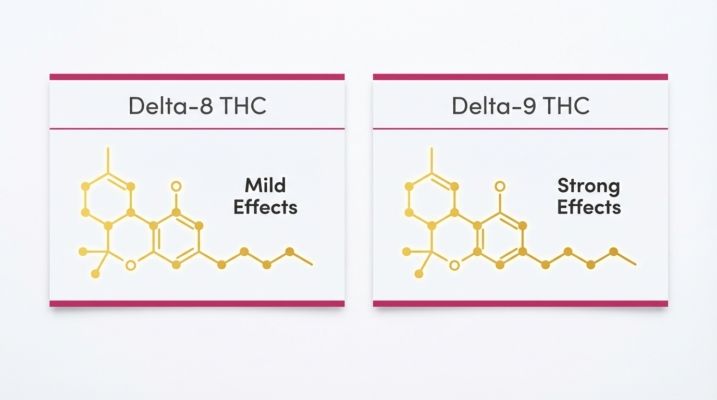
Delta-8 THC is a naturally occurring cannabinoid found in cannabis plants that produces milder…
Learn more
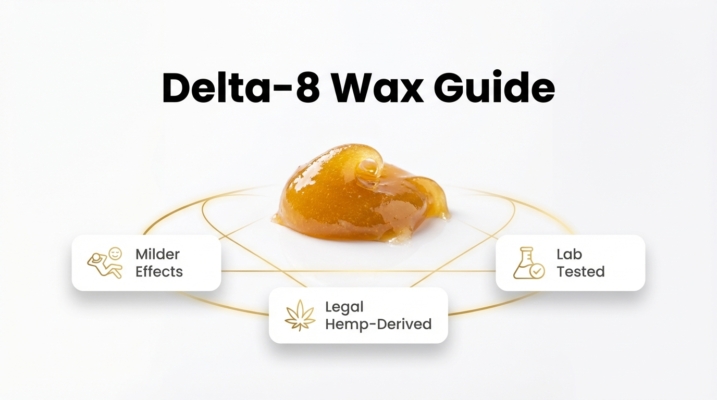
Delta-8 THC wax is a concentrated cannabis extract containing high levels of delta-8-tetrahydrocannabinol in…
Learn more
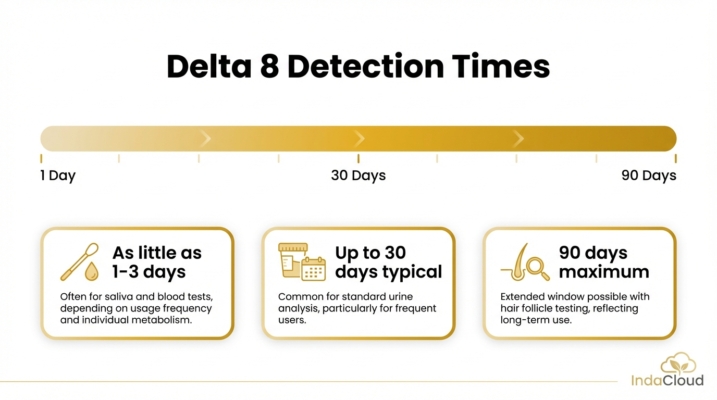
Delta-8 THC is a hemp-derived cannabinoid that stays in your system for as little…
Learn more
