



Delta 8

Delta 8 vs Delta 9: Complete Comparison
Let’s dive into the worlds of delta 8 and delta 9 THC. Delta 9…
Learn more
You must be 21+ to enter this site
 FREE SHIPPING $89+
 FREE GIFT ON $120+
 100% FEDERALLY LEGAL
 LAB TESTED FOR PURITY
FREE SHIPPING $89+
FREE GIFT ON $120+
100% FEDERALLY LEGAL
LAB TESTED FOR PURITY
FREE SHIPPING $89+
FREE GIFT ON $120+
100% FEDERALLY LEGAL
LAB TESTED FOR PURITY
FREE SHIPPING $89+
FREE GIFT ON $120+
100% FEDERALLY LEGAL
LAB TESTED FOR PURITY
FREE SHIPPING $89+
FREE GIFT ON $120+
100% FEDERALLY LEGAL
LAB TESTED FOR PURITY
FREE SHIPPING $89+
FREE GIFT ON $120+
100% FEDERALLY LEGAL
LAB TESTED FOR PURITY
FREE SHIPPING $89+
FREE GIFT ON $120+
100% FEDERALLY LEGAL
LAB TESTED FOR PURITY
FREE SHIPPING $89+
FREE GIFT ON $120+
100% FEDERALLY LEGAL
LAB TESTED FOR PURITY
LAB TESTED FOR PURITY
FREE SHIPPING $89+
FREE GIFT ON $120+
100% FEDERALLY LEGAL
LAB TESTED FOR PURITY
FREE SHIPPING $89+
FREE GIFT ON $120+
100% FEDERALLY LEGAL
LAB TESTED FOR PURITY
FREE SHIPPING $89+
FREE GIFT ON $120+
100% FEDERALLY LEGAL
LAB TESTED FOR PURITY
FREE SHIPPING $89+
FREE GIFT ON $120+
100% FEDERALLY LEGAL
LAB TESTED FOR PURITY
FREE SHIPPING $89+
FREE GIFT ON $120+
100% FEDERALLY LEGAL
LAB TESTED FOR PURITY
FREE SHIPPING $89+
FREE GIFT ON $120+
100% FEDERALLY LEGAL
LAB TESTED FOR PURITY
FREE SHIPPING $89+
FREE GIFT ON $120+
100% FEDERALLY LEGAL
LAB TESTED FOR PURITY


When was delta 8 developed
Delta 8 tetrahydrocannabinol (THC), a minor cannabinoid found in the cannabis plant, has gained significant attention in recent years. Unlike Delta 9 THC, which is more commonly known for its psychoactive effects, Delta 8 offers a milder experience.
When was Delta 8 developed? The development and increased interest in Delta 8 THC can be traced back to advancements in cannabis research and extraction techniques, which have allowed for its isolation and commercialization.
This article finds the history and development of Delta 8 THC, shedding light on its journey from obscurity to a prominent cannabinoid in the cannabis industry.
The history of Delta 8 tetrahydrocannabinol (THC) is intricately linked to the broader research into cannabinoids and chemical synthesis, beginning with its finding and subsequent investigation into its potential therapeutic and health benefits.
Delta 8 is a naturally occurring cannabinoid found in the cannabis plant, known for its unique chemical structure and potential health benefits.
It is structurally similar to Delta 9 THC but with a lower psychoactive potency, making it a more approachable option for those seeking the benefits of cannabinoids without the intense high. Delta 8 interacts with the body’s endocannabinoid system, potentially offering relief from discomfort, stress, and nausea.
When compared to CBD, Delta 8 has a milder effect on cognition and perception, striking a balance between the calming properties of CBD and the euphoric effects of THC.
The finding and advertising of Delta 8 dates back to early cannabinoid research when scientists first identified its unique properties and began exploring its potential applications.
Delta 8 was first identified by Dr. Raphael Mechoulam, a prominent scientist known for his extensive research on cannabinoids.
Dr. Raphael Mechoulam, an Israeli chemist, is often hailed as the ‘Father of Cannabis Research’ due to his groundbreaking work in the field. He identified the structure of Delta 9 THC and later isolated Delta 8 THC, which has since garnered significant attention for its potential medicinal properties. One of his most notable publications is the research on the synthesis of Delta 8 THC, shedding light on its chemical properties and effects.
Dr. Mechoulam’s experiments on Delta 8 have shown promising results in discomfort relief, antiemetic effects, and neuroprotective properties, opening up new avenues for further exploration in cannabinoid-based therapies.
The finding of Delta 8 was driven by the broader goal of understanding cannabinoids and their potential therapeutic applications for various health conditions.
Researchers were particularly interested in exploring how Delta 8 could potentially help with stress. The investigation focused on its discomfort relief properties, with the aim of identifying safer options for managing discomfort.
By looking into these specific aspects, researchers sought to clarify on the diverse health benefits that Delta 8 might offer, paving the way for potential breakthroughs in medical therapies.
The development of Delta 8 involved advanced chemical synthesis techniques and rigorous research efforts to understand its properties, optimize its production, and find its potential benefits and applications.
Delta 8 was developed using sophisticated chemical synthesis techniques, including chromatography, to isolate and refine the cannabinoid from the cannabis plant.
The process of chromatography involves the separation of compounds based on their chemical properties, allowing for the targeted extraction of Delta 8 from the cannabis plant material. This technique plays a crucial role in purifying Delta 8 by removing impurities and unwanted substances, ensuring the final product meets stringent quality standards.
Besides chromatography, experimental techniques such as fractional distillation are employed to further refine Delta 8, enhancing its potency and therapeutic effects. These meticulous processes are essential in guaranteeing the purity and efficacy of Delta 8 products for consumers.
Delta 8 is available in various forms, including tinctures, oils, and extracts, each produced through processes like distillation to ensure quality and potency.
Tinctures, oils, and extracts offer consumers distinct ways to enjoy the benefits of Delta 8. Tinctures are alcohol based compounds typically taken sublingually for fast absorption, while oils can be added to food or beverages for easy consumption. On the other hand, extracts are concentrated forms that are linked more in the cannabinoid receptor 1 and can be used in various applications.
The distillation process plays a crucial role in refining Delta 8 into these different forms. It helps remove impurities, isolate the desired compounds, and enhance the overall purity and effectiveness of the product. By undergoing distillation, Delta 8 becomes more potent and consistent in its effects, making it a preferred choice among consumers seeking reliable products.
Delta 8 is used for various therapeutic purposes, offering potential benefits such as stress relief, appetite stimulation, and improved sleep, contributing to overall health and well-being.
Delta 8 is used in various therapeutic contexts, including as a medication for managing conditions such as stress.
Many individuals find relief from symptoms associated with stress through the use of Delta 8, as it may help in promoting relaxation and reducing stress levels.
The anti-nausea and appetite-stimulating properties of Delta 8 have been beneficial for patients undergoing therapies like chemotherapy, where nausea and loss of appetite are common side effects.
The potential benefits of Delta 8 include improved sleep quality, increased appetite, and enhanced mood.
Research suggests that Delta 8 can interact with the body’s endocannabinoid system to alleviate symptoms of stress, promoting a sense of calm and relaxation.
In terms of sleep quality, users have reported experiencing deeper, more restful sleep after incorporating Delta 8 into their nightly routine.
Individuals struggling with appetite issues have found that Delta 8 can stimulate their desire to eat, aiding in maintaining a healthy weight and overall well-being.
Many users have noted a positive impact on their mood, with Delta 8 helping to lift spirits and reduce feelings of stress and negativity.
When choosing Delta 8 products, it’s important to consider several factors to ensure quality, safety, and efficacy. By understanding key aspects of Delta 8 production and product characteristics, consumers can make informed decisions and avoid potential health risks.
By focusing on these key factors, consumers can select Delta 8 products that offer both safety and effectiveness, minimizing potential health risks and enhancing the overall user experience.
The legal status of Delta 8 is complex, influenced by various laws and regulations, including the Agriculture Improvement Act of 2018 and oversight by agencies like the Food and Drug Administration and the Drug Enforcement Administration.
The legality of Delta 8 varies by jurisdiction and is subject to interpretation under laws like the Controlled Substances Act and state-specific regulations.
In some states, Delta 8 is explicitly legalized, while in others, its status remains ambiguous due to gaps in legislation. State regulations play a significant role in determining the legality of Delta 8 products, leading to a patchwork of laws across the country.
The federal classification of cannabis compounds under the Controlled Substances Act adds another layer of complexity. Delta 8’s legal status can be influenced by the interpretation of this law at both federal and state levels, creating a dynamic landscape for manufacturers and consumers.
Restrictions on Delta 8 include regulations on packaging and labeling to ensure consumer safety and compliance with legal standards.
These regulations dictate that Delta 8 products must be accurately labeled with information regarding potency, ingredients, and health warnings to protect consumers from potential risks. Packaging requirements often entail child-proof containers to prevent accidental ingestion and tamper-evident seals for product integrity.
By mandating these specifications, authorities aim to reduce the likelihood of misuse and unauthorized access, thereby promoting responsible consumption practices and safeguarding public health.
Delta 8 offers a unique combination of therapeutic benefits and legal complexities, making it a cannabinoid of significant interest for both consumers and researchers interested in its potential health applications.
One of the key advantages of Delta 8 is its reported ability to provide relief from discomfort, stress, and nausea without the intense psychoactive effects often associated with Delta 9 THC. This makes it a promising option for individuals seeking the positive effects of cannabinoids with a milder experience.
Despite its growing popularity, the legal status of Delta 8 remains a point of contention in many areas, with regulations varying between states and countries.
Yes, Delta 8 can produce a high, but it is generally considered to be milder compared to Delta 9 tetrahydrocannabinol (THC).
Many users describe the high from Delta 8 as more clear-headed and less intense than that of Delta 9 THC. This is oftentimes attributed to Delta 8 being less psychoactive due to its lower potency. Some users report feeling a gentle uplifting sensation, without the stress or paranoia that can sometimes accompany a Delta 9 high.
Research on Delta 8 is still limited, but early studies suggest potential benefits such as anti-nausea and anti-stress properties, which have sparked interest in the compound’s therapeutic potential.
Delta 8 is generally considered safe to use, but unlike opioid or ethanol medication, it is essential to be aware of potential adverse events and adhere to regulatory guidelines regarding the chemical compound.
While Delta 8 offers many benefits in its pharmacology, improper use or dosage can lead to side effects such as dizziness, dry mouth, and fatigue. It is crucial for any patient to consult with healthcare professionals before incorporating Delta 8 products into their routine, especially if they have any pre-existing disease or are taking medications.
Following regulatory guidelines not only ensures the legality of the product but also safeguards consumers from potentially harmful additives or impurities that may be present in unauthorized products. Responsible usage of Delta 8 products, such as starting with low doses and gradually increasing, can help mitigate any adverse effects.
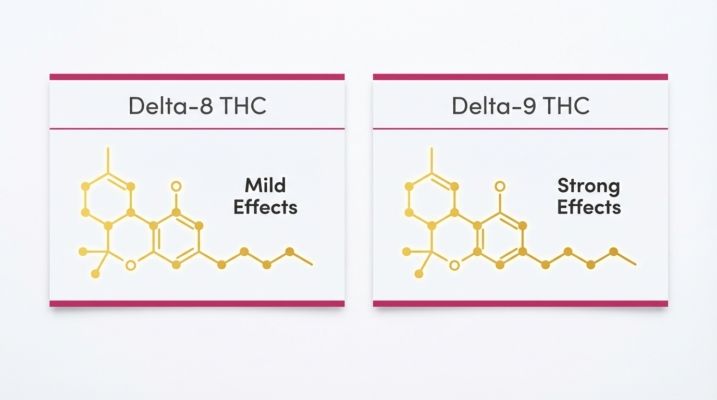
Delta 8 and Delta 9 are both cannabinoids but differ in their chemical structure and effects, with Delta 8 being less potent and producing a milder high.
Delta 8 has a double bond on the eighth carbon chain, while Delta 9 has it on the ninth carbon chain, resulting in their distinct properties. When consumed, Delta 8 generally offers a smoother experience with less intense psychoactive effects compared to Delta 9.
This makes Delta 8 a preferred choice for individuals seeking a more subtle high or looking to avoid overwhelming sensations. Delta 8 is being studied for its potential therapeutic benefits, such as its reported antiemetic and anxiolytic properties.
Delta 8 has shown potential in helping with stress and sadness, offering therapeutic benefits for mental health without the legal repercussions of other drugs like acid.
Research studies have indicated that Delta 8 interacts with the body’s endocannabinoid system, which plays a crucial role in regulating mood, stress response, and emotional well-being. This interaction may help in alleviating symptoms of stress and sadness by promoting a sense of calm and relaxation.
Aside from scientific evidence, many individuals have reported experiencing a reduction in stress and improved mood after using Delta 8 products. These anecdotal accounts further support the hypothesis that Delta 8 could be a valuable tool in managing mental health conditions.
While delta 8 can be found in small amounts in certain strains of cannabis, it is not typically found in high concentrations in natural sources. Most delta 8 products on the market are derived from delta 9-THC through chemical processes.
Delta 8 has gained popularity in recent years due to its legal status in many states and its reported milder psychoactive effects compared to delta 9. This has led to an increase in delta 8 products on the market, including edibles, tinctures, and vape cartridges.
As with any psychoactive compound, there are potential risks associated with delta 8. It may cause drowsiness, dry mouth, substance abuse or addiction, and changes in mood or perception. It can also cause a positive result on drug tests for THC. It is important to use delta 8 products responsibly and consult with a healthcare professional before use.
Let’s dive into the worlds of delta 8 and delta 9 THC. Delta 9…
Learn more
Delta-8 THC is a naturally occurring cannabinoid found in cannabis plants that produces milder…
Learn more
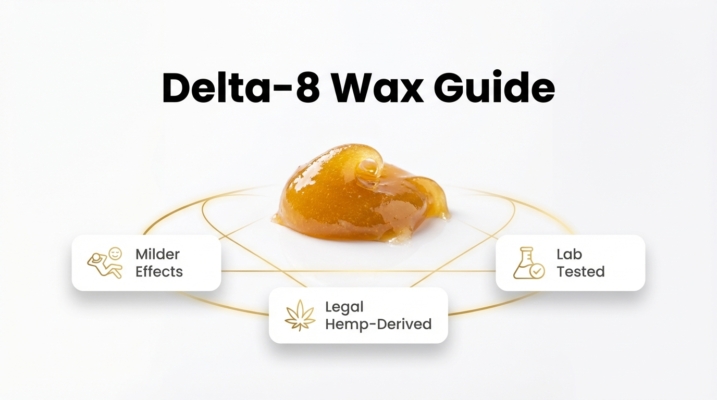
Delta-8 THC wax is a concentrated cannabis extract containing high levels of delta-8-tetrahydrocannabinol in…
Learn more
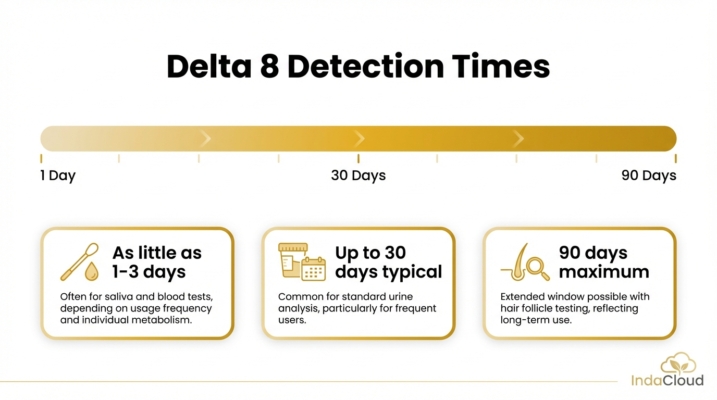
Delta-8 THC is a hemp-derived cannabinoid that stays in your system for as little…
Learn more
