FREE SHIPPING $89+
 FREE GIFTS ALL ORDERS $120+
 100% FEDERALLY LEGAL
  LAB TESTED FOR PURITY


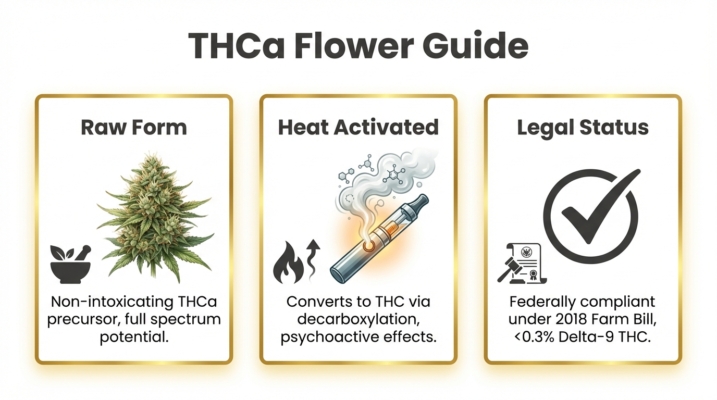
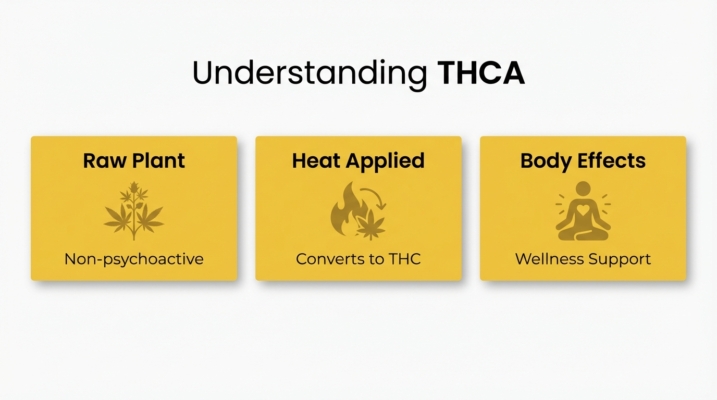
THCA is tetrahydrocannabinolic acid, the raw, non-intoxicating cannabinoid precursor to THC found naturally in cannabis flower. Its extra carboxyl group prevents it from binding CB1 receptors efficiently, which means it produces no high until heat converts it into delta-9 THC through decarboxylation.
This guide covers the chemistry behind THCA and its conversion to THC, its psychoactivity across different consumption methods, its preclinical therapeutic effects, practical ways to consume and store it, available product formats, and the legal and quality considerations that shape the market.
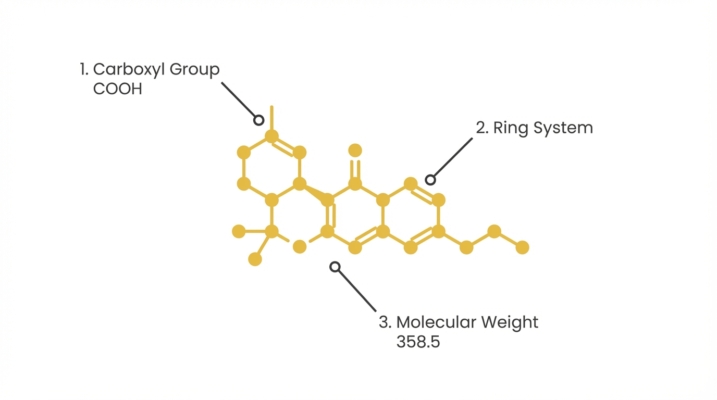
THCA and THC share the same core ring structure, but THCA’s additional COOH group gives it a molecular weight of 358.5 g/mol compared to THC’s 314.5. Heat removes that group cleanly; at 110°C, THCA concentration approaches zero within 30 minutes with no side reactions, making the conversion predictable across smoking, vaping, and cooking.
Raw THCA does not produce psychoactive effects. Smoking or vaping converts it almost instantly into THC, while edibles vary based on preparation temperature. Cold preparations like smoothies or unheated tinctures preserve the acid form entirely.
Preclinical research has linked THCA to anti-inflammatory, neuroprotective, and antiemetic activity. It activates PPARγ pathways, reduced arthritis markers in animal models through both CB1 and PPARγ mechanisms, and suppressed nausea at doses as low as 0.05 mg/kg.
THCA products range from flower and pre-rolls to vapes, concentrates, and raw tinctures. Federal legality under the 2018 Farm Bill hinges on delta-9 THC staying at or below 0.3% on a dry weight basis, though state laws and total THC calculations create significant variation. Third-party lab testing and verified certificates of analysis remain essential for confirming potency, compliance, and safety.
What Is THCA and How Does It Differ from THC?
THCA is tetrahydrocannabinolic acid, the naturally occurring precursor to THC found in raw cannabis. The sections below cover its chemical structure, the decarboxylation process that converts it into THC, and the key differences between these two cannabinoids.
What Is the Chemical Structure of THCA?
The chemical structure of THCA features a carboxylic acid group (COOH) attached to the same dibenzopyran ring system found in THC. According to the National Center for Biotechnology Information, Δ9-tetrahydrocannabinolic acid A has a molecular formula of C₂₂H₃₀O₄ and a molecular weight of 358.5 g/mol. That extra carboxyl group is what distinguishes THCA from its decarboxylated counterpart, and it fundamentally changes how the molecule interacts with cannabinoid receptors. Because this bulky acid group prevents THCA from fitting efficiently into CB1 receptors in the brain, the compound does not produce intoxication in its raw form. This single structural difference drives every distinction between THCA and THC.
How Does THCA Convert into THC Through Decarboxylation?
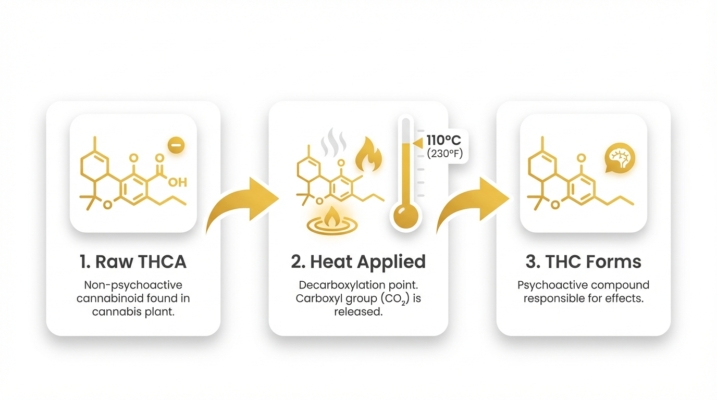
THCA converts into THC through decarboxylation, a heat-driven chemical reaction that removes the carboxyl group as carbon dioxide. In fresh cannabis, this conversion occurs when the plant material is smoked, vaped, or baked. The process begins earlier in the plant itself: THCA synthase catalyzes the oxidative cyclization of cannabigerolic acid (CBGA) into THCA, establishing the precursor that heat later transforms.
Once heat is applied, the reaction proceeds efficiently. A 2017 study published in Cannabis and Cannabinoid Research found that the decarboxylation of THCA-A is essentially stoichiometric with no side reactions, and at 110°C the concentration of THCA-A approached zero within 30 minutes. This clean conversion rate makes THCA one of the most predictable cannabinoid acids to activate, which is why smoking or vaping cannabis reliably produces THC’s psychoactive effects.
What Is the Difference Between THCA and Delta-9 THC?
The difference between THCA and delta-9 THC centers on that carboxyl group and the effects it produces. THCA carries the extra COOH group, while delta-9 THC does not.
Key distinctions include:
- THCA is non-intoxicating in raw form; delta-9 THC binds CB1 receptors and produces a high.
- THCA exists naturally in live and freshly harvested cannabis; delta-9 THC forms after heat exposure.
- THCA has a molecular weight of 358.5 g/mol; delta-9 THC has a molecular weight of 314.5 g/mol.
- THCA contributes to total THC calculations using the formula: Total THC = (THCA × 0.877) + THC.
For consumers exploring hemp-derived products, this distinction matters most at the point of consumption. Understanding how heat bridges these two compounds helps clarify what to expect from different THCA product formats.
Is THCA Psychoactive Before It Is Heated?
THCA is not psychoactive before it is heated. In its raw, naturally occurring form, THCA does not produce intoxicating effects. The sections below explain what happens when you consume raw THCA, how smoking or vaping changes it, and why edibles and flower deliver different experiences.
Does Raw THCA Produce a High When Consumed?
Raw THCA does not produce a high when consumed. The extra carboxyl group in THCA’s molecular structure prevents it from binding efficiently to CB1 receptors in the brain, which are responsible for the intoxicating effects associated with THC. Eating raw cannabis leaves, juicing fresh flower, or taking unheated THCA tinctures delivers the cannabinoid acid without triggering psychoactive responses.
This is why raw cannabis consumption has gained attention among wellness-focused users who want potential anti-inflammatory or neuroprotective benefits without impairment. For anyone exploring THCA specifically to avoid a high, keeping the compound below decarboxylation temperatures is the critical factor.
What Happens to THCA When You Smoke or Vape It?
THCA converts into THC when you smoke or vape it. According to a study published in Cannabis and Cannabinoid Research, the concentration of THCA-A approached zero within 30 minutes at 110°C, and the decarboxylation reaction was essentially stoichiometric with no side reactions. Smoking and vaping exceed this temperature significantly, making the conversion nearly instantaneous.
Once heat removes the carboxyl group, the resulting THC binds readily to CB1 receptors and produces psychoactive effects. This means THCA flower or THCA pre-rolls, while technically non-psychoactive in raw form, become functionally equivalent to traditional THC products the moment they are lit or vaporized. Understanding this distinction is essential before choosing a consumption method. For a closer look at optimal temperature ranges and activation mechanics, see our guide on how THCA is heated and converted.
How Does THCA Behave Differently in Edibles Versus Flower?
THCA behaves differently in edibles versus flower because of the heat involved during preparation. Flower that is smoked or vaped undergoes rapid, high-temperature decarboxylation, converting virtually all THCA into psychoactive THC on contact. Edibles, however, involve a cooking or baking step where temperature and duration determine how much THCA converts.
- Edibles baked at standard oven temperatures (150°C+) convert most THCA into THC, producing psychoactive effects.
- Raw or cold-prepared edibles, such as cannabis-infused smoothies or unheated tinctures, preserve THCA in its non-psychoactive form.
- Partially heated preparations may convert some THCA while leaving a portion intact, creating a mixed-cannabinoid profile.
For consumers who want precise control over psychoactivity, the preparation method matters more than the product category itself. With these distinctions clear, the next section examines how THCA interacts with the body at a physiological level.
What Are the Known Effects of THCA on the Body?
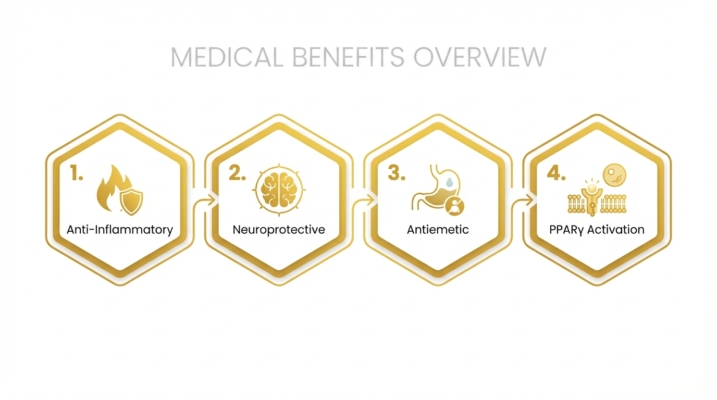
The known effects of THCA on the body include anti-inflammatory, neuroprotective, and antiemetic activity, all observed primarily in preclinical research. The following sections cover how THCA interacts with the endocannabinoid system, reduces inflammation, protects neurons, and suppresses nausea.
How Does THCA Interact with the Endocannabinoid System?
THCA interacts with the endocannabinoid system through multiple receptor pathways rather than a single binding mechanism. Unlike THC, which directly activates CB1 receptors to produce psychoactive effects, THCA engages the system more indirectly.
According to research published in the British Journal of Pharmacology, Δ9-THCA-A is a potent activator of PPARγ, demonstrating both anti-inflammatory and neuroprotective activity through this nuclear receptor pathway. THCA also influences CB1-mediated responses; in animal models, its anti-nausea effects were reversed when CB1 receptors were blocked.
Beyond the classic cannabinoid receptors, THCA-treated mice showed decreased hippocampal amyloid-beta and phosphorylated tau alongside superior cognitive function, suggesting broader neuromodulatory engagement. This multi-pathway interaction profile makes THCA a uniquely versatile cannabinoid acid worth continued investigation.
What Anti-Inflammatory Effects Has THCA Shown in Research?
The anti-inflammatory effects THCA has shown in research span joint inflammation, immune cell infiltration, and broader inflammatory signaling. THCA operates through both CB1 receptors and PPARγ pathways to modulate these responses.
In a preclinical study published in the British Journal of Pharmacology, Δ9-THCA-A reduced arthritis in collagen-induced arthritis mice, preventing inflammatory cell infiltration, synovium hyperplasia, and cartilage damage. This anti-arthritic effect was blocked by either a CB1 antagonist or a PPARγ antagonist, confirming dual-pathway involvement.
THCA also demonstrates anti-convulsant and anti-seizure properties alongside its inflammatory modulation. For anyone exploring cannabinoid acids for wellness, these findings highlight THCA’s potential as a non-intoxicating option with meaningful anti-inflammatory action.
What Neuroprotective Properties Have Been Linked to THCA?
The neuroprotective properties linked to THCA center on its ability to activate PPARγ receptors and reduce neurodegenerative markers in preclinical models. PPARγ activation plays a well-established role in protecting neurons from oxidative stress and inflammatory damage.
In mouse models of Alzheimer’s-related pathology, THCA-treated subjects showed decreased hippocampal amyloid-beta plaques and phosphorylated tau protein, both hallmark indicators of neurodegeneration. These mice also demonstrated superior cognitive function compared to untreated controls. Because THCA achieves neuroprotection without producing intoxication, it represents a particularly interesting candidate for future neurodegenerative disease research.
What Antiemetic Effects Does THCA Offer?
THCA offers antiemetic effects that reduce both nausea and vomiting through CB1 receptor-mediated mechanisms. Preclinical evidence suggests these effects occur at remarkably low doses.
According to a study in the British Journal of Pharmacology, THCA at doses of 0.05 and 0.5 mg/kg reduced lithium chloride-induced vomiting in Suncus murinus (house musk shrew), a standard emesis model. This effect was reversed with SR141716, a CB1 receptor antagonist, confirming the pathway responsible. THCA also suppressed conditioned gaping in rats, an established measure of nausea-like behavior.
The low effective doses observed in these models make THCA one of the more promising non-psychoactive cannabinoids for nausea management. Understanding these receptor-level mechanisms helps clarify how THCA products may support digestive comfort.
What Are the Potential Wellness Benefits of THCA?
The potential wellness benefits of THCA span pain relief, digestive support, and mood regulation. Each benefit reflects how this non-psychoactive cannabinoid acid interacts with receptors and pathways throughout the body.
Can THCA Help with Pain and Inflammation?
Yes, THCA can help with pain and inflammation based on preclinical evidence. THCA activates PPARγ pathways, which regulate inflammatory gene expression across multiple tissue types. A study published in the British Journal of Pharmacology found that Δ9-THCA-A reduced arthritis in collagen-induced arthritis mice by preventing inflammatory cell infiltration, synovium hyperplasia, and cartilage damage. This anti-arthritic effect operated through both CB1 receptors and PPARγ pathways.
These dual mechanisms suggest THCA addresses inflammation at its source rather than simply masking discomfort. For anyone exploring cannabinoid options for joint stiffness or exercise recovery, raw THCA products offer a non-intoxicating starting point worth discussing with a healthcare provider. Confirming whether a product contains natural or synthetic THCA is an important verification step before committing to a brand.
Does THCA Support Appetite or Digestive Health?
Yes, THCA supports digestive health, particularly through its antiemetic properties observed in animal models. THCA reduced lithium chloride-induced vomiting in Suncus murinus at doses as low as 0.05 mg/kg, with this effect reversed by the CB1 receptor antagonist SR141716. This CB1-mediated mechanism indicates THCA interacts with the same receptor system involved in appetite regulation and nausea control.
While human clinical trials remain limited, the preclinical data points to meaningful gastrointestinal benefits. For individuals managing nausea or appetite challenges, raw cannabis preparations that preserve THCA may offer a gentler alternative to activated THC products.
Can THCA Play a Role in Stress or Mood Support?
Yes, THCA can play a role in stress and mood support through its interaction with neuroprotective and anti-inflammatory pathways. As a potent PPARγ activator, THCA influences signaling cascades that modulate neuroinflammation, a recognized contributor to mood disorders and chronic stress responses. According to a study in the International Journal of Molecular Sciences, THCA-treated mice showed decreased hippocampal amyloid-beta and phosphorylated tau alongside superior cognitive function compared with untreated groups.
These neuroprotective properties suggest THCA may help maintain neural health under stress-related conditions. Although direct mood studies in humans are still needed, the existing mechanistic evidence makes THCA a compelling candidate for future wellness research.
With its range of potential benefits established, understanding how to consume THCA without converting it to THC becomes the practical next step.
How Do You Consume THCA Without Activating It?
You consume THCA without activating it by avoiding heat entirely. Raw cannabis, specially formulated tinctures, and proper cold storage each preserve THCA in its non-psychoactive acid form.
Does Eating Raw Cannabis Preserve THCA?
Yes, eating raw cannabis preserves THCA because decarboxylation has not occurred. According to a study published in the British Journal of Pharmacology, THCA in the fresh plant is decarboxylated to THC only by heating or burning. Without that thermal trigger, the carboxyl group remains intact and no psychoactive THC is produced.
Common ways to consume raw cannabis include:
- Blending fresh fan leaves or flower into smoothies.
- Adding raw buds to cold-pressed juices.
- Mixing freshly harvested trim into salads.
Cooking, baking, or even steeping in hot water will initiate conversion, so temperature control matters at every step.
Can THCA Tinctures and Capsules Deliver Non-Psychoactive Effects?
Yes, THCA tinctures and capsules can deliver non-psychoactive effects when formulated without heat-based extraction. These products use cold-processing methods that keep THCA in its acidic form throughout manufacturing. Sublingual tinctures absorb under the tongue, while capsules pass through the digestive system; neither method generates the temperatures required for decarboxylation.
For consumers who want consistent, pre-measured servings of THCA, capsules and tinctures offer a practical alternative to handling raw plant material. Quality matters here: always verify that the product’s certificate of analysis confirms THCA content rather than converted THC.
While IndaCloud specializes in premium THCA flower and pre-rolls, their emphasis on third-party testing and transparent lab documentation sets a quality benchmark that consumers should expect from any THCA product format.
How Does Cold Storage Affect THCA Stability?
Cold storage significantly improves THCA stability by slowing the natural degradation and slow-rate decarboxylation that occur at room temperature. Heat, light, and oxygen all accelerate the conversion of THCA into THC over time, even without direct flame or vaporization.
To maximize shelf life, store THCA products in:
- Airtight, opaque containers that block light exposure.
- Refrigerated environments between 35°F and 46°F.
- Freezer-safe packaging for long-term preservation of raw flower.
Consistent cold storage is especially important for tinctures and raw cannabis, where even moderate ambient warmth can gradually erode THCA potency. With proper storage habits in place, choosing the right THCA product format becomes the next consideration.
What Are the Most Common THCA Products Available?
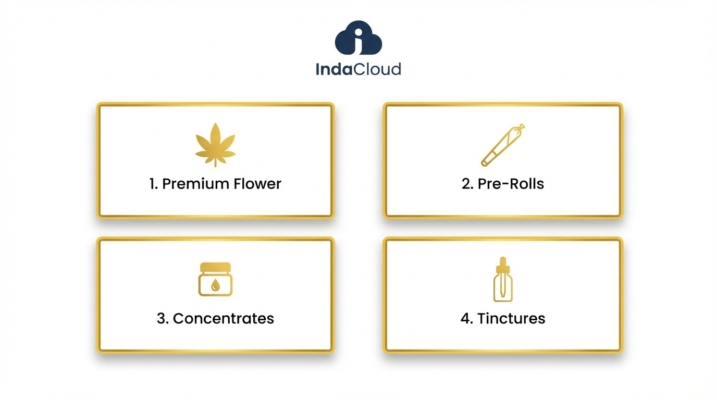
The most common THCA products available include flower, pre-rolls, vapes, concentrates, edibles, and tinctures. Each format offers a different consumption method, onset time, and level of THCA preservation.
THCA Flower
THCA flower is raw, unprocessed cannabis bud harvested from hemp plants containing high concentrations of THCA and no more than 0.3% delta-9 THC on a dry weight basis. Because THCA remains in its acidic form until heated, the flower delivers non-psychoactive cannabinoids when consumed raw. Smoking or vaping the flower triggers decarboxylation, converting THCA into THC and producing psychoactive effects. Consumers seeking highest quality THCA flower choose based on strain type — Indica, Sativa, or Hybrid — alongside verified terpene profiles, cure quality, and documented potency levels. Quality indicators to look for include:
- Third-party lab testing with a current Certificate of Analysis
- Trichome density and proper curing
- Accurate cannabinoid potency labeling
IndaCloud’s THCA flower lineup exemplifies these quality standards, with every strain backed by comprehensive third-party testing and transparent lab reports available on their website before purchase.
THCA Pre-Rolls
THCA pre-rolls are ready-to-use joints filled with ground THCA flower. They offer the same cannabinoid profile as loose flower but eliminate the need for grinding and rolling. Once lit, heat converts the THCA into THC, so the experience mirrors smoking traditional cannabis. Pre-rolls suit consumers who prioritize convenience, particularly for on-the-go use or social settings. Strain-specific options let users select effects ranging from relaxation to energy. For those new to THCA, pre-rolls provide a controlled, single-serving format that simplifies dosing compared to packing a bowl or rolling by hand.
THCA Vapes and Concentrates
THCA vapes and concentrates deliver highly concentrated forms of THCA through inhalation. Vape cartridges and disposable pens heat THCA oil at controlled temperatures, converting it to THC for rapid onset. Concentrates such as THCA diamonds sauce and live resin contain some of the highest THCA potency levels available, with cannabinoid concentrations often exceeding 90%. These formats appeal to experienced consumers seeking stronger effects with smaller quantities. Key considerations include:
- Hardware quality and temperature control settings
- Solvent-free or clean extraction methods
- Verified potency through independent lab reports
Because concentrates are potent, starting with a low dose is especially important for anyone unfamiliar with high-THCA products.
THCA Edibles and Tinctures
THCA edibles and tinctures preserve THCA in its raw, non-decarboxylated form for non-psychoactive consumption. Tinctures are sublingual drops absorbed under the tongue, offering relatively fast onset without combustion. Edibles, such as gummies or capsules, pass through the digestive system for slower, longer-lasting effects. Neither format produces a high unless the product has been heat-processed during manufacturing. These options work well for consumers interested in THCA’s wellness properties without psychoactivity. Always verify whether an edible has been cooked or heated during production, since that process converts THCA into THC and changes the product’s effects entirely.
With a clear picture of available THCA formats, understanding drug test implications becomes the next practical concern.
Does THCA Show Up on a Drug Test?
Yes, THCA can show up on a drug test. Standard urine screenings detect THC-COOH, the metabolite your body produces after processing THC. Because THCA converts to THC through heat, smoking or vaping THCA flower triggers the same metabolic pathway that generates this target metabolite.
Even consuming raw THCA carries risk. The body may partially convert small amounts during digestion, and most immunoassay panels lack the specificity to distinguish between THC metabolites originating from THCA versus delta-9 THC. Research published in the British Journal of Pharmacology confirmed that THCA-A can act as an orthosteric CB1 receptor agonist, demonstrating direct cannabinoid receptor engagement that parallels THC activity.
For anyone facing workplace or legal testing, the safest approach is to assume that any THCA product, whether heated or raw, could trigger a positive result. Understanding THCA’s legal classification adds another layer to this consideration.
What Is the Legal Status of THCA in the United States?
The legal status of THCA in the United States depends on federal hemp definitions and individual state regulations. Federal law permits hemp-derived cannabinoids under specific conditions, but state-level rules create a patchwork of restrictions.
Is THCA Legal Under the 2018 Farm Bill?
THCA is legal under the 2018 Farm Bill when it is derived from hemp that meets the federal delta-9 THC threshold. According to the U.S. Food and Drug Administration, the 2018 Farm Bill legalized hemp by removing it from the definition of marijuana in the Controlled Substances Act, defining hemp as Cannabis sativa L. with a delta-9 THC concentration of not more than 0.3 percent on a dry weight basis.
Because THCA is not delta-9 THC, hemp flower naturally rich in THCA can technically comply with this threshold. However, the distinction becomes complicated when total THC calculations apply. Total THC is calculated using the formula: Total THC = (THCA x 0.877) + THC. States or agencies that use total THC testing may classify high-THCA hemp as marijuana, even if delta-9 THC alone falls below 0.3 percent.
How Do State Laws Vary on THCA Products?
State laws vary significantly on THCA products, ranging from full permissiveness to outright bans on hemp-derived cannabinoids. Some states follow the federal framework and allow THCA products sourced from compliant hemp. Others have enacted laws that restrict or prohibit all intoxicating hemp-derived compounds, regardless of the delta-9 THC content at the point of sale.
Key factors that differ by state include:
- Whether the state uses delta-9 THC testing or total THC testing for compliance.
- Whether specific cannabinoids like THCA are listed as controlled substances under state law.
- Whether retail sale of smokable hemp flower is permitted.
- Whether the state has enacted bans on intoxicating hemp derivatives following the 2018 Farm Bill.
For consumers shopping for THCA products, verifying both federal compliance and the specific regulations in their state is essential before purchasing. With state-level rules shifting frequently, understanding local legal frameworks protects buyers from unintentional violations.
How Should You Choose THCA Products for Quality and Safety?
You should choose THCA products for quality and safety by verifying third-party lab testing and reviewing each product’s certificate of analysis. These two steps confirm cannabinoid potency, legal compliance, and the absence of harmful contaminants.
Why Does Third-Party Lab Testing Matter for THCA?
Third-party lab testing matters for THCA because it provides an independent, unbiased verification of a product’s contents. Unlike in-house testing, third-party labs have no financial incentive to alter results, which makes their findings more reliable for consumers.
This testing confirms several critical quality markers:
- Accurate cannabinoid potency, ensuring the THCA and delta-9 THC levels match label claims.
- Contaminant screening for pesticides, heavy metals, residual solvents, and microbial impurities.
- Legal compliance, verifying that delta-9 THC concentration stays at or below 0.3 percent on a dry weight basis.
Without independent lab verification, consumers have no way to confirm whether a THCA product is pure, correctly labeled, or legally compliant. For anyone exploring THCA, lab-tested products from transparent brands represent the safest starting point.
What Should You Look for on a THCA Certificate of Analysis?
You should look for several key data points on a THCA certificate of analysis (COA) to confirm product quality. A COA is the lab report that documents exactly what a third-party laboratory found when testing a specific product batch.
Essential elements to verify include:
- THCA and delta-9 THC percentages, confirming potency and that total THC falls within the legal 0.3% threshold. According to the Connecticut State Department of Consumer Protection, total THC is calculated using the formula: Total THC = (THCA x 0.877) + THC.
- Batch number and date of testing, ensuring the report matches the product you are purchasing.
- Accredited laboratory name, confirming the testing facility is ISO-certified or state-licensed.
- Contaminant panels showing pass/fail results for pesticides, heavy metals, and residual solvents.
A missing or outdated COA is a red flag. Trustworthy brands make current lab reports easy to access, often linking them directly on the product page. With lab results verified, the next step is exploring reputable sources for legal, hemp-derived THCA products.
How Can You Explore THCA Through Legal Hemp-Derived Products?
You can explore THCA through legal hemp-derived products by choosing vendors that provide third-party lab testing, compliant delta-9 THC levels, and transparent certificates of analysis. The sections below cover Inda Cloud’s tested THCA offerings and the essential takeaways from this guide.
Does Inda Cloud Offer Lab-Tested THCA Flower and Pre-Rolls?
Yes, IndaCloud offers lab-tested THCA flower and pre-rolls across Indica, Sativa, and Hybrid strains. Every batch undergoes comprehensive third-party testing to verify cannabinoid potency, confirm delta-9 THC content remains at or below 0.3% on a dry weight basis, and screen for contaminants. Detailed lab reports are available directly on the IndaCloud website, giving customers full transparency before purchase.
IndaCloud ships directly to consumers across the continental United States, with nondescript packaging for privacy and free shipping on orders over $89. Backed by a team of over 35 cannabis experts and trusted by more than 250,000 verified customers, IndaCloud provides a convenient, quality-assured way to access federally legal THCA products without visiting a dispensary.
What Are the Key Takeaways About THCA’s Effects, Psychoactivity, and Benefits?
The key takeaways about THCA’s effects, psychoactivity, and benefits are:
- THCA is the raw, acidic precursor to THC found naturally in cannabis flower.
- Raw THCA does not produce a high because its extra carboxyl group prevents it from efficiently binding CB1 receptors.
- Heating through smoking, vaping, or cooking converts THCA into psychoactive delta-9 THC through decarboxylation.
- Preclinical research has linked THCA to anti-inflammatory, neuroprotective, and antiemetic properties.
- THCA is federally legal under the 2018 Farm Bill when derived from hemp containing no more than 0.3% delta-9 THC, though state laws vary.
- Third-party lab testing and certificates of analysis remain essential for verifying product quality, potency, and compliance.
For most consumers, understanding the decarboxylation threshold is the single most important factor in deciding how to use THCA products. Whether you prefer raw consumption for non-psychoactive wellness support or heated methods for the full THC experience, IndaCloud provides lab-verified options to match either approach. Browse their full range of lab-tested THCA flower to find the right strain, format, and potency level for your needs.