


THCA

How Long Does THCA Stay in Your System?
Raw, unheated THCA clears your system in roughly 24 to 48 hours. Once you…
Learn more
You must be 21+ to enter this site
 FREE SHIPPING $89+
 FREE GIFT ON $120+
 100% FEDERALLY LEGAL
 LAB TESTED FOR PURITY
FREE SHIPPING $89+
FREE GIFT ON $120+
100% FEDERALLY LEGAL
LAB TESTED FOR PURITY
FREE SHIPPING $89+
FREE GIFT ON $120+
100% FEDERALLY LEGAL
LAB TESTED FOR PURITY
FREE SHIPPING $89+
FREE GIFT ON $120+
100% FEDERALLY LEGAL
LAB TESTED FOR PURITY
FREE SHIPPING $89+
FREE GIFT ON $120+
100% FEDERALLY LEGAL
LAB TESTED FOR PURITY
FREE SHIPPING $89+
FREE GIFT ON $120+
100% FEDERALLY LEGAL
LAB TESTED FOR PURITY
FREE SHIPPING $89+
FREE GIFT ON $120+
100% FEDERALLY LEGAL
LAB TESTED FOR PURITY
FREE SHIPPING $89+
FREE GIFT ON $120+
100% FEDERALLY LEGAL
LAB TESTED FOR PURITY
LAB TESTED FOR PURITY
FREE SHIPPING $89+
FREE GIFT ON $120+
100% FEDERALLY LEGAL
LAB TESTED FOR PURITY
FREE SHIPPING $89+
FREE GIFT ON $120+
100% FEDERALLY LEGAL
LAB TESTED FOR PURITY
FREE SHIPPING $89+
FREE GIFT ON $120+
100% FEDERALLY LEGAL
LAB TESTED FOR PURITY
FREE SHIPPING $89+
FREE GIFT ON $120+
100% FEDERALLY LEGAL
LAB TESTED FOR PURITY
FREE SHIPPING $89+
FREE GIFT ON $120+
100% FEDERALLY LEGAL
LAB TESTED FOR PURITY
FREE SHIPPING $89+
FREE GIFT ON $120+
100% FEDERALLY LEGAL
LAB TESTED FOR PURITY
FREE SHIPPING $89+
FREE GIFT ON $120+
100% FEDERALLY LEGAL
LAB TESTED FOR PURITY


Does THCA Turn Into Delta 9 When Smoked? Here’s What Really Happens
One intriguing aspect of cannabis consumption revolves around the transformation of THC A into delta 9 THC when smoked. This chemical conversion has garnered interest among cannabis enthusiasts and researchers alike, sparking discussions about its implications for the psychoactive effects and medicinal properties of cannabis.
Does THCa turn into Delta 9 when smoked? Knowing how this transformation occurs helps explain the effects cannabis has on the body during consumption.
When THCA is exposed to heat or flame, it undergoes a process known as decarboxylation which transforms the acidic form of tetrahydrocannabinolic acid (THCA) into the psychoactive compound Delta-9-THC.
When THCA is exposed to heat, the carboxylic acid group breaks down, paving the way for the conversion into its more potent form, Delta-9-THC.
This transformation is important for cannabis users as it significantly alters the effects of the compound, turning it from non-intoxicating to intoxicating.
Decarboxylation is a chemical process that involves the removal of a carboxyl group from a molecule through heat, resulting in a change in the chemical structure and properties of the compound.
This reaction is commonly observed in organic chemistry when heating certain organic compounds, leading to the release of carbon dioxide and the formation of new chemical compounds.
Decarboxylation plays a crucial role in various biochemical processes within living organisms, contributing to the synthesis of essential molecules such as neurotransmitters and fatty acids.
Several factors influence the decarboxylation process of THCA, affecting the efficiency and outcomes of the conversion. Understanding these factors is crucial for optimizing the decarboxylation process. Some key factors include:
Understanding and controlling these factors can help achieve the desired level of decarboxylation and optimize the potency and effects of cannabis products.
The process of decarboxylation plays a crucial role in maximizing the therapeutic benefits of cannabis. When heat is applied, such as through smoking or cooking, the carboxyl group is removed from THCA, transforming it into THC.
This activation enhances the compound’s affinity for the body’s endocannabinoid receptors, leading to a range of physiological effects. Heating cannabis triggers a cascade of chemical reactions that ultimately increase the potency and bioavailability of cannabinoids, allowing for a more robust interaction with the endocannabinoid system.
When the dried cannabis material is ignited, the heat causes the carboxyl group in THCA to break off, leading to the conversion of THCA into psychoactive Delta-9-THC. This chemical reaction, which is now known as decarboxylation, activates the cannabinoids present in the plant material, making them bioavailable for the body to absorb.
When the THCA compound is heated to the ideal temperature range in a vaporizer, the carboxyl group breaks off, resulting in the transformation into Delta-9-THC. This process occurs without burning the plant material, ensuring that the desired cannabinoids are released in a more controlled and efficient manner.
By utilizing heat as a catalyst for decarboxylation, the user can experience the benefits of activated cannabinoids without the harmful by-products associated with combustion.
Delta-9-THC, the primary psychoactive compound in cannabis, interacts with specific receptors in the brain to induce euphoria, alter perception, and potentially offer therapeutic effects.
Delta-9-THC interacts with cannabinoid receptors in the brain, affecting cognitive functions, perception, and potentially inducing psychoactive effects associated with THC consumption.
These interactions occur mainly in the brain’s endocannabinoid system, a complex network of neurotransmitters and receptors responsible for modulating various bodily functions. When Delta-9-THC binds to the CB1 receptors, found predominantly in the brain and central nervous system, it disrupts the normal signaling pathways, leading to alterations in neuronal communication.
As a result, cognitive processes such as memory, attention, and decision-making can be significantly impacted, often manifesting as impaired short-term memory and reduced cognitive flexibility. The changes in perception caused by THC can result in altered sensory experiences and distorted time perception.
The short-term effects of Delta-9-THC consumption may include:
Long-term exposure to Delta-9-THC may have effects on:
It’s crucial to take note that further research is needed to emphasize the impact of these long-term effects.
Depending on jurisdictional regulations, the legal status of these compounds can impact individuals’ ability to access and use cannabis products for medicinal or recreational purposes.
Understanding the legal landscape surrounding THCA and delta-9-THC is essential for individuals to navigate compliance with local laws, ensuring they adhere to regulations while making informed decisions about their health and well-being.
Additionally, legal changes or updates pertaining to these compounds can affect industries, businesses, and healthcare practices, shaping the broader societal perception and acceptance of cannabis-related products and therapies.
The topic of safety in THCA smoking is highly debated between cannabis enthusiasts. It raises concerns due to potential risks associated with lung exposure to combustion by-products and the inhalation of smoke particles.
When THCA is smoked, it releases harmful chemicals that can damage the delicate tissues of the lungs, leading to chronic respiratory problems. Inhaling these toxic substances puts individuals at a higher risk of developing conditions such as chronic bronchitis or emphysema.
The carcinogens present in THCA smoke can also increase the chances of developing lung cancer. The continuous exposure to these hazardous compounds may also weaken the immune system, making the body more susceptible to infections and other respiratory illnesses.
Smoking THCA not only compromises lung function but also significantly raises the likelihood of serious health complications in the future.
Seeking safer alternatives, consuming THCA through methods like oral ingestion via tinctures, cooking with cannabis-infused oils, or using other non-smoking approaches can mitigate potential health risks.
Oral ingestion of THCA through tinctures is a popular method as it allows for precise dosing and gradual absorption. Incorporating cannabis-infused oils into cooking not only masks the herb’s taste but also offers a versatile way to incorporate THCA into various recipes. Non-smoking alternatives, such as THCA capsules or edibles, provide discreteness and ease of consumption without the harmful effects of smoking.
By exploring these safer methods, individuals can enjoy the benefits of THCA consumption without compromising their well-being.
Related Post:
Yes, THCA does not have psychoactive effects until it is converted into delta 9 THC. This is why raw cannabis plants do not produce a high when consumed.
No, THCA must first be decarboxylated into delta 9 THC before it can produce psychoactive effects. This can be done by heating the THCA through smoking, vaping, or cooking it into edibles.
Yes, the amount of THCA in a strain can affect the overall potency of the high. However, other factors such as terpene content, cannabinoid profile, and individual tolerance also play a role.
Aside from heat, other factors that can affect the conversion of THCA to delta 9 THC include the quality and freshness of the cannabis, the method of consumption, and the temperature at which it is heated.
The transformation of THCA into delta-9-THC when smoked is a fundamental process in cannabis consumption, significantly altering the effects and potency of the compound.
Through decarboxylation, heat activates THCA, turning it into the psychoactive delta-9-THC, thus unlocking its potential for both recreational and medicinal use.
Understanding this conversion provides insights into the dynamics of cannabis chemistry and its impact on the human body.
Raw, unheated THCA clears your system in roughly 24 to 48 hours. Once you…
Learn more
THCP binds cannabinoid receptors roughly 33 times harder than THC in lab testing. THCA,…
Learn more
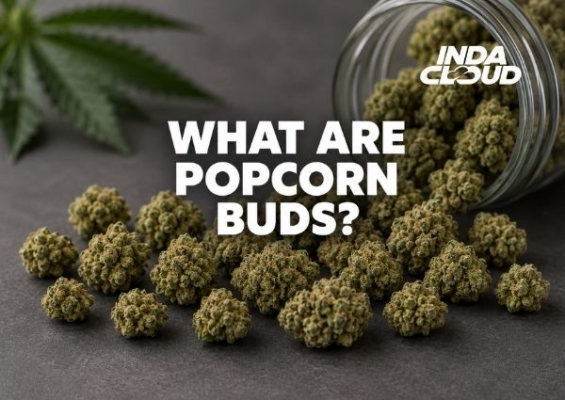
Popcorn buds are small, whole flower pulled out of a harvest and sorted by…
Learn more
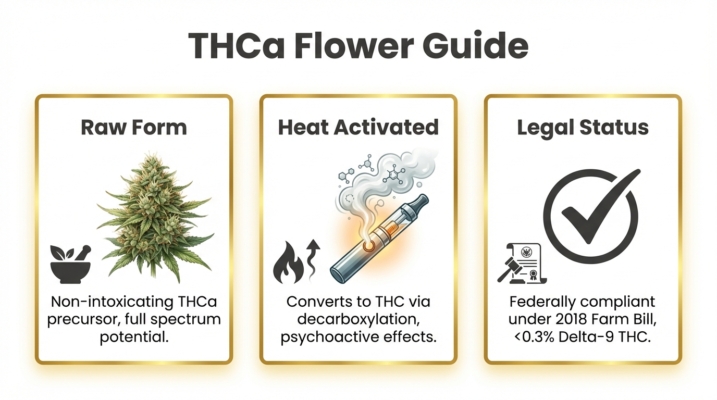
THCA flower keeps best in an airtight glass jar held at 58 to 62%…
Learn more
