



Delta 8

Delta 8 vs Delta 9: Complete Comparison
Let’s dive into the worlds of delta 8 and delta 9 THC. Delta 9…
Learn more
You must be 21+ to enter this site
 FREE SHIPPING $89+
 FREE GIFT ON $120+
 100% FEDERALLY LEGAL
 LAB TESTED FOR PURITY
FREE SHIPPING $89+
FREE GIFT ON $120+
100% FEDERALLY LEGAL
LAB TESTED FOR PURITY
FREE SHIPPING $89+
FREE GIFT ON $120+
100% FEDERALLY LEGAL
LAB TESTED FOR PURITY
FREE SHIPPING $89+
FREE GIFT ON $120+
100% FEDERALLY LEGAL
LAB TESTED FOR PURITY
FREE SHIPPING $89+
FREE GIFT ON $120+
100% FEDERALLY LEGAL
LAB TESTED FOR PURITY
FREE SHIPPING $89+
FREE GIFT ON $120+
100% FEDERALLY LEGAL
LAB TESTED FOR PURITY
FREE SHIPPING $89+
FREE GIFT ON $120+
100% FEDERALLY LEGAL
LAB TESTED FOR PURITY
FREE SHIPPING $89+
FREE GIFT ON $120+
100% FEDERALLY LEGAL
LAB TESTED FOR PURITY
LAB TESTED FOR PURITY
FREE SHIPPING $89+
FREE GIFT ON $120+
100% FEDERALLY LEGAL
LAB TESTED FOR PURITY
FREE SHIPPING $89+
FREE GIFT ON $120+
100% FEDERALLY LEGAL
LAB TESTED FOR PURITY
FREE SHIPPING $89+
FREE GIFT ON $120+
100% FEDERALLY LEGAL
LAB TESTED FOR PURITY
FREE SHIPPING $89+
FREE GIFT ON $120+
100% FEDERALLY LEGAL
LAB TESTED FOR PURITY
FREE SHIPPING $89+
FREE GIFT ON $120+
100% FEDERALLY LEGAL
LAB TESTED FOR PURITY
FREE SHIPPING $89+
FREE GIFT ON $120+
100% FEDERALLY LEGAL
LAB TESTED FOR PURITY
FREE SHIPPING $89+
FREE GIFT ON $120+
100% FEDERALLY LEGAL
LAB TESTED FOR PURITY

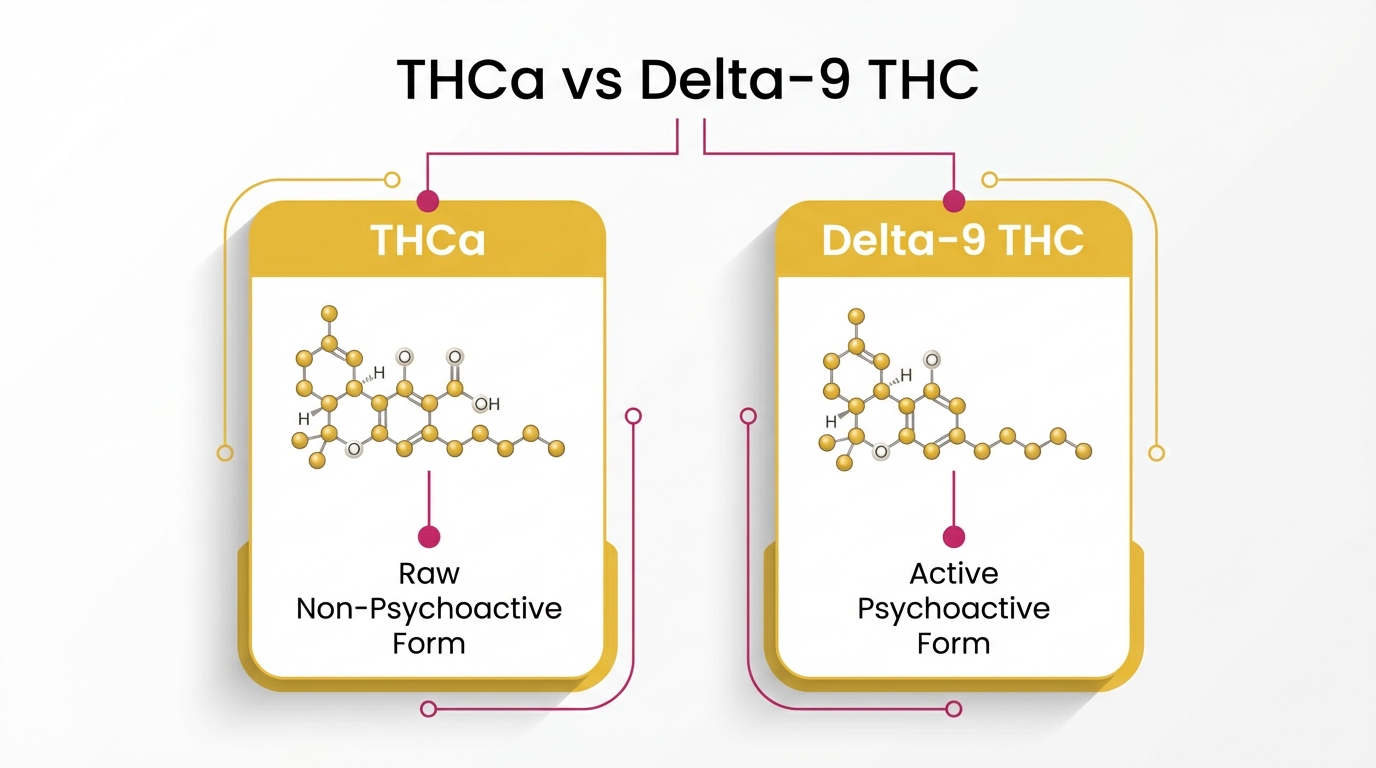
THCa is the raw, non-psychoactive cannabinoid acid found naturally in cannabis plants, while delta-9 THC is its psychoactive counterpart produced when heat removes THCa’s carboxylic acid group through decarboxylation.
This guide covers their chemical relationship, how each compound affects the body, therapeutic and recreational benefits, side effects and safety, legal status and drug testing, consumption methods, and how to choose the right product.
THCa and delta-9 THC share nearly identical molecular structures, separated only by a single carboxyl group. That group prevents THCa from binding CB1 receptors, which is why raw cannabis produces no high; remove it with heat, and the resulting delta-9 THC activates those same receptors to produce euphoria, altered perception, and relaxation.
Each cannabinoid carries distinct potential benefits. THCa shows promise for anti-inflammatory support, neuroprotection in neurodegenerative disease models, and nausea relief at low doses. Delta-9 THC is associated with pain modulation, sleep promotion, and mood enhancement through dopamine release in the brain’s reward pathways.
Their side effect profiles diverge just as sharply. Raw THCa is well tolerated with minimal adverse reactions, while delta-9 THC can cause memory impairment, red eyes, rapid heart rate, and, with regular use, withdrawal symptoms like anxiety and disturbed sleep.
Legally, hemp-derived products containing 0.3% or less delta-9 THC are federally permitted under the 2018 Farm Bill, but THCa occupies a gray area because it converts to THC when heated. State regulations add further complexity. Both compounds also trigger identical positive results on standard drug screenings, since the body metabolizes them into the same detectable compound.
THCa is the raw, non-psychoactive cannabinoid acid found in living cannabis plants, while delta-9 THC is its psychoactive counterpart formed through heat exposure. The sections below break down their chemical structures and the conversion process connecting them.
The chemical structure of THCa (tetrahydrocannabinolic acid) is defined by its molecular formula C22H30O4 and a molecular weight of 358.5 g/mol, as recorded in PubChem. The distinguishing feature is a carboxylic acid group (COOH) attached to the cannabinoid ring system. THCa has two main isomers, THCA-A and THCA-B, which differ in the position of this carboxylic acid group on the molecule. THCA-A is the more abundant and pharmacologically studied form found in raw cannabis flower. Because that extra carboxyl group changes the molecule’s three-dimensional shape, THCa cannot efficiently bind to CB1 receptors in the brain, which is why consuming it raw does not produce intoxicating effects.
The chemical structure of delta-9 THC is defined by its molecular formula C21H30O2 and a molecular weight of 314.46 g/mol, according to PubChem. Compared to THCa, delta-9 THC is missing the carboxylic acid group; this is reflected in the lower molecular weight (one fewer carbon atom, two fewer oxygen atoms). THC usually refers to the delta-9-THC isomer with the chemical name (−)-trans-Δ⁹-tetrahydrocannabinol. Without the bulky carboxyl group, the molecule adopts a shape that fits snugly into CB1 receptors throughout the central nervous system. This structural difference, though seemingly small, is the sole reason delta-9 THC produces psychoactive effects while its precursor does not.
Decarboxylation converts THCa into delta-9 THC by removing the carboxylic acid group (COOH) as carbon dioxide when heat is applied. The reaction is temperature-dependent: at 110°C, THCA-A concentration approaches zero in 30 minutes, while at 145°C this occurs in just 6 minutes. A study published in Cannabis and Cannabinoid Research found that the activation energy for THCA-A decarboxylation is 88 kJ/mol, with rate constants approximately twice those of CBDA or CBGA. Under controlled vacuum oven conditions, the reaction proved essentially stoichiometric with no side reactions or CBN formation. This is why smoking, vaping, or baking cannabis triggers the conversion that makes THCa psychoactive. For anyone exploring hemp-derived cannabinoid products, understanding this conversion clarifies how the same plant material can deliver very different experiences depending on preparation method.
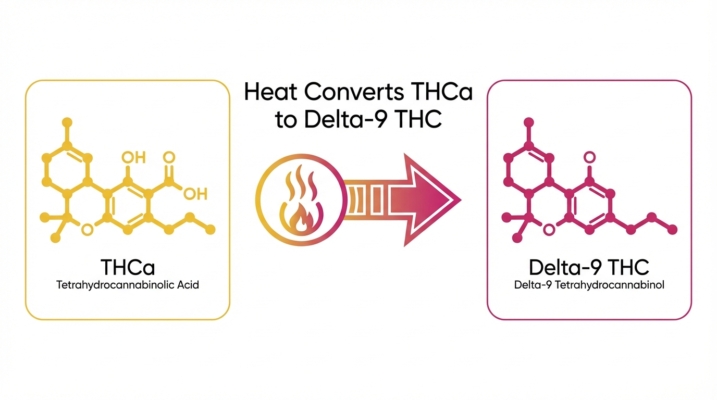
THCa and Delta-9 THC differ in their effects primarily because of how each interacts with the body’s cannabinoid receptors. THCa exists in two main isomers, THCA-A and THCA-B, and neither produces intoxication in raw form. The sections below cover how THCa works without a high, how Delta-9 THC triggers psychoactive effects, and what happens when THCa flower is heated.
THCa affects the body without producing a high because it has extremely weak binding affinity at the CB1 receptor, the receptor responsible for cannabis intoxication. According to a 2017 study published in Cannabis and Cannabinoid Research, THC demonstrated 62-fold greater affinity at hCB1 compared to THCA-A, confirming that the acidic precursor essentially cannot activate the receptor pathway that creates a psychoactive response.
This near-absence of CB1 activation is what makes raw THCa appealing for users who want potential wellness support without cognitive impairment. The researchers even suspected that the small binding measurements they recorded for THCA-A were partly an artifact from trace decarboxylation during testing, meaning true affinity may be weaker still.
Delta-9 THC produces psychoactive effects by acting as a partial agonist at the CB1 receptor in the central nervous system. As documented in a 2022 review in the British Journal of Pharmacology, this partial agonist activity at CB1 is directly responsible for the euphoria, altered perception, and relaxation commonly associated with cannabis use.
When Delta-9 THC binds CB1 receptors in the brain, it modulates neurotransmitter release, affecting mood, memory, coordination, and sensory processing. The strength of these effects depends on dosage, individual tolerance, and consumption method. For anyone comparing cannabinoids, this CB1 mechanism is the fundamental dividing line between THC’s intoxicating properties and THCa’s non-psychoactive profile.
When you smoke or vape THCa flower, the heat rapidly converts THCa into Delta-9 THC through decarboxylation, producing psychoactive effects virtually identical to traditional cannabis. The combustion temperatures involved far exceed the thresholds needed for complete conversion, so the THCa content effectively becomes active THC upon inhalation.
This is a critical distinction many consumers overlook. THCa flower sold in its raw state is non-intoxicating, but the moment it is lit or vaped, it behaves like any Delta-9 THC product. For those seeking THCa’s non-psychoactive properties, raw consumption methods like juicing or tinctures preserve the acidic form. Understanding the THCA to THC conversion helps explain why both compounds can originate from the same flower yet deliver entirely different experiences depending on preparation method.
The potential benefits of THCa include anti-inflammatory support, neuroprotective properties, and relief from nausea. These effects may be enhanced through the entourage effect, where cannabis compounds work together to deliver various potential benefits.
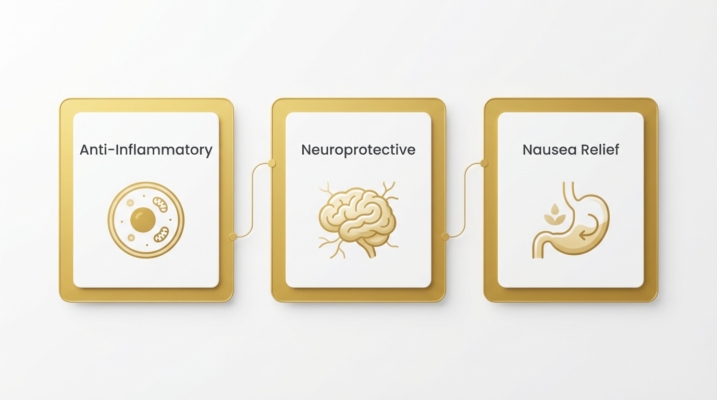
THCa may support anti-inflammatory responses by modulating key inflammatory pathways in the body. Preclinical research indicates that THCa attenuated microgliosis, astrogliosis, and the up-regulation of proinflammatory markers in neurotoxin-treated models. This anti-inflammatory activity occurs without the psychoactive effects associated with Delta-9 THC, making raw THCa an area of growing interest for researchers studying inflammatory conditions. For those exploring non-intoxicating cannabinoid options, this property positions THCa as one of the more promising compounds currently under investigation.
THCa may offer neuroprotective properties by acting through specific cellular pathways that protect brain cells from degeneration. According to research published in the British Journal of Pharmacology, THCa shows potent neuroprotective activity worth considering for the treatment of Huntington’s disease and possibly other neurodegenerative and neuroinflammatory diseases. In preclinical mouse models, THCa improved motor deficits and prevented striatal degeneration through a PPARγ-dependent pathway. While human clinical trials are still needed, these early findings suggest THCa could play a meaningful role in future neuroprotective therapies.
THCa may help with nausea and appetite by interacting with cannabinoid receptors involved in the body’s emetic response. In animal models published in the British Journal of Pharmacology, THCa at doses of 0.05 and 0.5 mg/kg reduced lithium chloride-induced vomiting in S. murinus, an effect reversed by a CB1 receptor antagonist. These findings suggest THCa may be a more potent alternative to THC for treating nausea and vomiting. Notably, Marinol (dronabinol, a synthetic THC) already holds FDA approval for chemotherapy-related nausea in patients unresponsive to conventional antiemetics, which underscores the therapeutic relevance of cannabinoids in this space. Loss of appetite is also a recognized feature of cannabis withdrawal, highlighting how cannabinoid compounds broadly influence appetite regulation.
Understanding these potential benefits helps clarify why product quality matters when selecting cannabinoid products.
The potential benefits of Delta-9 THC include pain relief, improved sleep, and mood enhancement. Below, each benefit is explored in detail.
Delta-9 THC helps with pain relief by acting as a partial agonist at CB1 receptors in the central nervous system, modulating pain signal transmission. This interaction reduces the perception of discomfort, particularly for chronic and neuropathic pain. Synthetic THC formulations have already earned FDA recognition; according to the FDA, Marinol (dronabinol, a synthetic THC) is approved for specific medical conditions, establishing a regulatory precedent for THC’s therapeutic value. For those exploring hemp-derived options, our delta-9 THC guide covers how the 2018 Farm Bill’s 0.3 percent dry-weight threshold shapes product accessibility, safety, and legal compliance.
Delta-9 THC promotes relaxation and sleep by engaging the endocannabinoid system, which helps regulate the body’s sleep-wake cycle. CB1 receptor activation can reduce the time it takes to fall asleep while extending overall sleep duration. Many users report that indica-dominant strains or lower-dose edibles produce a calming body sensation conducive to rest. For anyone who struggles with racing thoughts at bedtime, this sedative quality often proves more practical than relaxation techniques alone. Timing and dosage matter considerably; consuming THC too early or in excessive amounts may produce stimulation rather than sedation.
Delta-9 THC influences mood and creativity by triggering dopamine release in the brain’s reward pathways, producing feelings of euphoria and heightened sensory awareness. This shift in perception can lower mental inhibitions, allowing ideas to flow more freely during creative tasks. Some users find that low to moderate doses enhance divergent thinking, while higher doses may cause anxiety that counteracts any creative benefit. Finding the right dose is often the deciding factor between inspiration and overstimulation. With growing interest in Delta-9 THC products for both recreational and functional use, understanding these mood-related effects helps consumers choose experiences aligned with their goals.
The side effects of THCa vs Delta-9 THC differ significantly because of how each compound interacts with the endocannabinoid system. Raw THCa produces minimal adverse reactions, while Delta-9 THC carries well-documented psychoactive and physiological side effects.
The side effects that can occur with raw THCa are minimal compared to its activated counterpart. THCA-A lacks cannabimimetic effects because it has little binding affinity at cannabinoid receptor 1 (CB1), according to research published in Cannabis and Cannabinoid Research. Without meaningful CB1 activation, raw THCa does not trigger the psychoactive responses associated with traditional cannabis use.
When kept below decarboxylation temperatures, THCA-A remains chemically stable. Studies confirm the decarboxylation reaction is essentially stoichiometric with no side reactions, meaning the compound does not degrade into unwanted byproducts under controlled conditions. For most users, this translates to a well-tolerated cannabinoid in its raw form. That said, individual sensitivities can vary, and anyone taking medications should consult a healthcare provider before use.
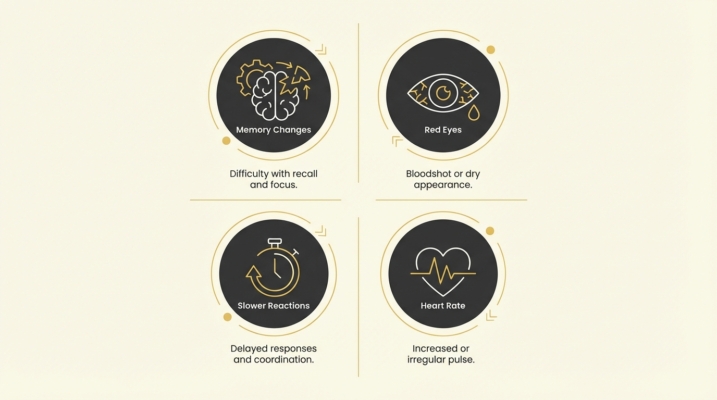
The side effects that can occur with Delta-9 THC include memory loss, red eyes, slowed reaction times, and rapid heart rate, as reported by Healthline. These effects stem directly from Delta-9 THC’s role as a partial agonist at the CB1 receptor, which drives both its psychoactive and physiological responses.
Beyond acute effects, regular use can lead to tolerance and dependence. Withdrawal symptoms such as anxiety, irritability, disturbed sleep, and depressed mood are commonly reported among frequent users. Higher doses or sensitive individuals may also experience heightened anxiety or paranoia. For anyone exploring Delta-9 THC products, starting with a low dose and increasing gradually remains the most practical approach to managing side effects.
Understanding these differences in side effect profiles helps inform which cannabinoid aligns with your goals and tolerance.
THCa and Delta-9 THC differ legally based on federal hemp definitions, DEA interpretation, and individual state regulations. The sections below cover THCa’s status under the Farm Bill, Delta-9 THC’s federal classification, and how state laws create additional complexity.
THCa occupies a legal gray area under the 2018 Farm Bill. The Farm Bill legalized hemp by removing it from the definition of marijuana in the Controlled Substances Act, defining legal hemp as cannabis with no more than 0.3% Delta-9 THC on a dry weight basis. Because this threshold measures only Delta-9 THC, raw THCa flower can technically test below the limit while containing high levels of THCa.
However, the DEA has stated that THCa does not meet the federal definition of legal hemp, as reported by Marijuana Moment. Since THCa converts to Delta-9 THC when heated, regulators increasingly view high-THCa products as functionally equivalent to marijuana. This disconnect between the Farm Bill’s text and enforcement interpretation makes THCa’s legality uncertain and highly dependent on how authorities choose to apply the law.
Delta-9 THC is not fully legal at the federal level. Marijuana remains a Schedule I controlled substance under the Controlled Substances Act, and any cannabis product exceeding 0.3% Delta-9 THC on a dry weight basis falls under this classification. Hemp-derived Delta-9 products that stay at or below this threshold, however, are federally legal under the Farm Bill’s definition.
This concentration-based distinction has enabled a growing market of compliant Delta-9 edibles and beverages. Manufacturers formulate products with large enough serving sizes to keep THC percentages below 0.3% by dry weight while still delivering noticeable effects. The Department of Justice has also proposed rescheduling marijuana from Schedule I to Schedule III, which could reshape the federal landscape significantly if finalized.
State laws affect THCa and Delta-9 legality by creating a patchwork of regulations that can override or narrow federal permissions. Even where the Farm Bill permits hemp-derived cannabinoids, individual states retain authority to restrict or ban specific compounds.
Key ways state regulations vary include:
For consumers, this means a product legally purchased in one state may be prohibited in another. Checking a dedicated THCA legality by state guide before buying or traveling with any cannabinoid product is essential.
IndaCloud ships 100% federally legal hemp-derived products across the continental United States, with each product containing less than 0.3% Delta-9 THC and backed by third-party lab testing for compliance and quality assurance.
THCa and Delta-9 THC both show up on drug tests because standard screenings detect THC metabolites, not the original cannabinoid consumed. The key factor is how the body processes each compound after ingestion.
Standard urine drug tests target 11-nor-delta-9-tetrahydrocannabinol-9-carboxylic acid (9-carboxy-THC), a metabolite produced when the body breaks down Delta-9 THC. According to the CDC, smoking a single marijuana cigarette produces THC metabolites detectable for several days, with casual users testing positive for up to two weeks and chronic users potentially longer. Since THCa converts to Delta-9 THC through heat during smoking, vaping, or even partial decarboxylation during storage, consuming THCa products can generate the same metabolite that triggers a positive result.
What makes this particularly important to understand is that even raw THCa, which produces no psychoactive high on its own, may still lead to enough THC conversion in the body or during handling to register on a screening. A 2017 study published in Cannabis and Cannabinoid Research found that THC showed 62-fold greater affinity at hCB1 receptors compared to THCA-A, confirming that even small amounts of converted THC interact strongly with the endocannabinoid system and produce detectable metabolites.
Drug tests do not distinguish between THCa-derived THC and directly consumed Delta-9 THC. The metabolic endpoint is identical. Whether someone uses federally legal THCa flower or a state-legal Delta-9 edible, the urine screening will flag the same compound.
Key considerations for anyone facing drug testing include:
For anyone who may face workplace or legal drug screening, the safest assumption is that any THCa or Delta-9 THC product can cause a positive test. For a detailed breakdown of cut-off levels and detection windows, see the full guide on does THCA test positive. This reality is one of the most commonly overlooked aspects of hemp-derived cannabinoid use, and it deserves careful consideration before choosing a consumption method.
The different ways to consume THCa vs Delta-9 THC depend on whether the cannabinoid remains in its raw acidic form or has been activated through heat. Raw consumption preserves THCa, while smoking, vaping, and cooking activate Delta-9 THC.
THCa is consumed in its raw non-activated form through methods that avoid heat exposure entirely. Because heat triggers decarboxylation, preserving THCa’s acidic structure (molecular formula C22H30O4, per PubChem) requires keeping temperatures well below the conversion threshold.
Common raw THCa consumption methods include:
These approaches let consumers access THCa’s non-psychoactive properties without converting it into Delta-9 THC. For anyone seeking cannabinoid benefits while staying clear-headed throughout the day, raw consumption is one of the most practical options available.
Delta-9 THC is consumed through edibles and vapes by applying heat, which ensures the cannabinoid reaches its psychoactive form before entering the body. Each method delivers notably different experiences due to how the body processes THC.
Key consumption methods include:
Edibles produce slower, longer-lasting effects, while inhalation methods offer faster onset with shorter duration.
Yes, the consumption method changes the effects significantly. Inhalation delivers Delta-9 THC to the bloodstream within minutes through the lungs, producing rapid psychoactive onset. Edibles, by contrast, require digestion and liver metabolism, where THC converts into 11-hydroxy-THC, a metabolite that often produces more intense and prolonged effects.
Raw THCa consumption produces no psychoactive response regardless of the amount consumed, since heat never triggers the conversion to Delta-9 THC. This makes method selection one of the most important decisions for any cannabinoid consumer. Choosing between raw, inhaled, or ingested formats ultimately determines not just intensity but the entire character of the experience.
With consumption methods clarified, selecting the right product becomes the next practical step.
You choose between THCa and Delta-9 THC products by matching each cannabinoid’s properties to your specific goals. The right choice depends on whether you prioritize wellness without intoxication, relaxation with psychoactive effects, or verified product safety.
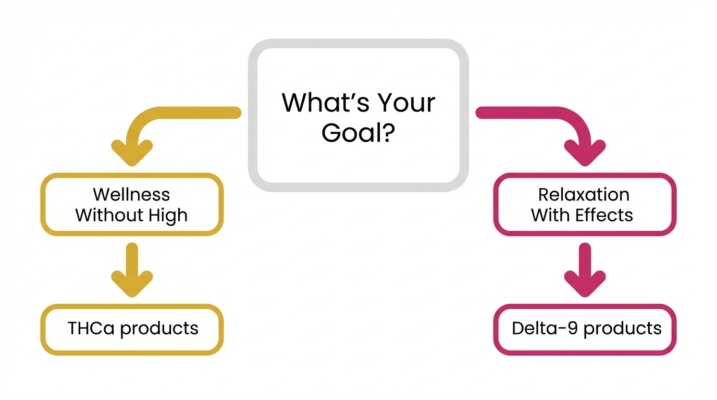
THCa is better for wellness without psychoactive effects. Because THCa does not activate CB1 receptors with meaningful affinity, it delivers no intoxicating high in its raw form. This makes it suitable for consumers interested in potential anti-inflammatory or neuroprotective support while maintaining full mental clarity throughout the day.
Wellness-focused users typically consume THCa through raw flower, tinctures, or capsules that preserve the cannabinoid’s acidic structure. Heating converts THCa into Delta-9 THC, so the consumption method matters as much as the product itself. For anyone who needs to stay sharp at work or avoid psychoactive side effects, THCa remains the more practical cannabinoid to explore.
Delta-9 THC is better for relaxation or recreational use. As a partial agonist at the CB1 receptor, Delta-9 THC produces the euphoric, calming, and mood-altering effects most consumers associate with cannabis. Edibles, vapes, and pre-rolls containing Delta-9 deliver consistent psychoactive experiences suited to unwinding, socializing, or creative pursuits.
Consumers seeking stronger physical relaxation or sleep support typically benefit more from Delta-9 products with indica-leaning terpene profiles. Recreational users should start with a low dose, especially with edibles, since oral bioavailability and onset timing differ significantly from inhalation. Matching the product format to your desired intensity level is essential for a comfortable experience.
Product quality and lab testing directly affect your choice by determining the safety, potency, and consistency of any cannabinoid product you consume. Without verified testing, there is no reliable way to confirm cannabinoid concentration or screen for contaminants like pesticides, heavy metals, and residual solvents.
According to PharmaHemp, Good Manufacturing Practices (GMP) and third-party lab testing are used to ensure product quality and transparency across the hemp industry. Always look for a current Certificate of Analysis (COA) before purchasing any THCa or Delta-9 product. A COA confirms that an independent lab verified the labeled potency and screened for harmful substances. Skipping this step is one of the most common mistakes new consumers make, and it carries real health risks.
IndaCloud provides comprehensive third-party lab reports for every product, ensuring customers can verify potency, purity, and safety before purchase, a standard backed by their team of over 35 cannabis experts.
With product quality verified through third-party lab testing, consumers can more confidently select cannabinoid products that match their needs.
You can explore hemp-derived THC products with Inda Cloud through a curated online selection of lab-tested edibles, vapes, flower, and pre-rolls. The sections below cover how Inda Cloud supports your cannabinoid journey and the essential takeaways from THCa vs Delta-9 THC.
Yes, Inda Cloud’s lab-tested edibles, vapes, and flower can help you find the right cannabinoid experience. Every product undergoes comprehensive third-party testing to verify potency and purity, giving you transparent lab reports before you buy. Whether you prefer raw THCa flower for non-psychoactive wellness support or Delta-9 gummies for relaxation, Inda Cloud organizes products by cannabinoid type, desired effect, and potency level. Browse the full range of hemp-derived Delta-9 products to find lab-verified edibles, vapes, and pre-rolls that meet current federal compliance standards. With free shipping on qualifying orders and discreet delivery across the continental United States, Inda Cloud removes the guesswork from choosing between THCa and Delta-9 options.
The key takeaways about THCa vs Delta-9 THC center on their distinct chemical properties, effects, and legal considerations:
Choosing between THCa and Delta-9 ultimately depends on whether you prioritize non-psychoactive wellness or the classic cannabis experience. Understanding these differences helps you select products with confidence.
Let’s dive into the worlds of delta 8 and delta 9 THC. Delta 9…
Learn more
Raw, unheated THCA clears your system in roughly 24 to 48 hours. Once you…
Learn more
THCP binds cannabinoid receptors roughly 33 times harder than THC in lab testing. THCA,…
Learn more
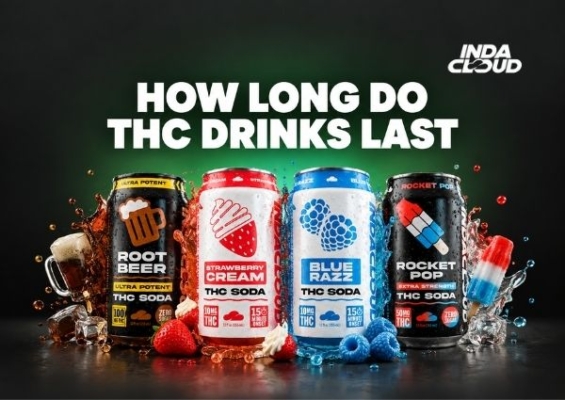
A THC drink is easier to misjudge than a gummy. It goes down like…
Learn more
