



Delta 8

Delta 8 vs Delta 9: Complete Comparison
Let’s dive into the worlds of delta 8 and delta 9 THC. Delta 9…
Learn more
You must be 21+ to enter this site
 FREE SHIPPING $89+
 FREE GIFT ON $120+
 100% FEDERALLY LEGAL
 LAB TESTED FOR PURITY
FREE SHIPPING $89+
FREE GIFT ON $120+
100% FEDERALLY LEGAL
LAB TESTED FOR PURITY
FREE SHIPPING $89+
FREE GIFT ON $120+
100% FEDERALLY LEGAL
LAB TESTED FOR PURITY
FREE SHIPPING $89+
FREE GIFT ON $120+
100% FEDERALLY LEGAL
LAB TESTED FOR PURITY
FREE SHIPPING $89+
FREE GIFT ON $120+
100% FEDERALLY LEGAL
LAB TESTED FOR PURITY
FREE SHIPPING $89+
FREE GIFT ON $120+
100% FEDERALLY LEGAL
LAB TESTED FOR PURITY
FREE SHIPPING $89+
FREE GIFT ON $120+
100% FEDERALLY LEGAL
LAB TESTED FOR PURITY
FREE SHIPPING $89+
FREE GIFT ON $120+
100% FEDERALLY LEGAL
LAB TESTED FOR PURITY
LAB TESTED FOR PURITY
FREE SHIPPING $89+
FREE GIFT ON $120+
100% FEDERALLY LEGAL
LAB TESTED FOR PURITY
FREE SHIPPING $89+
FREE GIFT ON $120+
100% FEDERALLY LEGAL
LAB TESTED FOR PURITY
FREE SHIPPING $89+
FREE GIFT ON $120+
100% FEDERALLY LEGAL
LAB TESTED FOR PURITY
FREE SHIPPING $89+
FREE GIFT ON $120+
100% FEDERALLY LEGAL
LAB TESTED FOR PURITY
FREE SHIPPING $89+
FREE GIFT ON $120+
100% FEDERALLY LEGAL
LAB TESTED FOR PURITY
FREE SHIPPING $89+
FREE GIFT ON $120+
100% FEDERALLY LEGAL
LAB TESTED FOR PURITY
FREE SHIPPING $89+
FREE GIFT ON $120+
100% FEDERALLY LEGAL
LAB TESTED FOR PURITY

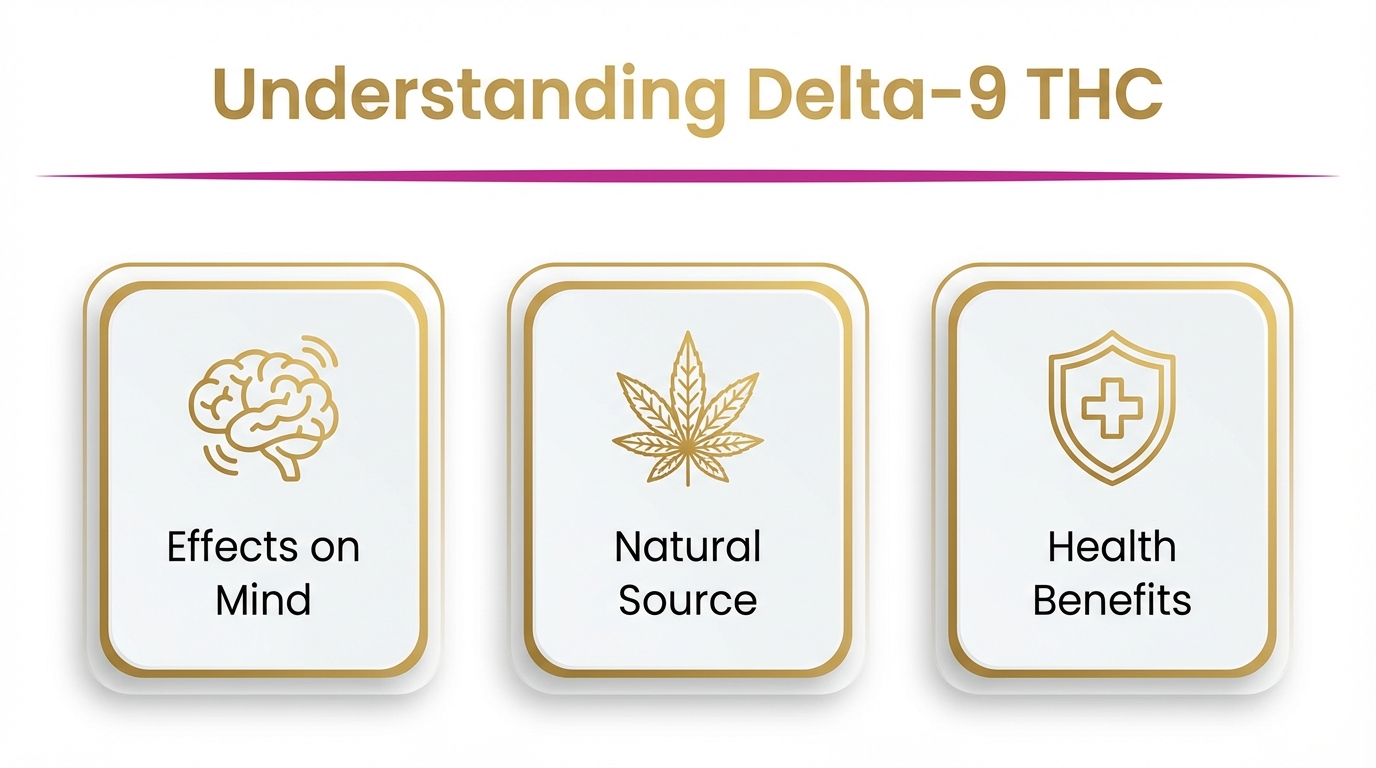
Delta-9 THC is the primary psychoactive cannabinoid in the cannabis plant, responsible for the euphoric “high” associated with marijuana use. It works by binding to CB1 and CB2 receptors in the endocannabinoid system, influencing mood, pain perception, appetite, and sleep.
This guide covers the science behind delta-9 THC, how it compares to other cannabinoids, its therapeutic benefits and health risks, safe dosing practices, legal status in the United States, and how to identify high-quality products.
Delta-9 THC is a tricyclic terpenoid distinguished by a double bond on its ninth carbon chain, and this specific molecular structure determines its potency and receptor binding. It differs meaningfully from delta-8 THC (which produces milder effects due to a different bond position), THCa (its non-psychoactive precursor that requires heat activation), and CBD (which lacks intoxicating properties entirely).
Clinical evidence supports delta-9 THC’s potential for pain management, with patients reporting significant improvements in pain intensity and quality of life at doses as low as 7.5 mg. It also shows promise for sleep support, appetite stimulation through CB1 receptor activation in the hypothalamus, and social mood enhancement at low-to-moderate doses.
The risks are equally real. THC intoxication impairs motor coordination, decision-making, and memory, while long-term use carries a roughly 30% likelihood of cannabis use disorder. Adolescents, pregnant individuals, and those with psychiatric histories should avoid use entirely.
Hemp-derived delta-9 THC is federally legal below 0.3% concentration under the 2018 Farm Bill, though state restrictions vary significantly. Verifying third-party Certificates of Analysis, reading product labels for per-serving milligram content, and choosing lab-tested brands are the most reliable ways to ensure safety and compliance.
Delta-9 THC is the primary psychoactive cannabinoid in the cannabis plant, responsible for the “high” associated with marijuana use. Its chemical makeup, receptor activity, and plant source all shape how it affects the body and its legal classification.
The chemical structure of delta-9 THC is a tricyclic terpenoid with the molecular formula C₂₁H₃₀O₂. According to the National Center for Biotechnology Information, the IUPAC name is (6aR,10aR)-6,6,9-trimethyl-3-pentyl-6a,7,8,10a-tetrahydrobenzo[c]chromen-1-ol, and it carries a molecular weight of 314.5 g/mol. The “delta-9” designation refers to the position of a carbon-carbon double bond on the ninth chain position of the molecule. This specific bond placement is what distinguishes delta-9 THC from other THC isomers and directly determines its potency and how it binds to cannabinoid receptors.
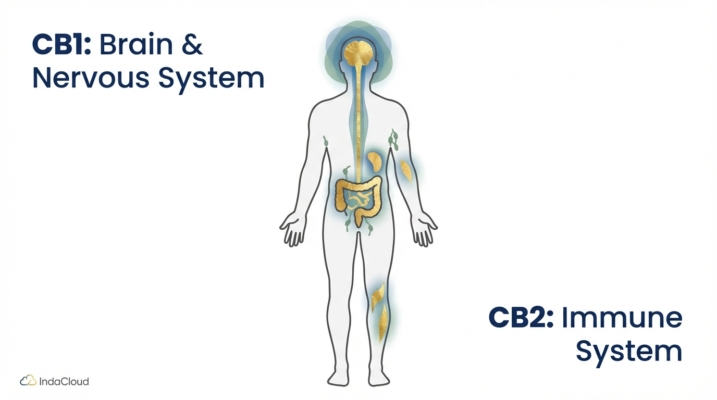
Delta-9 THC interacts with the endocannabinoid system by binding to CB1 and CB2 receptors found throughout the brain and body. CB1 receptors, concentrated in the central nervous system, mediate the compound’s psychoactive effects, including euphoria, altered perception, and relaxation. CB2 receptors, located primarily in immune tissues, influence inflammation and immune response. Because delta-9 THC mimics the body’s own endocannabinoids like anandamide, it can temporarily alter mood, pain signaling, appetite, and memory. The strength of these effects depends on dosage, individual tolerance, and whether the THC concentration falls within the federally defined hemp threshold of not more than 0.3 percent on a dry weight basis, as established by the 2018 Farm Bill.
The difference between hemp-derived and marijuana-derived delta-9 THC is legal classification, not molecular structure. Both sources produce the identical delta-9 THC molecule. Federal law distinguishes them solely by concentration: hemp contains no more than 0.3% delta-9 THC on a dry weight basis, while marijuana exceeds that threshold.
Key distinctions include:
According to the Association of Cannabinoid Specialists, delta-9 THC is classified as Schedule I federally, yet state-level legalization continues to expand access. Understanding the source distinction matters because it determines which products you can legally purchase and where.
Delta-9 THC differs from other cannabinoids primarily through its strong binding affinity at CB1 receptors, which produces pronounced psychoactive effects. The sections below compare delta-9 THC to delta-8 THC, THCa, and CBD.
Delta-9 THC compares to delta-8 THC primarily in molecular structure and psychoactive potency. Both cannabinoids share the same chemical formula, but the position of their carbon double bond differs. According to the Association of Cannabinoid Specialists, delta-8 THC is less potent at the CB1 receptor due to this different double-bond location, producing a milder psychoactive effect compared to delta-9 THC.
Key differences between delta-9 THC and delta-8 THC include:
For consumers who find delta-9 THC too intense, a deeper look at delta-8 vs delta-9 THC covers the practical differences worth exploring.
Delta-9 THC compares to THCa as the activated form versus the raw precursor. THCa, or tetrahydrocannabinolic acid, is the non-psychoactive acidic compound found naturally in raw cannabis flower. It does not produce a high because its carboxyl group prevents it from binding efficiently to CB1 receptors.
When THCa is exposed to heat through smoking, vaping, or cooking, a process called decarboxylation removes that carboxyl group and converts THCa into delta-9 THC. Only after this conversion does the compound become psychoactive. This distinction matters for consumers choosing between raw hemp flower products and those designed for inhalation or infusion, since the experience differs significantly depending on whether decarboxylation has occurred. For a full breakdown of THCa vs delta-9 THC differences in effects and benefits, see the dedicated comparison guide.
Delta-9 THC compares to CBD in one fundamental way: delta-9 THC is psychoactive, while CBD is not. Delta-9 THC binds directly to CB1 receptors in the brain, producing euphoria and altered perception. CBD, by contrast, has very low affinity for CB1 receptors and instead modulates the endocannabinoid system indirectly.
Other important distinctions include:
Understanding these cannabinoid differences helps consumers select the right product for their goals, whether that means full psychoactive effects or non-intoxicating support.
The benefits of delta-9 THC span pain management, stress reduction, sleep support, appetite stimulation, and mood enhancement. Each benefit works through delta-9 THC’s interaction with the endocannabinoid system.
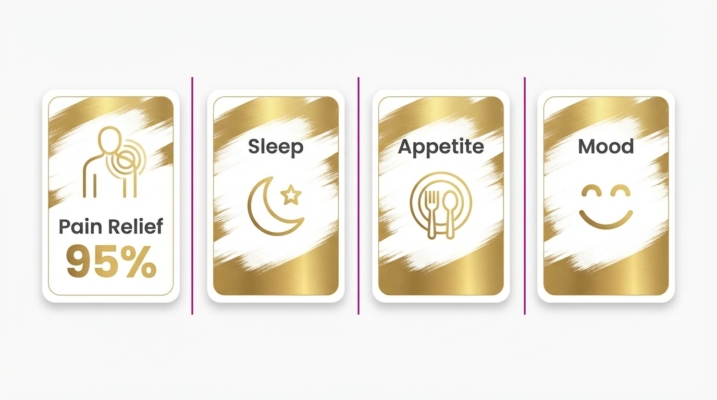
Yes, delta-9 THC can help with pain relief. This cannabinoid activates CB1 receptors in the central nervous system, modulating how pain signals are processed and perceived. In a multicenter survey of 172 patients treated with an average of 7.5 mg delta-9 THC over seven months, 124 patients showed significant improvements in pain intensity, pain disability, quality of life, and anxiety/depression scores, as reported by the National Center for Biotechnology Information. Neuropathic pain responds particularly well; clinical evidence confirms significant reductions in chronic radicular nerve pain among study participants. For people managing persistent discomfort, delta-9 THC represents one of the more promising cannabinoid options worth discussing with a healthcare provider.
Yes, delta-9 THC can reduce anxiety and stress at low doses. When consumed in small amounts, this cannabinoid promotes a calming effect by binding to CB1 receptors in brain regions that regulate emotional responses, such as the amygdala and prefrontal cortex. Many users report feeling a noticeable easing of tension and mental pressure. However, the relationship between delta-9 THC and anxiety is dose-dependent. Higher doses may increase anxious feelings in some individuals, particularly those with low tolerance. Starting with a minimal dose and increasing gradually helps identify the threshold where relaxation occurs without overstimulation.
Yes, delta-9 THC can improve sleep quality for many users. Its sedative properties at moderate doses help reduce the time it takes to fall asleep, which benefits those struggling with restlessness at night. Delta-9 THC may also extend total sleep duration by interacting with receptors involved in the sleep-wake cycle. Indica-dominant products tend to produce the strongest sleep-promoting effects. Timing matters as well; consuming delta-9 THC edibles one to two hours before bed allows onset to align with your desired sleep window. Long-term reliance without breaks can reduce effectiveness over time, so periodic tolerance management is worth considering.
Yes, delta-9 THC can enhance appetite. This effect occurs because delta-9 THC stimulates CB1 receptors in the hypothalamus, the brain region controlling hunger signals. Activation of these receptors increases the release of ghrelin, a hormone that triggers the sensation of hunger. Food also tends to taste and smell more appealing under the influence of delta-9 THC, which further encourages eating. This appetite-stimulating property has practical value for individuals experiencing reduced food intake due to medical treatments or chronic conditions. Among all cannabinoids, delta-9 THC produces the most consistent and well-documented appetite enhancement.
Yes, delta-9 THC can support social relaxation and mood. Low-to-moderate doses often produce feelings of euphoria, lightheartedness, and increased sociability by elevating dopamine activity in the brain’s reward pathways. Conversations may feel more engaging, and social inhibitions tend to soften. These mood-enhancing qualities make delta-9 THC a popular choice for social gatherings and shared experiences among adults. Individual responses vary based on tolerance, setting, and product type, so choosing a familiar, comfortable environment maximizes the positive social effects. Understanding safe dosing ensures these benefits remain enjoyable rather than overwhelming.
The risks and side effects of delta-9 THC range from short-term cognitive impairment to long-term dependency. The following sections cover acute side effects, chronic risks, and populations that should avoid use.
The short-term side effects of delta-9 THC include impaired cognition, altered coordination, and changes in perception. According to the Journal of Addiction Medicine, THC intoxication impairs cognitive function on multiple levels, from basic motor coordination to complex executive tasks such as planning, decision-making, problem-solving, and emotional regulation.
Common acute side effects include:
These effects typically resolve within hours, though edibles can prolong the experience due to slower metabolism. Starting with a low dose helps minimize uncomfortable reactions, especially for newer users.
The long-term risks of delta-9 THC use include cannabis use disorder, persistent cognitive deficits, and respiratory concerns from smoking. According to the Centers for Disease Control and Prevention, approximately 3 in 10 people who use cannabis develop cannabis use disorder, with an estimated 30% likelihood of addiction among users.
Several factors elevate long-term risk:
Executive function deficits in decision-making, concept formation, and planning have been observed even after three or more weeks of abstinence. For anyone using delta-9 THC regularly, periodic tolerance breaks and honest self-assessment of consumption patterns are practical safeguards worth prioritizing.
The people who should avoid using delta-9 THC include pregnant or breastfeeding individuals, adolescents, and those with a personal or family history of psychotic disorders. Because the CDC identifies youth and adolescence as the highest-risk period for developing cannabis use disorder, minors should not consume delta-9 THC products.
Additional groups that should exercise caution or abstain:
Consulting a healthcare provider before using delta-9 THC is essential for anyone in these categories, particularly for individuals assessing potential delta-9 THC drug interactions with existing prescriptions. With individual risk factors established, understanding proper dosing practices further reduces the chance of adverse outcomes.
You use delta-9 THC safely by starting with a low dose, choosing the right consumption method, and following basic precautions. The subsections below cover beginner dosing, edible-specific timing, vape considerations, and essential safety guidelines.
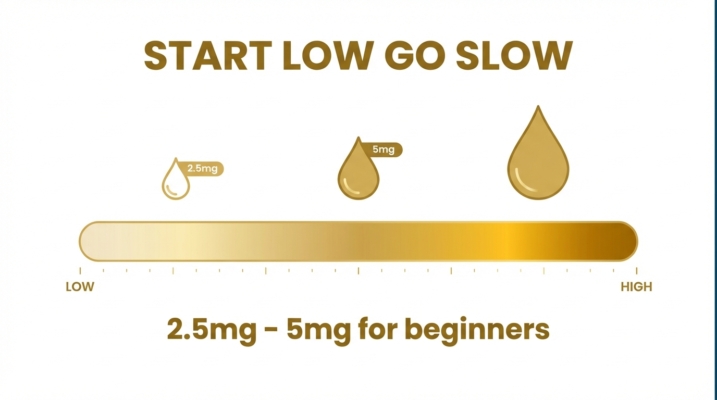
The right delta-9 THC dosage for beginners is between 2.5 mg and 5 mg per session. This low starting range allows new users to gauge individual sensitivity before increasing intake. Body weight, metabolism, and prior cannabinoid experience all influence how a person responds.
A practical approach follows the “start low, go slow” principle:
Notably, a multicenter survey published in Pain Research & Management found that patients treated with an average of 7.5 mg delta-9 THC reported improvements in pain and quality of life, suggesting that even modest doses can produce meaningful effects. Rushing past that threshold, however, raises the likelihood of uncomfortable side effects like anxiety or dizziness.
Dosing for delta-9 THC edibles differs because oral consumption produces delayed, longer-lasting, and often more intense effects than other methods. According to a 2020 review in Medicina, oral THC has a highly variable pharmacokinetic profile that differs between formulations, with delayed peak plasma concentrations and higher variability in baked goods and oil forms.
Key factors that make edible dosing unique:
Because of this delayed onset, the most common mistake with edibles is consuming a second dose too soon. Patience is genuinely the most important dosing tool for anyone using gummies, baked goods, or other ingestible formats.
For consumers new to delta-9 edibles, choosing products with clearly labeled per-serving milligram content can help prevent accidental overconsumption. IndaCloud’s gummy line, for example, provides precise dosing information and third-party lab verification to support safe, measured use.
Dosing for delta-9 THC vapes differs because inhalation delivers THC to the bloodstream rapidly, producing near-immediate effects. Research published in Pain Research & Management found that smoked THC reaches a peak plasma level of approximately 152 ng/mL within about 10 minutes, with average bioavailability around 30%.
This fast onset changes the dosing strategy:
For beginners, vapes offer more real-time dose control than edibles since you can feel results quickly and stop. That said, the ease of re-dosing can also lead to overconsumption if you are not deliberate about pacing each inhalation.
The safety precautions you should follow with delta-9 THC include avoiding driving, verifying product quality, and being aware of personal risk factors.
Essential precautions:
According to the CDC, approximately 3 in 10 cannabis users develop cannabis use disorder, with higher risk among those who start young or use frequently. Responsible, moderate use paired with verified product quality remains the most effective safety strategy for anyone exploring delta-9 THC.
Delta-9 THC legality in the United States depends on the source of the compound and individual state laws. The subsections below cover what the 2018 Farm Bill established for hemp-derived delta-9 THC and which states restrict these products.
The 2018 Farm Bill says hemp-derived delta-9 THC is federally legal, provided the product contains no more than 0.3% delta-9 THC on a dry weight basis. This legislation removed hemp from the Controlled Substances Act’s definition of marijuana, effectively distinguishing low-THC cannabis from its higher-potency counterpart. As defined in U.S. Code §1639o, “hemp” includes all derivatives, extracts, and cannabinoids of Cannabis sativa L. meeting that threshold.
Products exceeding 0.3% delta-9 THC remain classified as marijuana, a Schedule I controlled substance under federal law. This distinction is what allows hemp derived delta-9 edibles, gummies, and other products to be sold legally across much of the country.
The states that restrict hemp-derived delta-9 THC products vary, as individual legislatures set their own cannabinoid regulations independent of federal law. While hemp-derived products meeting the 0.3% threshold are federally legal, several states have enacted bans or placed tight restrictions on specific hemp cannabinoids. According to the Association of Cannabinoid Specialists, delta-8 THC, despite being technically legal under federal law when hemp-derived, has already been banned in multiple states; similar scrutiny increasingly extends to delta-9 hemp products.
State laws change frequently, so checking current regulations in your specific state before purchasing is essential. For consumers prioritizing compliance, choosing products from brands that track state-level restrictions helps reduce legal risk.
Understanding legality is one piece of the puzzle; verifying product quality ensures what you buy actually meets those legal standards.
You choose safe and high-quality delta-9 THC products by verifying third-party lab results and reading product labels carefully. The following sections cover why independent testing matters and what key details to check on every label.
Third-party lab testing matters for delta-9 THC because it provides independent verification of a product’s safety, potency, and purity before it reaches consumers. Without this step, buyers have no reliable way to confirm what is actually inside a product.
According to the New Jersey Cannabis Regulatory Commission, a Certificate of Analysis (CoA) is a lab test report that provides information on the safety, quality, and potency of a cannabis product, with all cannabis products undergoing testing by licensed third-party testing laboratories before being sold to consumers. A CoA confirms several critical data points:
Products sold without accessible CoAs should raise immediate concern. Reputable brands publish these reports on their websites or include QR codes on packaging that link directly to the results.
IndaCloud exemplifies this standard by providing third-party Certificates of Analysis for every product batch, allowing customers to verify potency, purity, and safety before making a purchase.
You should look for clear cannabinoid content, ingredient transparency, and compliance information on a delta-9 THC product label. A well-designed label serves as your first quality checkpoint before ever opening the package.
Key details to verify include:
Labels missing any of these details often signal corner-cutting in quality control. For most consumers, starting with the milligram-per-serving figure and cross-referencing it against the CoA is the single most effective way to confirm you are getting exactly what the product claims.
With product quality confirmed, the next step is finding a trusted source for lab-tested delta-9 THC.
You can get trusted delta-9 THC products delivered by ordering from brands that provide third-party lab testing, transparent labeling, and hemp-derived formulations compliant with federal law. Below, learn how Inda Cloud meets these standards and review key takeaways on delta-9 THC.
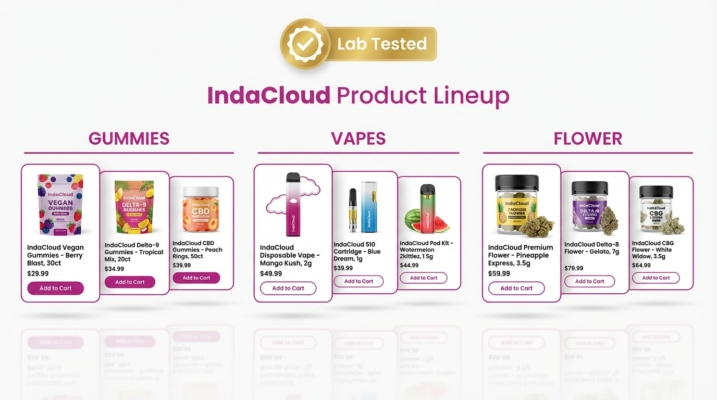
Yes, IndaCloud offers lab-tested hemp-derived delta-9 THC products shipped directly to customers across the continental United States. Every product undergoes third-party testing to verify potency, purity, and compliance with the federal 0.3% delta-9 THC threshold.
This level of quality control matters more than ever. According to a CDC study, the average delta-9 THC concentration in cannabis research samples nearly doubled from 9% in 2008 to 17% in 2017, with dispensary products often reaching much higher levels. Standardized lab testing helps consumers know exactly what they are getting.
IndaCloud’s product lineup includes:
All products are made from U.S.-grown hemp, and Certificates of Analysis are available for every batch. Orders ship within 48 hours in discreet packaging, with free shipping on orders over $89.
The key takeaways about delta-9 THC benefits, risks, and safety center on informed, cautious use. Delta-9 THC offers documented potential for pain relief, appetite stimulation, and relaxation, yet it also carries real risks including cognitive impairment and a roughly 30% likelihood of cannabis use disorder among regular users.
Practical conclusions to remember:
Balancing these benefits and risks requires choosing transparent, lab-tested products from reputable sources. Browse delta-9 THC gummies with verified potency documentation to explore delta-9 THC with confidence.
Let’s dive into the worlds of delta 8 and delta 9 THC. Delta 9…
Learn more

A THC drink is easier to misjudge than a gummy. It goes down like…
Learn more
Microdosing edibles means taking the smallest amount of THC that gives you a subtle,…
Learn more
You took the gummy, waited a while, and now you want to know how…
Learn more
