


Culture

Why You’re Tired But Can’t Sleep
You’re Tired But Still Can’t Sleep? A Better Night Routine for Deeper, More Consistent…
Learn more
You must be 21+ to enter this site
 FREE SHIPPING $89+
 FREE GIFT ON $120+
 100% FEDERALLY LEGAL
 LAB TESTED FOR PURITY
FREE SHIPPING $89+
FREE GIFT ON $120+
100% FEDERALLY LEGAL
LAB TESTED FOR PURITY
FREE SHIPPING $89+
FREE GIFT ON $120+
100% FEDERALLY LEGAL
LAB TESTED FOR PURITY
FREE SHIPPING $89+
FREE GIFT ON $120+
100% FEDERALLY LEGAL
LAB TESTED FOR PURITY
FREE SHIPPING $89+
FREE GIFT ON $120+
100% FEDERALLY LEGAL
LAB TESTED FOR PURITY
FREE SHIPPING $89+
FREE GIFT ON $120+
100% FEDERALLY LEGAL
LAB TESTED FOR PURITY
FREE SHIPPING $89+
FREE GIFT ON $120+
100% FEDERALLY LEGAL
LAB TESTED FOR PURITY
FREE SHIPPING $89+
FREE GIFT ON $120+
100% FEDERALLY LEGAL
LAB TESTED FOR PURITY
LAB TESTED FOR PURITY
FREE SHIPPING $89+
FREE GIFT ON $120+
100% FEDERALLY LEGAL
LAB TESTED FOR PURITY
FREE SHIPPING $89+
FREE GIFT ON $120+
100% FEDERALLY LEGAL
LAB TESTED FOR PURITY
FREE SHIPPING $89+
FREE GIFT ON $120+
100% FEDERALLY LEGAL
LAB TESTED FOR PURITY
FREE SHIPPING $89+
FREE GIFT ON $120+
100% FEDERALLY LEGAL
LAB TESTED FOR PURITY
FREE SHIPPING $89+
FREE GIFT ON $120+
100% FEDERALLY LEGAL
LAB TESTED FOR PURITY
FREE SHIPPING $89+
FREE GIFT ON $120+
100% FEDERALLY LEGAL
LAB TESTED FOR PURITY
FREE SHIPPING $89+
FREE GIFT ON $120+
100% FEDERALLY LEGAL
LAB TESTED FOR PURITY

Why Modern Cannabis Culture Looks Nothing Like 2016
Ah, 2016. Simpler times…. But 2016 cannabis culture though?
It looked like somebody threw neon smoke effects,
a galaxy background, and a flat-brim hat into a blender
and then called it b r a n d i n g.
Every other post screamed:
“BRO THIS STRAIN SENT ME TO MARS 🚀🔥”
Half the logos looked radioactive.
The other half looked like they were designed
during a Mountain Dew-fueled all-nighter.
And somehow… that era still felt iconic.
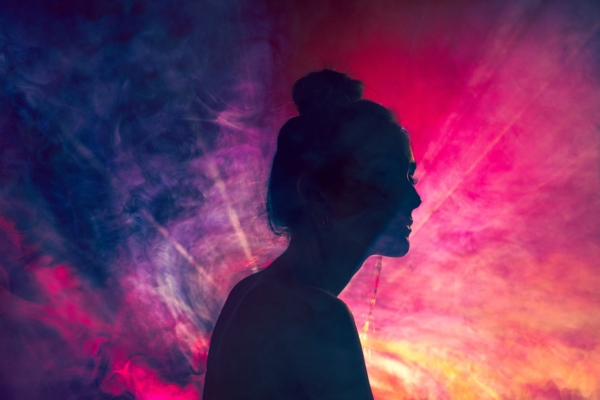
LED lights permanently set to purple.
A SoundCloud playlist rattling somebody’s blown car speakers.
Snapchat stories filmed through cracked screens at 1:42 AM.
“Glowies 4 Kobe” getting yelled before somebody launched themselves
into orbit with a dab 10,000 degrees too hot for any person. (Rip Kobe. 💜💛)
But cannabis culture moves completely differently now, like just about everything else.
Today’s cannabis space feels more intentional, more emotionally aware,
more design-conscious, and way more connected to everyday lifestyle habits
than the culture people probably remember from 2016.

Back then, cannabis content revolved around shock factor, intensity, and proving a point.
People wanted the strongest products.
The loudest reactions.The funniest smoke videos.
The biggest clouds human lungs could physically produce.
The internet rewarded exaggeration (when it didn’t ban it.)
Now consumers pay attention to entirely different things:
Cannabis integrated itself into daily life in a more grounded way.
A nighttime gummy after a stressful workday.
A creative session paired with music and a strain someone genuinely enjoys.
A weekend nature walk without twenty notifications going off every five seconds.
The conversation expanded far beyond intensity alone.
One of the biggest cultural changes happened quietly:
people started reading labels.
Modern cannabis consumers recognize:
That level of ingredient awareness barely existed
in mainstream cannabis conversations back in 2016.
I mean, raise your hand if you knew any of that 10 years ago.
(kudos if you, it’s not impossible, OG!)
Today people want to understand how something feels, how long it lasts,
how it fits into their rhythm, and how it supports the experience they’re trying to create.
Consumer curiosity changed product development across the entire industry.
Brands now spend more time discussing formulation,
consistency, and intention …
Well, because consumers genuinely care about those details.
The culture expanded into conversations about hot button topics like:
A shift changed the emotional tone of cannabis marketing.
People stopped viewing cannabis as a separate “party category” just
floating outside normal life.
It became part of grandma’s evening wind-down routine,
or Paul’s creative workflow, a widows social reconnection life hack,
An activity enhancer for grandpas outdoor experiences.
All of these translate into an intentional moment of pause.
And honestly? A lot of people needed that shift.
Modern life feels loud. Phones quite literally never. stop. vibrating.
Attention spans get pulled in seventeen directions before lunch.

One of the healthiest evolutions in cannabis culture came from visibility.
The modern cannabis consumer can look like:
People openly discuss balancing productivity, creativity, and cannabis
in ways that feel honest instead of performative.
Most consumers aren’t trying to disappear into a couch forever.
They’re actually trying to:
Platform restrictions changed cannabis culture more
than people on the outside of the industry ever realized.
As apps tightened moderation rules, brands, including ours,
had to become smarter communicators.
That pressure created a more creative internet culture overall.
Brands learned how to build atmosphere, create identity, and encourage conversation.
Basically, communicate through feeling instead of constant promotion.
The modern cannabis audience responds to authenticity way faster than forced hype.
People can tell immediately when content feels manufactured.
Back in 2016, success usually meant HUGE view counts,
viral smoke videos, or outrageous challenge content.
Now, people want spaces that feel interactive.
They want livestreams,
Discord groups, Reddit threads,
loyalty experiences, (breatheeeeeeeeee) …
behind-the-scenes conversations,
AND communities where participation actually matters.
That emotional connection carries more long-term value than temporary virality ever did.
Thankfully, cannabis culture never lost its sense of humor.
People still send unhinged memes at 2 AM,
debate snack combinations like it’s international diplomacy,
and somehow turn one edible story into a 45-minute cinematic universe.
That part survived beautifully. The difference now:
Modern cannabis culture leaves room for emotional intelligence,
Self-awareness, and wellness conversations.
The culture feels fuller now. Creativity, professionalism,
and genuine vulnerability alongside the humor.
Modern cannabis culture looks nothing like 2016 because the people inside it evolved.
The conversations deepened, branding matured.
The audience became more informed, routines became more intentional.
The communities became more connected.
And somewhere between the memes,
wellness conversations, late-night creativity sessions,
ingredient breakdowns, pre-rolls under LED lights, and daily rituals…
You’re Tired But Still Can’t Sleep? A Better Night Routine for Deeper, More Consistent…
Learn more
Over the past few days, you’ve probably seen the headlines. Cannabis. Schedule III. Federal…
Learn more

A housewarming party is supposed to be about showing people your new place. Yes,…
Learn more

Every brand talks about growth. Fewer take the time to sit with what that…
Learn more
