



Blogs

Are THC Gummies Legal? A 2026 State-by-State Guide
Yes, THC gummies are legal to buy in most of the United States right…
Learn more
You must be 21+ to enter this site
 FREE SHIPPING $89+
 FREE GIFT ON $120+
 100% FEDERALLY LEGAL
 LAB TESTED FOR PURITY
FREE SHIPPING $89+
FREE GIFT ON $120+
100% FEDERALLY LEGAL
LAB TESTED FOR PURITY
FREE SHIPPING $89+
FREE GIFT ON $120+
100% FEDERALLY LEGAL
LAB TESTED FOR PURITY
FREE SHIPPING $89+
FREE GIFT ON $120+
100% FEDERALLY LEGAL
LAB TESTED FOR PURITY
FREE SHIPPING $89+
FREE GIFT ON $120+
100% FEDERALLY LEGAL
LAB TESTED FOR PURITY
FREE SHIPPING $89+
FREE GIFT ON $120+
100% FEDERALLY LEGAL
LAB TESTED FOR PURITY
FREE SHIPPING $89+
FREE GIFT ON $120+
100% FEDERALLY LEGAL
LAB TESTED FOR PURITY
FREE SHIPPING $89+
FREE GIFT ON $120+
100% FEDERALLY LEGAL
LAB TESTED FOR PURITY
LAB TESTED FOR PURITY
FREE SHIPPING $89+
FREE GIFT ON $120+
100% FEDERALLY LEGAL
LAB TESTED FOR PURITY
FREE SHIPPING $89+
FREE GIFT ON $120+
100% FEDERALLY LEGAL
LAB TESTED FOR PURITY
FREE SHIPPING $89+
FREE GIFT ON $120+
100% FEDERALLY LEGAL
LAB TESTED FOR PURITY
FREE SHIPPING $89+
FREE GIFT ON $120+
100% FEDERALLY LEGAL
LAB TESTED FOR PURITY
FREE SHIPPING $89+
FREE GIFT ON $120+
100% FEDERALLY LEGAL
LAB TESTED FOR PURITY
FREE SHIPPING $89+
FREE GIFT ON $120+
100% FEDERALLY LEGAL
LAB TESTED FOR PURITY
FREE SHIPPING $89+
FREE GIFT ON $120+
100% FEDERALLY LEGAL
LAB TESTED FOR PURITY

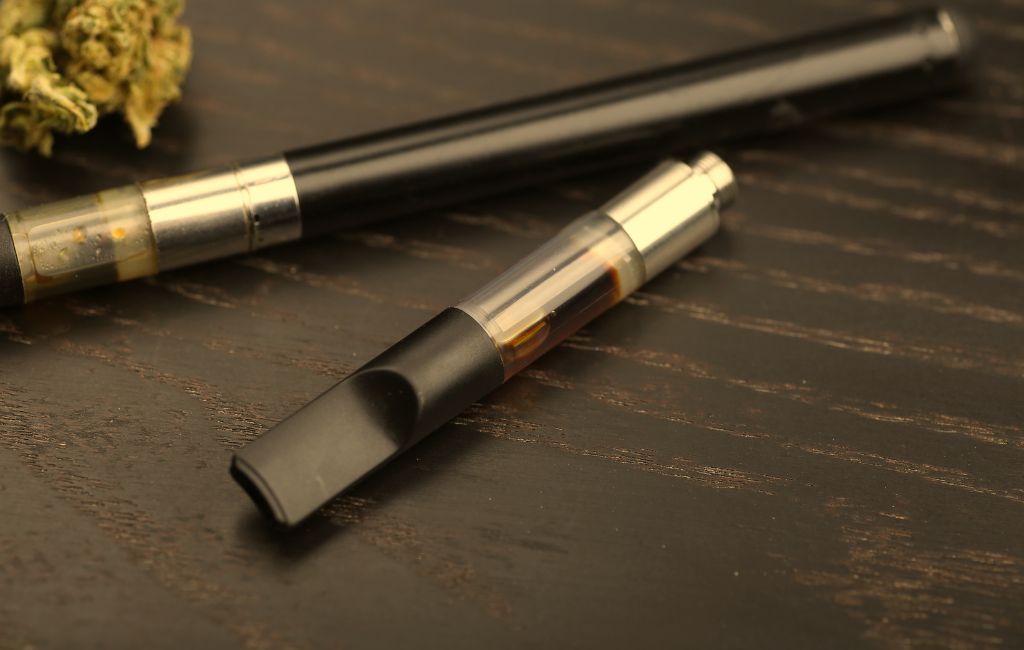
As vaping gains popularity, many users wonder how long substances from a cart (cartridge) remain in their system. Understanding the detection timeline is crucial for health concerns, workplace drug testing, or personal curiosity.
In this article, we’ll explore the factors influencing how long vape substances linger in your body, shedding light on what to expect and how different variables, like frequency of use and metabolism, play a role. So, if you hit a cart, how long does it stay in your system?
As marijuana becomes increasingly legal across U.S. states for both medical and recreational purposes, a common question arises: “How long does marijuana stay in your system?” Understanding how long marijuana remains detectable is just one aspect; it’s equally important to consider how long it takes for the substance to be fully cleared from the body.
This guide delves into these topics, outlines detection windows for various drug tests, and offers information on accessing compassionate and effective addiction treatment if marijuana or other substances have been misused.
The duration marijuana remains in your system depends on a variety of factors, including:
The way you consume marijuana significantly impacts how quickly THC enters your system and how long it stays detectable:
How often you consume marijuana plays a critical role in how long THC lingers in your system. With repeated use, THC accumulates in fat cells, taking longer to metabolize and eliminate:
Your body type also influences THC detection times:
Once you stop using marijuana, your body begins the process of eliminating THC and its metabolites. The time required to clear marijuana from your system entirely varies for each individual, typically ranging from a few days to over a month. Factors such as frequency of use, body composition, and overall health significantly influence this timeline.
For those who smoke marijuana once a week, THC generally remains detectable for about 5 to 7 days after the last use. This duration accounts for the time it takes your body to metabolize and excrete THC from your bloodstream and fat cells. While staying hydrated and active may slightly assist the process, time remains the primary factor.
Daily marijuana use results in a longer detection window, with THC often lingering in your system for 2 to 4 weeks or more after cessation. This extended period is due to the buildup of THC in fat cells over time. Regular physical activity and proper hydration may help facilitate the process, but patience is essential for complete clearance.
Even a couple of puffs of marijuana can leave detectable traces of THC in your system. For occasional use, urine tests typically identify THC for about 1 to 3 days. Though a small amount of marijuana results in a shorter detection window, it can still be enough to register on a drug test.
Different drug testing methods detect marijuana in your system for varying durations. Common tests include hair, blood, urine, and saliva tests, each with distinct detection windows based on how they identify THC and its metabolites.
THC can remain in your hair follicles for an extended period. Hair tests can detect marijuana use for up to 90 days after your last use. THC enters the bloodstream and is deposited in hair as it grows, remaining there over time.
Marijuana does not linger in the bloodstream for long. After smoking or ingesting marijuana, THC is typically detectable in blood for 1 to 2 days. However, it might be detectable for up to a month in cases of heavy use. Blood tests are particularly effective for identifying recent marijuana consumption.
The duration marijuana stays detectable in urine varies based on frequency of use:
Urine tests are among the most commonly used methods for detecting marijuana due to their longer detection window.
The onset and duration of marijuana’s effects depend on the method of consumption. The way THC enters your body influences how quickly you feel its impact and how long those effects last.
Yes, THC gummies are legal to buy in most of the United States right…
Learn more

Raw, unheated THCA clears your system in roughly 24 to 48 hours. Once you…
Learn more

Yes, edibles show up on drug tests. Standard panels detect THC edibles exactly the…
Learn more

Green Wednesday is the Wednesday before Thanksgiving, the cannabis industry’s second-biggest shopping day of…
Learn more
