


Blogs

Do Edibles Show Up on a Drug Test?
Yes, edibles show up on drug tests. Standard panels detect THC edibles exactly the…
Learn more
You must be 21+ to enter this site
 FREE SHIPPING $89+
 FREE GIFT ON $120+
 100% FEDERALLY LEGAL
 LAB TESTED FOR PURITY
FREE SHIPPING $89+
FREE GIFT ON $120+
100% FEDERALLY LEGAL
LAB TESTED FOR PURITY
FREE SHIPPING $89+
FREE GIFT ON $120+
100% FEDERALLY LEGAL
LAB TESTED FOR PURITY
FREE SHIPPING $89+
FREE GIFT ON $120+
100% FEDERALLY LEGAL
LAB TESTED FOR PURITY
FREE SHIPPING $89+
FREE GIFT ON $120+
100% FEDERALLY LEGAL
LAB TESTED FOR PURITY
FREE SHIPPING $89+
FREE GIFT ON $120+
100% FEDERALLY LEGAL
LAB TESTED FOR PURITY
FREE SHIPPING $89+
FREE GIFT ON $120+
100% FEDERALLY LEGAL
LAB TESTED FOR PURITY
FREE SHIPPING $89+
FREE GIFT ON $120+
100% FEDERALLY LEGAL
LAB TESTED FOR PURITY
LAB TESTED FOR PURITY
FREE SHIPPING $89+
FREE GIFT ON $120+
100% FEDERALLY LEGAL
LAB TESTED FOR PURITY
FREE SHIPPING $89+
FREE GIFT ON $120+
100% FEDERALLY LEGAL
LAB TESTED FOR PURITY
FREE SHIPPING $89+
FREE GIFT ON $120+
100% FEDERALLY LEGAL
LAB TESTED FOR PURITY
FREE SHIPPING $89+
FREE GIFT ON $120+
100% FEDERALLY LEGAL
LAB TESTED FOR PURITY
FREE SHIPPING $89+
FREE GIFT ON $120+
100% FEDERALLY LEGAL
LAB TESTED FOR PURITY
FREE SHIPPING $89+
FREE GIFT ON $120+
100% FEDERALLY LEGAL
LAB TESTED FOR PURITY
FREE SHIPPING $89+
FREE GIFT ON $120+
100% FEDERALLY LEGAL
LAB TESTED FOR PURITY

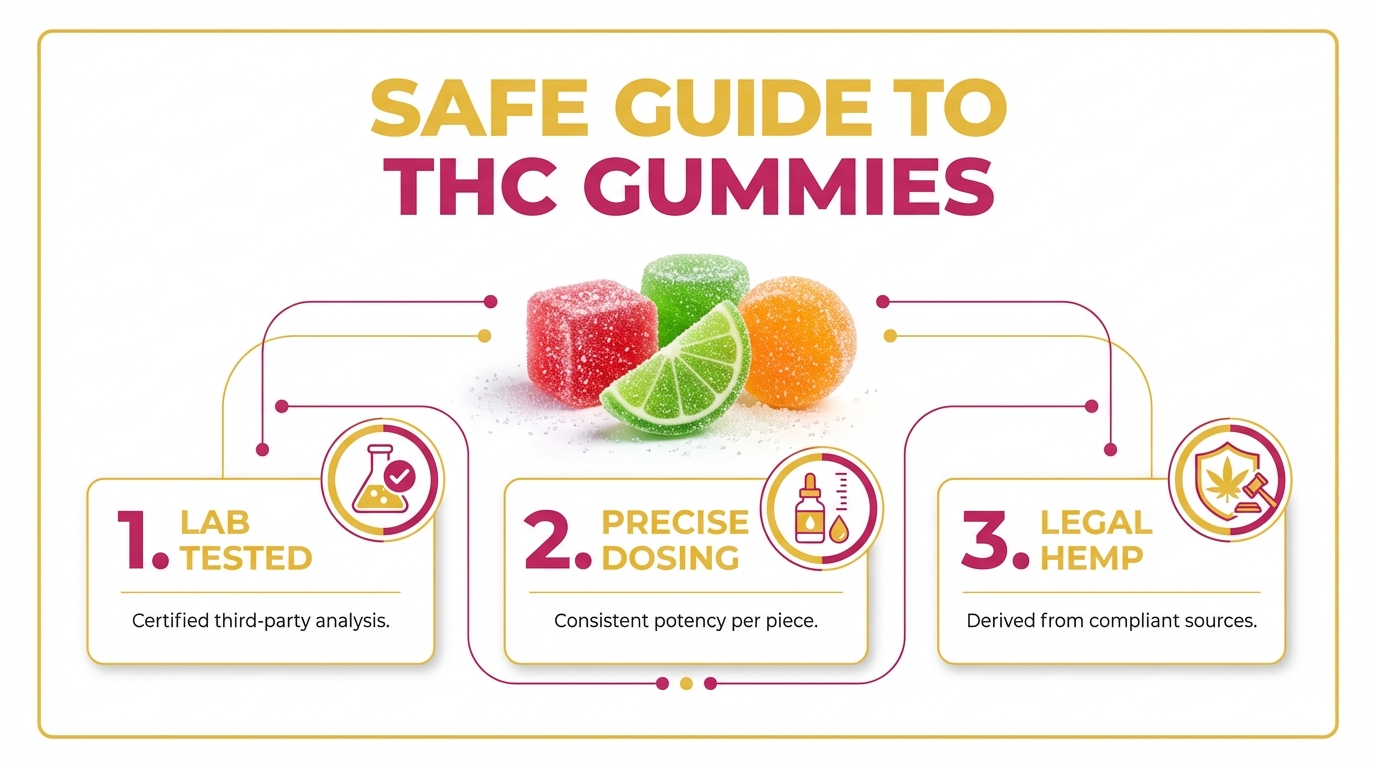
Sour patch edibles are cannabis-infused gummies designed to replicate the sour-then-sweet flavor of popular sour candy while delivering active cannabinoids such as delta 9 THC, delta 8 THC, HHC, or CBD.
We cover the cannabinoids and legality behind these gummies, how to evaluate quality and dose them properly, what the experience feels like from onset to duration, and where to find safe, lab-tested options.
Sour patch style gummies come in multiple cannabinoid formulations, each producing different effects. Delta 9 THC delivers the strongest psychoactive experience, delta 8 offers a milder and clearer-headed high, HHC sits between the two in intensity, and CBD provides calm without intoxication. Hemp-derived versions containing no more than 0.3% delta 9 THC on a dry-weight basis are federally legal under the 2018 Farm Bill, though state laws vary and some restrict specific cannabinoids like delta 8.
Choosing a quality product means verifying third-party lab reports, checking per-gummy potency labeling, and reviewing ingredient lists for clean formulations. Legitimate brands publish batch-specific Certificates of Analysis that confirm cannabinoid content and screen for contaminants.
IndaCloud, for example, provides accessible third-party lab reports for every product batch and maintains a team of over 35 cannabis experts to ensure quality standards across their hemp-derived gummy selection.
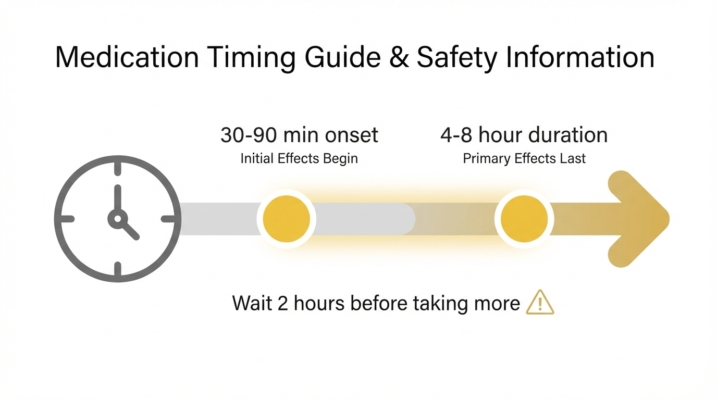
Proper dosing starts at 2.5 to 5 mg of THC for beginners, 5 to 15 mg for occasional users, and 15 to 50 mg for experienced consumers. Edibles take 30 to 90 minutes to kick in because the liver metabolizes THC into 11-hydroxy-THC, producing a slower but deeper effect that lasts 4 to 8 hours.
Common side effects include dry mouth, dizziness, and heightened anxiety at higher doses. Storing gummies in cool, dark, airtight containers preserves potency for three to six months. For lab-tested, federally compliant sour gummy edibles, reputable hemp retailers ship hemp-derived options directly to consumers across the United States.
Sour patch cannabis gummies are cannabis-infused edibles designed to mimic the sour-then-sweet flavor profile of popular sour candy, while delivering cannabinoids such as delta 9 THC, delta 8 THC, HHC, or CBD. Unlike standard sour candy, these gummies contain active hemp-derived or marijuana-derived compounds that produce psychoactive or therapeutic effects after ingestion.
The term “sour patch edibles” is not an official product from the Sour Patch Kids candy brand. Instead, independent cannabis companies produce sour-coated gummies inspired by that familiar taste. According to the Drug Enforcement Administration, marijuana remains a Schedule I substance under the Controlled Substances Act; however, hemp-derived cannabinoids containing no more than 0.3% delta 9 THC on a dry-weight basis occupy a different legal category under the 2018 Farm Bill. This distinction is what allows many sour patch style gummies to be sold legally across the United States.
For consumers, the appeal is straightforward: a discreet, precisely dosed, and enjoyable way to consume cannabinoids without smoking or vaping. Each gummy typically contains a measured amount of a specific cannabinoid, making portion control simpler than with homemade edibles. Understanding exactly what these products are, and what separates them from ordinary candy, is essential before exploring how to choose and dose them safely.
Sour patch style edibles are so popular because they combine a universally loved candy experience with the effects of cannabinoids, making cannabis consumption feel familiar and enjoyable. Their appeal spans flavor, discretion, and a rapidly expanding market.
The sour-then-sweet flavor profile masks the earthy taste of hemp extract that many users find unpleasant. This familiar candy format also lowers the barrier to entry for newcomers who may feel intimidated by smoking or vaping. Gummies are pre-dosed, portable, and easy to consume without drawing attention, which appeals to both recreational and wellness-focused consumers. According to Grand View Research, the global CBD gummies market was estimated at USD 4.75 billion in 2024 and is projected to reach USD 23.80 billion by 2030, growing at a CAGR of 30.8%. That trajectory reflects just how deeply gummy-format edibles have embedded themselves into mainstream cannabis culture.
For anyone exploring cannabinoid options for the first time, a sour gummy feels less like “taking something” and more like enjoying a treat. Understanding which cannabinoids power these gummies helps you choose the right product.
The cannabinoids found in sour patch edibles include delta 9 THC, delta 8 THC, HHC, and CBD. Each cannabinoid produces distinct effects and potency levels, which the following sections break down.
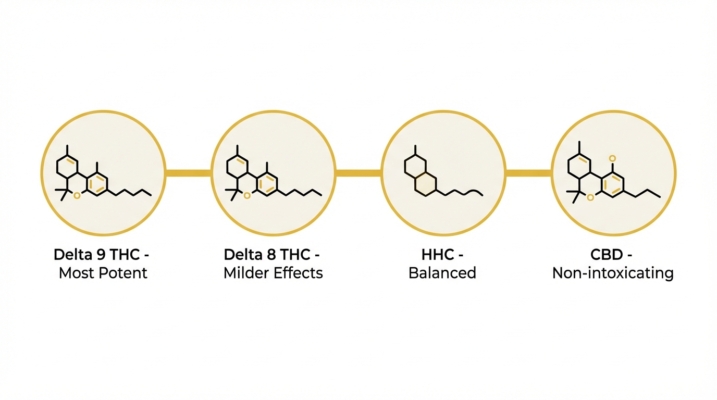
Delta 9 THC in sour patch gummies is the primary psychoactive cannabinoid responsible for the classic cannabis high. Delta 9 THC has a molecular formula of C21H30O2 and binds directly to CB1 receptors in the brain, producing euphoria, relaxation, and altered sensory perception. Hemp-derived delta 9 gummies remain federally legal when they contain no more than 0.3% delta 9 THC on a dry-weight basis. According to Grand View Research, the global CBD gummies market was estimated at USD 4.75 billion in 2024, reflecting surging consumer demand for cannabinoid-infused edibles across all formulations. Delta 9 sour patch gummies typically offer the most potent experience among hemp-derived options, making accurate dosing essential for newer users.
Delta 8 THC in sour patch gummies is a naturally occurring cannabinoid that produces milder psychoactive effects than its delta 9 counterpart. According to PubChem, delta 8 THC shares the same molecular formula as delta 9 (C21H30O2), but the double bond sits on the eighth carbon chain rather than the ninth. This subtle structural difference results in a less intense high, often described as smoother and more clear-headed. Many users prefer delta 8 sour patch gummies when they want relaxation without strong sedation or mental fog. For anyone seeking a gentler introduction to THC edibles, delta 8 formulations offer a practical middle ground.
HHC in sour patch gummies is hexahydrocannabinol, a hydrogenated cannabinoid with a molecular formula of C21H32O2. HHC is created by adding hydrogen atoms to THC, which makes the molecule more stable and potentially extends shelf life. The effects of HHC fall between delta 8 and delta 9 in intensity, offering moderate euphoria and body relaxation. Because HHC is structurally distinct from traditional THC, its legal status varies by state. This cannabinoid appeals to consumers who want a balanced experience that is neither too mild nor overwhelming.
CBD-infused sour patch gummies are edibles that contain cannabidiol, a non-psychoactive cannabinoid with a molecular formula of C21H30O2. CBD does not produce a high; instead, it interacts with the endocannabinoid system to support calm and general wellness. Some sour patch edibles combine CBD with THC to create a balanced ratio that may moderate psychoactive intensity through the entourage effect. CBD-only sour gummies suit consumers who want the benefits of cannabinoids without any intoxication. For those exploring hemp-derived edibles for the first time, CBD formulations provide the most approachable starting point.
With each cannabinoid offering a different experience, knowing what to look for on the label helps you choose the right gummy.
Sour patch edibles are legal in the United States when they contain hemp-derived cannabinoids with no more than 0.3% delta-9 THC on a dry-weight basis, as defined by the 2018 Farm Bill. However, legality varies depending on the cannabinoid source and state regulations.
Hemp-derived products containing delta-8 THC, HHC, CBD, or compliant levels of delta-9 THC fall under federal hemp protections. Marijuana-derived edibles follow a completely different legal framework. According to the Drug Enforcement Administration, marijuana is a Schedule I substance under the Controlled Substances Act, meaning it has a high potential for abuse and no currently accepted medical use in treatment in the United States.
State laws add another layer of complexity. Some states have restricted or banned specific hemp-derived cannabinoids like delta-8 THC, even though federal law permits them. Consumers should verify their state’s current regulations before purchasing any cannabis gummy product. For those in states where hemp-derived cannabinoids remain legal, brands like Inda Cloud offer federally compliant options containing less than 0.3% delta-9 THC.
Understanding these distinctions helps consumers make informed purchasing decisions and avoid legal issues.
Sour Patch edibles differ from regular Sour Patch Kids primarily through the addition of active cannabinoids, distinct manufacturing processes, and stricter regulatory requirements. The differences span ingredients, effects, and legal classification.
Regular Sour Patch Kids are conventional candy. According to Snackworks, their ingredients include sugar, wheat flour, corn syrup, high fructose corn syrup, citric acid, tartaric acid, malic acid, artificial flavors, palm oil, and synthetic dyes like Yellow 6, Red 40, and Blue 1. These candies produce no psychoactive effects and are sold without age restrictions in grocery stores nationwide.
Sour Patch edibles replace or supplement that base formula with cannabinoid-infused ingredients. The manufacturing process requires extracting cannabinoids from the cannabis plant, typically through CO2 or ethanol extraction, then decarboxylating the oil concentrate to activate compounds like THC or CBD. This active oil is blended into a gummy mixture containing gelatin or pectin, sweeteners, flavorings, and acid before being poured into molds. Once set, each gummy undergoes laboratory testing to verify potency and quality.
The key differences between sour patch edibles and regular Sour Patch Kids include:
For consumers, the most practical distinction is this: two gummies that look and taste nearly identical can produce completely different experiences. That visual similarity makes proper labeling, child-resistant packaging, and buying from verified sources essential when choosing cannabis-infused sour gummies over their conventional counterparts.
When buying sour patch edibles, you should look for verified lab testing, clear potency labeling, clean ingredients, and a trustworthy brand. The following subsections break down each factor.
You verify third party lab testing by checking for a Certificate of Analysis (COA) from an independent, accredited laboratory. A valid COA confirms cannabinoid potency, identifies the specific compounds present, and screens for contaminants such as heavy metals, pesticides, and residual solvents.
Look for a QR code or direct link on the product packaging that leads to the full lab report. The COA should list the testing lab’s name, the date of analysis, and batch-specific results. If a brand does not publish COAs or makes them difficult to find, treat that as a red flag. Transparency in testing is one of the clearest indicators that a product is safe for consumption.
Cannabinoid potency per gummy matters because it determines the exact dose you consume with each piece. Without a clearly labeled milligram count per gummy, accurate dosing becomes guesswork, increasing the risk of uncomfortable overconsumption or an underwhelming experience.
A product listing only total package potency forces you to calculate individual doses manually, which invites errors. Consistent potency across every gummy also reflects manufacturing quality; during production, the homogenous cannabinoid mixture is poured into molds to ensure the active ingredient is evenly spread across each gummy, as noted by Sinofude. Uneven distribution signals poor quality control. For reliable sessions, always choose products that print a per-piece milligram value on the label.
The ingredients you should check on the label include the cannabinoid source, the gummy base, sweeteners, acids, and any artificial additives. Key items to look for:
Fewer unnecessary additives generally indicate a higher-quality edible.
You identify a reputable edibles brand by evaluating its transparency, compliance, and customer track record. Trustworthy brands share several consistent traits:
A brand lacking any of these signals deserves skepticism. In a rapidly growing market, prioritizing verified quality over flashy packaging protects both your experience and your health. Understanding what separates trustworthy brands from questionable ones makes dosing your first gummy a much simpler decision.
The amount of a sour patch edible you should take depends on your cannabis tolerance level. Beginners, occasional users, and experienced consumers each require different THC dosages for a safe and enjoyable experience.
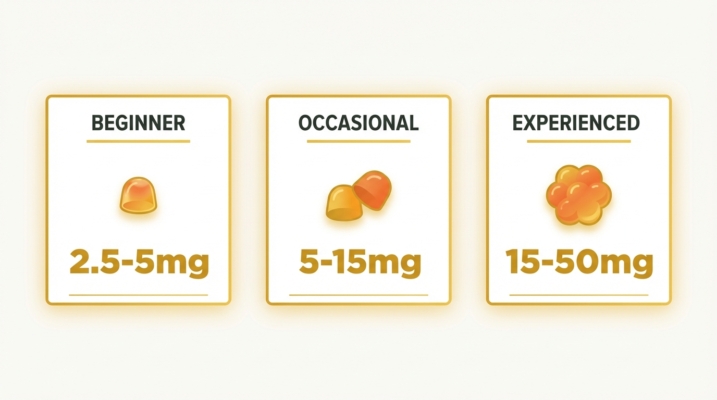
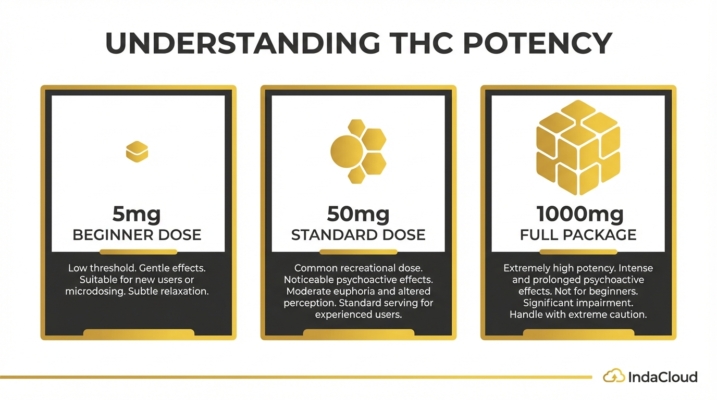
A first time edible user should take between 2.5 mg and 5 mg of THC. This low starting dose allows the body to process the cannabinoid gradually, reducing the risk of uncomfortable side effects like anxiety or nausea. Because edibles are metabolized through the digestive system, onset can take 60 to 90 minutes. Patience is essential; consuming more before the initial dose takes full effect is the most common mistake beginners make. Starting low and waiting at least two hours before considering an additional 2.5 mg gives a much clearer picture of individual sensitivity.
An occasional cannabis user should take between 5 mg and 15 mg of THC per serving. Those with some prior experience, whether from smoking or previous edibles, generally have a baseline understanding of how cannabinoids affect them. A 10 mg dose is widely considered a standard single serving across the cannabis edibles industry. Even with moderate familiarity, factors such as body weight, metabolism, and recent food intake can shift the intensity of effects. Splitting a higher-potency gummy in half offers a practical way to fine-tune the experience without overshooting comfort levels.
An experienced cannabis user should take between 15 mg and 50 mg of THC, depending on personal tolerance. Regular consumers who have built a consistent relationship with THC typically need higher doses to achieve their desired effects. At these potency levels, choosing lab-tested sour patch gummies with verified cannabinoid content per piece becomes especially important, since even small labeling inaccuracies can mean a significant difference in actual intake. Regardless of experience, increasing dosage incrementally rather than jumping to the upper range helps maintain a controlled, enjoyable session.
With the right dose established, understanding onset timing helps set realistic expectations for the experience ahead.
Sour patch edibles typically take 30 to 90 minutes to kick in. The onset window depends on several individual factors, including metabolism, body weight, recent food intake, and the specific cannabinoid used. Unlike smoking or vaping, edibles must pass through the digestive system before cannabinoids enter the bloodstream. The liver converts THC into 11-hydroxy-THC, a metabolite that crosses the blood-brain barrier more slowly but produces stronger, longer-lasting effects.
Eating a sour patch gummy on an empty stomach generally speeds up absorption, while consuming one after a heavy meal can delay onset to 90 minutes or beyond. This delayed onset is the most common reason new users accidentally overconsume; they assume the edible “isn’t working” and take a second dose too soon. For anyone trying sour patch edibles for the first time, waiting at least two full hours before considering additional intake is the safest approach. Understanding this timeline helps set realistic expectations for what the high will feel like once it arrives.
A sour patch edible high feels like a gradual, full-body experience that varies based on the cannabinoid type, dosage, and individual tolerance. The effects build slowly compared to smoking, often producing a deeper and longer-lasting sensation once they fully develop.
Common effects of a sour patch edible high include:
The specific cannabinoid in the gummy shapes the experience significantly. Delta 9 THC gummies typically deliver the most potent psychoactive effects, including strong euphoria and deep relaxation. Delta 8 THC produces a milder, clearer-headed high with less anxiety for many users. HHC falls somewhere between the two, offering moderate euphoria with a relaxed body feel. CBD-infused sour gummies, by contrast, produce no psychoactive high at all; instead, they promote a sense of calm without intoxication.
Dosage plays an equally important role. At 5 mg or below, most people feel a light, functional buzz. Between 10 and 25 mg, effects become more pronounced, with noticeable euphoria and physical relaxation. Doses above 25 mg can feel overwhelming for inexperienced users, sometimes causing anxiety or sedation rather than enjoyment. For anyone new to edibles, starting low and waiting at least two hours before taking more remains the safest approach.
Understanding how each cannabinoid and dose level shapes the high helps you choose the right sour patch edible for your desired experience.
The effects of sour patch gummies typically last between 4 and 8 hours, depending on several individual factors. Duration varies based on dosage, cannabinoid type, metabolism, and body composition. Higher doses and slower metabolisms tend to produce longer-lasting effects, while lower doses may wear off closer to the 4-hour mark.
For most users, peak intensity occurs around the 2 to 3 hour point after onset, with a gradual tapering that can leave residual relaxation or mild drowsiness for an additional hour or two. Eating a sour patch edible on a full stomach may slow absorption but can also extend the overall experience. THC-dominant gummies generally produce longer effects than CBD-only formulas, which tend to offer subtler, shorter-duration relief. Planning your schedule around these timelines is one of the most practical steps for a comfortable experience, especially when trying a new product or potency level.
Understanding your own response pattern over a few sessions helps you predict duration more reliably than any general guideline.
The side effects of sour patch cannabis gummies include dry mouth, red eyes, dizziness, increased appetite, anxiety, and impaired coordination. These effects stem primarily from THC interacting with the body’s endocannabinoid system, though intensity varies based on dosage, tolerance, and individual metabolism.
Common side effects users may experience include:
Because edibles pass through the digestive system, their effects take longer to onset and last longer than inhaled cannabis, which increases the risk of overconsumption. Manufacturing quality also plays a role in side effect severity. According to Sinofude, THC gummies undergo laboratory testing to determine quality and strength, with the active ingredient evenly distributed across each gummy during production. Uneven potency in poorly manufactured products can cause unexpectedly intense effects from a single piece.
Most side effects are mild, temporary, and dose-dependent. Starting with a low dose and waiting at least two hours before taking more remains the most reliable way to minimize unwanted reactions. Proper storage and purchasing from brands that provide third-party lab results help ensure consistent potency and safer experiences overall.
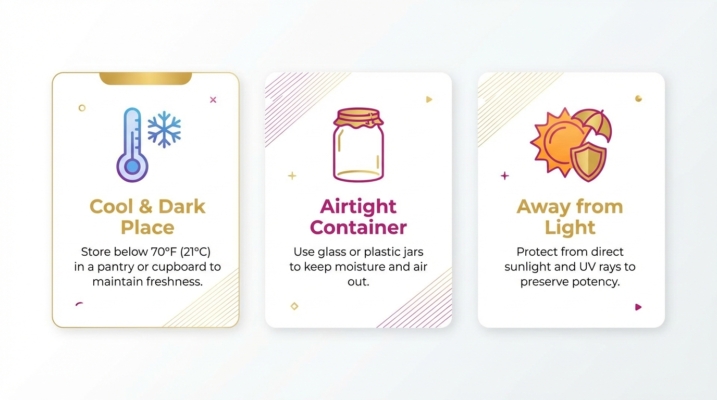
You should store sour patch edibles in a cool, dark, airtight container to preserve both potency and texture. Proper storage protects the cannabinoids, prevents moisture loss, and keeps the sour coating intact over time.
The most effective storage practices include:
For most consumers, properly stored sour patch edibles maintain quality for three to six months. Retailers like IndaCloud use nondescript packaging and ship orders within 48 hours, ensuring products arrive fresh and maintain their quality during the delivery process. Potency naturally diminishes over time even under ideal conditions, so consuming them within this window delivers the best experience. Understanding proper storage sets the stage for knowing the rules around traveling with these products.
No, you generally cannot travel with sour patch edibles across state lines without legal risk. Federal law, state cannabis regulations, and the specific cannabinoid in the product all determine legality. The key factors include federal scheduling, the 2018 Farm Bill hemp distinction, and varying state laws.
Transporting any cannabis product across state lines involves federal jurisdiction, regardless of legality in your departure or destination state. Marijuana remains a Schedule I substance under the Controlled Substances Act, according to the Drug Enforcement Administration, meaning it has no accepted medical use under federal law and carries a high potential for abuse. This classification applies to delta-9 THC products exceeding 0.3% on a dry weight basis.
Hemp-derived edibles occupy a different legal space. The 2018 Farm Bill defines hemp as cannabis containing no more than 0.3% delta-9 THC on a dry weight basis, as outlined by the Congressional Research Service. Products meeting this threshold are federally legal, which technically permits interstate transport. However, several complications remain:
For anyone considering traveling with sour patch edibles, verifying both the cannabinoid content and the specific laws of every state along the route is essential. A product legal in one state may carry penalties in another. This legal patchwork makes interstate travel with any THC-containing edible inherently unpredictable, even when the product qualifies as hemp under federal standards.
Understanding how sour patch edibles compare to other gummy options helps clarify what sets them apart.
Sour Patch edibles compare to other gummy edibles through distinct differences in flavor profile, texture, cannabinoid options, and overall experience. The sour-then-sweet taste sets them apart from standard fruit-flavored cannabis gummies, while the sugar-coated exterior and citric acid coating create a textural contrast most other edibles lack. From a cannabinoid standpoint, sour patch style gummies are available in Delta 9 THC, Delta 8 THC, HHC, and CBD formulations, matching the full range offered by conventional gummy brands.
Where sour patch edibles truly differentiate themselves is in accessibility for newer consumers. The familiar candy-like flavor masks the earthy, sometimes bitter taste of hemp extract more effectively than plain gummy formulations. This makes the onset experience less intimidating, particularly for first-time users who may be sensitive to the natural flavor of cannabinoids.
Other gummy edibles often rely on generic fruit flavors or wellness-oriented taste profiles, which can feel more clinical. Sour patch style options, by contrast, lean into a nostalgic, treat-like experience that appeals to recreational users. However, from a potency and bioavailability standpoint, the cannabinoid delivery mechanism is identical: THC or CBD oil is infused into a gelatin or pectin base, and absorption occurs through the digestive system regardless of flavor or brand style.
The most important comparison point is quality, not flavor. Regardless of whether a gummy is sour patch style or a standard fruit chew, third-party lab testing, accurate potency labeling, and transparent ingredient lists determine safety and reliability. A well-made sour gummy and a well-made standard gummy will deliver comparable effects at the same dosage; the difference is purely experiential preference.
For consumers who enjoy bold, layered flavor and a more playful edible experience, sour patch gummies offer a clear advantage over plainer alternatives. Understanding how these gummies are sourced and tested matters more than the style of candy they resemble.
You can find safe and lab tested sour patch gummies through reputable online retailers that provide third-party lab reports and use hemp-derived cannabinoids compliant with federal law. Inda Cloud is one such brand, and the key takeaways below summarize what to remember.
Yes, Inda Cloud offers hemp derived sour gummy edibles through its online store at indacloud.co. Inda Cloud specializes in hemp-derived cannabinoid products, including a wide variety of THC-infused gummies in multiple flavors and potencies. The brand’s products undergo comprehensive third-party lab testing to verify cannabinoid content and purity.
All IndaCloud gummies contain less than 0.3% delta-9 THC on a dry-weight basis, making them 100% federally legal under the 2018 Farm Bill. The brand ships directly to consumers across the continental United States with nondescript packaging for privacy. Backed by over 250,000 verified customers and a team of 35 cannabis experts, IndaCloud provides a trustworthy source for anyone seeking lab-tested sour gummy edibles without visiting a dispensary.
The key takeaways about sour patch edibles center on safety, legality, and informed consumption:
Choosing a reputable, lab-tested source like Inda Cloud helps ensure every sour patch gummy you enjoy is both safe and consistently dosed. Shop our various gummy collections, from delta 9 gummies to vegan delta 8 gummies in assorted flavors.
Yes, edibles show up on drug tests. Standard panels detect THC edibles exactly the…
Learn more
You took the gummy, waited a while, and now you want to know how…
Learn more

Plenty of people reach for a gummy at night without separating the three problems…
Learn more
A 1000mg THC edible is a multi-serving package containing one thousand milligrams of tetrahydrocannabinol…
Learn more
