


THCA

How Long Does THCA Stay in Your System?
Raw, unheated THCA clears your system in roughly 24 to 48 hours. Once you…
Learn more
You must be 21+ to enter this site
 FREE SHIPPING $89+
 FREE GIFT ON $120+
 100% FEDERALLY LEGAL
 LAB TESTED FOR PURITY
FREE SHIPPING $89+
FREE GIFT ON $120+
100% FEDERALLY LEGAL
LAB TESTED FOR PURITY
FREE SHIPPING $89+
FREE GIFT ON $120+
100% FEDERALLY LEGAL
LAB TESTED FOR PURITY
FREE SHIPPING $89+
FREE GIFT ON $120+
100% FEDERALLY LEGAL
LAB TESTED FOR PURITY
FREE SHIPPING $89+
FREE GIFT ON $120+
100% FEDERALLY LEGAL
LAB TESTED FOR PURITY
FREE SHIPPING $89+
FREE GIFT ON $120+
100% FEDERALLY LEGAL
LAB TESTED FOR PURITY
FREE SHIPPING $89+
FREE GIFT ON $120+
100% FEDERALLY LEGAL
LAB TESTED FOR PURITY
FREE SHIPPING $89+
FREE GIFT ON $120+
100% FEDERALLY LEGAL
LAB TESTED FOR PURITY
LAB TESTED FOR PURITY
FREE SHIPPING $89+
FREE GIFT ON $120+
100% FEDERALLY LEGAL
LAB TESTED FOR PURITY
FREE SHIPPING $89+
FREE GIFT ON $120+
100% FEDERALLY LEGAL
LAB TESTED FOR PURITY
FREE SHIPPING $89+
FREE GIFT ON $120+
100% FEDERALLY LEGAL
LAB TESTED FOR PURITY
FREE SHIPPING $89+
FREE GIFT ON $120+
100% FEDERALLY LEGAL
LAB TESTED FOR PURITY
FREE SHIPPING $89+
FREE GIFT ON $120+
100% FEDERALLY LEGAL
LAB TESTED FOR PURITY
FREE SHIPPING $89+
FREE GIFT ON $120+
100% FEDERALLY LEGAL
LAB TESTED FOR PURITY
FREE SHIPPING $89+
FREE GIFT ON $120+
100% FEDERALLY LEGAL
LAB TESTED FOR PURITY


Is THCA Safe To Smoke? Understanding Safe Cannabis Consumption
Navigating the safety of consuming cannabis involves various considerations, including the potential risks and benefits associated with different compounds found within the plant. One question that arises is, “is THC A safe to smoke?”
Assessing is THCa safe to smoke requires a clear understanding of its chemical characteristics, possible health impacts, and the risks involved.
Yes, smoking THCA is generally considered safe, as it does not produce psychoactive effects until it undergoes decarboxylation to become THC.
THCA, or tetrahydrocannabinolic acid, is a naturally occurring compound found in raw cannabis plants. It is the precursor to THC, the psychoactive compound responsible for the euphoric “high” associated with cannabis use.
Unlike THC, THCA is non-intoxicating in its raw form and must be decarboxylated through heat or light exposure to convert into THC.
While smoking any substance carries inherent risks to lung health, THCA itself is not known to cause harm when smoked. However, it’s essential to consider the potential risks associated with smoking, such as respiratory irritation and exposure to harmful combustion byproducts.
As an alternative, individuals concerned about the effects of smoking can explore other methods of consuming THCA, such as vaporization or oral ingestion, to mitigate potential health risks.
While smoking THCA is generally considered safe, there are some potential risks associated with the practice, primarily related to the act of smoking itself rather than the compound being smoked. These risks include:
While smoking THCA is not as common as smoking THC-rich cannabis due to its non-psychoactive nature, some potential benefits may still arise from the practice. These include:
Understanding how THCA compares to other cannabinoids like THC and CBD is essential in grasping the unique properties of each compound.
THCA, also known as tetrahydrocannabinolic acid, is the precursor to THC and is found in raw cannabis plants. When THCA is exposed to heat through a process like smoking or vaping, it undergoes decarboxylation, transforming into THC.
On the other hand, THC, or tetrahydrocannabinol, is the well-known psychoactive compound responsible for producing the euphoric high associated with cannabis use. It interacts with the body’s endocannabinoid system, specifically targeting receptors in the brain to induce feelings of euphoria and relaxation.
Research suggests that THCA may help in protecting brain cells from damage due to its potential neuroprotective properties. This makes it an interesting area for further scientific exploration in conditions related to brain health.
In contrast, CBD, or cannabidiol, has gained popularity for its calming effects on anxiety. Studies have shown that CBD can interact with the serotonin receptors in the brain, which play a crucial role in regulating mood and anxiety levels. This makes CBD a promising option for those seeking relief from anxiety-related issues.
THCA can be consumed through various methods, with smoking and tinctures being common ways to experience its effects.
Smoking THCA can be done using different methods such as vaporizing oils or using specialized cartridges for a controlled intake of the compound.
Regarding vaporizing oils, the process involves heating the oil to a specific temperature to release the active compounds without combustion. This method is popular for its efficiency and fast-acting effects.
On the other hand, using cartridges provides a convenient and discreet way to consume THCA, allowing users to measure their dose precisely.
Whether you prefer the flavor profile of oils or the convenience of carts, both methods offer a tailored experience based on individual preferences and needs.
Cooking with THCA can be an excellent way to enjoy its benefits. By adding it to dishes during the cooking process, the heat activates the compound, unlocking its potential effects. This method not only provides a unique way to consume THCA but also allows for versatile culinary creations.
On the other hand, water infusions offer a milder taste experience, perfect for those who prefer a subtler flavor profile. Infusing THCA in water can be as simple as steeping it in hot water or incorporating it into beverages like teas or juices.
State laws play a significant role in dictating the legality of smoking THCA, with some states allowing its use for medicinal purposes while others strictly prohibit it. Jurisdictional differences further complicate the landscape, as cities and counties may have their own regulations on the matter.
Federal regulations, such as the Controlled Substances Act, classify cannabis as a Schedule I substance, making its consumption illegal at the federal level.
Under DEA regulations, THCA is classified as a Schedule I controlled substance, meaning it is considered illegal at the federal level.
At the state level, laws can differ significantly. Some states have legalized THCA for medical use with proper documentation and under specific conditions.
It’s crucial for individuals to understand the legalities of THCA in their state to avoid any potential legal consequences. Privacy policies regarding THCA usage also vary, with some states having stringent measures to protect patient information and others having more relaxed policies.
Federal laws pertaining to THCA cover aspects related to drug classification, safety considerations, and risk assessments, influencing its legal standing at the national level.
When examining these laws, it becomes evident that the classification of THCA as a controlled substance has significant implications. The safety standards set forth by these regulations play a crucial role in determining the acceptable uses and limitations of this drug.
Risk evaluations are essential in assessing the potential dangers associated with the consumption or distribution of THCA. By diving into the intricate details of these federal laws, a more comprehensive understanding of the legal framework surrounding THCA emerges.
Ensuring the safety of THCA involves adopting best practices when purchasing, identifying signs of contamination, and adhering to recommended dosages to mitigate potential risks.
When considering purchasing THCA products, it’s essential to prioritize quality, safety, and legality. Here are some best practices to follow:
When purchasing THCA products, it’s crucial to be vigilant for signs of contamination that could compromise safety and quality. Here are some indicators to watch out for:
Determining the appropriate dosage of THCA involves considering various factors, including individual tolerance, metabolism, medical condition, and desired effects.
While there are no universally standardized dosing guidelines for THCA, here are some general recommendations to help guide consumption:
Related Post:
Smoking THCA can potentially provide relief from pain, inflammation, nausea, and other symptoms associated with certain medical conditions. It may also have anti-anxiety and anti-convulsant properties.
No, smoking THCA on its own will not get you high. As mentioned, it only becomes psychoactive when heated and converted to THC. However, it may enhance the effects of THC when consumed together.
THCA is the raw form of THC found in cannabis. When smoked, THCA is converted to THC through the process of decarboxylation. This means that smoking THCA will not have the same psychoactive effects as smoking THC, but it may have similar therapeutic benefits.
Some studies have shown that THCA may have anti-anxiety properties, but more research is needed in this area. If you are using THCA for anxiety or panic attacks, it is important to consult with a healthcare professional and use it responsibly.
While smoking THCA is generally considered safe, it’s crucial to understand the nuances involved and adopt responsible practices. By evaluating the potential risks, benefits, and legal implications, individuals can make informed decisions regarding THCA consumption.
Through education, awareness, and responsible use, individuals can maximize the therapeutic benefits of THCA while minimizing potential risks to their health and well-being.
Raw, unheated THCA clears your system in roughly 24 to 48 hours. Once you…
Learn more
THCP binds cannabinoid receptors roughly 33 times harder than THC in lab testing. THCA,…
Learn more
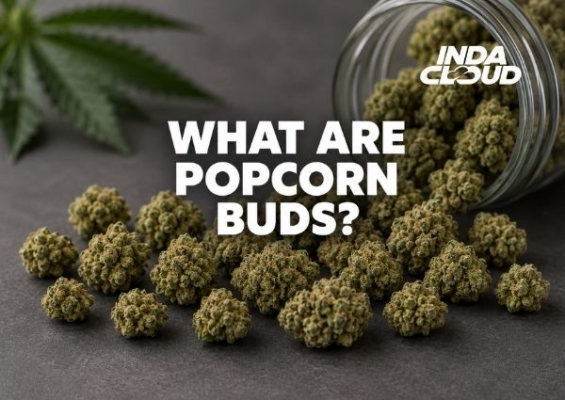
Popcorn buds are small, whole flower pulled out of a harvest and sorted by…
Learn more
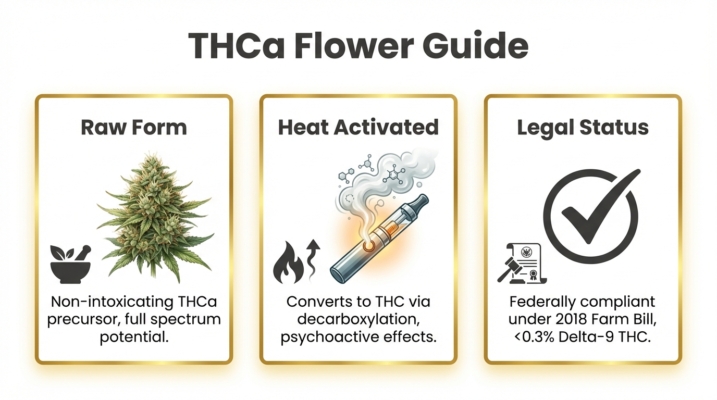
THCA flower keeps best in an airtight glass jar held at 58 to 62%…
Learn more
