



Blogs

Are THC Gummies Legal? A 2026 State-by-State Guide
Yes, THC gummies are legal to buy in most of the United States right…
Learn more
You must be 21+ to enter this site
 FREE SHIPPING $89+
 FREE GIFT ON $120+
 100% FEDERALLY LEGAL
 LAB TESTED FOR PURITY
FREE SHIPPING $89+
FREE GIFT ON $120+
100% FEDERALLY LEGAL
LAB TESTED FOR PURITY
FREE SHIPPING $89+
FREE GIFT ON $120+
100% FEDERALLY LEGAL
LAB TESTED FOR PURITY
FREE SHIPPING $89+
FREE GIFT ON $120+
100% FEDERALLY LEGAL
LAB TESTED FOR PURITY
FREE SHIPPING $89+
FREE GIFT ON $120+
100% FEDERALLY LEGAL
LAB TESTED FOR PURITY
FREE SHIPPING $89+
FREE GIFT ON $120+
100% FEDERALLY LEGAL
LAB TESTED FOR PURITY
FREE SHIPPING $89+
FREE GIFT ON $120+
100% FEDERALLY LEGAL
LAB TESTED FOR PURITY
FREE SHIPPING $89+
FREE GIFT ON $120+
100% FEDERALLY LEGAL
LAB TESTED FOR PURITY
LAB TESTED FOR PURITY
FREE SHIPPING $89+
FREE GIFT ON $120+
100% FEDERALLY LEGAL
LAB TESTED FOR PURITY
FREE SHIPPING $89+
FREE GIFT ON $120+
100% FEDERALLY LEGAL
LAB TESTED FOR PURITY
FREE SHIPPING $89+
FREE GIFT ON $120+
100% FEDERALLY LEGAL
LAB TESTED FOR PURITY
FREE SHIPPING $89+
FREE GIFT ON $120+
100% FEDERALLY LEGAL
LAB TESTED FOR PURITY
FREE SHIPPING $89+
FREE GIFT ON $120+
100% FEDERALLY LEGAL
LAB TESTED FOR PURITY
FREE SHIPPING $89+
FREE GIFT ON $120+
100% FEDERALLY LEGAL
LAB TESTED FOR PURITY
FREE SHIPPING $89+
FREE GIFT ON $120+
100% FEDERALLY LEGAL
LAB TESTED FOR PURITY

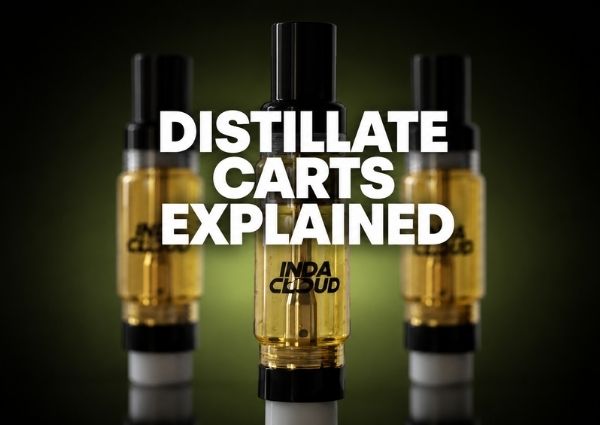
Distillate carts are the most common pre-filled vape cartridge on the market, and the most misunderstood. Plenty of people have one in a drawer right now without knowing whether the oil inside is distillate, live resin, or something else entirely.
That gap matters, because the oil type decides how a cart tastes, how it hits, and what it should cost. Here is how the format works, how it compares, and what to check before you buy.
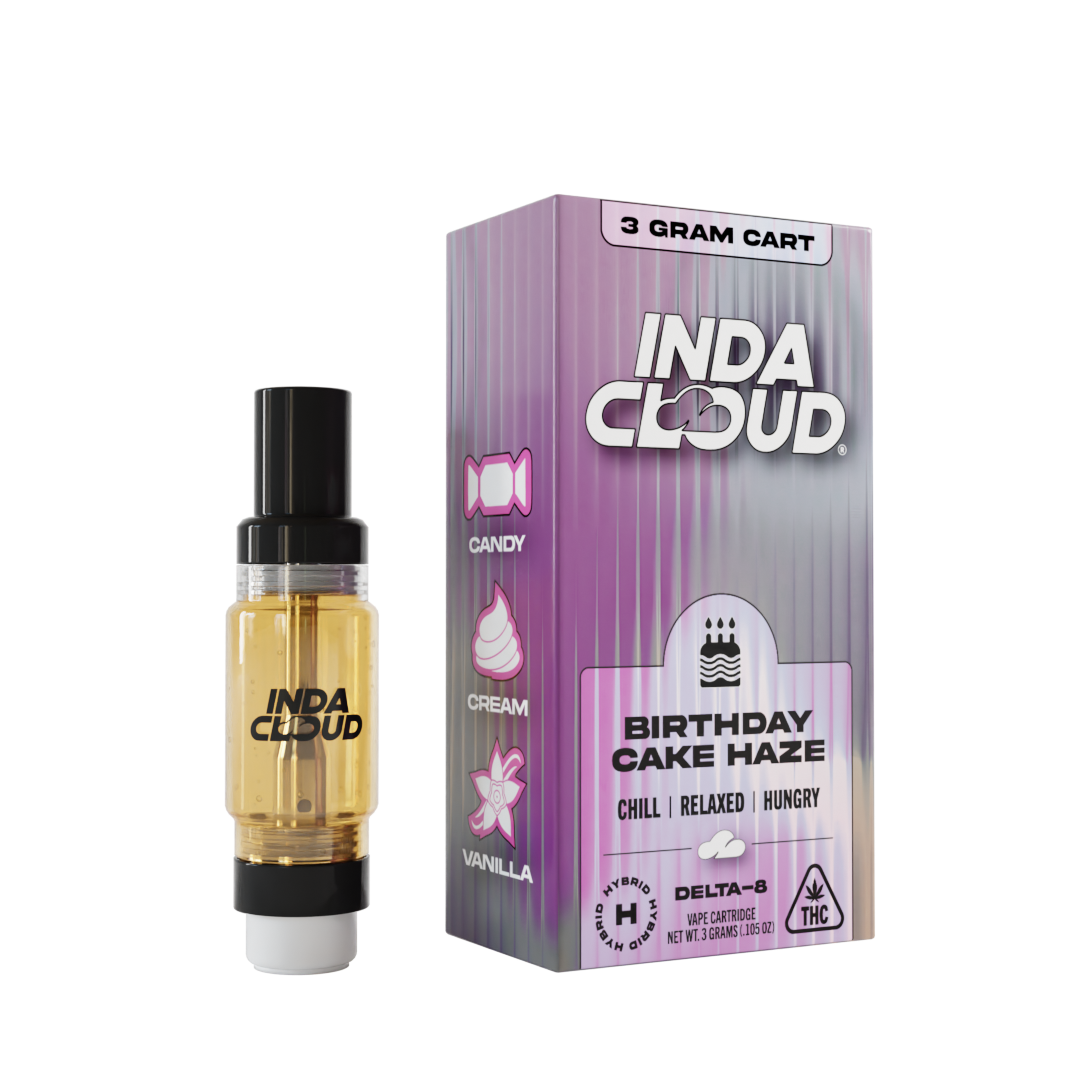
A distillate cart is a pre-filled vape cartridge containing highly refined cannabis or hemp oil, usually 85 to 99% cannabinoid content, built to attach to a standard vape battery. The refinement process strips out nearly everything except the target cannabinoid, which is why the oil runs clear gold and carries almost no natural flavor.
The term bundles two separate things. Distillate is the oil, a purified, isolated cannabinoid extract. The cart is the hardware holding it, typically a 510-thread cartridge. A cart only counts as a distillate cart when that specific oil fills it, and many of the vape cartridges sold today hold different concentrates entirely.
That distinction shapes everything below: how the oil gets made, how it stacks up against live resin and full-spectrum options, and how to judge quality before you spend money.
Distillate is made by refining crude cannabis extract through several purification stages until little besides the target cannabinoid remains. Crude oil enters the process at roughly 60 to 80% cannabinoid content and leaves short-path distillation at 85 to 99%.
The refinement chain runs in four steps:
Each pass strips terpenes along with the fats and waxes. That trade is the whole identity of distillate: high potency and batch-to-batch consistency, purchased at the cost of natural flavor.
Starting material still matters. Distillate refined from quality flower generally tests cleaner than distillate run from trim or shake, which is one reason lab reports become important later in this piece.
Distillate carts come in THC, CBD, Delta 8, Delta 9, and THCa versions, plus minor cannabinoids like CBG and CBN. The hardware and the refinement process stay the same. The cannabinoid inside changes the effect and the legality.
The hemp-derived versions are what ship legally to most of the country. Under the 2018 Farm Bill, hemp products containing less than 0.3% Delta-9 THC by dry weight are federally legal, which covers hemp-derived Delta 8, compliant Delta 9, and THCa formats. State law still varies, and some states restrict or ban specific cannabinoids.
That segmentation is how our own catalog is organized: hemp-derived Delta 9, Delta 8, and THCa vape formats, shipped only where state law allows. We don’t ship to Alaska, Hawaii, Washington, or any state where Delta 8 is illegal.
Every comparison in this category comes down to the same trade-off: potency, consistency, and price on one side, flavor and full-spectrum complexity on the other. Where you land depends on which side you value.
Distillate wins on potency and price. Live resin wins on flavor and effect character. Live resin is extracted from fresh-frozen flower, which preserves the plant’s native terpene profile instead of stripping it.
| What to Compare | Distillate | Live resin |
| Cannabinoid content | 85–99% | ~65–85% |
| Terpenes | Removed, then added back | Preserved from fresh-frozen flower |
| Flavor | Neutral until flavored | Strain-authentic |
| Effect character | Isolated, often described as cerebral | Fuller, more rounded |
| Price per gram | Lower | Higher |
| Shelf stability | 6–12 months opened, ~2 years sealed | Degrades faster |
Some users describe a 95% distillate as feeling flatter than an 80% live resin. The usual explanation is the entourage effect, the idea that terpenes and minor cannabinoids modify how THC lands. The evidence is mixed. A 2025 review of terpene research found exploratory evidence that individual terpenes have their own effects, while concluding that true synergy with cannabinoids remains unproven.
Preclinical work at the University of Arizona found terpenes amplified pain relief from a synthetic cannabinoid, though that was animal-model research, and a 2020 receptor study found no terpene activity at the CB1 or CB2 receptors at all. The subjective difference is real for many users. The mechanism is unsettled science.
We break this matchup down in more depth in our live resin vs. distillate cart comparison if the choice between the two is your actual decision.
For a sense of what the non-distillate lane looks like in practice, a THCa diamonds format like the Alaskan Thunderf*ck Beast Mode vape pairs concentrated THCa with a preserved terpene profile rather than a refined isolate.
A full-spectrum cart keeps the flower’s minor cannabinoids and native terpenes. Distillate removes them on purpose. CO2 oil sits between the two: less refined than distillate, so it retains more plant compounds, but without the fresh-frozen sourcing that defines live resin.
Plenty of carts on the shelf hold something other than distillate, and the label is where you find out. Check the packaging or lab report for the words distillate, live resin, CO2 oil, or liquid diamonds, a format that recrystallizes THCa with a terpene-rich sauce. Our liquid diamonds explainer covers how that one works.
The cart you already own is probably labeled. Ten seconds of reading tells you which format you’ve been vaping.
Distillate carts run roughly three to six times the potency of flower, which typically tests between 15 and 30% THC. They also produce far less odor and allow more precise dosing, since each puff delivers a small, repeatable amount.

Flower keeps the full plant profile and the ritual. Carts win on discretion and convenience. A diamond vape named Cereal Milk advertises its terpene character in the name itself. Where a distillate cart with the same name gets that flavor is a different story.
Pure distillate is nearly flavorless and odorless, so manufacturers reintroduce terpenes after refinement. Every strain name on a distillate cart describes flavoring added back to a neutral oil.
Those terpenes come from two sources. Cannabis-derived terpenes (CDT) are extracted from actual cannabis, taste closer to real flower, and cost more. Botanical-derived terpenes (BDT) come from other plants like citrus or lavender, cost less, and deliver consistent but less strain-authentic flavor.
Terpene source is a quality signal. A producer paying for CDT and disclosing it is usually careful elsewhere too, which leads directly into how to evaluate a cart before buying.
Quality comes down to three checks: a current third-party lab report, clean-looking oil in decent hardware, and an honest weighing of potency against terpene quality and price.
A Certificate of Analysis, or COA, is a third-party lab report verifying what’s in the cart, and it is the single strongest quality signal available to a buyer. Confirm four things:
A cart with no available COA gives you no way to verify its contents. The COA is also where cutting agents show up: cheap carts sometimes thin distillate with propylene glycol (PG), vegetable glycerin (VG), or MCT oil, and a clean lab report is how you rule those fillers out.
Healthy distillate looks clear gold or amber and holds a thick, stable viscosity. Very dark, cloudy, or separated oil can indicate degradation, poor starting material, or additives.
Hardware matters for the draw. Ceramic coils heat thick oil evenly and resist burnt-tasting hits, while cheap wick coils can scorch it. Distillate vapes most predictably at low voltage, around 2.8 to 3.6V, which is why adjustable 510-thread batteries list that range.
Chasing the biggest THC number is the most common buying mistake in this category. An 88% cart with quality cannabis-derived terpenes will usually deliver a better experience than a 96% cart flavored with bargain botanicals.
Price is the other axis. Distillate carts typically run $30 to 60 per gram across the category, and larger formats like 2 gram cartridges usually bring the per-gram cost down. Judge value on tested potency, terpene source, and clean results together rather than THC percent alone.
This is where transparency does the real sorting work: we publish third-party lab results for every product, which is exactly the COA access described above in practice.
A distillate cart screws onto a 510-thread battery and vaporizes with short, low-voltage puffs. That’s the whole learning curve, which is a large part of the format’s appeal. Our guide on how to hit a cart covers draw technique and voltage settings in detail.
Dosing precision is the practical advantage. A small puff delivers a modest, repeatable dose, which makes microdosing in the 5 to 10mg range manageable. Effects arrive within minutes, so you can gauge where you are before taking more.
Treat the potency with respect. At 85 to 99%, distillate hits harder than flower, and beginners should start with one small draw and wait. Some people also add distillate to flower, use it sublingually, or cook it into edibles. Anything eaten follows edible rules: wait a full two hours before taking a second dose, and store high-potency products locked away from kids and pets.
No. Distillate is a refinement format, and THC is one cannabinoid it can isolate. CBD, Delta 8, and THCa distillates exist too.
Sealed, roughly two years. Opened, expect 6 to 12 months of good performance.
Upright, in a cool, dark place, away from heat and direct sun. Heat thins the oil and speeds degradation.
Per puff, usually yes, since the oil tests three to six times stronger than typical flower. Total effect still depends on how much you consume

Distillate carts fit buyers who rank potency per dollar, consistency, and discretion above flavor authenticity. If you want a predictable, low-odor, simple-dosing format at the lowest cost per milligram, distillate is the honest answer.
If strain-true flavor or a fuller-spectrum effect is the priority, live resin is the better lane, and paying more for it makes sense. Neither choice is wrong. They optimize for different things.
Still deciding? A sampler like the One of Each Beast Mode vape bundle settles the question by experience instead of theory, or you can browse the full vapes collection and filter by format from there.
Yes, THC gummies are legal to buy in most of the United States right…
Learn more

Raw, unheated THCA clears your system in roughly 24 to 48 hours. Once you…
Learn more
Yes, edibles show up on drug tests. Standard panels detect THC edibles exactly the…
Learn more
Green Wednesday is the Wednesday before Thanksgiving, the cannabis industry’s second-biggest shopping day of…
Learn more
