



Blogs

Are THC Gummies Legal? A 2026 State-by-State Guide
Yes, THC gummies are legal to buy in most of the United States right…
Learn more
You must be 21+ to enter this site
 FREE SHIPPING $89+
 FREE GIFT ON $120+
 100% FEDERALLY LEGAL
 LAB TESTED FOR PURITY
FREE SHIPPING $89+
FREE GIFT ON $120+
100% FEDERALLY LEGAL
LAB TESTED FOR PURITY
FREE SHIPPING $89+
FREE GIFT ON $120+
100% FEDERALLY LEGAL
LAB TESTED FOR PURITY
FREE SHIPPING $89+
FREE GIFT ON $120+
100% FEDERALLY LEGAL
LAB TESTED FOR PURITY
FREE SHIPPING $89+
FREE GIFT ON $120+
100% FEDERALLY LEGAL
LAB TESTED FOR PURITY
FREE SHIPPING $89+
FREE GIFT ON $120+
100% FEDERALLY LEGAL
LAB TESTED FOR PURITY
FREE SHIPPING $89+
FREE GIFT ON $120+
100% FEDERALLY LEGAL
LAB TESTED FOR PURITY
FREE SHIPPING $89+
FREE GIFT ON $120+
100% FEDERALLY LEGAL
LAB TESTED FOR PURITY
LAB TESTED FOR PURITY
FREE SHIPPING $89+
FREE GIFT ON $120+
100% FEDERALLY LEGAL
LAB TESTED FOR PURITY
FREE SHIPPING $89+
FREE GIFT ON $120+
100% FEDERALLY LEGAL
LAB TESTED FOR PURITY
FREE SHIPPING $89+
FREE GIFT ON $120+
100% FEDERALLY LEGAL
LAB TESTED FOR PURITY
FREE SHIPPING $89+
FREE GIFT ON $120+
100% FEDERALLY LEGAL
LAB TESTED FOR PURITY
FREE SHIPPING $89+
FREE GIFT ON $120+
100% FEDERALLY LEGAL
LAB TESTED FOR PURITY
FREE SHIPPING $89+
FREE GIFT ON $120+
100% FEDERALLY LEGAL
LAB TESTED FOR PURITY
FREE SHIPPING $89+
FREE GIFT ON $120+
100% FEDERALLY LEGAL
LAB TESTED FOR PURITY

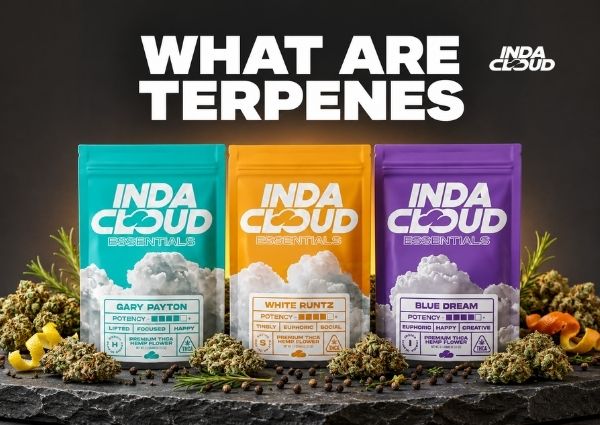
Terpenes are the aromatic organic compounds that give cannabis its smell and flavor, and they do more to shape how a strain feels than the THC percentage most shoppers fixate on. Two jars of THCa flower can test at nearly identical cannabinoid numbers and still deliver completely different experiences.
The difference usually lives in the terpene profile. This guide covers what terpenes are, then spends most of its time on the part other explainers skip: how to read a terpene panel on a lab report and use it to pick better flower.
Terpenes are naturally occurring hydrocarbons produced in the trichomes, the sticky resin glands that coat cannabis flower. They aren’t unique to cannabis. The same compound class puts the scent in pine needles, citrus rind, lavender, hops, and black pepper, which is why essential oils smell the way they do.
You’ll also see the word terpenoids. Those are terpenes that have oxidized during drying and curing. For a buyer, the two terms are close enough to treat as one.
The plant makes terpenes for its own reasons, mainly deterring pests and attracting pollinators. Terpenes won’t get you high on their own, they belong to a separate compound class from cannabinoids like THC and CBD, and they carry more information than simple added flavoring. In flower, the profile is a fingerprint of the batch.
Cannabinoids, terpenes, and flavonoids do three different jobs. Cannabinoids like THCa, THC, CBD, and CBG drive intoxication and the primary activity. Terpenes drive aroma and flavor and appear to modulate the character of the experience. Flavonoids handle pigment and contribute minor aroma notes.
The idea that terpenes and cannabinoids work together is called the entourage effect. Treat it as a widely discussed hypothesis rather than settled science. A 2024 systematic review in Pharmaceuticals concluded that while exploratory research suggests terpenes influence cannabinoid effects, true synergy remains unproven and needs clinical trials.
Concentration is the other key difference. A 2025 analysis in Industrial Crops and Products measured cannabinoids at 15.77 to 20.37 percent of flower by weight versus 1.28 to 2.14 percent for terpenoids. A small terpene number is normal, and it can still dominate the sensory experience.
That answers the common CBD question too. CBD is a cannabinoid, so it interacts with the endocannabinoid system directly, while terpenes primarily shape aroma and character.
A terpene profile is read from the certificate of analysis, the batch-level lab report often shortened to COA.
A full COA usually contains a cannabinoid panel, a terpene panel, contaminant screens for pesticides and heavy metals, plus a batch ID and test date. The terpene panel is the section listing individual compounds with a percentage or mg/g figure beside each.
Panels vary in size. Many labs test for somewhere between 10 and 21 compounds, so an unlisted terpene means the lab didn’t test for it, and nothing more. Terpene testing is also optional in most hemp markets, which makes its presence a signal of how thoroughly a brand documents its batches.
We publish batch-level COAs for every product at our COA page, which is what makes this whole exercise practical. You can run it on a specific jar before buying, instead of in the abstract.
Labs report terpenes either as a percentage by weight or in milligrams per gram. Converting is simple: 1 percent equals 10 mg/g, so a flower at 22 mg/g total terpenes is sitting at 2.2 percent.
Total terpenes is the sum of everything the panel detected. Because panel sizes differ, totals from two labs can differ on identical flower. Entries marked ND mean non-detect, and anything at or near the limit of quantification (LOQ) is trace-level noise, so skip past it.
One more caveat: the number describes the batch on its test date. Terpene content declines from that day forward.

Read a panel in three layers. Identify the top one or two compounds first: those are the dominant terpenes and they set the profile’s core character. The next two or three are secondary, and they bend the profile. Ignore the trace entries entirely.
The ratio between the top two matters more than either raw number. A myrcene-dominant flower with limonene secondary reads earthy with a bright edge. Flip the ratio and you get a citrus-forward flower with an earthy floor. Same two compounds, different jar.
Here’s a worked example using a sample panel. Myrcene-forward profiles like our Blue Dream THCa flower follow this general shape, and the batch COA on the product page shows the real numbers for the current lot.
Sample terpene panel
| Terpene | Result |
| Myrcene | 0.91% |
| Alpha-pinene | 0.48% |
| Caryophyllene | 0.32% |
| Limonene | 0.19% |
| Linalool | 0.07% |
| Humulene | ND |
A buyer reads this as: myrcene-dominant, so expect an earthy, herbal base. Pinene and caryophyllene secondary add fresh pine and a peppery edge. The linalool is too small to steer anything, and the ND row means the lab looked for humulene and found none.

This layered read also explains why two flowers with identical totals can present completely differently. A 2 percent total led by terpinolene has almost nothing in common with a 2 percent total led by myrcene. Something like White Runtz, with its candy-sweet exotic profile, can match Blue Dream’s total while smelling like a different plant.
Most flower lands between 1 and 3 percent total terpenes. Testing labs like Encore Labs treat around 2 percent as above average, and anything past 4 percent is rare. These are industry conventions; no study has established an official scale.
An extremely high number deserves a second look before you pay a premium for it. It can reflect a wider lab panel, testing variance, or fresh-frozen material as much as flower quality. Genetics, cultivation, harvest timing, the dry and cure, storage, and time since testing all move the figure.
Terpene-forward exotic genetics, like the cuts in our exotic THCa flower lineup or a premium strain like Gary Payton, start with a higher ceiling than commodity flower.
Two rules keep the number useful. Use terpene percentage as a tiebreaker between comparable options rather than a ranking metric across a whole catalog. And don’t compare percentages across brands using different labs, since panel size and methodology skew the totals.
Aroma associations for the major terpenes are well documented. Effect associations mostly come from exploratory, isolated-compound research rather than studies on smoked flower, per the same 2024 review, so hold them loosely.
| Terpene | Aroma | Also found in | Commonly associated with |
| Myrcene | Earthy, herbal, ripe mango | Mango, hops, lemongrass | Relaxing, sedating |
| Limonene | Bright citrus peel | Lemon, orange, rosemary | Uplifting, mood |
| Caryophyllene | Peppery, spicy, clove | Black pepper, cinnamon | Binds CB2 receptors |
| Pinene | Fresh pine | Pine needles, rosemary, dill | Alertness, focus |
| Linalool | Floral lavender | Lavender, coriander | Calming |
| Terpinolene | Sweet, fruity, faintly piney | Apples, nutmeg, tea tree | Daytime, “sativa-leaning” |
| Humulene | Hoppy, woody, earthy | Hops | Appetite suppression |
| Ocimene | Sweet, herbal | Mint, orchids | Rare as a dominant |
| Bisabolol | Soft floral chamomile | Chamomile | Soothing |
| Nerolidol | Woody, faint apple | Jasmine, tea tree | Mellow |
Myrcene is the most common dominant terpene in cannabis, present in a plurality of strains on the market. Its prevalence makes it the baseline: profiles read as “different” mostly by how far they depart from a myrcene-forward standard.
Limonene brings sharp citrus and shows up in lemon rind, orange peel, and rosemary. As a secondary, it’s frequently what lightens a heavy, earthy profile into something brighter.
Caryophyllene smells like cracked black pepper and clove. It’s the only common terpene shown to bind CB2 receptors directly, per a foundational PNAS study, though that binding finding shouldn’t be stretched into therapeutic claims. Gassy, pepper-leaning strains like Chem Dawg usually carry it high in the panel.
Linalool is lavender in compound form. It typically appears at low percentages, yet the nose picks it up anyway, a good demonstration of why small numbers still matter on a panel.
Alpha- and beta-pinene deliver fresh pine and appear in rosemary and dill. Pinene is among the most volatile terpenes, so it’s among the first lost to heat and age, per a peer-reviewed GC/MS study on cannabis terpene stability.
Terpinolene reads sweet, fruity, and faintly piney. It rarely leads a panel, which makes terpinolene-dominant flower its own category. Pineapple Express is the recognizable name most shoppers meet it through, with the caveat that strain names aren’t standardized and panels shift batch to batch.
Humulene is the hop terpene, woody and earthy, and beer drinkers already know the smell. Ocimene, bisabolol, and nerolidol round out most wide panels with sweet herbal, chamomile-floral, and woody-apple notes respectively. When these appear on your COA, it usually means the lab ran a wider panel.
THC percentage matters, but less than the shelf tag suggests. Cannabinoid percentage sets a ceiling on potency while predicting the character of the experience poorly.
This is why two batches at similar THCa percentages can feel nothing alike. The cannabinoid number tells you how strong the engine is. The terpene profile is the better guide to where it drives, and it plausibly accounts for most of the batch-to-batch variation shoppers notice.
The market spent years rewarding high THC numbers, so growers and retailers optimized for them. The terpene panel sits on the same COA and carries more of the information a buyer wants.
Here’s the practical hierarchy we’d give any customer: dominant terpenes first, then the aroma when you open the jar, then cannabinoid percentage, then strain name, in that order. A terpene profile is a character guide, never a dosing tool or an outcome guarantee.
Indica and sativa began as descriptions of plant shape and growing behavior, and they were never effect categories. The labels stuck because they’re convenient shorthand on a menu.
The panel exposes the mismatch. Two flowers labeled indica can carry opposite dominant terpenes, and a “sativa” can test myrcene-heavy. Strain names compound the problem, since the same name grown by different cultivators can produce different panels batch to batch.
The terpene profile is the more reliable identifier, and the batch COA is the source of truth. The label is a starting point, and the panel is the answer.
Choosing flower from a panel takes five steps. First, name the aroma family you already know you enjoy, whether that’s citrus, pine, pepper, or fruit. Second, find THCa flower whose dominant terpene matches it. Third, check the secondary terpene for how it bends the profile.
Fourth, confirm total terpenes sit in a normal range, roughly 1 to 3 percent. Fifth, check the test date, since a fresher batch holds more of what the panel promises.
For goal-based shopping, the common associations run: myrcene and linalool for winding down, limonene for mood, pinene and terpinolene for daytime focus. These are commonly reported associations rather than established effects, and individual response varies widely. Nothing on a panel promises an outcome.
Once the jar arrives, your nose is the real-time check against the paper. If the panel says limonene-forward and the jar smells like citrus, the batch is delivering. Keep short notes across purchases, because your own log eventually beats any published chart.
We list per-strain terpene detail alongside batch COAs, so you can run this comparison across strains before you order. If you’re still building your baseline preferences, our beginner’s guide to THCa flower covers strain, potency, and format selection from the ground up.
Terpenes evaporate at temperatures and timescales well below anything that damages cannabinoids. Encore Labs, a cannabis testing lab, reports flower can lose 30 to 50 percent of its original terpene content within six months depending on storage conditions.
The four main enemies are heat, light, oxygen, and time, with over-drying during the cure as a fifth. Keep flower in airtight glass, cool and dark, at stable humidity, and handle the buds as little as possible. Our THCa flower storage guide covers the full setup.
This matters to the buying math directly. A high tested percentage on an old batch can underperform a modest percentage on a fresh one. Combustion temperature counts too: the most volatile compounds like pinene burn off first at high heat, which is part of why concentrate formats like liquid diamonds are engineered around terpene preservation.
Terpenes appear to shape the character of the experience, meaning the flavor, aroma, and reported feel, while cannabinoids drive the intoxication itself. The interaction, often called the entourage effect, is still a hypothesis under study, unproven as a mechanism. A 2020 Frontiers in Pharmacology study found no evidence that terpenes act at cannabinoid receptors.
The terpenes naturally present in lab-tested flower are the same compounds found in everyday foods and herbs, like mango, pepper, and rosemary. The safety question that matters more is contaminants, which is what the pesticide and heavy-metal panels on a COA screen for. Buy from sellers who publish those results.
Aroma is well established: myrcene reads earthy, limonene citrus, caryophyllene peppery, pinene like a forest, linalool like lavender. Effect claims are weaker, drawn mostly from isolated-compound studies, so treat “myrcene equals couch lock” as folklore with a footnote rather than fact.
No. Drug tests screen for THC metabolites, and terpenes are a separate compound class entirely. The cannabinoids in the same flower absolutely can trigger a positive, though. Our guide to whether THCa tests positive covers detection in detail.
Partially. A trained nose can usually identify the dominant terpene family, since that’s what the aroma is. Percentages, secondary compounds, and trace entries need the lab panel. Use smell as confirmation of the COA once the jar arrives.
A terpene profile turns flower shopping from guesswork into a repeatable skill: find the dominant terpene, check the secondary, confirm the total and the test date, then verify with your nose. That sequence tells you more about a jar than the THC percentage and the strain name combined.
Every batch we sell ships with a published COA, so the panel is always available before you buy. Start with the best THCa flowers collection and run the five-step read on a strain whose aroma family you already like.
Yes, THC gummies are legal to buy in most of the United States right…
Learn more

Raw, unheated THCA clears your system in roughly 24 to 48 hours. Once you…
Learn more
Yes, edibles show up on drug tests. Standard panels detect THC edibles exactly the…
Learn more
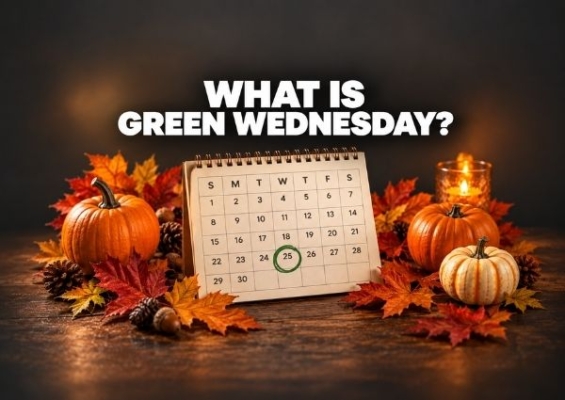
Green Wednesday is the Wednesday before Thanksgiving, the cannabis industry’s second-biggest shopping day of…
Learn more
