



Blogs

Are THC Gummies Legal? A 2026 State-by-State Guide
Yes, THC gummies are legal to buy in most of the United States right…
Learn more
You must be 21+ to enter this site
 FREE SHIPPING $89+
 FREE GIFT ON $120+
 100% FEDERALLY LEGAL
 LAB TESTED FOR PURITY
FREE SHIPPING $89+
FREE GIFT ON $120+
100% FEDERALLY LEGAL
LAB TESTED FOR PURITY
FREE SHIPPING $89+
FREE GIFT ON $120+
100% FEDERALLY LEGAL
LAB TESTED FOR PURITY
FREE SHIPPING $89+
FREE GIFT ON $120+
100% FEDERALLY LEGAL
LAB TESTED FOR PURITY
FREE SHIPPING $89+
FREE GIFT ON $120+
100% FEDERALLY LEGAL
LAB TESTED FOR PURITY
FREE SHIPPING $89+
FREE GIFT ON $120+
100% FEDERALLY LEGAL
LAB TESTED FOR PURITY
FREE SHIPPING $89+
FREE GIFT ON $120+
100% FEDERALLY LEGAL
LAB TESTED FOR PURITY
FREE SHIPPING $89+
FREE GIFT ON $120+
100% FEDERALLY LEGAL
LAB TESTED FOR PURITY
LAB TESTED FOR PURITY
FREE SHIPPING $89+
FREE GIFT ON $120+
100% FEDERALLY LEGAL
LAB TESTED FOR PURITY
FREE SHIPPING $89+
FREE GIFT ON $120+
100% FEDERALLY LEGAL
LAB TESTED FOR PURITY
FREE SHIPPING $89+
FREE GIFT ON $120+
100% FEDERALLY LEGAL
LAB TESTED FOR PURITY
FREE SHIPPING $89+
FREE GIFT ON $120+
100% FEDERALLY LEGAL
LAB TESTED FOR PURITY
FREE SHIPPING $89+
FREE GIFT ON $120+
100% FEDERALLY LEGAL
LAB TESTED FOR PURITY
FREE SHIPPING $89+
FREE GIFT ON $120+
100% FEDERALLY LEGAL
LAB TESTED FOR PURITY
FREE SHIPPING $89+
FREE GIFT ON $120+
100% FEDERALLY LEGAL
LAB TESTED FOR PURITY

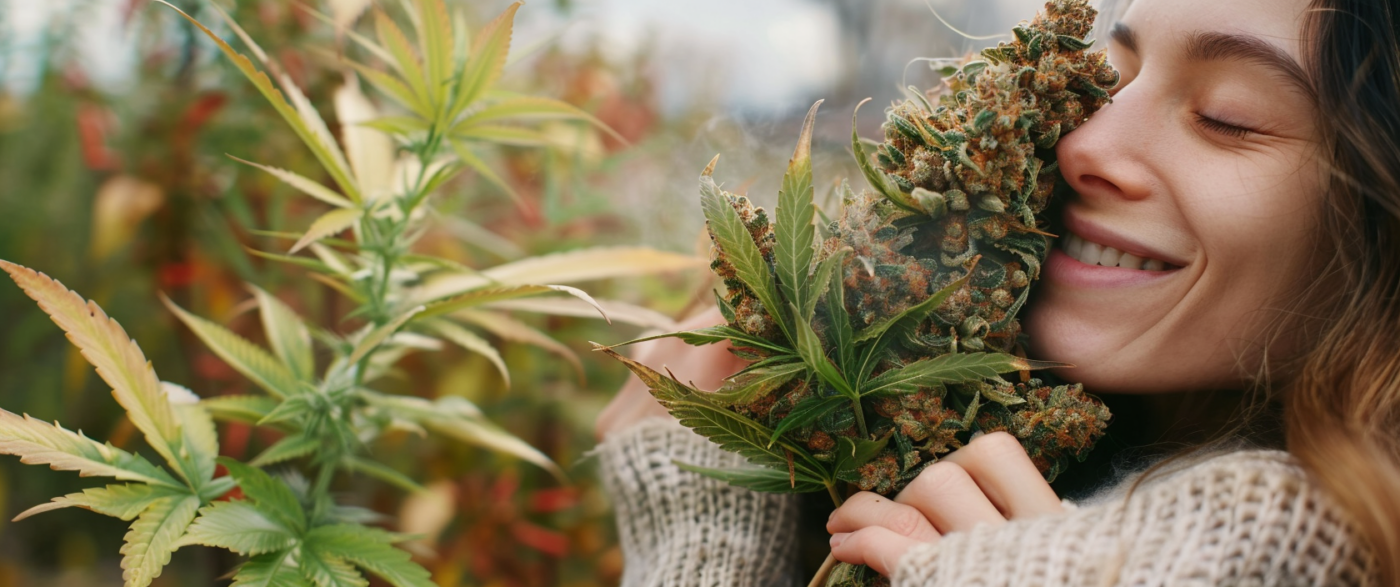
Does Thca Flower Smell Like Weed
In recent years, the cannabis industry has witnessed a surge in interest and innovation, particularly with the development and popularity of new products like THC-A flower. This unique offering, often touted for its potential therapeutic benefits, raises intriguing questions about its sensory characteristics, particularly its scent.
We’ll explore the legality of THCA flower, its methods of consumption, and any possible side effects. Keep reading to find out—does THCa flower smell like weed?
THCA flower refers to the raw, unheated form of tetrahydrocannabinolic acid found in the cannabis plant. Unlike THC, THCA is non-intoxicating and must undergo decarboxylation through heat to convert into the psychoactive THC compound.
THCA, or Tetrahydrocannabinolic Acid, is one of the many cannabinoids present in cannabis that boasts a range of potential health benefits. Chemically, THCA is the precursor to THC, the well-known compound responsible for the euphoric effects associated with marijuana use.
During the decarboxylation process, heat removes a carboxyl group from THCA, transforming it into THC.
Decarboxylation can occur through various methods, such as smoking, vaping, or baking cannabis products in an oven.
The smell of THCA flower can vary depending on its terpene profile, offering a range of aromas from earthy and citrusy to floral and fruity notes. Terpenes play a crucial role in defining the distinct aroma of THCA flower.
Terpenes are the organic compounds that give plants their unique scents, including cannabis. In terms of THCA flower, terpenes like myrcene, limonene, and linalool contribute to its olfactory characteristics.
Myrcene is commonly found in THCA flower and imparts an earthy, musky aroma, while limonene adds a zesty, citrus undertone. On the other hand, linalool brings a floral, lavender-like scent to the mix. The interplay of these terpenes results in a complex and multi-layered olfactory experience for consumers.
THCA flower exhibits a diverse range of aromas attributed to its terpene composition. These can include earthy, citrusy, floral, and fruity scents, creating a complex olfactory profile.
Each terpene present in THCA flower offers unique fragrance notes that play a crucial role in shaping the overall scent profile. For instance, myrcene contributes to the earthy aroma, limonene brings the citrusy undertones, linalool infuses floral hints, and pinene adds a touch of pine-like freshness. The symphony of these terpenes not only affects the smell of the flower but also influences the therapeutic benefits and user experience.
While THCA flower shares some aromatic similarities with traditional weed or cannabis, its odor profile can differ due to the absence of decarboxylated THC. The perception of smell can vary among individuals based on their sensitivity to different terpenes.
Many people describe the smell of THCA flower as fresher, more plant-like, and less overpowering than typical cannabis due to the high concentration of THCA. The absence of THC in its active form gives THCA flower a more subtle aroma, allowing other terpenes to shine through. This nuanced scent profile can evoke feelings of clarity and alertness for some, enhancing the overall olfactory experience.
The potential effects of consuming THCA flower are primarily non-intoxicating as it does not induce a psychoactive high like THC. Instead, users may experience potential therapeutic benefits associated with cannabinoids and terpenes present in the raw form.
When consuming THCA flower, individuals often describe feelings of relaxation and well-being without the typical euphoric effects of THC. The interaction between THCA and the body’s endocannabinoid system can lead to reduced inflammation, alleviation of pain, and overall enhanced mood. Many users appreciate the gentle, soothing effects that THCA flower provides, making it a popular choice for those seeking natural wellness remedies.
THCA flower is also praised for its potential anti-nausea, anti-inflammatory, and anti-anxiety properties, further adding to its appeal among individuals looking for alternative therapeutic options. The diverse aroma profiles of different strains can enhance the sensory experience of consuming THCA flower, offering a holistic approach to well-being.
THCA flower does not produce a high or euphoric sensation since it lacks the psychoactive properties of THC to bind with cannabinoid receptors in the brain. Instead, it interacts with the endocannabinoid system to offer potential therapeutic effects.
When consumed, THCA interacts with cannabinoid receptors in a unique way, influencing key biological functions without causing the intoxicating effects associated with THC. This interaction helps regulate pain, appetite, mood, and memory among other bodily processes. Since THCA is non-psychoactive, it has garnered attention for its potential benefits without altering consciousness.
The endocannabinoid system, comprising various receptors and neurotransmitters, plays a critical role in maintaining balance within the body. THCA’s ability to modulate this system could lead to exciting avenues for exploring health and wellness applications.
THCA flower holds promise in potentially alleviating symptoms related to various conditions such as inflammation, chronic pain, and certain diseases.
The therapeutic properties of THCA are being researched extensively due to its potential efficacy in managing health issues. Studies suggest THCA may possess anti-inflammatory properties, making it a valuable addition to treatment regimens for conditions like arthritis and autoimmune disorders.
The key distinction between THCA flower and THC flower lies in their psychoactive effects. THCA flower is non-intoxicating, while THC flower induces a high due to its activation through heat or combustion.
In terms of the psychoactive properties of these cannabis flowers, it all boils down to the process of decarboxylation. THCA flower in its raw form doesn’t have the same euphoric impact as THC flower because it needs to be heated to convert THCA into THC, the compound responsible for the ‘high.’ This activation process is crucial in unlocking the full potential of the cannabinoids present in the plant.
The smell of THCA flower may exhibit subtle differences compared to THC flower, influenced by the specific terpene profiles and their percentage composition in each variant. These variations contribute to distinct olfactory experiences.
Terpenes, the aromatic compounds found in cannabis, play a crucial role in determining the unique scent of each strain. For example, myrcene is known for its earthy, musky aroma, while limonene offers a citrusy, uplifting fragrance. These terpenes interact with cannabinoids like THCA and THC, enhancing the overall aroma profile.
The terpene percentages in a strain also influence its aroma intensity and complexity. Higher concentrations of specific terpenes can result in a more pronounced scent, whereas a more balanced terpene profile can create a harmonious bouquet of aromas.
Here’s a detailed exploration of these factors:
In terms of effects, THCA flower offers therapeutic potential without the psychoactive potency of THC flower. The distinct properties of THCA make it a non-intoxicating option for users seeking medicinal benefits.
THCA flowers are gaining popularity for their potential medicinal properties due to the lack of psychoactive effects associated with THC. This non-intoxicating cannabinoid is known for its anti-inflammatory and neuroprotective qualities, making it an attractive option for individuals looking for relief without the euphoric ‘high’ induced by THC. The potency of THCA flowers may vary compared to THC flowers, with some users preferring the milder effects of THCA for day-to-day functional use.
THCA flower can be consumed through various methods, including raw ingestion, juicing, or incorporating it into recipes. Determining the appropriate dosage is crucial for optimizing the therapeutic benefits while avoiding potential side effects.
In terms of raw ingestion, individuals may choose to sprinkle THCA flower onto salads or blend it into smoothies for a subtle yet effective incorporation. Juicing the THCA flower with other fruits and vegetables can create a nutritious concoction packed with cannabinoids. For those interested in culinary applications, cooking with THCA flower opens up a world of possibilities, from infused oils and butters to baked goods or savory dishes.
Consumers can choose from a range of consumption methods for THCA flower, including tinctures, oils, or incorporating it into edibles. Each method offers unique benefits and bioavailability for users.
Tinctures are a popular choice for their fast-acting effects and precise dosing. They are usually consumed sublingually, allowing the user to feel the effects relatively quickly compared to other methods. Tinctures can be discreetly incorporated into daily routines.
Oils, on the other hand, provide a versatile option for consumption. They can be added to beverages, food, or even applied topically for localized effects. Oils offer a longer-lasting impact, making them suitable for those seeking sustained relief.
Edibles offer a tasty and enjoyable way to consume THCA flower. From gummies to baked goods, the options are plentiful. Edibles are favored for their extended release and convenient dosing, making them a popular choice for users looking for a more gradual onset of effects.
Determining the ideal dosage of THCA flower involves considerations such as individual weight, tolerance levels, and desired effects. Consulting with a healthcare provider or cannabis specialist can help establish safe and effective dosing guidelines.
Factors such as metabolism speed and overall health condition can also play a significant role in determining the right THCA dosage. It’s crucial to start with a low dosage and gradually increase intake to find the optimal level that works best for you. Keeping a dosing journal can assist in tracking the effects of different doses, aiding in fine-tuning your individualized regimen.
While THCA flower is generally well-tolerated by most users, potential side effects may include nausea, anxiety, or gastrointestinal discomfort. Monitoring individual reactions and adjusting dosages can help mitigate adverse effects.
It is important to note that these side effects are not experienced by all consumers, as individual reactions can vary widely. Some users may not experience any adverse effects at all, while others might be more sensitive to the compound.
Communication with a healthcare provider can be beneficial for those who are concerned about potential side effects or who have pre-existing medical conditions. Starting with a low dosage and gradually increasing it can help test tolerance levels and reduce the likelihood of experiencing discomfort.
By being aware of these potential side effects and proactively taking steps to manage any discomfort, individuals can make informed decisions about their THCA flower consumption and prioritize their well-being.
Related Post:
THCA flower possesses a distinctive aroma influenced by its terpene composition, creating unique olfactory experiences for consumers. While it may share some similarities with the scent of traditional weed, the nuances in smell reflect the complexity of terpene profiles in raw cannabis.
Individuals often describe the aroma of THCA flower in various ways based on their unique sensory perceptions. Some may detect floral notes, while others note citrus undertones or earthy scents.
Comparing it to the generic smell of weed is akin to contrasting a fine wine to a table red; it’s about the depth and complexity that sets it apart.
The presence of specific terpenes like myrcene, limonene, or pinene contributes significantly to the overall olfactory journey, dictating whether the aroma leans towards fruity, pungent, or piney.
Yes, THCA flower does have a similar smell to regular weed. This is because both contain high levels of terpenes, which are responsible for the distinct smell of cannabis.
THCA flower gets its smell from terpenes, which are aromatic compounds found in the plant. These terpenes work in combination with cannabinoids to create the unique scent of each strain.
The strength of the smell can vary depending on the strain and the individual plant. Some THCA flower may have a stronger smell than regular weed, while others may have a milder scent.
Yes, there are ways to mask the smell of THCA flower. One way is to use essential oils or other strong scents to cover up the cannabis smell. Another option is to use a vaporizer, which produces less odor than traditional smoking methods.
Yes, the smell of THCA flower can linger just like regular weed. This is because the terpenes and other compounds in the plant can stick to surfaces and clothing, creating a long-lasting scent.
To control the smell of THCA flower, you can try using a smell-proof container or bag to store your flower. You can also use odor-eliminating sprays or candles to help reduce the smell. Additionally, proper ventilation and air circulation can also help minimize the lingering scent.
Yes, THC gummies are legal to buy in most of the United States right…
Learn more

Raw, unheated THCA clears your system in roughly 24 to 48 hours. Once you…
Learn more
Yes, edibles show up on drug tests. Standard panels detect THC edibles exactly the…
Learn more
THCP binds cannabinoid receptors roughly 33 times harder than THC in lab testing. THCA,…
Learn more
