



Blogs

Are THC Gummies Legal? A 2026 State-by-State Guide
Yes, THC gummies are legal to buy in most of the United States right…
Learn more
You must be 21+ to enter this site
 FREE SHIPPING $89+
 FREE GIFT ON $120+
 100% FEDERALLY LEGAL
 LAB TESTED FOR PURITY
FREE SHIPPING $89+
FREE GIFT ON $120+
100% FEDERALLY LEGAL
LAB TESTED FOR PURITY
FREE SHIPPING $89+
FREE GIFT ON $120+
100% FEDERALLY LEGAL
LAB TESTED FOR PURITY
FREE SHIPPING $89+
FREE GIFT ON $120+
100% FEDERALLY LEGAL
LAB TESTED FOR PURITY
FREE SHIPPING $89+
FREE GIFT ON $120+
100% FEDERALLY LEGAL
LAB TESTED FOR PURITY
FREE SHIPPING $89+
FREE GIFT ON $120+
100% FEDERALLY LEGAL
LAB TESTED FOR PURITY
FREE SHIPPING $89+
FREE GIFT ON $120+
100% FEDERALLY LEGAL
LAB TESTED FOR PURITY
FREE SHIPPING $89+
FREE GIFT ON $120+
100% FEDERALLY LEGAL
LAB TESTED FOR PURITY
LAB TESTED FOR PURITY
FREE SHIPPING $89+
FREE GIFT ON $120+
100% FEDERALLY LEGAL
LAB TESTED FOR PURITY
FREE SHIPPING $89+
FREE GIFT ON $120+
100% FEDERALLY LEGAL
LAB TESTED FOR PURITY
FREE SHIPPING $89+
FREE GIFT ON $120+
100% FEDERALLY LEGAL
LAB TESTED FOR PURITY
FREE SHIPPING $89+
FREE GIFT ON $120+
100% FEDERALLY LEGAL
LAB TESTED FOR PURITY
FREE SHIPPING $89+
FREE GIFT ON $120+
100% FEDERALLY LEGAL
LAB TESTED FOR PURITY
FREE SHIPPING $89+
FREE GIFT ON $120+
100% FEDERALLY LEGAL
LAB TESTED FOR PURITY
FREE SHIPPING $89+
FREE GIFT ON $120+
100% FEDERALLY LEGAL
LAB TESTED FOR PURITY


A disposable vape and a 510 cartridge can hold the exact same oil and still cost you very different amounts of money over a year. That gap in cost, more than the hit itself, is the real decision in front of you.
Both formats vaporize cannabis oil without combustion. What separates them is hardware and ownership: a disposable is self-contained and gets tossed when the oil runs out, while a 510 cartridge threads onto a separate battery you keep and recharge.
This guide weighs cost, convenience, performance, and longevity so you can match a format to how you really vape. The logic applies to nicotine and hemp oil formats alike, and brands that carry both, including IndaCloud, make a useful reference point.
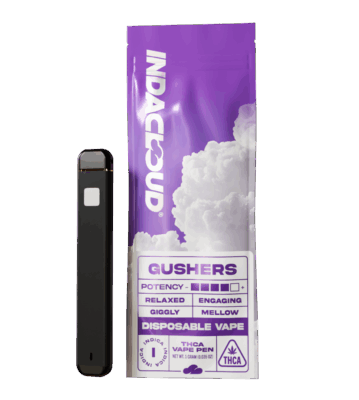
A disposable vape is a pre-filled, pre-charged unit with the oil, battery, and mouthpiece sealed into one device. You buy it, vape it, and discard the whole thing once the oil is gone. There is no assembly and nothing to screw on, which is what a format like a liquid diamonds disposable trades for its all-in-one simplicity.
A 510 cartridge is only the oil tank and mouthpiece. It threads onto a standard 510 battery that you supply, recharge, and reuse across many carts. The cartridge is the consumable; the battery is the durable part you own.
The “510” in 510 cartridge refers to a thread-size standard, 10 threads on a 5mm post. Because nearly every brand builds to that spec, carts and vape pen batteries are broadly cross-compatible.
A cart from one company will usually screw onto a battery from another. That cross-compatibility is the practical payoff of an industry standard that has held for over a decade.
Most disposables and many carts are draw-activated, meaning you inhale and the device fires. Button-activated batteries require a press to heat the coil and often add variable voltage, which lets you adjust the draw temperature.
Auto-draw is simpler for a beginner; a button with voltage settings gives a regular user more control over each hit. That difference matters later, but it is not the thing that decides the purchase.
For occasional users, a disposable is usually cheaper to start; for regular users, a reusable battery wins on cost within a handful of carts. That breakeven is the heart of this comparison, so do the math instead of reading the price tag.
A disposable bundles the hardware into every purchase. Every time you rebuy, you pay for a new battery and mouthpiece you will throw away. A 510 setup splits that: one upfront battery purchase, then cartridges that cost less per gram because they carry no battery.
Picture rough numbers to see the shape of it. If a quality 510 battery runs you a one-time cost in the low tens of dollars, and a bare cartridge costs noticeably less than a comparable disposable, the battery pays for itself after a few cartridge replacements. After that, every cart is pure savings against the disposable path.
The lighter your use, the longer that payback takes. A once-a-month vaper may never buy enough carts to clear the battery cost, so the disposable stays the rational pick. A weekly or daily user clears it fast and saves steadily after.
Sticker price hides two things to check. Disposables can underperform or die before the oil is fully used, so a portion of what you paid for can go to waste. Cartridges let you compare oil volume directly, since a 0.5g and a 1g cart make price-per-gram easy to calculate and harder to overpay on.
This is also where buying from lab-tested vape carts protects the math. A cart with a published COA tells you what you are paying per milligram of actual cannabinoid rather than per device. Pricing logic across cart formats gets into the per-gram comparison in more depth if you want to run your own numbers.
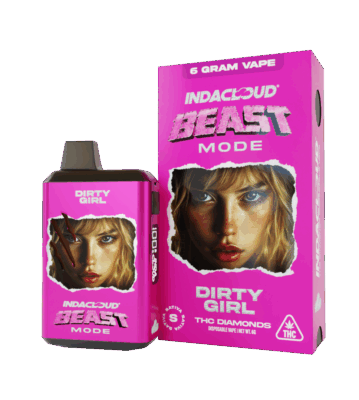
A disposable wins on pure convenience because there is nothing to set up, charge, or assemble. You open the package and vape. For someone who wants grab-and-go with zero learning curve, that simplicity is the whole appeal.
A 510 setup trades a little friction for permanence. You carry a battery, recharge it over USB, and screw carts on and off. In return you reuse that battery indefinitely, which is the convenience that shows up over months rather than minutes.
For short trips, events, or pocket-only carry, a disposable is the lighter mental load. Nothing to charge, nothing to forget. A 510 battery suits everyday carry for regular users who do not mind keeping it topped up and are already used to the routine.
Disposables need no maintenance, but they offer no recovery either. If the built-in battery fails before the oil is gone, the whole unit is done.
Carts can clog or leak and the battery contact occasionally needs attention, though a quality battery and a well-built cart reduce how often that comes up. The tradeoff is recoverability: a cart problem is usually fixable or replaceable, a dead disposable is not.
Battery quality and voltage control are what separate a flat hit from a flavorful one, and that is where a good 510 battery makes the difference. Lower, steadier voltage preserves terpenes and flavor; higher voltage produces denser vapor. A variable-voltage battery lets you tune that balance to the oil and the moment.
Disposables trade that fine-tuning for simplicity. The output is fixed, which keeps things foolproof but removes the ability to dial in temperature. For many users the fixed setting is perfectly good; for flavor seekers, the lack of control is a real limit.
Consistency over the device’s life also differs. A disposable can weaken as its battery drains near the end, while a cart on a charged battery delivers a fresh, consistent hit every time. Top the battery up and the last pull of a cart matches the first.
Two products with the same oil can vape differently because of coil and airflow design. A ceramic coil, the airflow path, and the heating element all shape vapor density and flavor. Hardware quality, not only the oil inside, is part of what you are buying, which is another argument for known, lab-tested vapes over mystery hardware.
A disposable locks the oil and hardware together because you buy them as a single unit. When the strain or blend is gone, the device goes with it. There is no swapping, only rebuying the whole thing.
A 510 cartridge separates the two, so one battery can run a rotating lineup of strains, blends, and potencies. Want an indica cart at night and a sativa during the day? Same battery, two carts. For anyone who likes variety or rotates products, that flexibility is the cartridge system’s quiet advantage.
This is also where concentrate type enters the picture. Distillate, live resin, and live rosin carry different flavor and potency profiles, and a THCa cart lets you move between them without rebuying hardware.
If you want to compare the oils themselves rather than the format, the difference between live resin and distillate carts is the next thing to read.
A disposable is single-use by design, which means every empty device is hardware headed for the trash. That adds up in both cost and waste, since the lithium-ion battery inside makes disposable e-waste rather than regular garbage. It should go to proper battery or household hazardous waste disposal rather than the bin.
A cartridge plus reusable battery cuts that repeat disposal sharply. You throw away an empty glass cartridge, not a battery, every cycle. The battery itself only needs replacing when it stops holding a charge well, which for a quality unit is a long way out.
Storage applies to both formats. Heat and light degrade oil over time, so carts and disposables alike last longer kept cool and upright. Oil quality on the shelf comes down to storage rather than format.
The right format follows from how often you vape, your budget horizon, and how much control you want, not from which device is objectively “best.”
Both can hold the same lab-tested oil, so this is a fit decision, not a quality ranking.
Because a brand like IndaCloud carries both formats, the choice is not brand-locked. The same COA-backed oil line is available as both a cart and a disposable, so you can pick the hardware that fits your habits and keep the oil quality constant either way.
Disposables and 510 carts are two delivery systems for the same oil, and the better buy is the one that matches your usage. Vape occasionally and value grab-and-go simplicity, the disposable is the rational pick.
Vape regularly and want lower cost per gram plus the freedom to swap strains, the reusable battery clears its cost fast and keeps paying off.
Run the breakeven against your own habits, check the COA so you know what you are paying per milligram, and let frequency decide the format. The hit is the same; the ownership model is the choice.
Yes, THC gummies are legal to buy in most of the United States right…
Learn more
Raw, unheated THCA clears your system in roughly 24 to 48 hours. Once you…
Learn more
Yes, edibles show up on drug tests. Standard panels detect THC edibles exactly the…
Learn more
Green Wednesday is the Wednesday before Thanksgiving, the cannabis industry’s second-biggest shopping day of…
Learn more
