



Blogs

Are THC Gummies Legal? A 2026 State-by-State Guide
Yes, THC gummies are legal to buy in most of the United States right…
Learn more
You must be 21+ to enter this site
 FREE SHIPPING $89+
 FREE GIFT ON $120+
 100% FEDERALLY LEGAL
 LAB TESTED FOR PURITY
FREE SHIPPING $89+
FREE GIFT ON $120+
100% FEDERALLY LEGAL
LAB TESTED FOR PURITY
FREE SHIPPING $89+
FREE GIFT ON $120+
100% FEDERALLY LEGAL
LAB TESTED FOR PURITY
FREE SHIPPING $89+
FREE GIFT ON $120+
100% FEDERALLY LEGAL
LAB TESTED FOR PURITY
FREE SHIPPING $89+
FREE GIFT ON $120+
100% FEDERALLY LEGAL
LAB TESTED FOR PURITY
FREE SHIPPING $89+
FREE GIFT ON $120+
100% FEDERALLY LEGAL
LAB TESTED FOR PURITY
FREE SHIPPING $89+
FREE GIFT ON $120+
100% FEDERALLY LEGAL
LAB TESTED FOR PURITY
FREE SHIPPING $89+
FREE GIFT ON $120+
100% FEDERALLY LEGAL
LAB TESTED FOR PURITY
LAB TESTED FOR PURITY
FREE SHIPPING $89+
FREE GIFT ON $120+
100% FEDERALLY LEGAL
LAB TESTED FOR PURITY
FREE SHIPPING $89+
FREE GIFT ON $120+
100% FEDERALLY LEGAL
LAB TESTED FOR PURITY
FREE SHIPPING $89+
FREE GIFT ON $120+
100% FEDERALLY LEGAL
LAB TESTED FOR PURITY
FREE SHIPPING $89+
FREE GIFT ON $120+
100% FEDERALLY LEGAL
LAB TESTED FOR PURITY
FREE SHIPPING $89+
FREE GIFT ON $120+
100% FEDERALLY LEGAL
LAB TESTED FOR PURITY
FREE SHIPPING $89+
FREE GIFT ON $120+
100% FEDERALLY LEGAL
LAB TESTED FOR PURITY
FREE SHIPPING $89+
FREE GIFT ON $120+
100% FEDERALLY LEGAL
LAB TESTED FOR PURITY

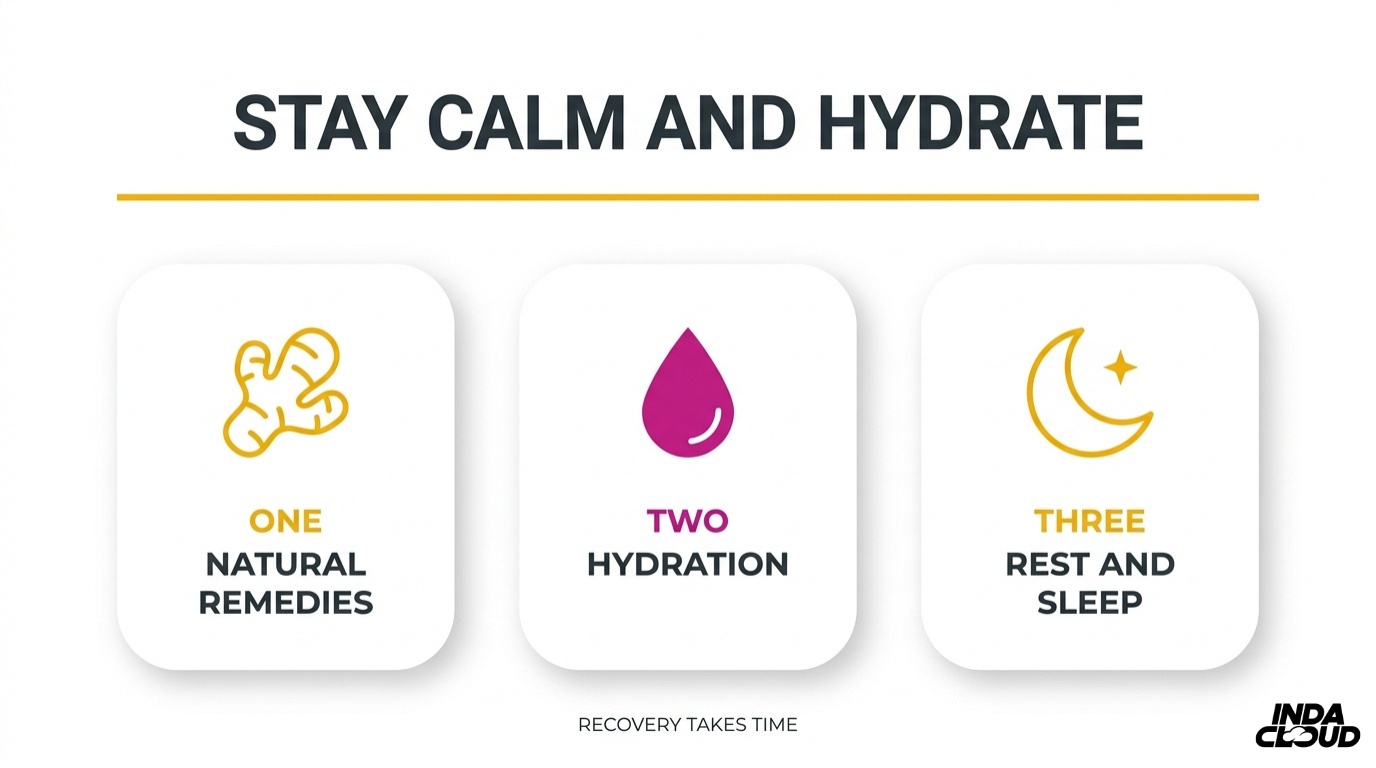
Recovering from edible overconsumption involves managing symptoms with patience, natural remedies, and rest while your liver processes excess THC and its more potent metabolite, 11-hydroxy-THC. Effects can last 6 to 12 or more hours, so recovery is primarily a waiting game supported by active comfort strategies.
This guide covers how edibles affect your body differently than inhaled cannabis, recognizing overconsumption symptoms, reducing nausea, coming down from an intense high, and preventing future episodes through proper dosing.
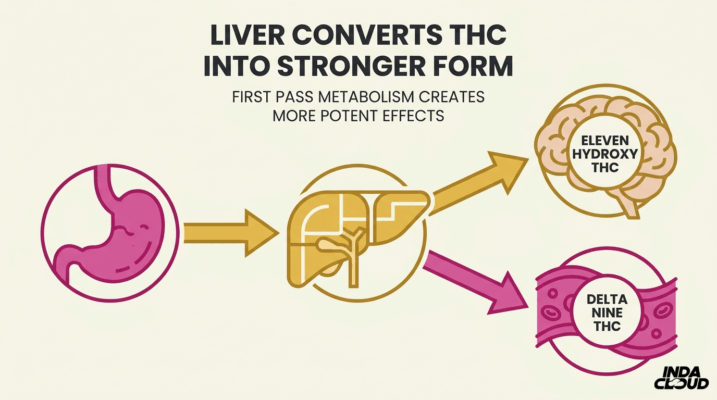
Edibles hit harder because first-pass liver metabolism converts delta-9-THC into 11-hydroxy-THC, which crosses the blood-brain barrier with equal or greater potency. This dual-compound effect, combined with delayed onset of 30 to 90 minutes, leads many users to stack doses before the first one activates.
Overconsumption symptoms range from persistent wave-like nausea and elevated heart rate to severe anxiety, paranoia, and time distortion. Most episodes resolve on their own, though uncontrollable vomiting, chest pain, or heart rates exceeding 100 to 120 bpm warrant emergency care.
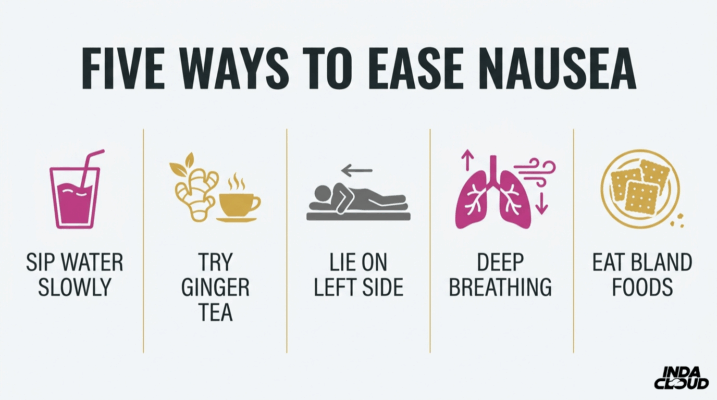
Nausea responds well to small sips of water, ginger tea or chews (which contain compounds that act as 5-HT3 receptor antagonists), lying on your left side, and slow diaphragmatic breathing that activates the parasympathetic nervous system. Bland foods like crackers and rice help stabilize the stomach once the worst passes.
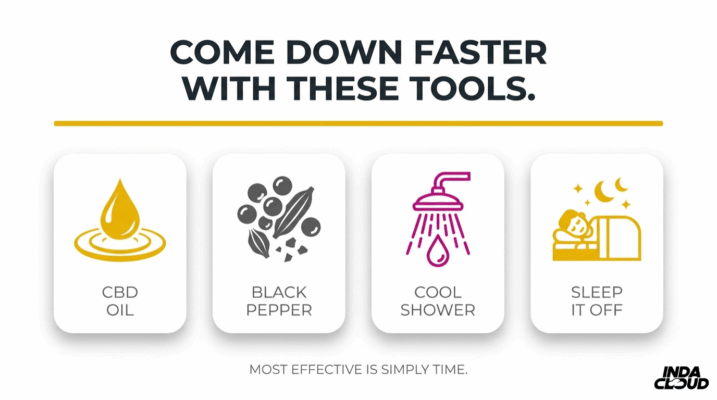
Coming down faster involves CBD (which may blunt THC’s psychoactive intensity at CB1 receptors), chewing black peppercorns for their beta-caryophyllene content, cool showers, and sleep; the single most effective passive recovery tool.
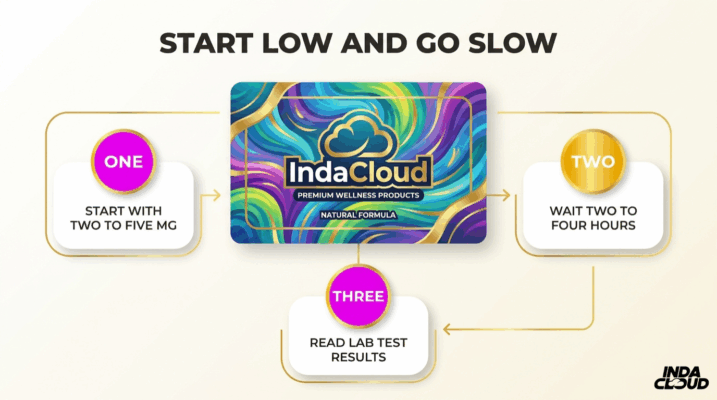
Prevention starts with a 2.5 to 5 mg starting dose, waiting 2 to 4 hours before redosing, reading labels for per-serving THC content, and choosing lab-tested edibles with verified potency to eliminate the guesswork that causes most overconsumption incidents.
Eating too many edibles triggers intensified psychoactive effects because your liver converts THC into a more potent metabolite. The sections below explain why edibles hit harder, how liver metabolism changes the experience, and how long overconsumption effects typically last.
Edibles hit harder than smoking or vaping because first-pass metabolism in the liver converts delta-9-THC into 11-hydroxy-THC, a more potent metabolite that reaches the brain simultaneously with unconverted THC. This dual-compound effect produces a stronger, longer-lasting high that inhalation methods simply cannot replicate.
The delayed onset also contributes to the problem. Because users do not feel effects immediately, many consume additional doses too soon. According to a UCHealth report, emergency department visits associated with cannabis edibles in Colorado were 33 times higher than expected based on sales volume, despite edibles accounting for only 0.32% of total cannabis sales during the study period.
Under the 2018 Farm Bill, hemp-derived edibles containing no more than 0.3% delta-9-THC on a dry weight basis remain federally legal. This legal distinction means consumers can access edibles more easily, making proper dosing awareness essential.
Your liver processes THC from edibles differently by routing it through first-pass metabolism before it enters the bloodstream. CYP2C and CYP3A enzymes convert delta-9-THC into 11-hydroxy-THC, an active metabolite with equal or greater pharmacological potency that crosses the blood-brain barrier efficiently.
When inhaled, THC bypasses the liver and enters the bloodstream directly through lung tissue, producing faster but typically milder effects. With edibles, this hepatic conversion means higher concentrations of 11-hydroxy-THC accumulate over time. According to the Annals of Internal Medicine, acute cannabis intoxication from edibles is more likely to present with psychiatric symptoms such as severe anxiety, panic attacks, and psychosis, as well as cardiovascular effects like tachycardia. This metabolic pathway is precisely why overconsumption from edibles carries greater risk of intense, prolonged adverse reactions.
An edible high typically lasts 6 to 12 or more hours after overconsumption. According to Healthline, the onset of effects for edible cannabis ranges from 30 to 90 minutes, with peak effects occurring between 2 and 4 hours after ingestion.
Overconsumption extends both peak intensity and total duration well beyond what a standard dose produces. Several factors influence this timeline:
For most people, residual grogginess or mild disorientation can linger even after the primary high subsides. Understanding these timelines helps set realistic expectations during recovery, which the following sections address in detail.
The symptoms of edible overconsumption span physical discomfort, psychological distress, and in rare cases, signs requiring emergency care. The following sections cover nausea, physical symptoms, psychological effects, and when to seek medical help.
Edible-induced nausea feels like a persistent, wave-like queasiness often accompanied by dizziness, cold sweats, and an urgent sensation that vomiting is imminent. This experience is commonly called “greening out.” According to Northwestern Medicine, greening out refers to acute cannabis toxicity characterized by nausea, vomiting, and dizziness, often occurring when users consume more THC than the body can comfortably process.
Unlike typical food-related nausea, this sensation tends to intensify with movement and can persist for hours due to the slow metabolism of edible THC. Lying still in a cool, quiet space often provides the most immediate relief while the body works through the excess cannabinoids.
The physical symptoms of too many edibles include:
These symptoms typically peak between two and four hours after ingestion. Because edible THC is metabolized slowly through the liver, physical discomfort can linger well beyond what users experience from inhaled cannabis.
The psychological symptoms of too many edibles include:
These cognitive and emotional effects often feel more alarming than the physical symptoms, especially for inexperienced users. Recognizing that these reactions are temporary and caused by excess THC, not a lasting mental health crisis, is one of the most important steps toward staying calm during an episode.
Overconsumption becomes a medical emergency when symptoms escalate beyond typical discomfort into signs that the body cannot self-regulate. According to U.S. Pharmacist, medical intervention is generally indicated when patients present with uncontrollable vomiting, chest pain, severe paranoia, or vital sign abnormalities such as heart rates exceeding 100 to 120 bpm.
Seek emergency care if you experience:
Dose stacking is a common cause of these emergencies. Users who do not feel immediate effects often take additional servings, compounding THC levels far beyond tolerance. Understanding when discomfort crosses into danger could prevent a serious health crisis.
You can reduce nausea from edibles through hydration, natural remedies, body positioning, breathing exercises, and gentle nutrition. The following strategies address edible-induced nausea from multiple angles.
Yes, staying hydrated helps with edible nausea by supporting digestion and preventing the dehydration that compounds stomach discomfort. Water and electrolyte-rich beverages help the body process THC metabolites more efficiently while soothing an irritated digestive tract. Small, frequent sips are more effective than gulping large amounts, which can worsen nausea. Avoid alcohol and caffeinated drinks, as both increase dehydration and may intensify THC’s effects. According to a 2022 CDC report, edible consumption is increasing among specific demographics, making hydration awareness during overconsumption increasingly relevant. Keeping a water bottle nearby before consuming any edible is one of the simplest preventive steps available.
Yes, ginger and peppermint can relieve cannabis-induced nausea through distinct antiemetic mechanisms. According to a study published by the National Institutes of Health, ginger (Zingiber officinale) contains gingerols and shogaols that act as 5-HT3 receptor antagonists, reducing nausea by modulating gastric emptying and neutralizing stomach acid. Ginger tea, chews, or capsules offer accessible delivery methods. Peppermint works differently, relaxing smooth muscles in the gastrointestinal tract to ease cramping and queasiness. For those experiencing more severe, cyclic nausea characteristic of Cannabinoid Hyperemesis Syndrome, a warm shower may provide additional temporary relief alongside these remedies.
Yes, lying on your side helps when feeling nauseated by reducing aspiration risk and easing abdominal pressure. The left lateral position is particularly effective because it aligns the stomach’s natural curvature with gravity, promoting smoother digestion. This position also prevents gastric contents from pressing against the lower esophageal sphincter, which can trigger the urge to vomit. Placing a pillow between the knees adds comfort during prolonged rest. If active vomiting occurs, the recovery position keeps airways clear. Lying flat on your back, by contrast, increases the chance of choking and often intensifies the sensation of nausea.
Yes, deep breathing techniques can calm edible-related nausea by activating the parasympathetic nervous system. According to a report from Today, vagal nerve stimulation through deep breathing helps lower heart rate and reduce the “fight or flight” response during acute cannabis-induced panic or anxiety. A simple approach involves inhaling slowly through the nose for four counts, holding for four counts, then exhaling through the mouth for six counts. This pattern directly counteracts the rapid, shallow breathing that often accompanies THC overconsumption. Repeating the cycle for five to ten minutes can noticeably reduce both nausea intensity and the accompanying anxiety that makes stomach discomfort worse.
Yes, eating bland foods helps settle your stomach by absorbing excess gastric acid and stabilizing blood sugar levels that THC disruption can cause. Plain crackers, white rice, dry toast, and bananas are gentle options that provide calories without overwhelming the digestive system. Eating small portions slowly is essential; large meals can trigger a new wave of nausea. Avoid greasy, spicy, or heavily seasoned foods, as these irritate an already sensitive stomach lining. Waiting until the most intense nausea subsides before eating is practical advice that many overlook in their eagerness to feel better. Bland nutrition serves as a stabilizing foundation while the body continues metabolizing THC.
With nausea management strategies in place, additional techniques can help reduce the overall intensity of the high.
The best ways to come down from an edible high include using CBD, trying black pepper, taking a shower, sleeping it off, and distracting yourself with light activity. Each method works through a different mechanism.
Yes, CBD can help counteract THC overconsumption. Cannabidiol acts as a non-competitive antagonist at CB1 receptors at high doses, potentially reducing the psychoactive and anxiogenic effects induced by delta-9-THC, according to a study published in the Journal of Clinical Medicine. By occupying receptor sites without fully activating them, CBD may blunt the intensity of THC’s binding activity. A full-spectrum CBD tincture or oil placed under the tongue offers faster absorption than a capsule, which matters when discomfort is already setting in. For anyone who keeps edibles on hand, stocking a high-potency CBD product alongside them is a practical safeguard worth considering.
Yes, black pepper can really reduce a THC high for some people. Beta-caryophyllene, a terpene found in black pepper and cannabis, acts as a selective CB2 receptor agonist and may modulate the effects of THC to reduce anxiety and paranoia, according to a study published in the International Journal of Molecular Sciences. Simply chewing two or three whole black peppercorns or sniffing freshly ground pepper can introduce this terpene quickly through oral and nasal pathways. The effect is not dramatic, but many users report a noticeable calming shift within minutes. Combined with deep breathing, this simple kitchen remedy can take the edge off an overwhelming experience.
Taking a shower does not help you sober up from edibles in a pharmacological sense, but it can provide significant symptomatic relief. A cool or lukewarm shower stimulates the vagus nerve and redirects sensory attention away from internal distress. The change in temperature and tactile sensation can interrupt anxiety spirals and ground you in the present moment. Warm water, while comforting, may lower blood pressure further and increase dizziness, so cooler temperatures are generally safer during acute overconsumption. A shower works best as one tool within a broader comfort strategy rather than a standalone solution.
Yes, sleep can help you recover faster from edibles. Resting allows the liver to continue metabolizing THC and 11-hydroxy-THC without the added burden of conscious anxiety amplifying every sensation. Because edible highs can last six to twelve hours, sleeping through even a portion of the peak significantly reduces perceived discomfort. Lying in a dark, quiet room on your side, in case nausea develops, creates the safest conditions for drifting off. If falling asleep feels impossible due to racing thoughts, pairing rest with slow diaphragmatic breathing can ease the transition. Sleep remains the single most effective passive recovery strategy available.
Physical distraction does not shorten an edible high in terms of actual metabolic duration, but it can make the experience feel considerably shorter. Light activities such as walking, stretching, watching a familiar show, or organizing a small space redirect cognitive focus away from uncomfortable sensations. The key is choosing low-intensity tasks; vigorous exercise can elevate heart rate and worsen anxiety. Gentle movement may also support circulation, which could aid the body’s natural processing of cannabinoids. For most people dealing with overconsumption, staying mentally occupied with something calm and familiar is far more effective than sitting still and fixating on how they feel.
With recovery strategies in place, understanding total timeline helps set realistic expectations.
Full recovery from eating too many edibles typically takes 6 to 12 or more hours, though residual effects like grogginess or brain fog can linger into the following day. According to Healthline, the onset of effects for edible cannabis ranges from 30 to 90 minutes, with peak effects occurring between 2 and 4 hours after ingestion and a total duration of action lasting 6 to 12 or more hours. Overconsumption can push recovery toward the longer end of that range, since higher doses mean more THC and its potent metabolite, 11-OH-THC, circulating through your system. Several factors influence individual recovery timelines:
Most people feel substantially better within 8 to 10 hours, with sleep being the single most effective accelerator of recovery. For anyone still feeling off the next morning, mild aftereffects usually resolve completely within 24 hours. Understanding these recovery timelines makes it easier to recognize what behaviors to avoid while still feeling impaired.
While greening out on edibles, you should avoid consuming more cannabis, driving, drinking alcohol, and panicking yourself into impulsive decisions. The following actions can worsen symptoms or create dangerous situations.
The single most important rule is patience. Because edible THC undergoes first-pass liver metabolism before reaching peak intensity, attempting to “fight through” the experience with stimulants, physical exertion, or additional substances almost always backfires. Staying calm, hydrated, and still gives your body the best conditions to process what you consumed. With safe habits established, preventing future overconsumption becomes the next priority.
You can prevent edible overconsumption by starting with a low THC dose, waiting several hours before redosing, and reading product labels carefully. The following subsections cover the right starting dose, why patience matters, and how to interpret edible packaging.
https://drive.google.com/file/d/1GtTxwVr7PrBx_Ynvh4bxpuZmLj9gEs5m/view
The right starting dose for edibles is 2.5 mg to 5 mg of THC, especially for new or infrequent users. This low-dose approach allows the body to process THC through first-pass liver metabolism without overwhelming the endocannabinoid system. Users with established tolerance may gradually increase in 5 mg increments, but even experienced consumers benefit from starting low with unfamiliar products.
Edibles vary widely in potency across brands and formulations. A gummy labeled at 10 mg per piece, for instance, can be halved for a more cautious 5 mg starting point. For anyone prone to anxiety or nausea from THC, beginning at 2.5 mg provides a margin of safety that makes the experience far more manageable.
You should wait before taking a second dose because edible effects take significantly longer to onset than inhaled cannabis, and premature redosing is the primary cause of overconsumption. According to health authorities in Colorado, new users should start with 2.5 mg to 5 mg of THC and wait at least 2 to 4 hours before consuming additional doses to avoid overconsumption.
This patience is critical because THC from edibles must pass through the digestive system and liver before reaching the brain. Many people make the mistake of “stacking doses” when they feel nothing after 30 minutes, only to experience compounding effects once all doses activate simultaneously. Setting a timer after the first dose is one of the simplest and most effective harm-reduction strategies available.
You read edible labels for accurate dosing by identifying three key details:
A common dosing error occurs when consumers eat an entire package without realizing it contains multiple servings. According to a National Institutes of Health analysis, edible products are responsible for a disproportionate number of healthcare visits compared to inhalable products, largely due to dosing errors and failure to appreciate the delayed onset of effects. Checking for third-party lab testing verification on the label also confirms that the listed potency matches the actual THC content.
With proper dosing habits established, lab-tested products from trusted brands offer even greater consistency and safety.
Lab-tested hemp-derived edibles help you dose safely by providing verified potency per serving, eliminating the guesswork that leads to overconsumption. Precise labeling and third-party testing ensure each piece contains exactly the stated milligrams of THC.
Yes, IndaCloud’s precisely dosed edibles can help prevent overconsumption by delivering a verified, consistent amount of THC in every serving. Each product undergoes comprehensive third-party lab testing for potency, confirming that the milligram count on the label matches what is inside. This consistency matters because, as state-level regulations in California and Colorado demonstrate, mandatory lab testing for potency, pesticides, heavy metals, and microbial contaminants sets the standard for consumer safety, according to Leafly’s state-by-state cannabis testing guide.
IndaCloud provides detailed lab reports for every batch, allowing customers to verify results before consuming. Key safeguards that support safer dosing include:
For anyone who has experienced overconsumption, switching to products with transparent, verified dosing is one of the most practical steps toward a more predictable experience.
The key takeaways about recovering from edible overconsumption and reducing nausea center on patience, symptom management, and prevention. Edible effects can last 6 to 12 or more hours, so recovery requires time above all else.
The most actionable lessons from this guide include:
Overconsumption is uncomfortable but rarely dangerous for healthy adults. The single most effective long-term strategy is choosing precisely dosed, third-party tested products. IndaCloud offers a full range of lab-verified hemp-derived edibles designed to make responsible dosing straightforward, helping you relax with confidence.
Yes, THC gummies are legal to buy in most of the United States right…
Learn more
Raw, unheated THCA clears your system in roughly 24 to 48 hours. Once you…
Learn more
Yes, edibles show up on drug tests. Standard panels detect THC edibles exactly the…
Learn more
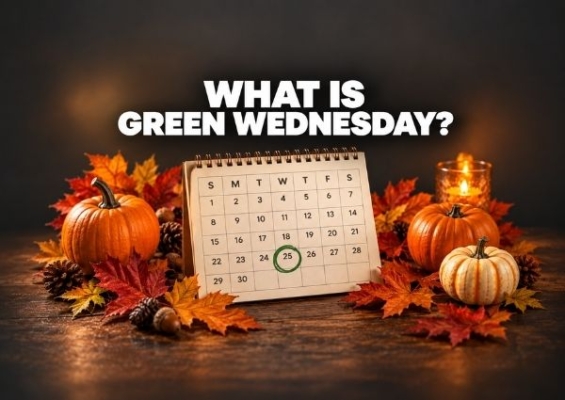
Green Wednesday is the Wednesday before Thanksgiving, the cannabis industry’s second-biggest shopping day of…
Learn more
