


Blogs

Are THC Gummies Legal? A 2026 State-by-State Guide
Yes, THC gummies are legal to buy in most of the United States right…
Learn more
You must be 21+ to enter this site
 FREE SHIPPING $89+
 FREE GIFT ON $120+
 100% FEDERALLY LEGAL
 LAB TESTED FOR PURITY
FREE SHIPPING $89+
FREE GIFT ON $120+
100% FEDERALLY LEGAL
LAB TESTED FOR PURITY
FREE SHIPPING $89+
FREE GIFT ON $120+
100% FEDERALLY LEGAL
LAB TESTED FOR PURITY
FREE SHIPPING $89+
FREE GIFT ON $120+
100% FEDERALLY LEGAL
LAB TESTED FOR PURITY
FREE SHIPPING $89+
FREE GIFT ON $120+
100% FEDERALLY LEGAL
LAB TESTED FOR PURITY
FREE SHIPPING $89+
FREE GIFT ON $120+
100% FEDERALLY LEGAL
LAB TESTED FOR PURITY
FREE SHIPPING $89+
FREE GIFT ON $120+
100% FEDERALLY LEGAL
LAB TESTED FOR PURITY
FREE SHIPPING $89+
FREE GIFT ON $120+
100% FEDERALLY LEGAL
LAB TESTED FOR PURITY
LAB TESTED FOR PURITY
FREE SHIPPING $89+
FREE GIFT ON $120+
100% FEDERALLY LEGAL
LAB TESTED FOR PURITY
FREE SHIPPING $89+
FREE GIFT ON $120+
100% FEDERALLY LEGAL
LAB TESTED FOR PURITY
FREE SHIPPING $89+
FREE GIFT ON $120+
100% FEDERALLY LEGAL
LAB TESTED FOR PURITY
FREE SHIPPING $89+
FREE GIFT ON $120+
100% FEDERALLY LEGAL
LAB TESTED FOR PURITY
FREE SHIPPING $89+
FREE GIFT ON $120+
100% FEDERALLY LEGAL
LAB TESTED FOR PURITY
FREE SHIPPING $89+
FREE GIFT ON $120+
100% FEDERALLY LEGAL
LAB TESTED FOR PURITY
FREE SHIPPING $89+
FREE GIFT ON $120+
100% FEDERALLY LEGAL
LAB TESTED FOR PURITY

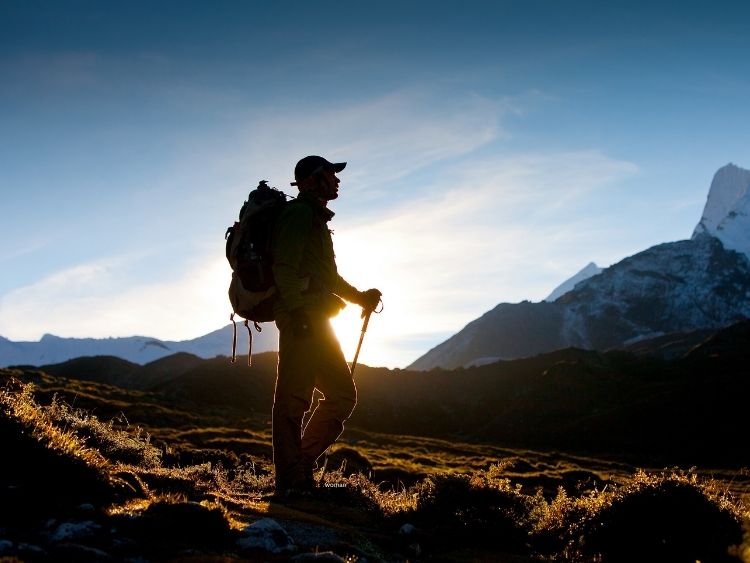
A pre-hike gummy that felt like nothing on your couch can hit like a freight train two miles up a switchback. Exertion, heat, thinner air, and a dose you misjudged all stack on top of each other once you are away from the front door.
That is the whole problem with bringing cannabis on the trail. The effects are the same ones you already know, but the setting changes everything. The setting decides whether a pre-roll or a low-dose gummy makes the hike better or turns it into a slog.
This guide covers the pre-hike decisions: how cannabis behaves under exertion, which format fits which trail, how to time and size your dose, what to pack, and what to skip.
One legal note up front. Hemp-derived products with less than 0.3% delta-9 THC by dry weight are federally legal under the 2018 Farm Bill, but state rules vary. Most public trails also sit on federal land, where the rules are stricter. More on that below, and assume 21 and up throughout.
THC raises your heart rate, and exercise raises it too. Here is what stacks up once you are moving:
Research shows THC elevates heart rate during submaximal exercise, the moderate-intensity range most hiking falls into, and reduces ventilatory efficiency, so your body works harder to breathe.
One older but frequently cited figure puts the increase at 20 to 50% over baseline after inhaling cannabis or ingesting THC. For a healthy adult on a casual hike that is usually not dangerous, but it is real, and it compounds with the cardio you are already doing.
In sustained efforts like a 20-minute cycling test, THC lowered power output whether subjects smoked or vaped, and time to exhaustion dropped slightly. You might feel fine while your body taps out sooner. If a personal record is the point of the hike, cannabis works against you.
THC affects balance, reaction time, and depth perception, which matters far more on loose rock or an exposed ledge than on a paved path. Being high can also dull the cues your body uses to flag overheating and fatigue, so you push past the point where you would normally stop.
Hikers get this one wrong constantly. THC binds to cannabinoid receptors in your salivary glands and suppresses saliva production, so you can be fully hydrated and still feel parched. The catch is that being dehydrated makes it worse.
On a hot trail you are sweating out real water on top of the suppressed saliva, so you need to drink for the sweat loss and expect the dry mouth regardless.
Framed as energy rather than marketing, sativa-leaning products read as more alert and clear-headed, which suits daytime movement. Indica-leaning ones lean relaxed and heavy, better saved for camp than for a climb.
Treat that as a loose shorthand, not hard science. Effects come down to the specific product and your own body as much as the indica or sativa label.
This is the decision that matters most. Onset and duration determine whether your high lines up with your hike or fights it.
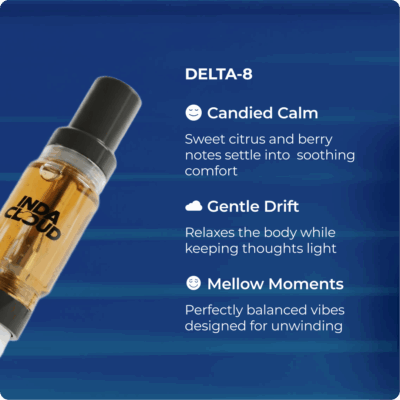
Inhalables hit fast, usually within minutes, and that speed is their biggest advantage on a trail. You can take a few puffs, read how you feel, and adjust before you commit to more. A compact, pre-dosed format like one of IndaCloud’s disposables or a refillable cart makes that mid-effort titration straightforward, and both pack down small.
The downsides are real. Any open flame is a problem on dry or wildfire-prone trails, and many areas restrict it outright during fire season. Smoke carries scent and irritates the lungs, which is more noticeable when you are already breathing hard at altitude.
Disposables skip the flame and the smell of combustion, which is part of why they travel well. A pre-roll is simpler if fire rules allow it.
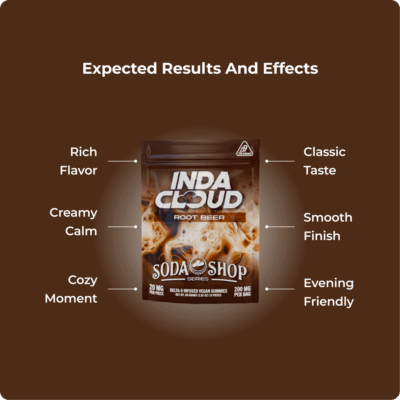
Edibles are the format most likely to catch you out. Onset runs anywhere from 30 minutes to two hours, and at altitude that delay gets riskier. People redose when they do not feel anything yet, then get hit hard well into the climb.
The fix is the two-hour rule: take your dose, wait a full two hours before considering more, no exceptions on a trail.
Long duration cuts both ways. For a full-day hike, a single edible that lasts hours is efficient. For a quick out-and-back, you can still be high long after you reach the car.
Heat is the other issue. Gummies melt and lose dose consistency in a hot pack, so a stable dose-controlled format matters more outdoors than at home. Something like pre-portioned 25mg popping crystals gives you a fixed single serving without the melt problem of a standard gummy.
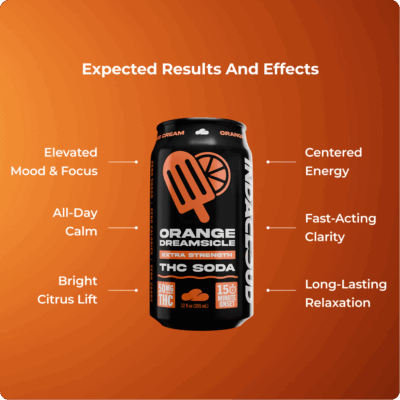
Tinctures sit in the middle on onset and are easy to micro-dose, which makes a lower dose the sensible default before physical activity. A pre-measured single-serve option like a 50mg sugar-free THC soda gives you a known quantity.
That said, it is heavy to carry and 50mg is not a low dose, so it suits a basecamp more than a summit push.
Run the trail through a few questions before you pick. How long is it, how hard, how technical is the terrain, are you solo or with people, and are there fire restrictions? Short and easy gives you room to experiment.
Long, steep, exposed, or solo argues for less THC, a format you can control, and inhalables you can titrate over edibles you cannot take back. The core tradeoff in plain terms: inhalables give you speed and control but bring fire and lung concerns, while edibles give you duration at the cost of unpredictable timing.
Start low, and understand that low means lower than your couch number. A dose that feels mellow on the sofa can feel like too much once your heart rate is up and you are working. Exertion and dehydration both intensify the experience, so your comfortable home baseline is the wrong baseline for a trailhead.
Altitude stacks onto this. With less oxygen at elevation your body becomes more sensitive to THC, so a typical dose can feel stronger than it does at home. You are not actually getting higher, but it can feel more intense.
Some dispensary guidance suggests cutting your usual dose by as much as half above 5,000 feet and drinking more water than feels necessary. If you want the full logic on sizing a dose, our guide on how much delta-8 to take walks through the start-low approach in depth.
Timing is the other half. You want to avoid peaking during the hardest part of the climb, and a few habits make that easier:
Keep the cannabis side of your kit simple and protected.
The trail essentials matter more once cannabis is in the mix. Carry extra water and an electrolyte source, since you are managing both dry mouth and real sweat loss. Pack snacks for appetite swings and steady blood sugar.
Bring sun protection and layers, because impaired temperature awareness makes it easier to miss that you are overheating or chilling. Use navigation that does not depend on memory, a downloaded map or GPS route, and carry basic first aid and a charged phone.
This is where harm-reduction thinking does the most work. A few clear lines to hold:
Two more are worth stating plainly. Do not lean on cannabis to push through fatigue, pain, or your body’s warning signs. Those signals exist to keep you safe, and dulling them is how people get hurt.
And do not drive to or from the trailhead impaired. Plan that ride the same way you would plan it after any other session.
Know the signs that say turn back: dizziness, a racing heart that will not settle, disorientation, or nausea. If any of those show up, stop climbing.
Coming down safely mid-trail is straightforward. Find shade, sit, hydrate, eat something, and wait it out. Time is the main ingredient.
The harder skill is telling ordinary cannabis effects apart from heat illness or overexertion, which can look similar. If symptoms keep escalating after you have stopped and rested, treat it as a medical issue rather than a strong high. Poison control is reachable at 1-800-222-1222, and 911 is the right call for anything severe.
When you are picking what to bring, the same handful of things matter regardless of brand: clear lab testing with published COAs, precise dosing you can trust, durable packaging, and a portable format that packs light. Those qualities make a product trail-friendly rather than a liability in a hot bag.
IndaCloud fits that description as one option among the category, with third-party lab testing, posted COAs, and pre-dosed compact formats like disposables and single-serve edibles. If you want a starting point rather than a single product, the best sellers collection shows what other people reach for.
Whatever you choose, the trail rewards knowing your exact dose and trusting what is in the package.
Cannabis and hiking can work together, but the trail is less forgiving than your living room, and the planning keeps it fun. Pick a format you can control, size the dose below your home baseline, and time it so you are not peaking on the steepest pitch.
Pack water and snacks like the dry mouth and appetite changes are coming, because they are.
The legal piece is the last thing to square away. Hemp-derived delta-9 stays under the 0.3% Farm Bill threshold and ships across most of the continental US, though not to every state. A legal product in your pocket does not make it legal to consume on federal land.
National parks and national forests fall under federal jurisdiction, and as of late 2025 the Justice Department is again prosecuting simple possession there. Know the rules for the specific trail before you go, and keep your session to the ground where it is allowed.
Yes, THC gummies are legal to buy in most of the United States right…
Learn more
Raw, unheated THCA clears your system in roughly 24 to 48 hours. Once you…
Learn more
Yes, edibles show up on drug tests. Standard panels detect THC edibles exactly the…
Learn more
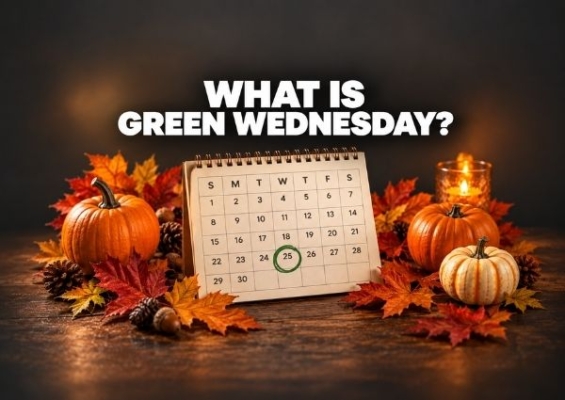
Green Wednesday is the Wednesday before Thanksgiving, the cannabis industry’s second-biggest shopping day of…
Learn more
