


Blogs

Are THC Gummies Legal? A 2026 State-by-State Guide
Yes, THC gummies are legal to buy in most of the United States right…
Learn more
You must be 21+ to enter this site
 FREE SHIPPING $89+
 FREE GIFT ON $120+
 100% FEDERALLY LEGAL
 LAB TESTED FOR PURITY
FREE SHIPPING $89+
FREE GIFT ON $120+
100% FEDERALLY LEGAL
LAB TESTED FOR PURITY
FREE SHIPPING $89+
FREE GIFT ON $120+
100% FEDERALLY LEGAL
LAB TESTED FOR PURITY
FREE SHIPPING $89+
FREE GIFT ON $120+
100% FEDERALLY LEGAL
LAB TESTED FOR PURITY
FREE SHIPPING $89+
FREE GIFT ON $120+
100% FEDERALLY LEGAL
LAB TESTED FOR PURITY
FREE SHIPPING $89+
FREE GIFT ON $120+
100% FEDERALLY LEGAL
LAB TESTED FOR PURITY
FREE SHIPPING $89+
FREE GIFT ON $120+
100% FEDERALLY LEGAL
LAB TESTED FOR PURITY
FREE SHIPPING $89+
FREE GIFT ON $120+
100% FEDERALLY LEGAL
LAB TESTED FOR PURITY
LAB TESTED FOR PURITY
FREE SHIPPING $89+
FREE GIFT ON $120+
100% FEDERALLY LEGAL
LAB TESTED FOR PURITY
FREE SHIPPING $89+
FREE GIFT ON $120+
100% FEDERALLY LEGAL
LAB TESTED FOR PURITY
FREE SHIPPING $89+
FREE GIFT ON $120+
100% FEDERALLY LEGAL
LAB TESTED FOR PURITY
FREE SHIPPING $89+
FREE GIFT ON $120+
100% FEDERALLY LEGAL
LAB TESTED FOR PURITY
FREE SHIPPING $89+
FREE GIFT ON $120+
100% FEDERALLY LEGAL
LAB TESTED FOR PURITY
FREE SHIPPING $89+
FREE GIFT ON $120+
100% FEDERALLY LEGAL
LAB TESTED FOR PURITY
FREE SHIPPING $89+
FREE GIFT ON $120+
100% FEDERALLY LEGAL
LAB TESTED FOR PURITY

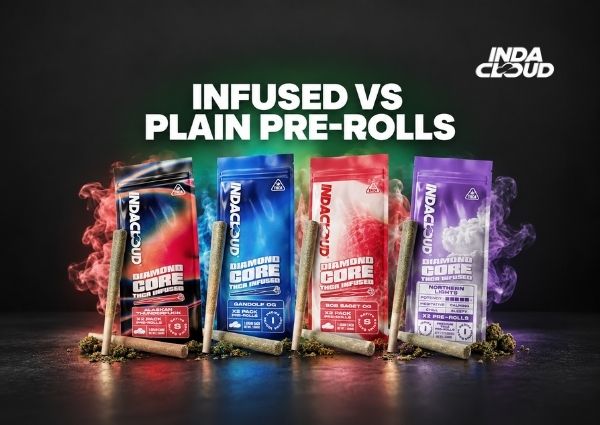
Infused prerolls are ground cannabis flower combined with a concentrated extract like distillate, live resin, rosin, or THCA diamonds. A plain pre-roll is flower only. That one difference changes the potency, the flavor, the burn, and the price of everything in the pre-rolls case.
The word “infused” is enough to make you suspicious, and the label rarely explains itself. This guide breaks down how each type is made, what the potency numbers mean, and how to decide which format fits your tolerance and budget.
An infused pre-roll is a ready-made joint that contains cannabis concentrate in addition to ground flower. The concentrate raises the total THC content well beyond what flower alone can reach, and depending on the extract used, it can change the flavor too.
A plain pre-roll, sometimes called a regular or traditional pre-roll, is ground cannabis flower packed into a rolling paper or cone. Every milligram of THC in it comes from the flower’s natural cannabinoid content. Nothing else goes in.
The extract comes from the same plant, processed to concentrate the cannabinoids and, in some cases, the terpenes.
Concentrate can sit in two places inside the roll. Some makers blend or coat it throughout the flower. Others run a line of concentrate down the center of the joint. Both methods are covered below.
A plain pre-roll is made by grinding cured flower and packing it into a cone or tube, usually by machine, sometimes hand-rolled. The quality depends on the flower going in: whole buds produce a better smoke than shake or trim.
An infused pre-roll starts the same way, with a ground flower base. The concentrate is then introduced using one of three common methods.
The flower is rolled in or misted with THC distillate before packing, and some producers dust the outside of the finished joint with kief. Coating the exterior is what smokers call “twaxing.” A kief-dusted, frosty exterior is the visual signature of this style.
Here the extract is mixed directly into the ground flower before rolling. Wax, hash, bubble hash, or live resin gets distributed through the material, so every puff carries a consistent dose. From the outside, a blended infusion can look identical to a plain joint.

A line of concentrate runs down the center of the joint like a wick. Our Alaskan Thunderfck THCA Diamond Core pre-rolls use this build: a core of THCA diamonds surrounded by ground flower. The core melts as the joint burns, releasing concentrate steadily through the session.
The extract type on the label tells you what the infusion will do. Four show up most often:
The resin versus rosin distinction trips people up. Live resin uses solvent-based extraction; live rosin is solventless. Both keep the terpenes that drive flavor and aroma, which is why they cost more than distillate.
Extract type matters as much for taste as for strength. Terpenes shape the flavor profile and contribute to the entourage effect, so a live rosin infusion smokes differently than a distillate one at the same potency. For a deeper look at crystalline extracts, our guide to THCA diamonds and sauce covers how they’re made, and the liquid diamonds collection shows the same extract in vape form.
Yes, infused pre-rolls test meaningfully higher in total cannabinoids than flower-only joints. Concentrate is far more potent by weight than flower, so even a small amount pushes the total number up fast.
Flower typically tests somewhere in the high teens to mid-twenties in THCA percentage. Infused pre-rolls commonly land above 30 percent total cannabinoids, and diamond-heavy builds can go higher. The exact figure varies by batch, which is why the certificate of analysis, not the marketing copy, is the number to trust.
Reading a potency figure takes one extra step. A label may list total THC or THCA as a percentage of weight, or as milligrams per unit. A 1 gram joint at 40 percent total cannabinoids carries roughly 400mg. Compare per-gram numbers when weighing two products against each other.
One caution before chasing the biggest number: more potent does not automatically mean a better session. Onset hits faster and harder even for experienced smokers, and a low-tolerance smoker can overshoot quickly. Start slow with any infused product, take one or two puffs, and wait before continuing.
Plain pre-rolls deliver the flower’s natural flavor; infused pre-rolls change the taste in whichever direction the extract points. The burn behavior splits the same way.
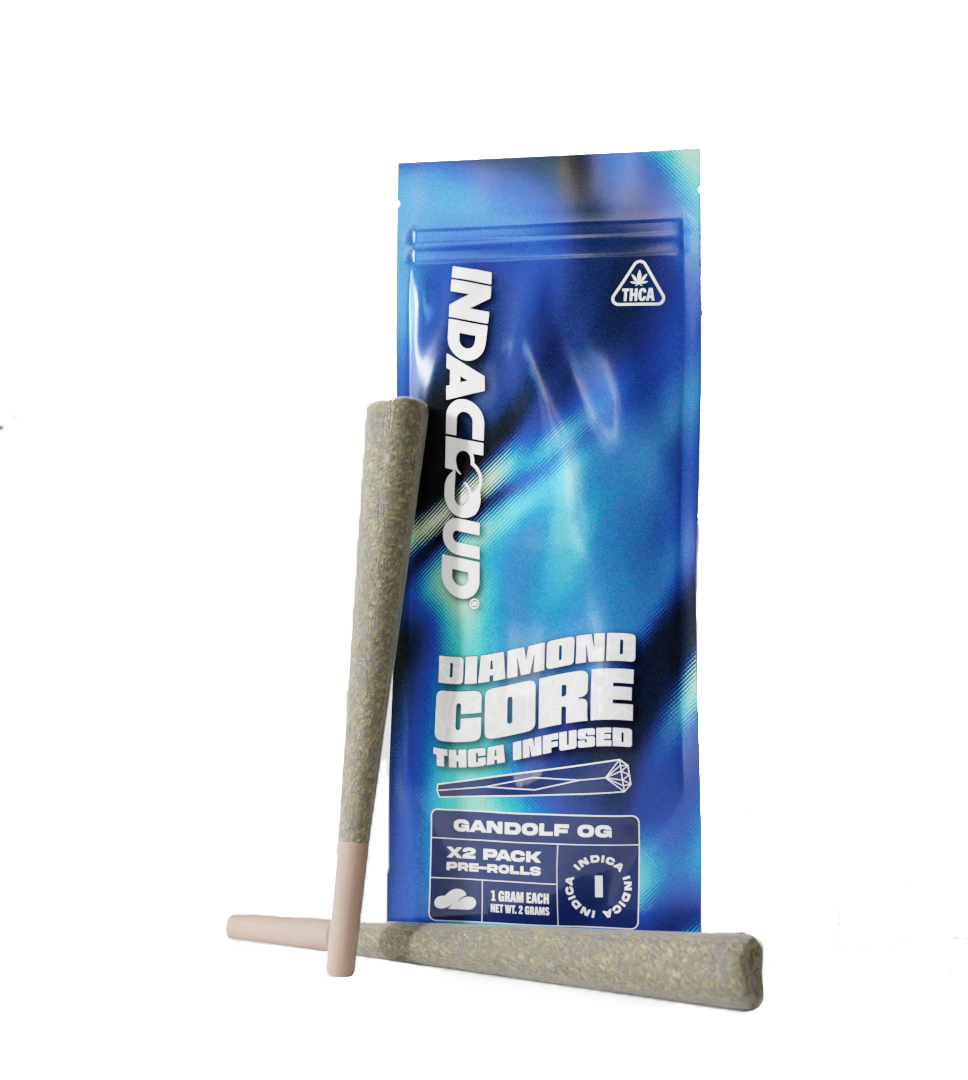
Distillate is close to flavor-neutral, so a distillate-infused joint mostly tastes like its flower base with extra weight in the smoke. Live resin and rosin infusions amplify the strain’s terpenes instead, producing a louder, more aromatic smoke. Our Gandolf OG Diamond Core pre-rolls pair the diamond core with a piney, earthy OG flower for that reason.
Some smokers still prefer a plain joint’s cleaner taste. Concentrate adds density to the smoke, and heavy infusions can come across harsh, especially toward the end of the joint.
Infused pre-rolls burn slower because concentrate is denser and less flammable than flower. They also burn less evenly. Canoeing, where one side of the joint burns faster than the other, is a known quirk of infused rolls, particularly coated ones. Rotating the joint and lighting it evenly helps.
Plain pre-rolls burn faster and more predictably. If you want the mechanics of an even light and a clean session, our piece on the art of the joint smoke covers technique in detail.
An infused joint is a slower, longer session by design. Fewer puffs deliver the same effect, so infused rolls often get set down between hits or shared across a group. A plain pre-roll is the conventional steady-burning smoke most people picture.
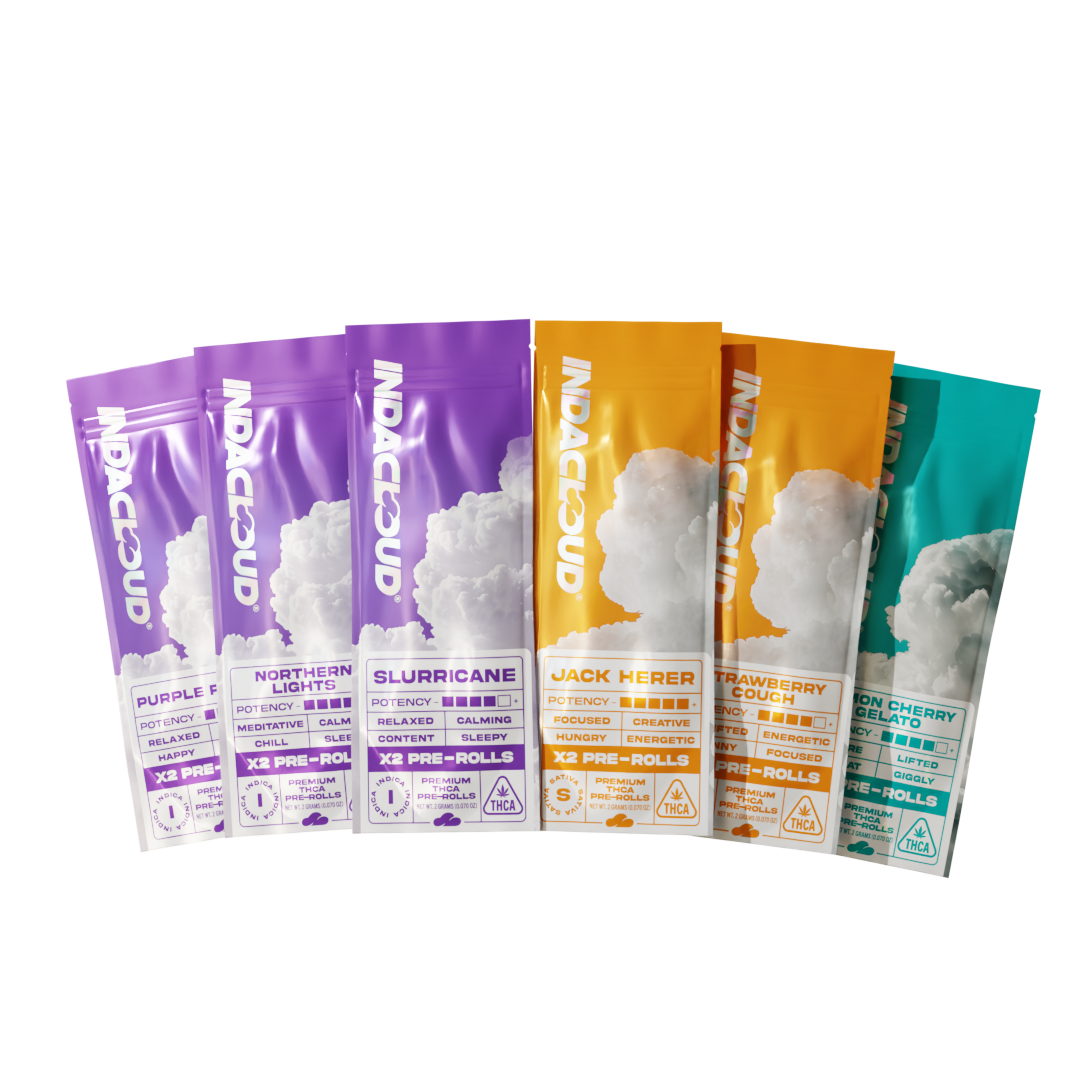
Infused pre-rolls cost more per unit because concentrate is expensive, but the sticker price is the wrong comparison. Cost per milligram of THC, or cost per session, tells the real story.
Run the math on any two products: total cannabinoid milligrams divided by price. An infused joint carrying double the cannabinoids at 50 percent more cost is cheaper per milligram than the plain option, even though it looks pricier on the shelf.
Infused makes sense if you’ve got a high tolerance, want a long shareable session, or want concentrate-level potency without buying a dab rig and extracts separately. Multi-pack pricing shifts the math further; the Essential THCA Preroll Bundle brings the per-joint cost down for anyone smoking regularly.
Plain is the smarter spend for flavor-first smokers, lower tolerances, and casual use. Paying a premium for potency you won’t use, or that will knock you out two puffs in, is bad value no matter what the per-milligram math says.
Choose based on your tolerance and what you want from the session, since the format label matters less than the person lighting it.
Plain pre-rolls suit newer smokers, anyone still finding their tolerance, flavor purists who want the strain unaltered, and tighter budgets. They are also the easier joint to pace, because each puff carries a predictable amount.
Infused pre-rolls suit experienced smokers with higher tolerances, anyone chasing maximum potency, and sessions meant to stretch out. Our THCA pre-rolls sit in this camp, built for smokers who already know their limits.
Setting matters too. A powerful infused joint at a party where you can settle in is a different decision than the same joint before an obligation.
Check four things before buying any pre-roll, infused or plain: the total cannabinoid percentage, the extract type used, whether a COA is available, and a batch or lot number.
The COA is the easiest thing to skip and the one that matters most. Third-party testing means an independent lab verified the cannabinoid profile, rather than the producer grading its own homework. In-house numbers can be honest, but you have no way to know.
Red flags are consistent across the category: no lab results anywhere, vague “high potency” claims with no numbers behind them, and no indication of what extract was used for the infusion. A seller who won’t say what’s in the joint has answered your question already.
This is where we put our own money. Every batch we produce is third-party lab tested, with COAs published publicly and matched to the batch number on the package. The label states the extract type, so a Diamond Core joint says exactly what the core is.
Hemp-derived infused pre-rolls are federally legal when they contain less than 0.3 percent Delta-9 THC by dry weight, the threshold set by the 2018 Farm Bill. THCA flower and THCA-infused pre-rolls qualify under this rule because THCA is measured separately from Delta-9.
For anyone still wary of the word: “infused” refers to added cannabis concentrate. It does not mean synthetic cannabinoids, sprayed chemicals, or anything outside the plant. The full federal picture is covered in our explainer on whether THCA is federally legal.
State laws vary, and several states restrict hemp-derived THC products regardless of federal status. Confirm your state’s rules before ordering, and note that shipping is unavailable to some states for exactly this reason.
The infused versus plain question comes down to an honest read of your own tolerance. Infusion adds concentrate, which buys potency, a slower burn, and a longer session at a higher price. Plain buys flavor purity, predictable pacing, and a lower cost of entry.
Whichever direction you land, buy from a seller who publishes batch-level lab results and names the extract on the label. Then browse the full pre-rolls lineup, check the COA on anything that catches your eye, and start slower than you think you need to.
Yes, THC gummies are legal to buy in most of the United States right…
Learn more
Raw, unheated THCA clears your system in roughly 24 to 48 hours. Once you…
Learn more
Yes, edibles show up on drug tests. Standard panels detect THC edibles exactly the…
Learn more
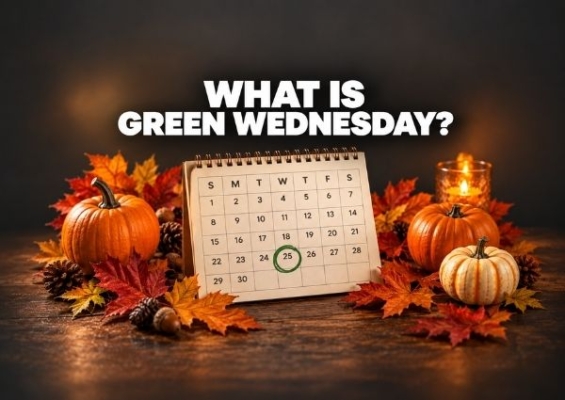
Green Wednesday is the Wednesday before Thanksgiving, the cannabis industry’s second-biggest shopping day of…
Learn more
