


Blogs

Are THC Gummies Legal? A 2026 State-by-State Guide
Yes, THC gummies are legal to buy in most of the United States right…
Learn more
You must be 21+ to enter this site
 FREE SHIPPING $89+
 FREE GIFT ON $120+
 100% FEDERALLY LEGAL
 LAB TESTED FOR PURITY
FREE SHIPPING $89+
FREE GIFT ON $120+
100% FEDERALLY LEGAL
LAB TESTED FOR PURITY
FREE SHIPPING $89+
FREE GIFT ON $120+
100% FEDERALLY LEGAL
LAB TESTED FOR PURITY
FREE SHIPPING $89+
FREE GIFT ON $120+
100% FEDERALLY LEGAL
LAB TESTED FOR PURITY
FREE SHIPPING $89+
FREE GIFT ON $120+
100% FEDERALLY LEGAL
LAB TESTED FOR PURITY
FREE SHIPPING $89+
FREE GIFT ON $120+
100% FEDERALLY LEGAL
LAB TESTED FOR PURITY
FREE SHIPPING $89+
FREE GIFT ON $120+
100% FEDERALLY LEGAL
LAB TESTED FOR PURITY
FREE SHIPPING $89+
FREE GIFT ON $120+
100% FEDERALLY LEGAL
LAB TESTED FOR PURITY
LAB TESTED FOR PURITY
FREE SHIPPING $89+
FREE GIFT ON $120+
100% FEDERALLY LEGAL
LAB TESTED FOR PURITY
FREE SHIPPING $89+
FREE GIFT ON $120+
100% FEDERALLY LEGAL
LAB TESTED FOR PURITY
FREE SHIPPING $89+
FREE GIFT ON $120+
100% FEDERALLY LEGAL
LAB TESTED FOR PURITY
FREE SHIPPING $89+
FREE GIFT ON $120+
100% FEDERALLY LEGAL
LAB TESTED FOR PURITY
FREE SHIPPING $89+
FREE GIFT ON $120+
100% FEDERALLY LEGAL
LAB TESTED FOR PURITY
FREE SHIPPING $89+
FREE GIFT ON $120+
100% FEDERALLY LEGAL
LAB TESTED FOR PURITY
FREE SHIPPING $89+
FREE GIFT ON $120+
100% FEDERALLY LEGAL
LAB TESTED FOR PURITY

Sit in on any smoke session and you’ll hear blunt, joint, and spliff thrown around like they mean the same thing. They don’t, and the difference comes down to one variable: what’s wrapped around the flower.
That single choice sets the burn time, the flavor, whether nicotine is involved, and how much flower you’re committing per session. Modern hemp wraps have also scrambled the old assumptions, so the classic definitions need an update. Here’s the full breakdown.
A joint is cannabis rolled in paper; a blunt is cannabis rolled in a cigar wrap or blunt wrap. Wrap material is the whole dividing line, and every other difference follows from it.
| Factors | Joint | Blunt |
| Wrap material | Rolling paper (hemp, rice, flax, wood pulp) | Tobacco leaf, cigar wrap, or hemp wrap |
| Tobacco / nicotine | None | Present in traditional wraps; absent in hemp wraps |
| Typical flower capacity | 0.3 to 1 gram | 1 to 2 grams or more |
| Burn time | 5 to 15 minutes | 20 to 45 minutes |
| Flavor | Near-neutral, strain-forward | Wrap adds its own layer |
| Rolling difficulty | Moderate | Harder |
| Typical session | Solo or short | Group rotation, longer sessions |
“Blunt” traditionally meant a tobacco-leaf wrap, usually a hollowed-out cigar. Tobacco-free hemp wraps now sit in every smoke shop, so the format no longer guarantees tobacco.
A joint is essentially a cannabis cigarette: ground flower in a thin rolling paper. Papers come in rice, hemp, flax, and wood pulp, bleached or unbleached, with a gum line down one edge for the seal.
Most joints include a crutch, the small rolled filter tip at the mouth end. It keeps the tip open, holds the shape, and stops crumbs. Smoke passes through it unfiltered.
A traditional blunt starts as a cigar or cigarillo that gets split, gutted, and re-rolled around flower. Purpose-made blunt wraps skip the gutting step, and hemp wraps remove the tobacco leaf altogether.
The wrap changes the burn, not the strength. Thin paper combusts fast and light, while thick tobacco leaf burns slower, holds more heat, and contributes its own compounds, including nicotine.
Neither format changes what the flower does. The strength comes from the cannabis inside, not the wrap around it.

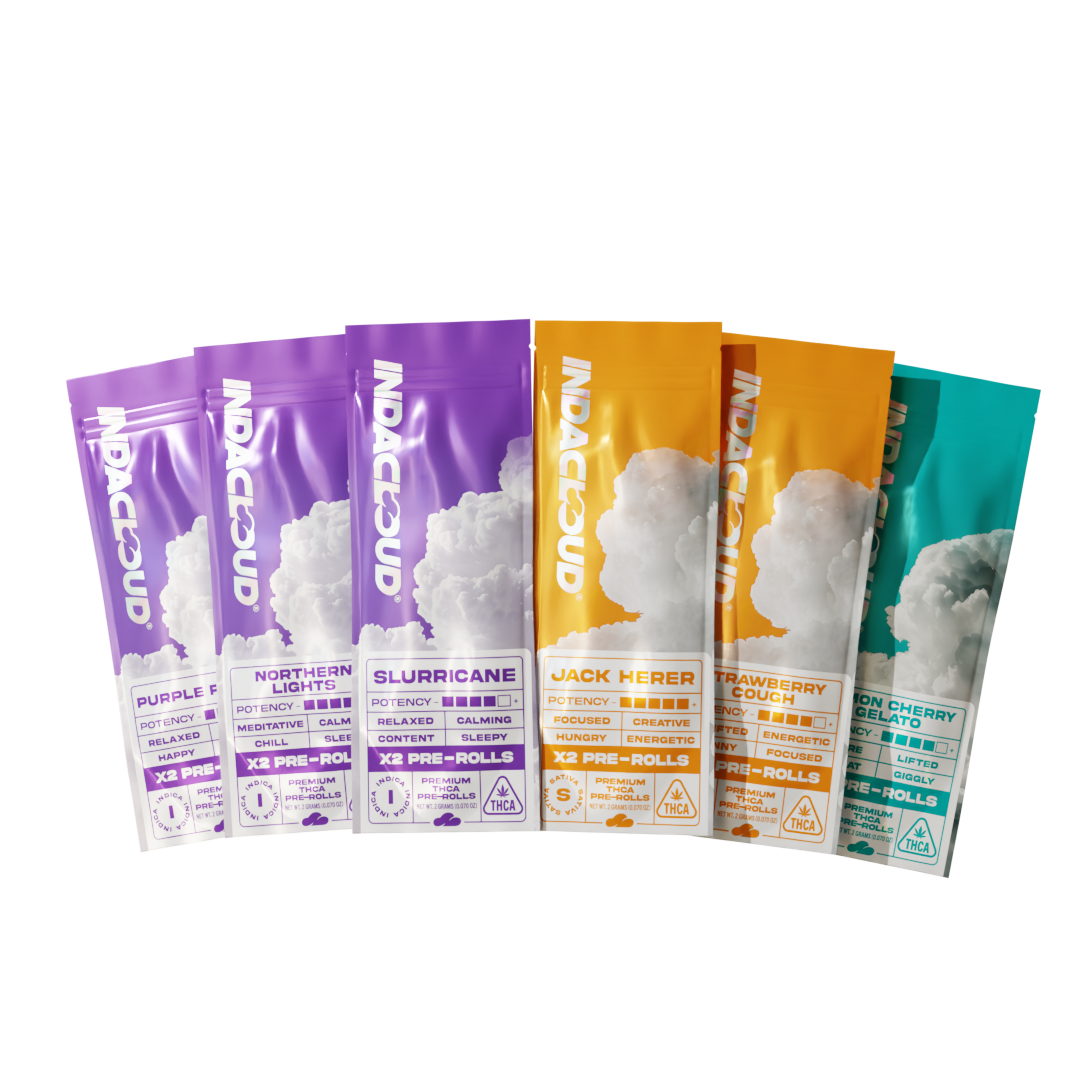
A pre-roll is a format rather than a third smoking method: any joint or blunt that arrives filled and sealed. Our pre-rolls cover standard flower rolls, infused options with kief, rosin, or diamonds, and pre-rolled cones for anyone who’d rather fill than roll.
The contents and the wrap are two separate decisions. Take the Alaskan Thunderf*ck THCa Diamond Core pre-rolls: the diamond-infused flower inside is specified independently of what’s rolled around it. The full THCa pre-roll lineup works the same way, and we’ve covered how THCa pre-rolls are made separately.
A spliff is cannabis blended with loose tobacco and rolled in paper. It’s a third category entirely, and most comparisons collapse it into the blunt column by mistake. The word traces to West Indian slang, often explained as “split” plus “whiff.”
A doobie is casual slang for a joint, with no technical definition behind it. Regional usage muddies things further: in the UK and much of Europe, “joint” often implies tobacco mixed in, which is why online threads contradict each other. Our weed words glossary covers the rest of the vocabulary.
A joint burns in 5 to 15 minutes, which suits a solo smoke or a quick one. A blunt can run 20 to 45 minutes, which is why it became the group format: it survives a full rotation without constant relighting.
Capacity drives most of the perceived difference. A standard joint holds 0.3 to 1 gram of flower, while a blunt commonly holds 1 to 2 grams or more. When people say blunts hit harder, they’re usually describing quantity.
Flavor splits cleanly. Rolling paper is close to neutral, so terpenes and strain character come through clearly. Tobacco leaf lays a heavy, sweet, sometimes cocoa-like layer over the top that can bury strain nuance. Hemp wraps land between the two with a mild, earthy base.
Wrap thickness also changes the draw. Thick leaf means more resistance, a slower cherry, and more heat retention, while thin paper pulls easy and burns quick.
The formats fail differently, too. A loosely packed joint canoes, burning down one side. A blunt with a dry wrap cracks and leaks air, and an overwet one refuses to stay lit.
Usually no, and the best available research points the other way. A 2009 study by Cooper and Haney in Drug and Alcohol Dependence had 24 participants smoke identical cannabis in both formats, and joints produced higher plasma THC and stronger subjective intoxication ratings than blunts. It was a small study with three puffs per session, but it’s a direct comparison.
The same study found blunts generated more carbon monoxide than joints despite delivering less THC. The wrap adds combustion load without adding potency.
So why does the folk wisdom persist? Quantity, first: research by Mariani and colleagues found blunts typically contain about 1.5 times the cannabis of joints. More flower per unit means more total THC per session, even at lower efficiency.
Nicotine is the second factor. In a tobacco-wrap blunt, nicotine delivers a distinct head rush and lightheaded wave that gets misattributed to cannabis potency. Product testing published in Drug and Alcohol Dependence has found measurable nicotine in the cigar wrappers commonly used for blunts.
Researchers also treat tobacco and cannabis co-administration as its own use pattern, because the combination produces a different subjective profile than cannabis alone. Pace matters as well: a blunt shared over half an hour lands differently than a joint finished in eight minutes.
Traditional blunt wraps are cut from tobacco leaf, so they carry nicotine. Plain rolling papers carry none. Someone who considers themselves a cannabis-only smoker can end up consuming nicotine regularly through the wrap without registering it, and nicotine is dependence-forming in its own right.
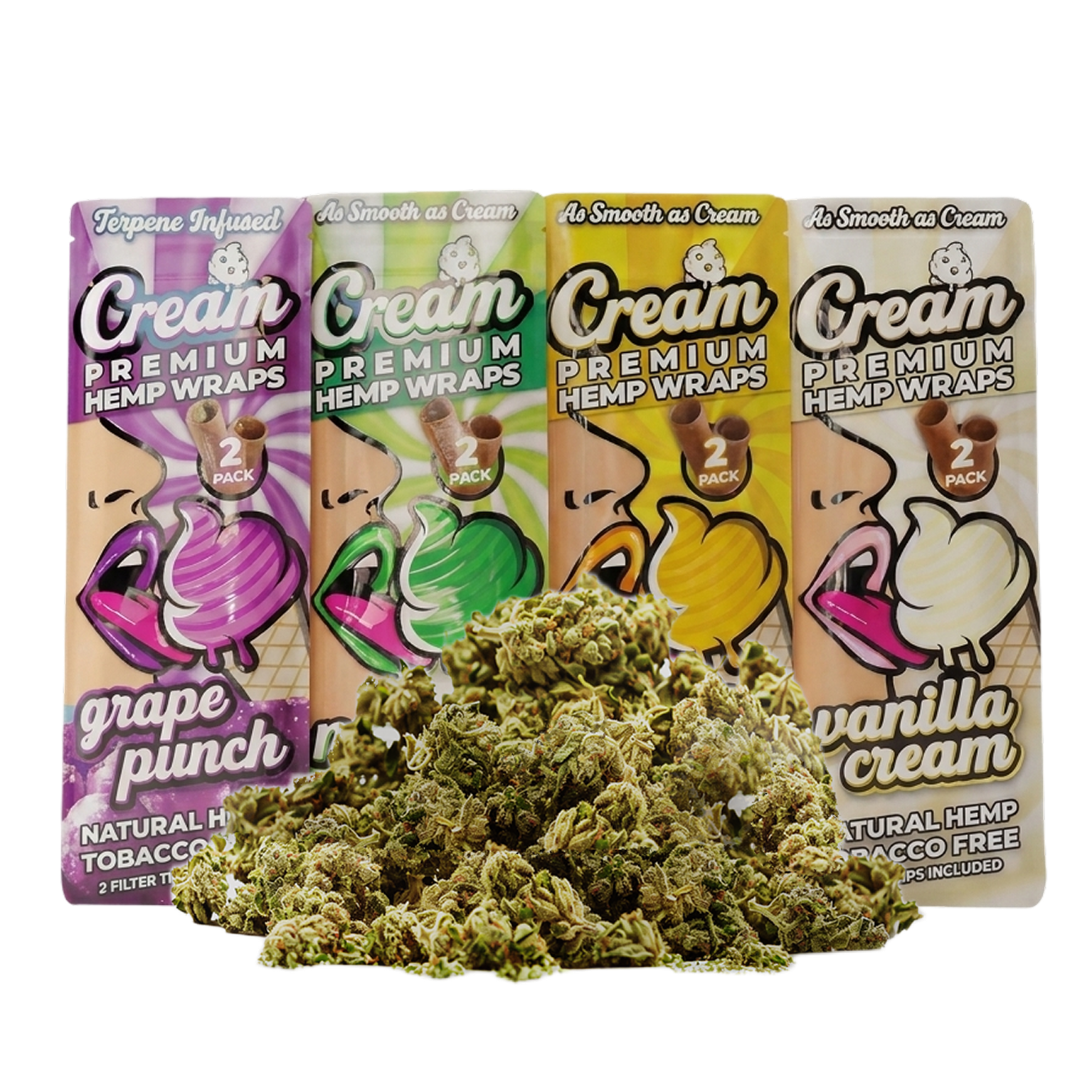
Tobacco-free hemp wraps split the format from the leaf. The blunt experience, slow burn, thick smoke, big capacity, no longer requires tobacco, which makes “blunts contain nicotine” an outdated blanket statement. Our Terpene Infused Hemp Wrap Bundle is a working example: hemp leaf, terpene flavor, zero tobacco.
Nicotine content in traditional wraps varies by product, so check the labeling on whatever you’re smoking. Every wrap and pre-roll we sell is third-party lab tested with COAs posted publicly, so what’s in it is never a guess. And all combustion produces smoke, whatever the wrap.
A joint rewards an even grind, a crutch, careful distribution, a clean tuck, and one sealing pass along the gum line. It takes practice, though cones lower the bar to fill-and-pack. We’ve broken down joint technique in its own guide.
A blunt is meaningfully harder. You split or unroll the wrap, manage its moisture (too dry and it cracks, too wet and it won’t burn), pack the heavier leaf, tuck, then seal and bake the seam. When it goes wrong, it can waste a gram or more of flower.
If none of that appeals, pre-rolls like our Essential THCa Preroll Bundle skip the skill check entirely.
Papers cost pennies per unit and wraps run more, but the real cost gap is the flower itself, since a blunt consumes considerably more material per session.
Efficiency favors the joint, too. Big blunts get relit repeatedly, lose smoke to side-burn between passes, and often get abandoned half-finished. A joint sized to the session gets smoked, full stop.
Joints also win on portability and discretion: smaller, lighter-smelling, easier to stub and pocket. Neither format keeps well half-smoked. A relit half of either tastes harsh, so roll for the session you’re having.
There’s no overall winner here, only fits. Match the format to the session in front of you:
On our shelves that maps to THCa flower for hand-rollers and pre-rolls for the ready-made route. Everything is hemp-derived and federally legal under the 2018 Farm Bill (under 0.3% delta-9 THC by dry weight), lab tested, and 21+ only. State laws vary, so check yours.
No. A joint is rolled in paper; a blunt is rolled in a cigar wrap, tobacco-leaf wrap, or hemp wrap. The wrap is the only structural difference between them.
Yes, slightly. The thicker wrap adds draw resistance, so pulls are slower and steadier, and the longer burn spreads the session out. A joint pulls lighter and moves faster.
A doobie is a joint. It’s colloquial slang with no technical meaning beyond that.
A joint is cannabis in rolling paper. A blunt is cannabis in a cigar or blunt wrap. A spliff is cannabis mixed with loose tobacco in rolling paper. The terminology section above covers the regional wrinkles.
Typically 0.3 to 1 gram in a joint and 1 to 2 grams in a blunt, though both vary widely with the roller and the wrap size.
The wrap decides the burn, the flavor, the capacity, and the nicotine question. Potency stays with the flower either way. Once that clicks, the choice gets simple: joints for speed and strain character, blunts for long group sessions and wrap flavor.
Whichever way you roll, start low and go slow, keep high-potency flower stored away from kids and pets, and let each session settle before adding more. The wrap is a preference. Smoke it the way you enjoy it.
Yes, THC gummies are legal to buy in most of the United States right…
Learn more
Raw, unheated THCA clears your system in roughly 24 to 48 hours. Once you…
Learn more
Yes, edibles show up on drug tests. Standard panels detect THC edibles exactly the…
Learn more
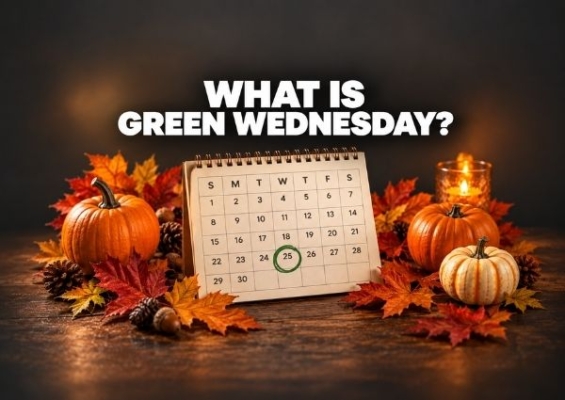
Green Wednesday is the Wednesday before Thanksgiving, the cannabis industry’s second-biggest shopping day of…
Learn more
